DbcultAccessing Vault...
7.2/10
Senior Film Conservator

A definitive 7.2/10 rating for a film that redefined the boundaries of cult cinema. Poil de carotte remains a cornerstone of transgressive art.
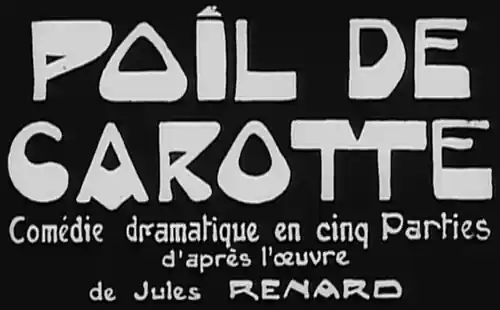
In the somber, golden light of early 20th-century French cinema, 'Poil de carotte' emerges as a masterful exploration of the human condition, one that navigates the labyrinthine complexities of familial relationships with unflinching candor. Adapted from Jules Renard's semi-autobiographical novel, this cinematic gem, directed by Julien Duvivier, presents a searing portrait of a dysfunctional family, one whose dynamics are redolent of the societal ills that plagued France during the interwar period.
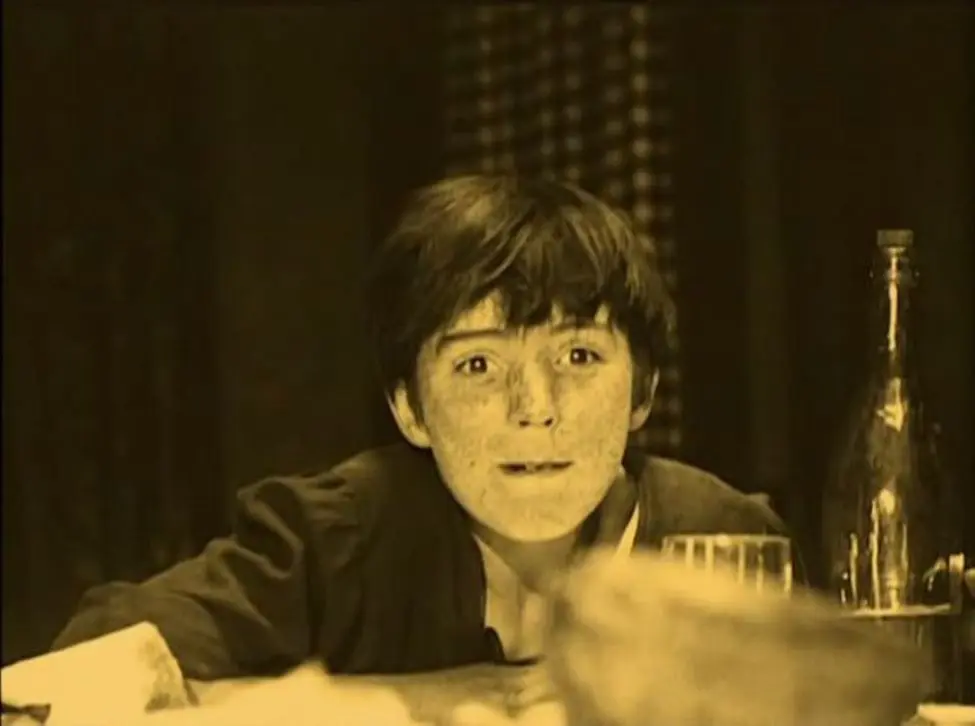
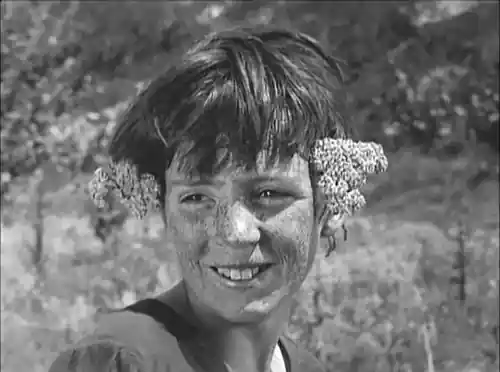
At the film's center lies the eponymous protagonist, a young boy whose nickname 'Carrot top' belies the depth of his emotional pain. His existence is a testament to the corrosive effects of maternal hatred and paternal indifference, a life marked by the stultifying cruelty of those who should provide solace and support. Renée Jean's portrayal of Madame Lepage, the boy's mother, is a masterclass in cinematic villainy, her performance imbuing the character with a toxic blend of disdain and resentment that permeates every frame she appears in.
Conversely, the character of Monsieur Lepage, played by Henry Krauss, serves as a symbol of paternal failure, his indifference to his son's plight a glaring indictment of his own emotional shortcomings. It is only when he becomes cognizant of his son's suicidal ideations that he begins to reevaluate his priorities, undertaking a journey of paternal redemption that serves as the film's emotional linchpin.

Through the lens of 'Poil de carotte,' Duvivier critiques the societal norms that underpinned French familial structures during the 1920s, exposing the fault lines that existed beneath the veneer of bourgeois respectability. The film's use of location shooting and high-contrast cinematography adds a layer of stylistic sophistication that complements the narrative's thematic complexity, imbuing the film with a sense of cinematic grandeur.
In comparison to other films of the era, 'Poil de carotte' shares a thematic kinship with Julien Duvivier's own 'The Heart of Jennifer' (the-heart-of-jennifer), which also explores the intricacies of familial relationships. Similarly, 'Man's Plaything' (mans-plaything) and 'Why Elephants Leave Home' (why-elephants-leave-home) also probe the complexities of human emotion, albeit through different narrative prisms.

The performances within 'Poil de carotte' are uniformly excellent, with Charlotte Barbier-Krauss delivering a nuanced portrayal of the young protagonist. The supporting cast, including Fabien Haziza and Lydia Zaréna, add depth and texture to the narrative, their characters serving as foils to the central conflict.
'Poil de carotte' is a landmark film that continues to resonate with audiences today, its exploration of familial dynamics, redemption, and the human condition remaining as pertinent now as it was upon its initial release. For those interested in exploring the rich tapestry of early 20th-century French cinema, this film serves as an essential touchstone, a cinematic treasure that continues to captivate and disturb in equal measure.
Ultimately, 'Poil de carotte' constitutes a masterful achievement in the annals of world cinema, one that invites viewers to reflect upon the complexities of human relationships and the redemptive power of love and empathy. As a work of cinematic art, it remains an indispensable component of any film enthusiast's canon, a poignant reminder of the enduring power of cinema to illuminate the darkest recesses of the human experience.

IMDb 6.2
1935
Community
Log in to comment.