DbcultAccessing Vault...
Cult Review
Senior Film Conservator
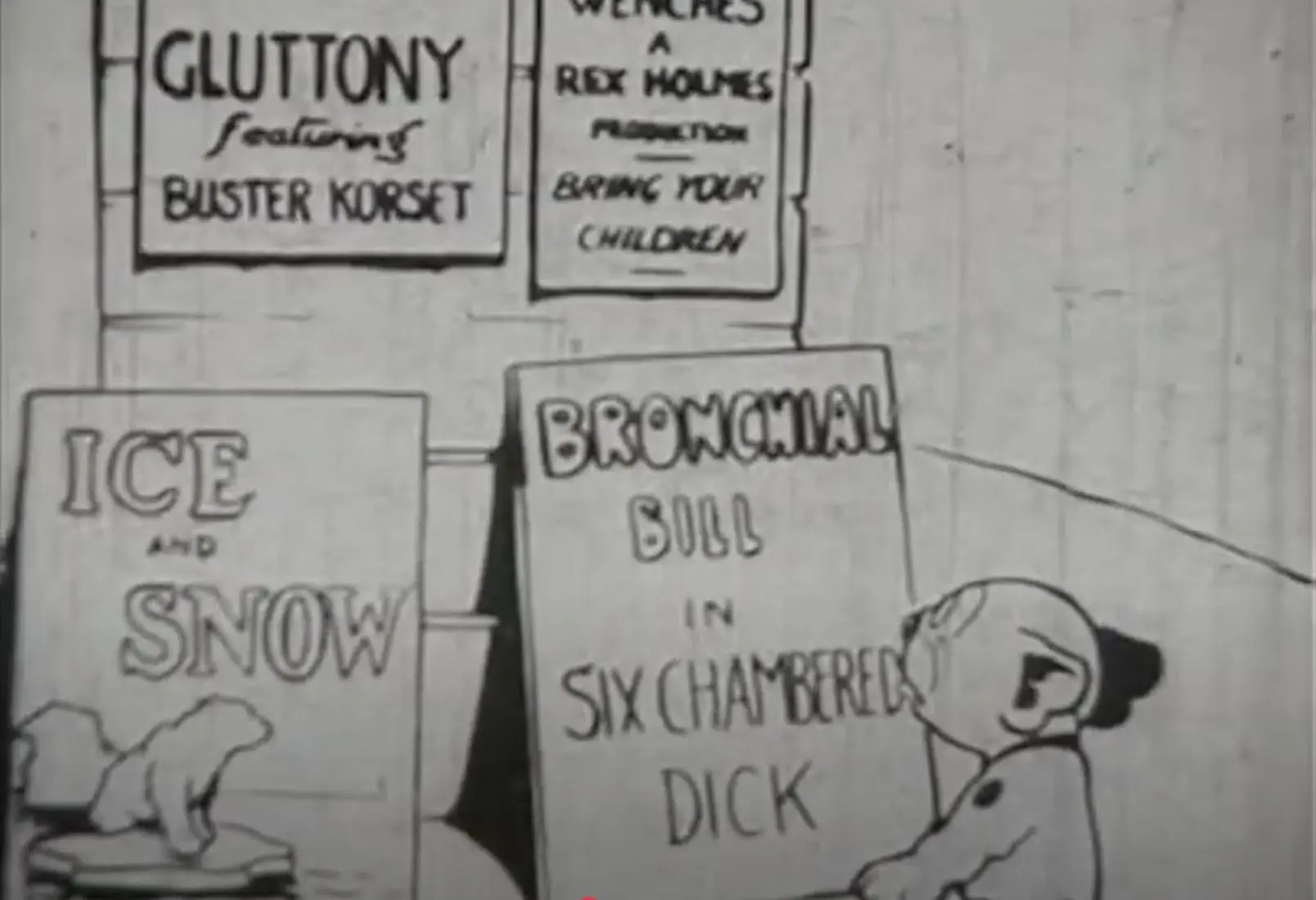
Is Polar Bonzo worth watching today? Short answer: Yes, but only if you view it as a frantic, surrealist artifact rather than a polished narrative.
This film is for animation historians, fans of silent-era slapstick, and those who enjoy the 'uncanny valley' of early 20th-century character design. It is definitely NOT for viewers who require high-definition visuals or coherent, modern storytelling logic.
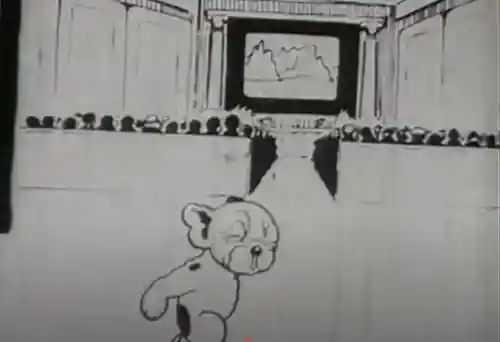
1) This film works because it breaks the fourth wall in a way that was genuinely revolutionary for 1924, predating many of the meta-humor tropes we see in modern animation today.
2) This film fails because the technical limitations of the era result in a jittery, sometimes incoherent visual flow that can be taxing on the modern eye.
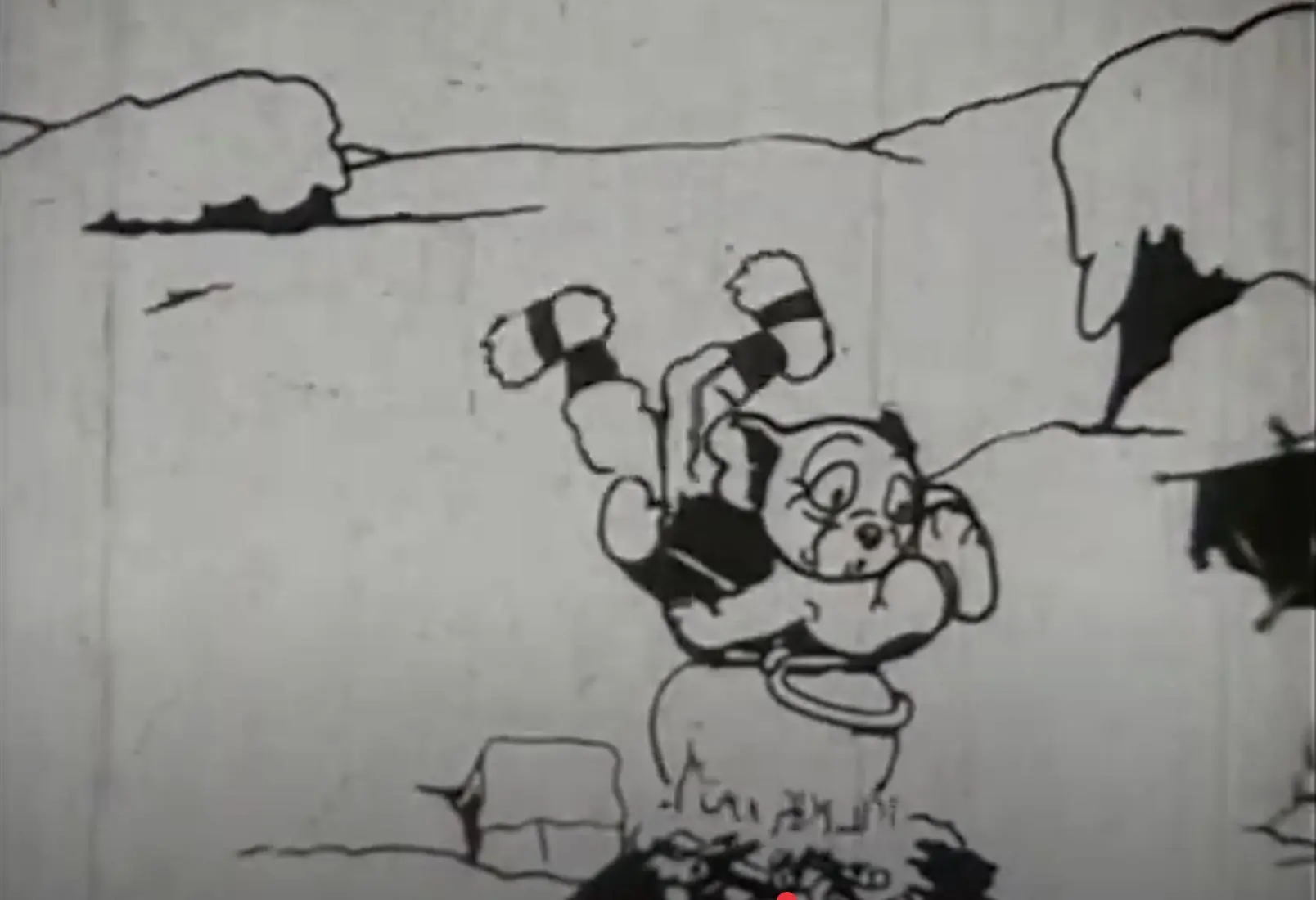
3) You should watch it if you want to see the DNA of characters like Bugs Bunny or Mickey Mouse in their rawest, most chaotic form.
Adrian Brunel, primarily known for his work in live-action features like Rob Roy, brought a strange, almost experimental energy to Polar Bonzo. The film starts with a simple premise: a dog watching a movie. But when Bonzo flies into the screen, the film abandons all pretense of reality. This isn't just a cartoon; it’s a commentary on the immersive power of cinema.
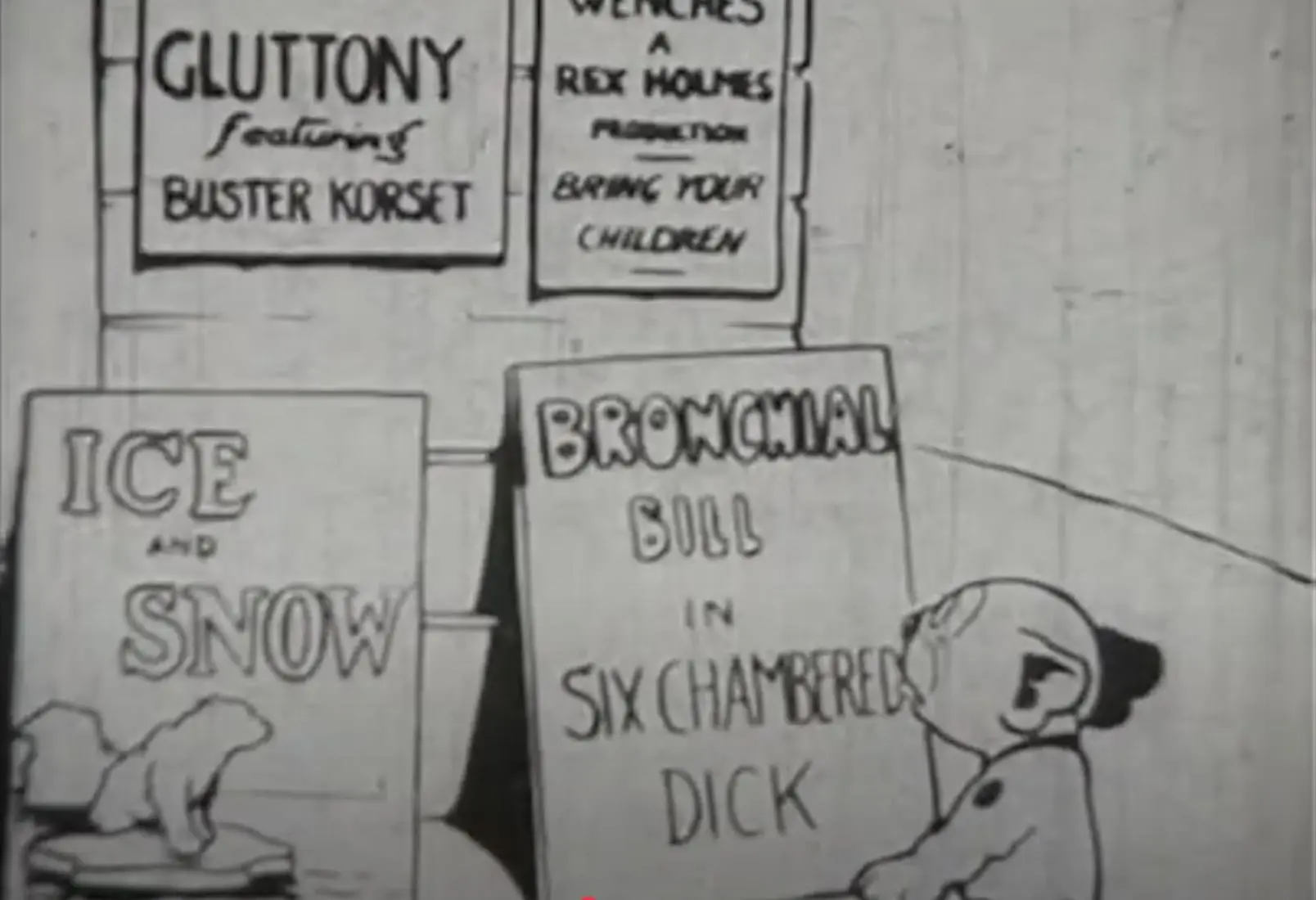
The moment Bonzo transitions from the theater seat to the polar landscape is the film's strongest sequence. It’s a literal interpretation of 'getting lost in a movie.' Compared to the more grounded comedic structures of Back to the Woods, Polar Bonzo feels like a fever dream. The physics are non-existent. The stakes are absurd. It works. But it’s flawed.
Bonzo the Dog was a phenomenon in the 1920s, and this film captures why. He isn't a hero; he’s a catalyst for disaster. When he lands on Polar Pete, there is no apology—only a frantic need to move to the next gag. This relentless pacing is a hallmark of the era, but Brunel pushes it to an extreme.
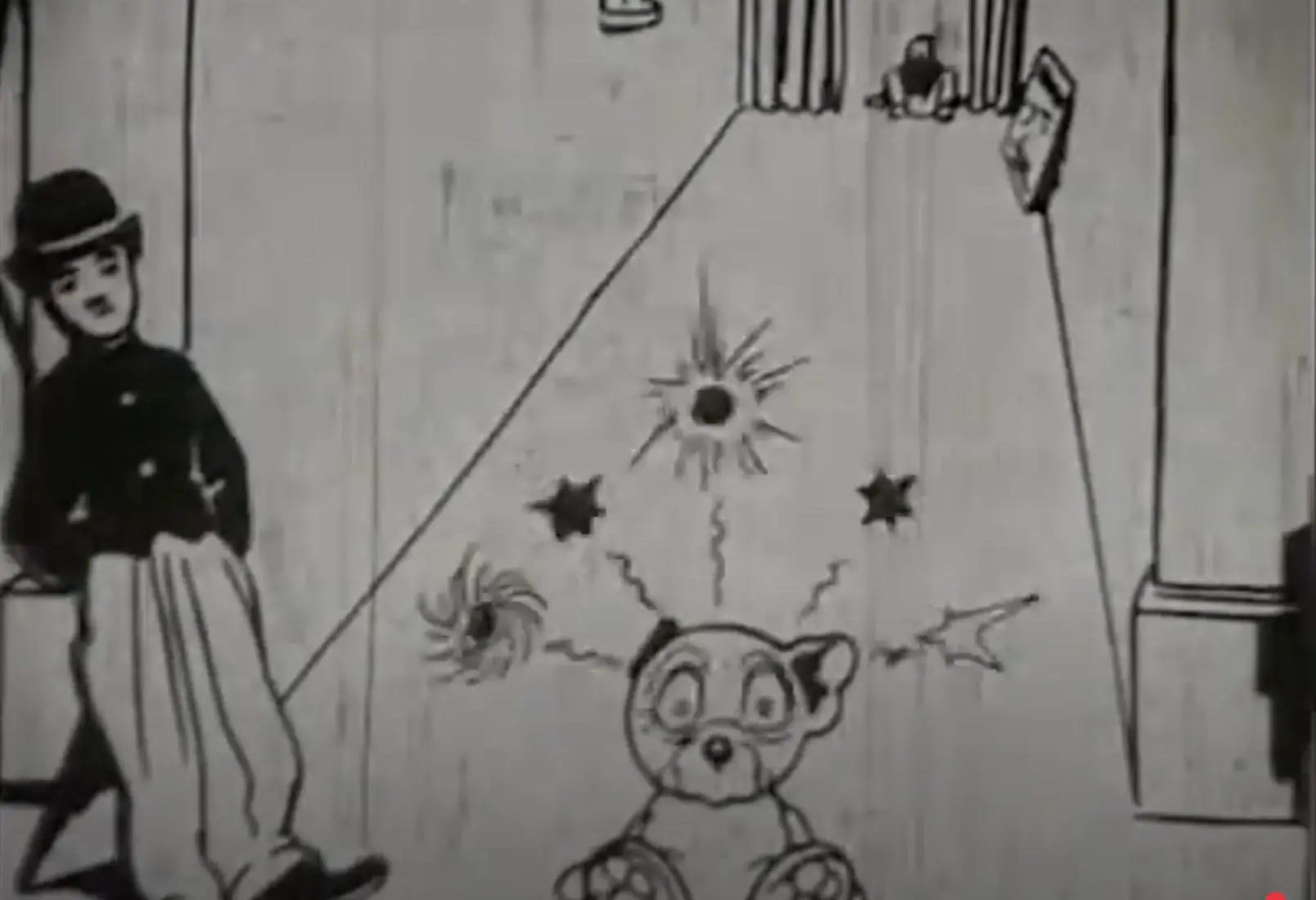
Take the igloo fire scene, for example. In a modern context, watching a dog accidentally burn down a polar bear's home is strangely dark. In 1924, it was peak comedy. The way the charcoal-drawn smoke billows across the screen shows a creative use of limited resources. It lacks the polish of The Bike Bug, but it makes up for it with sheer audacity.
"Bonzo doesn't just inhabit his world; he destroys it for our amusement. He is a monochrome agent of entropy."
The animation in Polar Bonzo is jittery. There is no getting around that. However, for a film produced nearly a century ago, the fluidity of Bonzo’s movements during the escape sequence is impressive. Brunel and his team were clearly experimenting with squash-and-stretch techniques before they were formalized as industry standards.
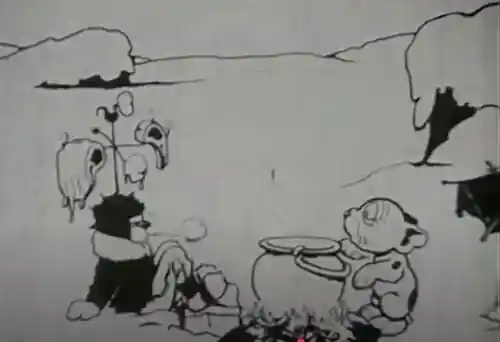
The background art is minimalist, which helps keep the focus on the character's manic energy. However, the lack of detail can sometimes make the spatial relationship between Bonzo and the polar bear confusing. It’s not as visually coherent as The Yankee Consul, but it serves the frantic tone of the short.
Polar Bonzo is absolutely worth watching for anyone interested in the roots of visual comedy. It is a brief, five-minute burst of energy that illustrates how early filmmakers were already trying to deconstruct the cinematic medium. While the humor is dated, the concept of a character entering their own fictional world remains a powerful storytelling device.
Pros:
Cons:
When comparing Polar Bonzo to other films of the era, such as The Woman He Married, we see a stark contrast in how stories were told. While live-action features were leaning into melodrama, animation was the wild west. Brunel wasn't bound by the rules of gravity or social decorum.
The polar bear's igloo burning down is a strangely prophetic image of climate anxiety, even if it was intended as a simple gag in 1924. It’s this kind of accidental depth that makes re-watching these old shorts so rewarding. You see things the original creators never intended. It’s a fascinating, if slightly broken, window into the past.
Polar Bonzo is a chaotic relic that deserves a spot in the annals of animation history. It isn't a masterpiece of technical precision, but it is a masterclass in creative ambition. Adrian Brunel took a simple cartoon dog and turned him into a reality-bending explorer. It’s weird, it’s fast, and it’s a bit of a mess—but that’s exactly why it’s worth five minutes of your life. It is a primitive spark that helped light the fire of modern character animation.
IMDb 5.2
1935
Community
Log in to comment.