DbcultAccessing Vault...
Cult Review
Senior Film Conservator
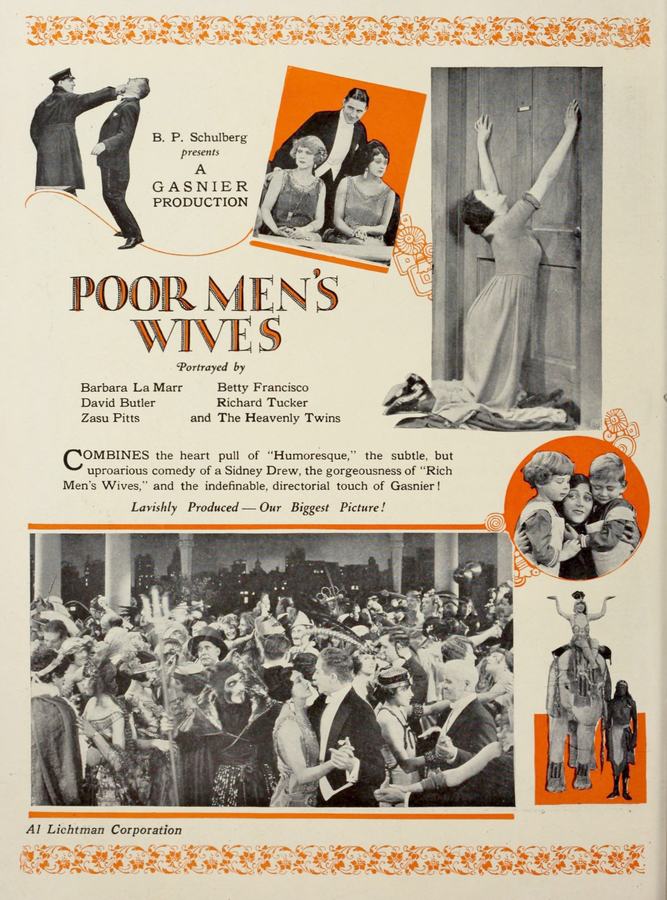
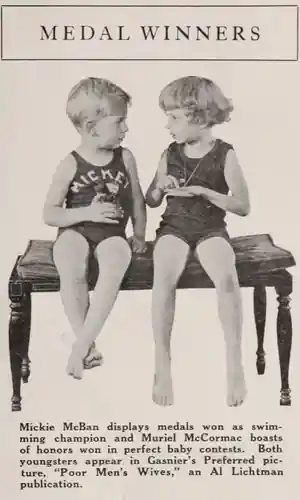
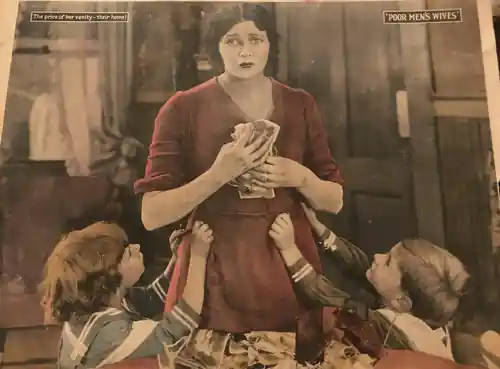
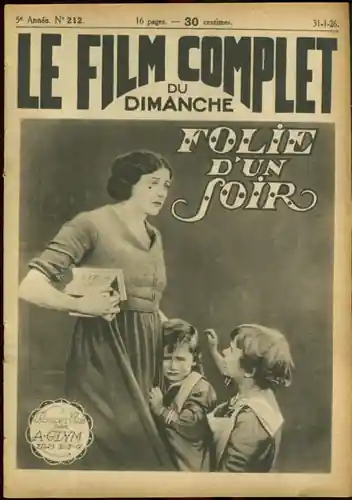
The 1923 silent film Poor Men's Wives is a masterful exploration of the human experience, delving into the intricacies of love, class, and identity with unflinching candor. Directed by Louis King, the film boasts a talented cast, including Betty Francisco, Mickey McBan, and Barbara La Marr, each delivering performances that are at once nuanced and powerful. As the narrative unfolds, the viewer is drawn into a world of stark contrasts, where the lives of two women, Laura Bedford and Claribel, serve as a testament to the enduring power of friendship and the unyielding nature of societal pressures.
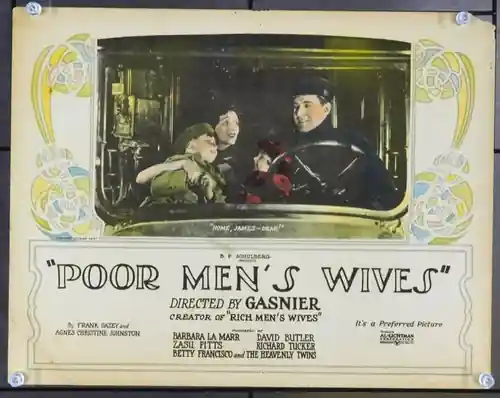
Through the character of Laura, the film raises essential questions about the nature of relationships and the role of class in shaping our experiences. Her marriage to Jim Maberne, a poor taxi driver, is a union marked by love and devotion, yet it is also a relationship that is inextricably linked to the harsh realities of poverty. In contrast, Claribel's union with the wealthy Richard Smith-Blanton is a marriage of convenience, one that is marked by a sense of disconnection and emotional sterility. As the two women navigate their respective relationships, the viewer is struck by the ways in which class and socioeconomic status can both unite and divide us.
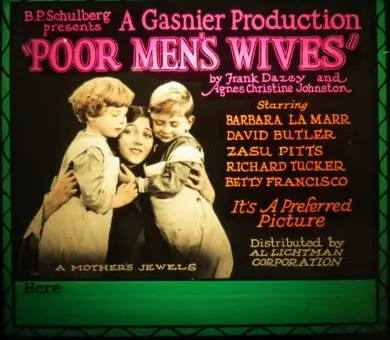
One of the most striking aspects of Poor Men's Wives is its thoughtful exploration of the human condition. Through a series of dramatic confrontations and poignant moments of introspection, the film probes the complexities of love, desire, and identity. The character of Laura, in particular, is a rich and multifaceted creation, a woman whose experiences and emotions are rendered with remarkable sensitivity and depth. As she navigates the challenges of her marriage and the societal pressures that seek to constrain her, the viewer is drawn into a world of profound emotional resonance, one that is marked by a deep sense of empathy and understanding.
The film's use of visual motifs and cinematic techniques is also noteworthy, adding a layer of depth and complexity to the narrative. The artists' ball, where Laura rebuffs Smith-Blanton's advances, is a masterful sequence, one that showcases the director's skill in crafting scenes that are at once visually stunning and emotionally resonant. The use of color and lighting, in particular, is striking, with the sea blue hues of the ballroom serving as a stark contrast to the drab, dark orange tones of Laura's poverty-stricken existence.
In comparison to other films of the era, Poor Men's Wives stands out for its thoughtful exploration of the human experience. Films like The Incomparable Mistress Bellairs and Kiss and Make Up may have touched on similar themes, but they lack the depth and nuance of King's masterpiece. Even films like The Daughter of the People and Diplomacy, which explored the social and cultural landscape of the time, do not match the emotional resonance and cinematic craftsmanship of Poor Men's Wives.
In conclusion, Poor Men's Wives is a film that rewards close attention and multiple viewings. Its thoughtful exploration of the human experience, coupled with its masterful use of visual motifs and cinematic techniques, makes it a true masterpiece of the silent era. As a work of cinematic art, it continues to resonate with audiences today, offering a powerful and poignant exploration of the complexities of love, class, and identity. Whether you are a film scholar or simply a cinephile, Poor Men's Wives is a film that is sure to leave a lasting impression, a testament to the enduring power of cinema to capture the human experience in all its complexity and beauty.
IMDb 6.6
1933
Community
Log in to comment.