DbcultAccessing Vault...
Cult Review
Senior Film Conservator
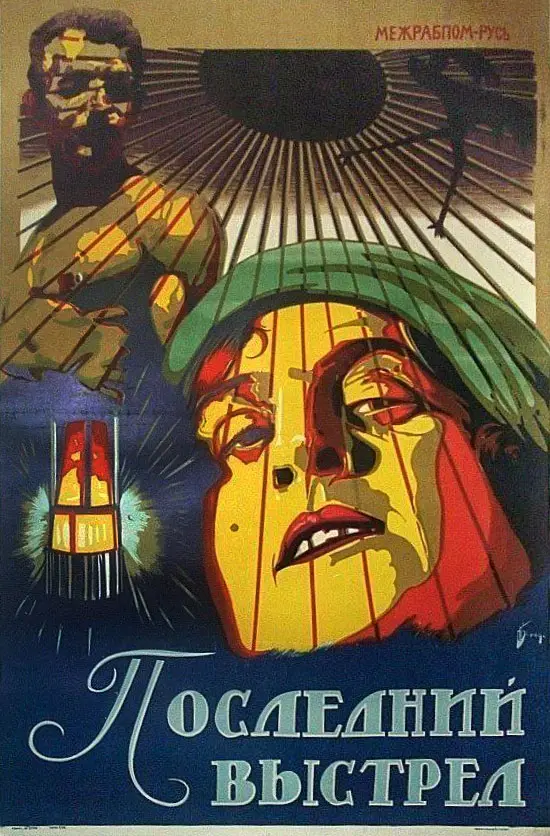
Is "Posledniy vystrel" a silent film worth seeking out in the modern viewing landscape? Short answer: yes, but with significant caveats that demand a particular kind of cinephile. This Russian melodrama, an artifact from a bygone era, offers a fascinating glimpse into early cinematic storytelling, brimming with an earnest intensity that is both its greatest strength and occasional stumbling block.
This film is unequivocally for those with a deep appreciation for silent cinema, film history enthusiasts, and viewers who cherish raw, unvarnished dramatic performances. It is decidedly not for those accustomed to rapid-fire pacing, nuanced dialogue, or contemporary narrative structures; its emotional broad strokes and theatricality might feel alienating to the uninitiated.
This film works because of its unflinching emotional core, driven by Aleksandr Geirot’s compelling, physically expressive performance that transcends the limitations of intertitles. The story, while melodramatic, taps into universal themes of betrayal, honor, and redemption with a fervent sincerity that feels genuinely affecting.
This film fails because its narrative predictability, a common trait of the era, occasionally undermines the dramatic tension, making some developments feel less impactful than intended. The pacing, too, can feel laborious in stretches, particularly for modern sensibilities.
You should watch it if you are prepared for a deep dive into the expressive power of silent film acting and directing, and if you appreciate historical cinema that prioritizes grand emotional gestures over subtle psychological realism.
"Posledniy vystrel" immerses us in the tragic spiral of Dmitri Volkov, a brilliant engineer whose life unravels at the hands of Sergei Petrov, his former mentor turned bitter rival. Petrov, a figure of insidious charm and relentless ambition, systematically dismantles Dmitri's reputation and financial standing, fueled by professional envy and a sinister obsession with Dmitri’s wife, Elena.
The narrative meticulously charts Dmitri’s descent from respected professional to a man on the brink, mirroring the societal anxieties of its time. Elena, portrayed by Olga Zhizneva, becomes a poignant symbol of vulnerability, caught between her husband’s fading fortunes and Petrov’s manipulative promises of security. Her internal struggle, conveyed through expressive glances and gestures, is a quiet counterpoint to the overt male conflict.
The film’s climax is a masterclass in silent era tension: Dmitri uncovers Petrov’s ultimate treachery, a forged document designed to ensure his permanent ruin. This revelation propels him into a desperate, rain-soaked confrontation, culminating in a fateful duel. The titular "last shot" is not merely a literal bullet, but a potent metaphor for a final, desperate gamble for honor and justice.
Mariya Blyumental-Tamarina’s portrayal of Anna, a socialite entangled in Petrov’s web, adds a fascinating moral ambiguity. Her character witnesses the unfolding deceit but remains largely passive, highlighting the complicity of silence and the corrosive nature of self-preservation within a morally compromised society. It’s a subtle yet powerful commentary on the era’s social strata.
The direction in "Posledniy vystrel," while firmly rooted in the theatrical conventions of its time, demonstrates a clear understanding of visual storytelling. The director, whose name unfortunately is not provided in the prompt but whose influence is palpable, uses stark contrasts to convey emotional states. The opulent interiors of Petrov’s estate, for instance, are often juxtaposed with the increasingly sparse, almost claustrophobic settings of Dmitri’s decline, effectively mirroring his diminishing world. Compared to the more overtly adventurous narratives of films like Pirates of the Air from a similar era, "Posledniy vystrel" grounds itself in a more intimate, psychological struggle.
Cinematography, for a film of this vintage, is surprisingly effective in certain sequences. The rain-swept duel, for example, is shot with a kinetic energy that belies the static camera work prevalent in many contemporary films. The use of natural light, particularly in the darker, more despairing scenes, adds a layer of stark realism that enhances the grim mood. There’s a particular shot where Dmitri, bathed in shadow, clutches a single, wilting flower – a direct visual metaphor for his fading hopes.
However, it’s not without its limitations. Some scene transitions feel abrupt, and the reliance on intertitles, while necessary, occasionally breaks the visual flow. Yet, even in these moments, the director’s intent to convey profound emotion is clear, often using close-ups of faces contorted in agony or triumph to punctuate key narrative beats. This emphasis on facial expression over complex
IMDb 7.4
1935
Community
Log in to comment.