DbcultAccessing Vault...
Cult Review
Senior Film Conservator
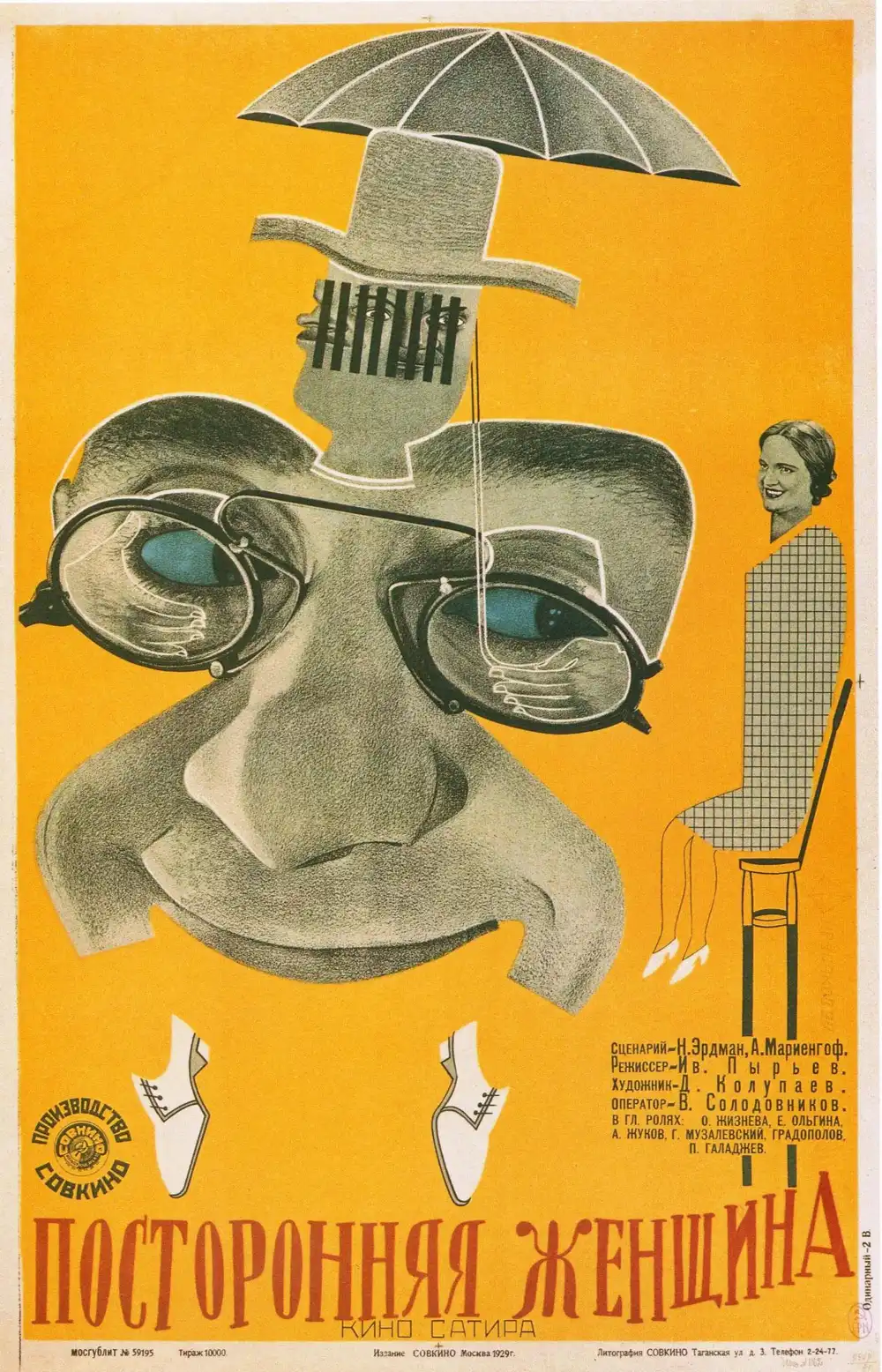
Is this movie worth your time today? Yes, but only if you like seeing how people haven't changed in a hundred years. If you enjoy early Soviet dramas that feel a bit like a stage play gone wrong, you'll dig it. If you want big explosions or a fast plot, you will probably hate this and turn it off after ten minutes.
It’s a 1929 silent film called Postoronnyaya zhenshchina. The title basically means 'The Outsider Woman' or 'The Stranger Woman.' It’s about a guy named Pavel who is a Komsomol member, which means he’s supposed to be a model citizen. He says goodbye to his pregnant wife at the train station and then finds this woman who missed her train. He does the nice thing and lets her stay at his place so she isn't stuck on the street.
Of course, this is a movie, so things go south immediately. The neighbors are the real villains here. They see a woman going into a married man's apartment and their brains just explode with gossip. It’s that typical 'local philistinism' thing where everyone is obsessed with what’s happening behind closed doors.
The writers are Nikolay Erdman and Anatoli Marienhof. If you know your history, these guys were actually pretty sharp satirists. You can tell they had a lot of fun making the neighbors look like absolute idiots. It’s less about the 'affair' and more about how much people love to ruin someone else's reputation for fun.
One thing I noticed right away was how cramped everything feels. The apartments in these old Soviet movies always look like they have too much furniture for the size of the walls. It makes the tension feel real. You can almost smell the old dust and the tea. Pavel looks like he’s constantly about to have a headache.
Ivan Kachalov plays Pavel, and he has this face that just looks tired. Not 'movie tired' with perfect hair, but actually exhausted. When he realizes the neighbors are talking, he does this eye-roll that felt very modern to me. I’ve made that same face when my own neighbors complain about where I park my bike.
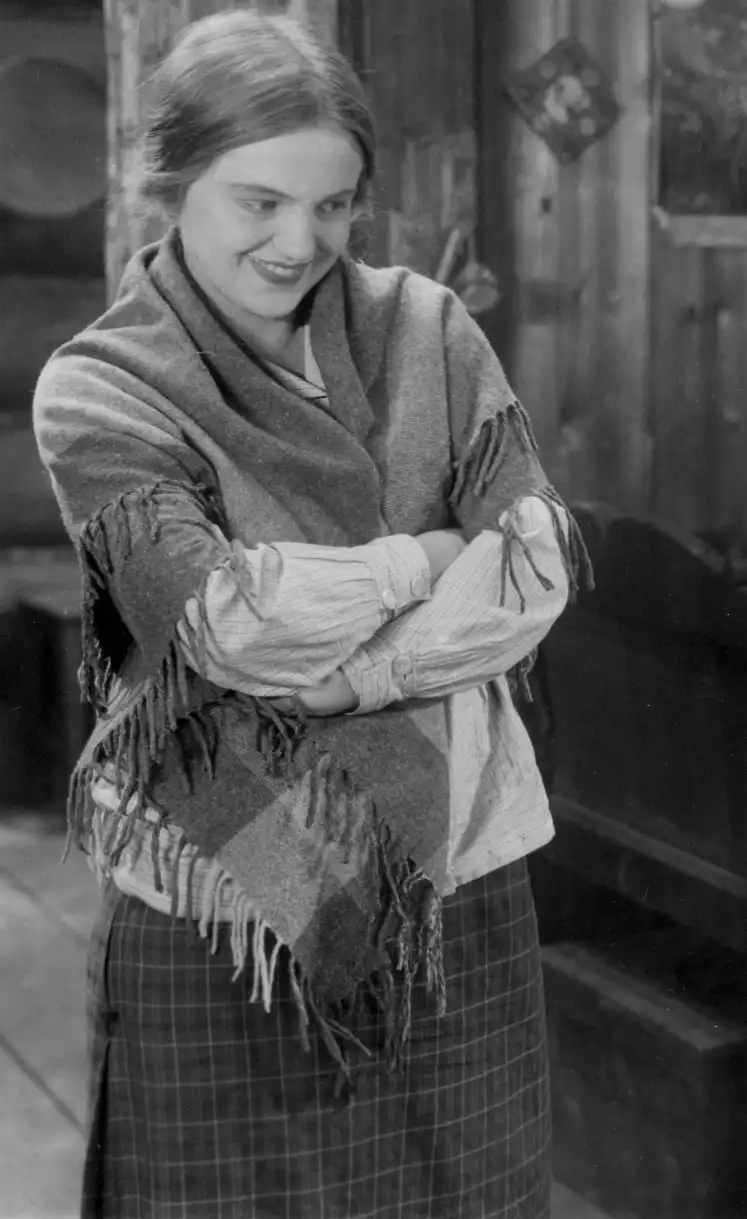
The woman who missed the train—played by Olga Zhizneva—is interesting because she doesn't do much. She’s just a person. She isn't a 'femme fatale' or a victim really. She’s just a lady who messed up her travel plans. The movie doesn't try to make her a hero, which I liked. It’s more realistic that way.
There is a moment where Pavel is trying to explain himself and the camera just stays on his face for way too long. It starts to feel like he’s looking right at you, asking for help. It’s a bit uncomfortable. It reminded me of the intensity you see in The Unknown, though it’s not quite that dark.
The way the gossip spreads is shown in these quick cuts. One person tells another, then another. It’s like a 1920s version of a Twitter thread going viral for all the wrong reasons. You see their faces getting closer to the camera, whispering. It’s gross and perfect.
The movie gets a bit slow in the middle. There is a lot of walking back and forth in the apartment. I think they could have cut about ten minutes of Pavel just looking worried. But then again, maybe that’s the point. He’s trapped in his own home because of what people think.
I found myself getting actually angry at the characters on screen. That doesn't happen often with silents. Usually, they feel a bit distant, like a museum piece. But this one feels alive. It feels like a story that could happen in a college dorm or an office today.
"In Paul's friendly relations with an outside woman, the local philistinism saw a criminal connection."
That quote from the plot summary is the whole movie in a nutshell. It’s about how 'friendly' is never enough for some people. They want drama. They want a 'criminal connection' because their own lives are probably boring.
The lighting in the hallway of the apartment building is really moody. It’s very dark with these sharp pools of light. It feels like a horror movie sometimes. Which I guess it is, if your horror is being judged by your community.
There’s a scene with a teapot that goes on for a while. I don't know why I liked it, but I did. Just the simple act of making tea while your life is falling apart. It felt very human. The way the steam comes out of the spout—it’s the little things.
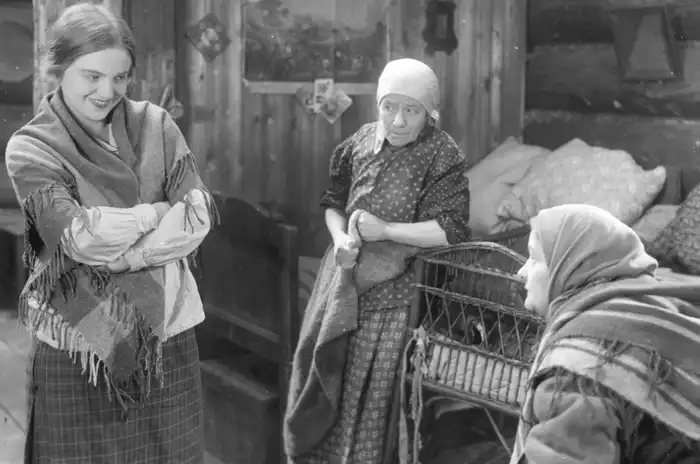
The acting is way more natural than I expected. Usually, in 1929, you still get a lot of people flailing their arms around to show they are sad. Here, it’s mostly in the eyes and the way they slump their shoulders. It’s much more grounded than something like Anniversary of the Revolution which is a totally different kind of film, obviously.
I did notice one guy in the background of a street scene who was definitely staring at the camera. It’s a tiny mistake but it made me laugh. It reminds you that this was just a bunch of people with a big wooden box trying to catch a moment in time.
The ending doesn't feel like a 'big' ending. It doesn't solve the world's problems. It just kind of... stops. It’s a bit of a letdown if you want a big courtroom scene or a huge fight. But it fits the tone. Life doesn't always have a big finale. Sometimes things just get awkward and then they're over.
I think I enjoyed this more than I should have. It’s not a masterpiece that changed cinema forever. It’s just a really solid story about a guy who tried to be a person and got punished for it. We’ve all been there, right? Maybe not with a woman from a train, but you know what I mean.
If you find a copy of this, give it a watch on a rainy Sunday. It’s only about an hour or so. Perfect for when you want to feel a bit cynical about humanity but also appreciate some good old-fashioned filmmaking.
The print I saw was a bit scratchy. It added to the vibe, honestly. Like looking at an old family photo that nobody wants to talk about. The music in the version I watched was a bit loud, so maybe keep your remote close by to turn it down during the 'dramatic' parts.
Anyway, it’s a good one. Check it out.
IMDb —
1933
Community
Log in to comment.