DbcultAccessing Vault...
5.7/10
Senior Film Conservator
A definitive 5.7/10 rating for a film that redefined the boundaries of cult cinema. Masquerade remains a cornerstone of transgressive art.
In the realm of cinema, where the boundaries between reality and fantasy are often blurred, Masquerade presents a fascinating case study. This film, though seemingly a simple narrative on the surface, unfolds into a complex exploration of the human condition, juxtaposing the mundane with the absurd.
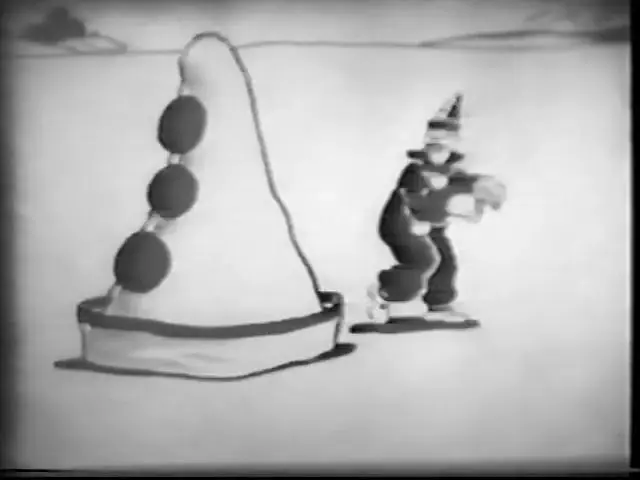
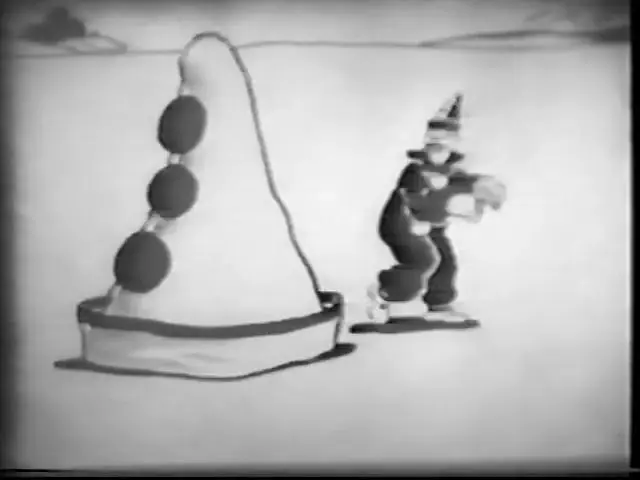
The story begins with Max Fleischer, donning a clown costume for a masquerade party, an act that serves as a catalyst for his journey into the world of Ko-Ko, a cartoon character known for his antics. This transition from the real to the fantastical is not just a plot device but a thematic exploration of the fluidity of reality and the escapism offered by fantasy.
As Max navigates Ko-Ko's cartoon world, he is subjected to a series of humiliating and hilarious situations. These events, while entertaining, serve as a commentary on the fragility of the human ego and the adaptability required in the face of the unexpected. Ko-Ko's actions, driven by a desire for entertainment, highlight the often cruel nature of amusement and the consequences of being an outsider in an alien world.
The dynamic between Max and Ko-Ko can be seen as a metaphor for the relationship between the audience and the media they consume. Just as Ko-Ko derives pleasure from Max's misfortunes, audiences often find entertainment in the struggles of fictional characters. This parasitic relationship raises questions about the ethics of entertainment and the responsibilities that come with creative power.
In analyzing Masquerade, it's essential to consider other works that explore similar themes. Films like The Crow's Nest and Három hét offer insights into the human condition through different lenses. The Crow's Nest, with its focus on isolation and the psychological effects of confinement, provides a stark contrast to the whimsical nature of Masquerade. On the other hand, Három hét explores themes of love and societal expectations, offering a more grounded perspective on human experiences.
The film's use of visual and comedic elements to explore these themes is noteworthy. The stark contrast between the black-and-white reality of Max's world and the vibrant, colorful realm of Ko-Ko serves as a visual representation of the film's thematic concerns. This juxtaposition not only highlights the absurdity of Max's situation but also underscores the idea that reality and fantasy are constructs, subject to the whims of perception and creativity.
Furthermore, Masquerade can be compared to Luffar-Petter in its use of comedic elements to critique societal norms. While Luffar-Petter uses humor to comment on class and social status, Masquerade employs comedy to explore the dynamics of power and entertainment. This comparison highlights the versatility of comedy as a tool for social commentary and critique.
In addition to its thematic depth, Masquerade is also notable for its influence on later works. Films such as The On-the-Square Girl and The Champeen owe a debt to Masquerade in their exploration of reality and fantasy. These films, while distinct in their narratives, share a common concern with the boundaries between the real and the imaginary, a concern that is central to Masquerade.
The film's exploration of the human condition, through the lens of a fantastical narrative, offers a poignant reminder of the complexities of human experience. It suggests that, even in the most absurd of circumstances, there lies a deeper truth about our existence and our relationship with the world around us.
In conclusion, Masquerade is a film that defies simple categorization. It is at once a humorous tale of a man's misadventures in a cartoon world and a profound exploration of the human condition. Through its use of visual and comedic elements, Masquerade offers a nuanced exploration of reality and fantasy, highlighting the fluid boundaries between the two and the insights they offer into human nature.
Ultimately, Masquerade challenges its audience to reflect on their perceptions of reality and fantasy, and the ways in which these constructs shape our understanding of the world. In doing so, it invites us to consider the implications of our own relationship with media and entertainment, and the responsibilities that come with creative power.
The film's legacy can be seen in its influence on later works, such as The Runaway and The College Orphan, which continue to explore the themes of reality and fantasy. The Runaway, with its focus on the consequences of escapism, and The College Orphan, with its exploration of identity and reality, both owe a debt to Masquerade in their thematic concerns.
In the context of cinematic history, Masquerade occupies a unique position, bridging the gap between early experimental films and later narrative-driven works. Its influence can be seen in films like The Stork's Mistake and Three Strikes, which continue to explore the possibilities of visual storytelling.
The film's use of visual elements, such as color and composition, adds depth to its narrative. The vibrant colors of Ko-Ko's world serve as a stark contrast to the black-and-white reality of Max's world, highlighting the absurdity of his situation.
In analyzing Masquerade, it's also worth considering the cultural and historical context in which it was made. The film's exploration of reality and fantasy can be seen as a commentary on the societal norms of the time, offering a unique perspective on the human condition.
Films like Solskinsbørnene and Die Legende von der heiligen Simplicia offer a glimpse into the diverse ways in which filmmakers have explored the human condition. While these films differ in their narratives and themes, they share a common concern with the complexities of human experience.
The story of Masquerade serves as a reminder that, even in the most unexpected and absurd of circumstances, there lies a deeper truth about our existence and our relationship with the world around us. It is a film that challenges its audience to reflect on their perceptions of reality and fantasy, and the ways in which these constructs shape our understanding of the world.

IMDb 6.3
1922
Community
Log in to comment.