DbcultAccessing Vault...
Cult Review
Senior Film Conservator
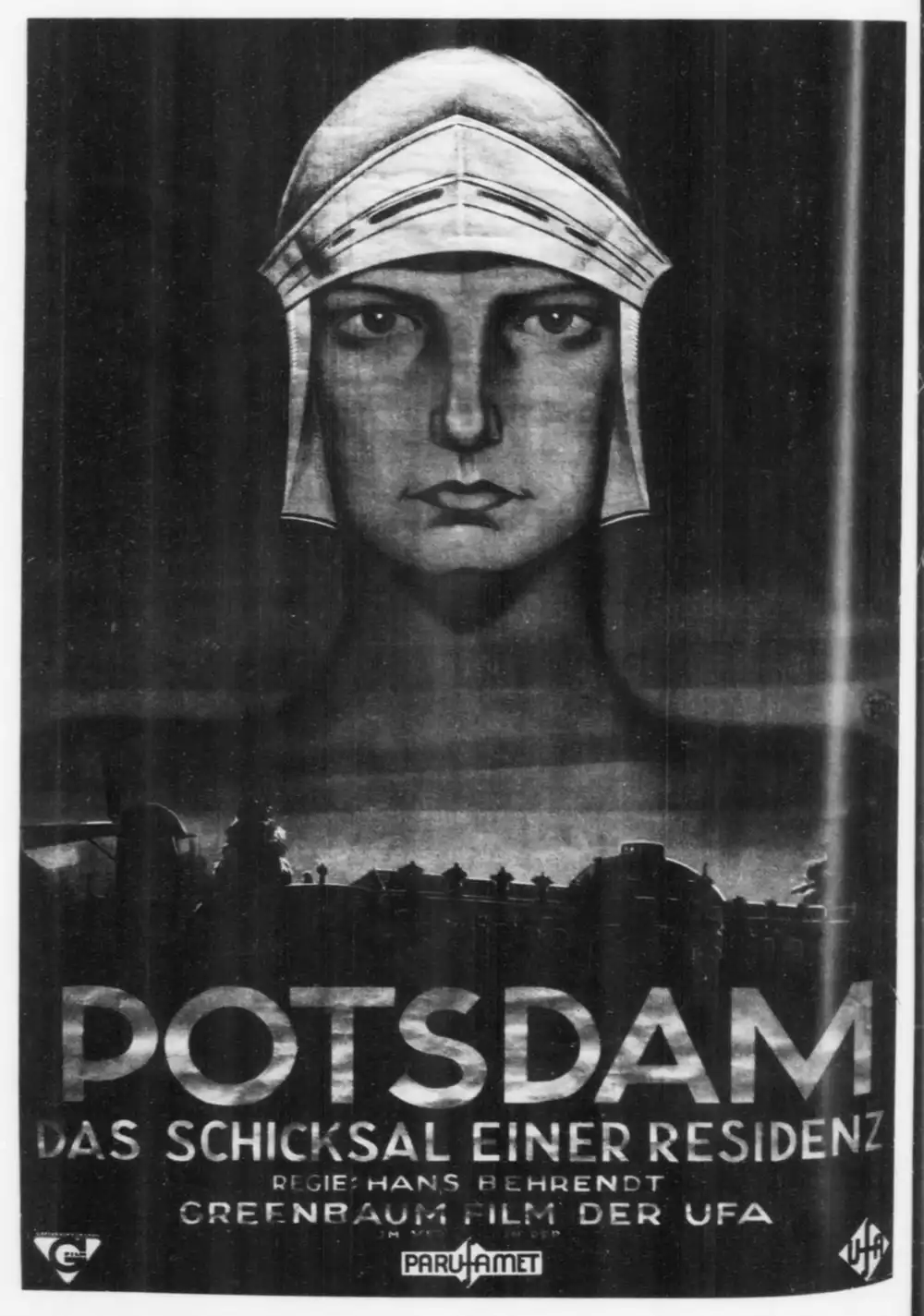
No, not for most viewers. While 'Potsdam, das Schicksal einer Residenz' offers a glimpse into a specific moment in German cinema, its dramatic inertia and often stilted performances make it a challenging watch for anyone not deeply invested in silent film history or the specific context of Weimar-era German identity struggles. This is a film for the dedicated scholar, the patient archivist, or the regional historian, not the casual film enthusiast seeking an engaging narrative.
This film works because it attempts to imbue a city with a character, reflecting its historical transition through human drama, however imperfectly. It fails because its ambition consistently outstrips its execution, resulting in a narrative that feels both overstuffed and dramatically thin. You should watch it if your interest lies primarily in the historical depiction of Potsdam or the early conventions of German silent cinema, and you possess a high tolerance for slow pacing and melodramatic acting. Skip it if you're looking for compelling storytelling, nuanced character work, or anything resembling emotional propulsion.
'Potsdam, das Schicksal einer Residenz' arrives with the weight of its title, promising a grand exploration of a city and its people at a pivotal moment. Hans Behrendt's direction, however, often feels less like an interpretation and more like a dutiful transcription. The film strives for epic scope, attempting to weave personal anxieties with national identity, but the threads frequently tangle. What we get is a series of tableaux, some visually striking, others merely functional, that rarely coalesce into a cohesive emotional statement.
The performances are a mixed bag, typical of the silent era's varying approaches to screen acting. Mathias Wieman, as the idealistic Friedrich, brings a certain earnestness, his wide-eyed expressions often doing the heavy lifting for emotional states the script struggles to articulate. He’s certainly more engaging than Paul Otto's Baron von Hardenberg, whose portrayal veers into a kind of stoic resignation that borders on theatrical paralysis. Otto spends much of his screen time simply looking grave, a performance choice that quickly exhausts its dramatic utility. Christa Tordy, as the progressive architect Lena, exudes a quiet strength, but her character is mostly an idea rather than a fully formed person, a symbol of the new rather than an active agent.
Visually, the film leans heavily on the inherent beauty of Potsdam itself. We see the palaces, the tree-lined avenues, the architecture that defines the city. These locations are undoubtedly the film's strongest asset. Behrendt often frames these settings with a respectful, almost reverential distance. But this respect often translates into a static camera, content to observe rather than engage. There's a particular sequence where Friedrich and Lena discuss their visions for the city, framed against an impressive backdrop, and the camera barely moves. It’s a missed opportunity to inject dynamism into a dialogue that is, by its nature, about movement and change.
The pacing is deliberate, to put it mildly. Silent films often require a different kind of patience, but 'Potsdam' stretches that patience thin. The narrative frequently stalls, dwelling on moments of contemplation or unspoken tension that, without sufficient character development or visual flair, simply become inert. The intertitles, while informative, carry too much of the story's burden, telling us what the visuals or performances fail to convey. It feels like a story that was perhaps better suited for a novel, where internal monologues could flesh out the motivations that remain frustratingly opaque on screen.
One debatable opinion: the film’s central romantic entanglement between Friedrich and Lena feels entirely manufactured, a convenient narrative device to bridge the old and new rather than a genuine connection. Their scenes together lack any palpable chemistry, relying instead on the conventional silent film trope of longing glances and dramatic hand gestures. Compare this to the more naturalistic, albeit still theatrical, romantic beats in something like The Lotus Dancer, and 'Potsdam' feels distinctly undercooked in this regard. The film is so preoccupied with its symbolic weight that it forgets to make its human drama believable.
Another point of contention: the film struggles to articulate the true 'fate' of Potsdam beyond a vague sense of transition. It hints at the decline of the aristocracy and the rise of a new Germany, but these shifts are presented more as background noise than as truly impactful forces shaping the characters' immediate lives. The dramatic stakes, despite the grand historical canvas, remain surprisingly low. It’s hard to feel the weight of a city’s destiny when the characters themselves often feel like ciphers, acting out prescribed roles rather than living them.
The film's ambition to portray a city's soul is admirable, but Behrendt's execution is too often mired in the theatrical conventions of its time, without transcending them. There are moments of stark beauty, particularly in the exterior shots, but these are often isolated. The interior scenes, by contrast, frequently feel cramped and stage-bound, further highlighting the disconnect between the film's grand ideas and its practical limitations. It’s a film that promises a symphony but delivers a series of somewhat disjointed movements.
'Potsdam, das Schicksal einer Residenz' is a film that demands more patience than it often rewards. Its historical intentions are clear, and its use of real locations provides a certain archival interest. However, as a piece of dramatic storytelling, it largely falls flat. The characters struggle to break free from their symbolic roles, the pacing is a test of endurance, and genuine emotional stakes are rarely established. It exists as a curiosity, a document of its era, rather than a compelling cinematic experience. For serious students of silent German cinema, it's worth a look, but for anyone else, its 'fate' is likely to be a quick trip to the 'stop' button.
IMDb 6.8
1927
Community
Log in to comment.