DbcultAccessing Vault...
5/10
Senior Film Conservator
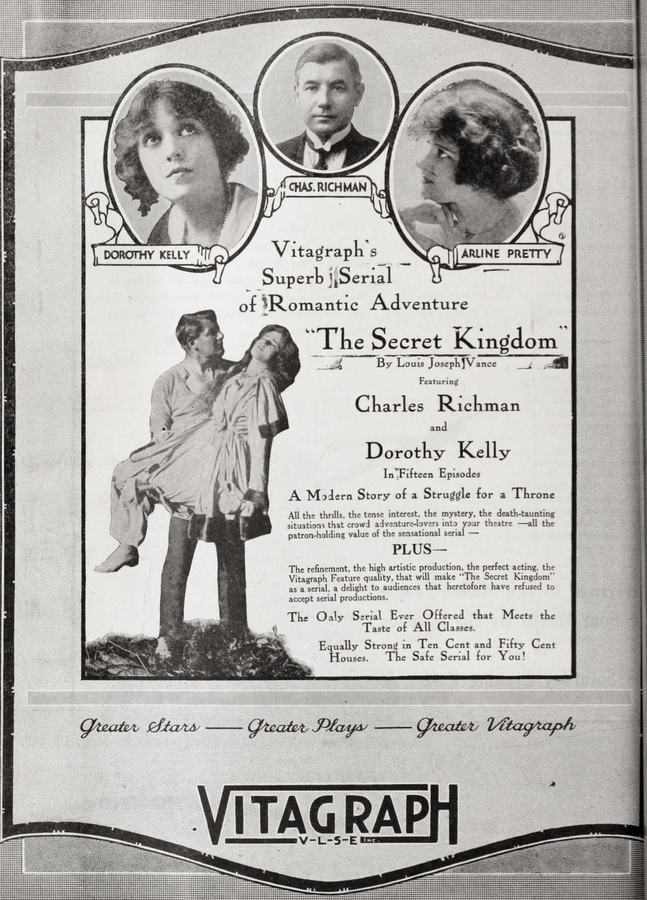
A definitive 5/10 rating for a film that redefined the boundaries of cult cinema. The Secret Kingdom remains a cornerstone of transgressive art.
Stepping back into the nascent days of cinematic storytelling, 1916’s The Secret Kingdom unfurls a narrative tapestry rich with the classic threads of royal intrigue, betrayal, and a desperate fight for survival. This silent epic, penned by Basil Dickey and Louis Joseph Vance, plunges us into the fictional realm of Alania, a kingdom teetering on the precipice of political upheaval, its fate hanging by the slenderest of threads. It’s a compelling testament to the power of early filmmaking, demonstrating an impressive capacity for crafting complex plots and evocative character arcs without the benefit of spoken dialogue. The film doesn't merely present a story; it invites the viewer to decipher the intricate dance of expressions, gestures, and intertitles, immersing them in a world where every glance holds a secret, every hurried movement a potential consequence.
At the heart of Alania's impending turmoil is Prime Minister Simond, portrayed with a chilling blend of cunning and ambition. His character serves as the quintessential antagonist, a man whose desire for power eclipses all moral bounds. Simond doesn't merely covet the throne; he meticulously engineers its vacancy. Recognizing King Phillip II's precarious financial standing, he shrewdly manipulates the monarch into sanctioning an 'obnoxious tax bill.' This isn't a mere fiscal policy; it's a strategic weapon, designed to sow seeds of discontent among the populace and isolate the King from his subjects. The brilliance of this initial gambit lies in its subtlety: Simond doesn't immediately strike with overt force; he first undermines the very foundation of the King's legitimacy. It’s a masterclass in political puppetry, setting the stage for the dramatic, tragic events that are to follow. The way this plot unfolds, with its layers of deception and calculated moves, might remind one of the intricate machinations found in later, more verbose thrillers, demonstrating that even in the silent era, screenwriters were adept at weaving intricate webs of deceit.
With the King's popularity at an all-time low, Simond seizes his opportune moment. The royal forests, typically a sanctuary for leisure and sport, become the backdrop for a heinous act of regicide. King Phillip II and Queen Alize are brutally assassinated, an act orchestrated by Simond to remove the immediate obstacles to his illicit ascension. The film portrays this pivotal moment with a stark gravity, relying on visual cues and the audience's understanding of the profound implications. The swiftness and brutality of the act underscore Simond's ruthlessness, leaving no doubt as to the depth of his depravity. This scene is not just a plot point; it's a gut punch, transforming the political drama into a high-stakes thriller. The sense of vulnerability and sudden violence echoes themes found in other period dramas involving court intrigue, such as the grand narratives of Graustark, though The Secret Kingdom leans into a darker, more perilous interpretation of royal life.
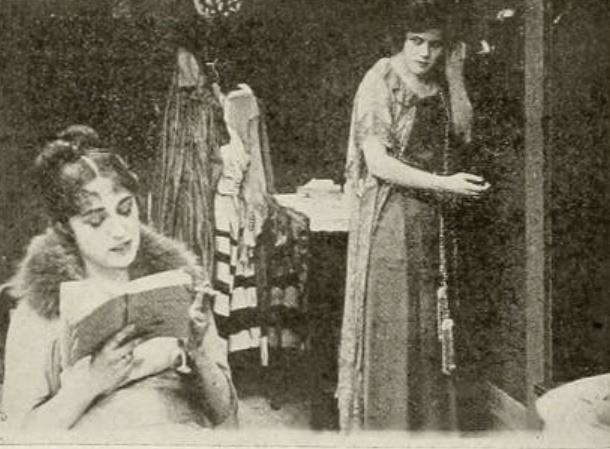
Amidst the chaos and despair, a beacon of unwavering loyalty emerges in Captain Barreto, commander of the Alanian palace guard. Portrayed by Robert Whitworth, Barreto is a man of integrity, a true friend to the fallen King Phillip II. His quick intellect allows him to immediately grasp Simond's dastardly plot. The moment he overhears Simond issue the order for the apprehension of the little Crown Prince – the last remaining impediment to the usurper's complete control – Barreto's resolve hardens. His swift action isn't just a duty; it's a deeply personal act of defiance against tyranny. He dashes off with the young Prince, embarking on a perilous journey to America. This act of heroism is the turning point, shifting the narrative from one of pure tragedy to a thrilling tale of escape and potential redemption. The urgency and danger of Barreto's flight are palpable, reminiscent of the desperate struggle for survival seen in films like The Deserter, where the stakes are life and death, and every decision carries immense weight.
The escape itself is fraught with danger, a testament to Barreto's ingenuity and courage. With the aid of a humble fisherman named Juan, they navigate the treacherous path to America, a land symbolizing freedom and a temporary sanctuary from Alania's political turmoil. This transatlantic voyage, though perhaps depicted with the practical limitations of early cinema, carries immense symbolic weight. It represents a severance from the old world of betrayal and a fragile hope for the future. Crucially, Barreto, ever the strategist, doesn't sever all ties. He arranges with Juan to maintain a clandestine communication link with Juan's brother, Lieutenant Jarreto, who remains in Alania. This detail is vital, establishing a narrative bridge for future episodes and hinting at the long game of resistance and eventual reclamation. It's a clever plot device that not only adds realism to the escape but also builds anticipation for the unfolding drama, showcasing the foresight of the screenwriters, Basil Dickey and Louis Joseph Vance. Such intricate planning for future developments was a hallmark of serials during this period, keeping audiences eagerly awaiting the next installment.
Back in Alania, Simond wastes no time consolidating his ill-gotten power. He proclaims himself Prince Regent, a title that carries a veneer of legitimacy while masking his tyrannical ambition. His first official act is a bold, cynical bid for popularity: he rescinds the very obnoxious tax bill he so carefully engineered. This move is a stroke of Machiavellian genius, designed to instantly win over a disillusioned populace, presenting himself as their savior rather than their oppressor. It’s a chilling demonstration of how easily public opinion can be swayed by superficial gestures, a theme that resonates even today. The film, through its silent narrative, effectively conveys the duplicity of Simond’s character, making him a truly memorable villain. His actions here echo the insidious nature of political corruption explored in films like Sins of Great Cities, where the powerful manipulate the masses for their own nefarious ends, often under the guise of public service.
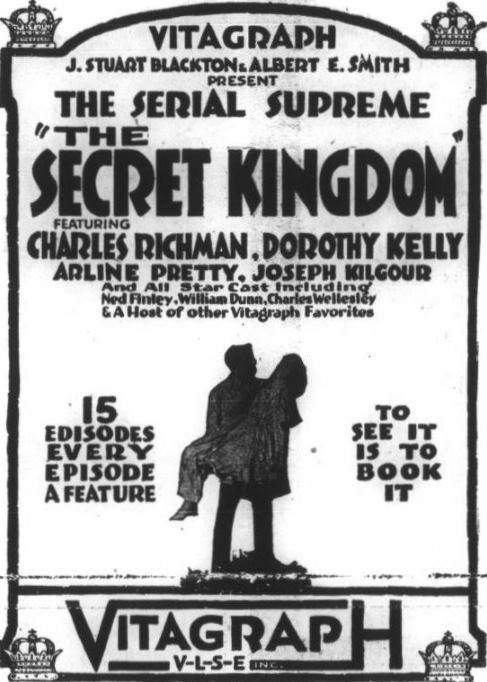
The performances in The Secret Kingdom are, by necessity, highly expressive. Actors like Robert Whitworth as Barreto and Charles Wellesley as Simond rely on exaggerated gestures, facial contortions, and body language to convey emotions ranging from profound loyalty to sinister malevolence. This is the essence of silent film acting, a craft that demands a different kind of intensity and precision. Whitworth's portrayal of Barreto is particularly noteworthy, embodying a stoic heroism that grounds the dramatic events. Arline Pretty and Dorothy Kelly, though perhaps with less screen time in this initial episode, contribute to the emotional landscape, their presence hinting at further complexities to unravel. The pacing of 'Land of the Intrigue' is brisk, never allowing the audience to linger too long before the next dramatic development. This keeps the tension high, a crucial element for a serial designed to leave viewers eager for the next installment. The visual storytelling, despite its limitations, manages to create a compelling sense of urgency and despair, punctuated by moments of defiant hope.
Beyond the thrilling plot, The Secret Kingdom delves into timeless themes. Loyalty, epitomized by Barreto's unwavering devotion to the Crown and the fallen King, stands in stark contrast to Simond's ultimate betrayal. The film explores the corrupting influence of unchecked power and the fragility of justice in a world where might often makes right. Yet, it also champions resilience, the enduring spirit of resistance embodied by Barreto's desperate flight and his determination to protect the rightful heir. The narrative, even in its early stages, suggests a broader struggle between good and evil, a fight not just for a throne, but for the very soul of Alania. This moral clarity, while perhaps simplistic by modern standards, was a powerful draw for audiences of the era, offering a clear distinction between hero and villain. The underlying message of hope in the face of overwhelming odds gives the film an emotional depth that transcends its silent format, making it more than just an adventure story.
As a product of 1916, The Secret Kingdom offers a fascinating window into the craftsmanship of early cinema. The use of intertitles to convey dialogue and crucial plot information is expertly managed, never feeling intrusive but rather guiding the audience through the intricate narrative. The cinematography, while lacking the sophisticated techniques of later eras, effectively captures the drama, from the grandeur of the royal court to the urgency of the escape. The collaboration between writers Basil Dickey and Louis Joseph Vance evidently resulted in a tightly structured plot, designed to keep audiences captivated through multiple installments. The film’s ability to build suspense and character without spoken words is a testament to the ingenuity of its creators and the inherent power of visual storytelling. It's a reminder that even in its infancy, cinema was capable of delivering complex narratives with profound emotional resonance, proving that a compelling story transcends the medium's technological limitations. Comparing it to contemporary works like Chains of the Past or The War Bride's Secret, one can appreciate the shared ambition to tell dramatic, human-centric stories, even if the specific plots differed. The ingenuity of constructing a multi-part narrative, maintaining engagement across episodes, was a significant challenge that The Secret Kingdom tackles with considerable success.
The enduring appeal of stories involving royalty, political machinations, and heroic defiance is clearly demonstrated in The Secret Kingdom. Even over a century later, the themes explored – the corrupting nature of power, the strength of loyalty, the desperation of a refugee, and the fight for rightful succession – remain profoundly relevant. This film, as the first episode of what promises to be a gripping serial, lays down a robust foundation for a sprawling epic. It successfully establishes a compelling villain, a noble hero, and a high-stakes conflict that leaves the audience yearning for the next chapter. The journey of the young Crown Prince, under Barreto's protection, is more than just a physical escape; it's a symbolic carrying of Alania's future, a fragile hope against overwhelming odds. The initial installment sets a formidable precedent for tension and dramatic development, suggesting that the 'secret kingdom' might not just refer to a geographical place, but to the hidden truths and loyalties that will ultimately determine its destiny. It’s a compelling piece of early cinema that proves the power of a well-told story, regardless of the technological constraints of its time, capturing the imagination with its blend of historical romance and thrilling adventure. This intricate dance of power and resistance, of hidden plots and open defiance, ensures its place as a fascinating artifact of its era, and a compelling watch even today for those appreciative of the roots of cinematic drama.
IMDb —
1923
Community
Log in to comment.