DbcultAccessing Vault...
Cult Review
Senior Film Conservator
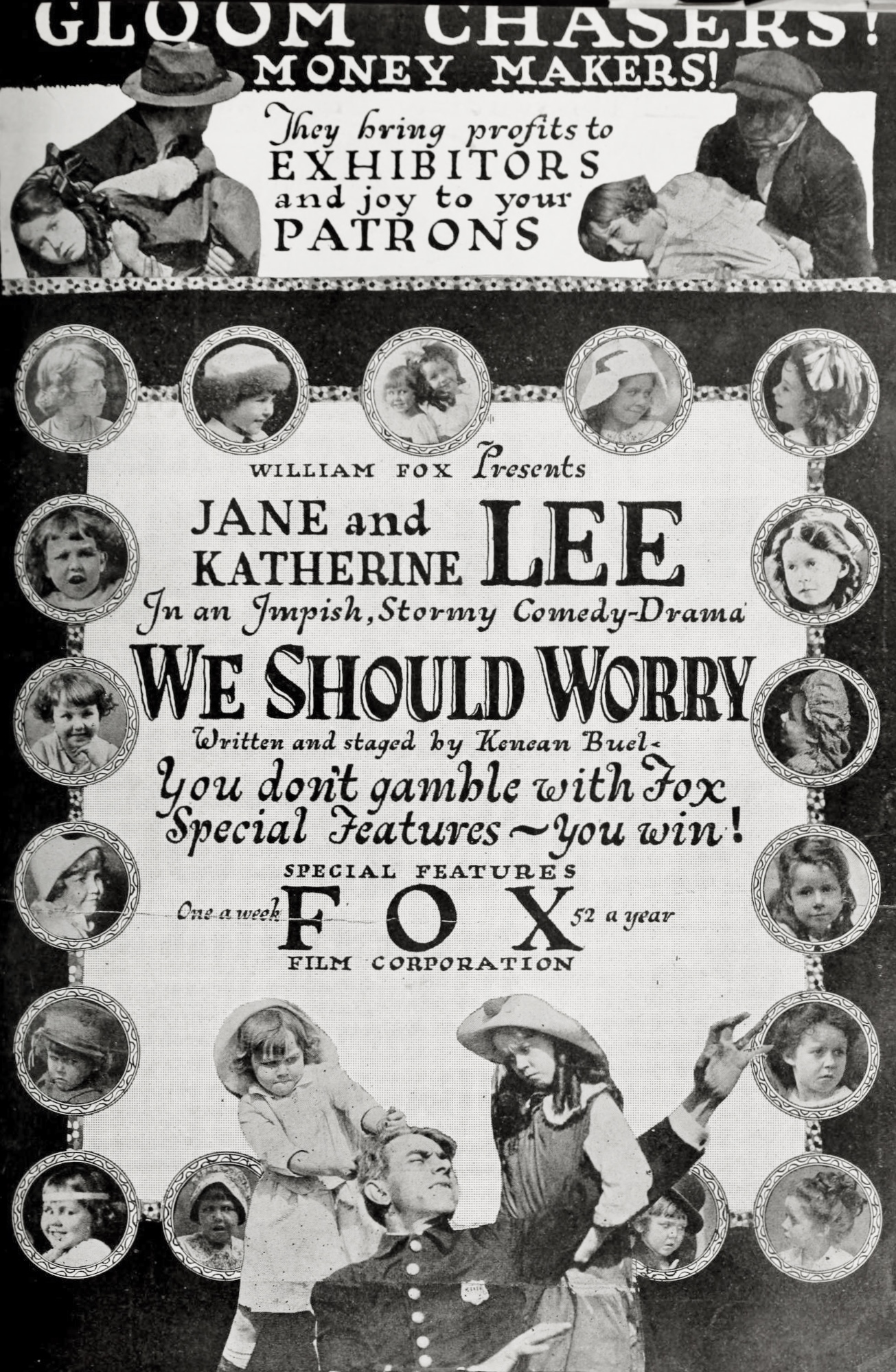
In the pantheon of silent cinema, few figures commanded the screen with the unadulterated, anarchic energy of the Fox "Baby Grands," Jane and Katherine Lee. To revisit their 1918 vehicle, We Should Worry, is to witness a fascinating inflection point where Victorian sentimentality collided with the burgeoning slapstick sensibilities of the Jazz Age. Directed with a nimble hand by Kenean Buel, this film is not merely a relic of a bygone era but a sophisticated exercise in narrative subversion, framing the child as a master of the domestic and criminal domain.
While many child actors of the period were relegated to roles of saccharine innocence—think of the waifs often found in The Royal Pauper—the Lee sisters operated on an entirely different frequency. They were the architects of their own destiny, possessing an almost Nietzschean will to power that manifested through elaborate pranks and psychological warfare. In We Should Worry, their characters are not passive observers of their Aunt Ashton’s romantic life; they are the ultimate gatekeepers.
The chemistry between Jane and Katherine is palpable, a synchronized performance that suggests a secret language between the two. Their rejection of the dandyish Percival Gilpatrick (played with a delightful, oily charm by Henry Clive) is not rooted in mere infantile whim, but in a profound, almost instinctual recognition of moral bankruptcy. It is this discernment that elevates the film above standard melodrama. Like the protagonists in Adventures of Carol, these children are the most competent adults in the room.
Percival Gilpatrick represents a classic archetype of the silent era: the predatory social climber. His pursuit of Miss Ashton (the ethereal Rubye De Remer) is framed through a lens of predatory capitalism. Gilpatrick is not merely a suitor; he is a parasite. The film’s tension arises from the audience’s awareness of his criminal double-life, a trope that Buel handles with more nuance than one might expect. Unlike the overt villainy found in The Master Mind, Gilpatrick’s menace is hidden behind a veneer of sartorial elegance and performative gallantry.
The introduction of the henchmen, Mike and Bill, provides a necessary tonal shift. These are not the hardened criminals of a noir landscape but are instead characters of a more Dickensian mold—bumbling, easily intimidated, and ultimately outmatched by the children they are tasked to kidnap. The sequence in the cellar is arguably the film’s centerpiece. It is a masterclass in spatial comedy, utilizing the claustrophobic setting to amplify the absurdity of the situation. The children’s torment of their captors is rendered with a glee that borders on the transgressive, foreshadowing the "Home Alone" tropes of the late 20th century by several decades.
Kenean Buel’s direction in We Should Worry displays a keen understanding of the visual language of silent comedy. The pacing is relentless, yet Buel allows for moments of quiet characterization that ground the farce. His use of deep focus in the interior scenes at the Ashton estate allows the Lee sisters to exist in the periphery of the adult drama, constantly reminding the viewer that they are the true observers of the plot. This technique is far more advanced than the flat staging seen in contemporary works like One Hundred Years Ago.
"The camera becomes a co-conspirator with the children, capturing their mischievous glances and surreptitious movements with a clarity that emphasizes their dominance over the narrative space."
Furthermore, the transition from the domestic comedy of the first two acts to the high-stakes bank robbery of the finale is handled with surprising fluidity. Buel manages to maintain the stakes without losing the whimsical tone established by the sisters. The bank heist itself is a marvel of early action editing, utilizing cross-cutting to build suspense as the children assist the police. It lacks the gruesome intensity of modern slashers like Friday the 13th, but it possesses a rhythmic tension that is purely cinematic.
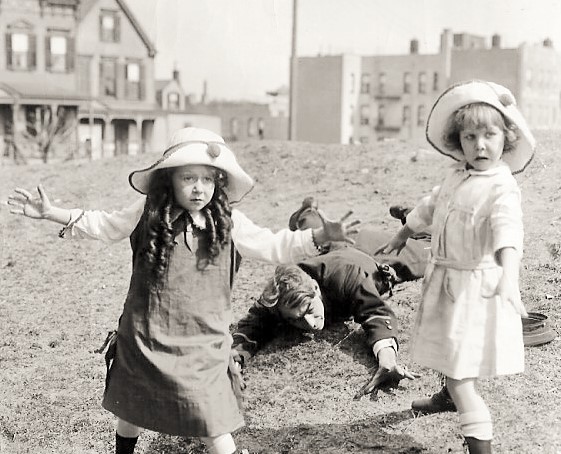
At its heart, We Should Worry is a story about the restoration of the status quo. The Aunt’s eventual marriage to Jack Fenton (William Pike) is the expected resolution, but the path to this union is paved with the wreckage of Gilpatrick’s false persona. The film subtly critiques the vulnerability of the upper class to charismatic charlatans, a theme that resonates with other Fox productions like Heiress for a Day. Miss Ashton’s initial blindness to Gilpatrick’s true nature serves as a cautionary tale about the superficiality of social graces.
Rubye De Remer brings a soft, luminescent quality to the role of the Aunt, providing a perfect foil to the sharp, energetic performances of the children. Her character’s journey from being the object of Gilpatrick’s deception to finding true happiness with Fenton is the emotional anchor of the film. However, it is the children’s agency that facilitates this happy ending. They are the ones who see through the "invisible enemy" of social deception—a concept explored in a much darker vein in The Invisible Enemy.
Why does We Should Worry remain relevant to the modern cinephile? Beyond its historical value as a Fox Film Corporation artifact, it offers a refreshing antidote to the sanitized child characters of contemporary media. The Lee sisters were not merely "cute"; they were formidable. They possessed a level of autonomy that is often stripped from children in film today. Their ability to navigate the worlds of romance, kidnapping, and grand larceny with equal aplomb is a testament to the creative freedom afforded to writers like Kenean Buel during this era.
The film also stands as a fascinating comparison to other genre pieces of its time. While Keith of the Border focused on the rugged individualism of the frontier, We Should Worry explores a different kind of frontier: the domestic landscape where children must protect their families from the encroaching rot of urban criminality. It shares a certain DNA with The Single Code in its exploration of moral integrity, though it approaches the subject with a much lighter, more comedic touch.
Technically, the film is a triumph of the 1918 aesthetic. The cinematography captures the opulence of the Ashton estate with a clarity that highlights the intricate set designs. The use of intertitles is sparse but effective, allowing the visual storytelling to carry the weight of the narrative. This is a film that trusts its audience to interpret the glances, the gestures, and the physical comedy without constant textual hand-holding. It is a far cry from the heavy-handed moralizing found in Her One Mistake.
The score—though often lost or reconstructed for modern viewings—would have played a crucial role in distinguishing the different narrative modes. The shift from the whimsical, staccato themes of the children’s pranks to the more ominous, minor-key motifs of the bank robbery creates a dynamic auditory experience. Even in its silent form, the film’s visual rhythm suggests a musicality that is infectious.
In conclusion, We Should Worry is a vital piece of cinema history that deserves a prominent place in the discussion of early American comedy. It showcases the Lee sisters at the height of their powers, directed by a man who understood how to balance the absurd with the dramatic. It is a film about the power of observation, the importance of family, and the sheer, unadulterated joy of causing a little bit of trouble in the name of a good cause.
Whether you are a scholar of the silent era or a casual viewer looking for a glimpse into the past, this film offers a wealth of entertainment. It is a reminder that even in 1918, cinema was already exploring complex ideas about childhood, class, and the nature of deception. It stands tall alongside other classics like Evidence and Silver Threads Among the Gold, yet it possesses a unique, anarchic spirit that is entirely its own. We should not worry about the legacy of such a film; its brilliance is self-evident.
A quintessential example of the Fox Film Corporation's golden era and a definitive showcase for the Lee sisters.
IMDb 6.1
1919
Community
Log in to comment.