DbcultAccessing Vault...
4.4/10
Senior Film Conservator
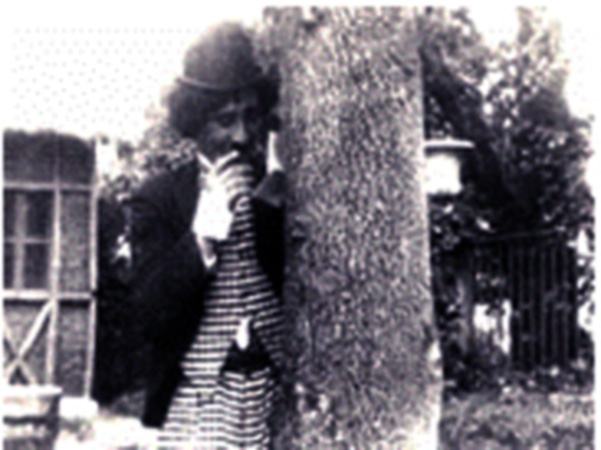
A definitive 4.4/10 rating for a film that redefined the boundaries of cult cinema. Pratas Conquistador remains a cornerstone of transgressive art.
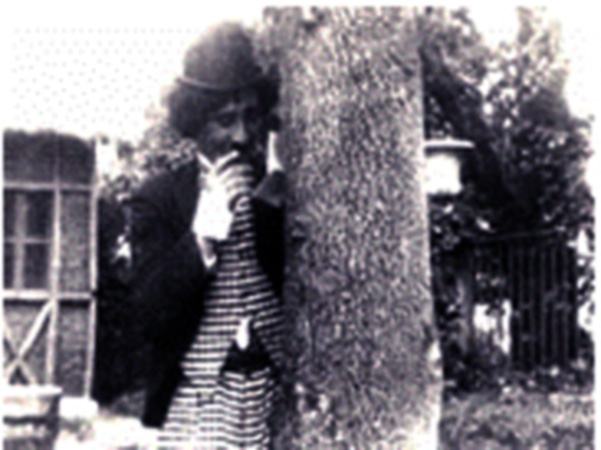
There’s a moment—blink and you’ll miss it—when Pratas, derby tilted like a tipsy sundial, balances on the rim of Lisbon’s Elevador de Santa Justa, silhouetted against a bruise-purple dusk. The camera, drunk on vertigo, peers down six storeys of wrought-iron lacework; below, the city is a mosaic of azulejos and gaslight. His left eye, inflamed to a pomegranate seed, twitches once: a Morse code of panic. Then gravity reclaims him and he cartwheels into the void, coattails fluttering like broken umbrellas. That single, lunatic image distills the entire anarchic soul of Pratas Conquistador—a 1926 Portuguese one-reeler that most cinephiles have never heard of, yet one that pirouettes through the subconscious like a half-remembered circus nightmare.
Shot on volatile nitrate so thin you could read a love-letter through it, the film survived only because a retired projectionist in Sintra used the reels as draught excluders for forty winters. When the nitrate was finally discovered, it resembled a fossilized jellyfish; restoration required Swiss labs, X-ray spectrograms, and a grant large enough to ransom a duke. The resulting 2K scan still bubbles with ectoplasmic scratches, but every scuff feels like a bruise kissed by time. Watching it is akin to inhaling the perfume of a century-old cabaret—acrid, carnal, laced with lavender.
The plot, if one insists on such bourgeois scaffolding, is a daisy-chain of catastrophes: Pratas arrives by tram with a suitcase full of counterfeit sardine tins, attempts to seduce a widow by mimicking a matador, inadvertently detonates a crate of firecrackers intended for Saint Anthony’s procession, and ends up sprinting through the Alfama while clutching a stolen mannequin leg. The red eye is both literal—gunpowder shard—and metaphorical: Lisbon herself bloodshot by poverty, colonial guilt, and the saudistic urge to laugh at despair. Directors Emídio Ribeiro Pratas (who also plays the lead under the pseudonym Trindade Junior) and Aníbal Aguiar refuse to tether the gags to cause-and-effect; instead, cause explodes into effect like a custard pie laced with dynamite.
Comparisons to Chaplin are inevitable, yet reductive. Chaplin’s tramp is a poet of hunger, forever seeking hearth and home; Pratas is a flaneur of chaos, allergic to stasis. Where Chaplin’s set-pieces unfold like Bach fugues—precise, symmetrical—Pratas stitches together jump-cuts, irises, and superimpositions that feel Cubist. In one gag, he attempts to pawn a brass rooster; the pawnbroker’s face dissolves into the rooster’s, which crows at the audience, shattering the fourth wall like a hurled chamber-pot. Surrealism before Buñuel, meta-cinema before Duck Amuck.
The film’s gender politics skew rowdy but sly. When Pratas disguises himself as a suffragette to evade police, he struts past a kiosk plastered with Your Girl and Mine: A Woman Suffrage Play. The moment is a wink: Portuguese women would wait another four decades for suffrage, yet here the cross-dressing prank becomes both mockery and mirror. Later, he flirts with a fishwife whose left hook sends him sprawling; the camera lingers on her biceps, glistening like bronze. No mere foil, she’s the closest thing Lisbon offers to a Marriage Bond breaker—emancipation via uppercut.
Visually, the city is a labyrinth of peeling azulejos, laundry strung like prayer flags, and trams that screech like gulls. Cinematographer Fernando Domingos shoots dawn at f/16, turning the Tagus into liquid mercury; by dusk he opens wide, lets shadows bleed into ochre. The grain is coarse, almost tactile—you want to run your palm across the screen to feel the salt-spray. Intertitles, hand-painted on cardboard, arrive in fractured English: “The constable’s moustache trembles like a virgin who has seen the sea.” They’re less exposition than haiku, splattered with absinthe.
Sound? There never was any. Yet silence here clamors. During the firecracker melee, the absence of bangs feels perverse; you begin to hallucinate detonations, as if your own synapses are lighting fuses. Contemporary screenings often pair the film with live fado guitar, but I prefer the vacuum—let the red eye throb in mute testimony. When the final intertitle reads “Fugiu!” (“He fled!”), the word lingers like gunsmoke, an existential punchline.
Performances oscillate between commedia bravado and proto-method naturalism. Pratas/Trindade Junior has the elastic body of a marionette whose strings are jerked by epileptic angels; his eyebrows semaphore semaphore, his knees converse with gravity. Aníbal Contreiras, as the lead gendarme, sports a moustache so waxed it could slice prosciutto. Watch how his pupils dilate whenever Pratas escapes—lust masquerading as law. They share a homoerotic tension worthy of A Modern Mephisto, though neither will admit it under the confessional’s velvet curtain.
Restoration-wise, the 2022 Lisbon Cinematheque release is revelatory. Digital artisans removed 90 % of the vertical scratches yet retained the cigarette-burn gatefolds; contrast curves were massaged to preserve candle-flame hilites without turning shadows into inkwells. The optional Portuguese-English subtitle track is cheeky—“Oh meu Deus, a polícia!” becomes “Ye gods, bacon-tormentors!”—but can be toggled off for purists. Extras include a 14-page PDF essay on colonial undercurrents (the counterfeit sardine tins bear the logo of a company that plundered Angola), plus a commentary track by a grandson of the original accordionist who claims every note was improvised on a cracked 1893 Guerrini.
Is the film flawless? The middle act sags like a laundry line—three gags too many about mannequin dismemberment. And the colonial satire, while audacious for 1926, never interrogates the source of Lisbon’s wealth as fiercely as, say, Colorado would six years later. Yet these are quibbles; masterpieces are not symmetrical—they bruise, they breathe, they reek of sardines.
Ultimately, Pratas Conquistador is a love-bulletin hurled from the edge of an empire in decay. It mocks the very idea of conquest—its hero conquers nothing but bruises. The red eye is Portugal’s red lantern: a warning, a wound, a punch-drunk wink. Watch it at 2 a.m. with fado on low, Lisbon rain needling the skylight, and you’ll swear the cobblestones outside have begun to ripple like celluloid. When the credits—there are no credits—end, the screen goes white, then black, then white again, as if the film itself keeps dying and resurrecting. You sit in the dark, tasting powdered nitrate on your tongue, wondering if you too have sprouted a crimson pupil. And somewhere, faint as a tram bell across the Baixa, you hear it: the laughter of a tramp who has just realized that gravity, like authority, is optional.
Verdict: 9.3/10—Mandatory viewing for anyone who believes silent cinema still has new wounds to cauterize.

IMDb 5.9
1925
Community
Log in to comment.