DbcultAccessing Vault...
Cult Review
Senior Film Conservator
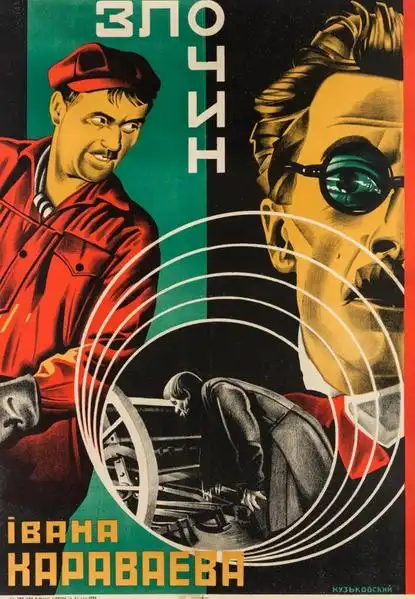
So, The Crime of Ivan Karavaev. This one’s a real deep dive into old Russian cinema, and honestly, it’s not for everyone. If you’re into slow-burn dramas where *what isn't said* matters more than what is, then yeah, give it a shot. But if you need fast pacing or clear-cut answers, you'll probably find it a bit of a slog. Think of it as a quiet afternoon film for folks who appreciate film history, not just popcorn flicks. 🍿
Ivan Karavaev, played by Aleksandr Gromov, is just… there. A sort of passive force. He spends a lot of time just staring, and you keep wondering what he’s thinking. The camera holds on his face, sometimes too long, almost challenging you to figure him out. It feels like a very deliberate choice, though a little jarring at first.
The 'crime' itself is less about a bang and more a whisper. It's suggested through glances, through the way people *don't* look at him. Leonid Obolensky, as some sort of local official or maybe just a nosy neighbor, has this way of observing Ivan that just screams 'guilty.' His eyebrows do a lot of work there, conveying so much without a single word.
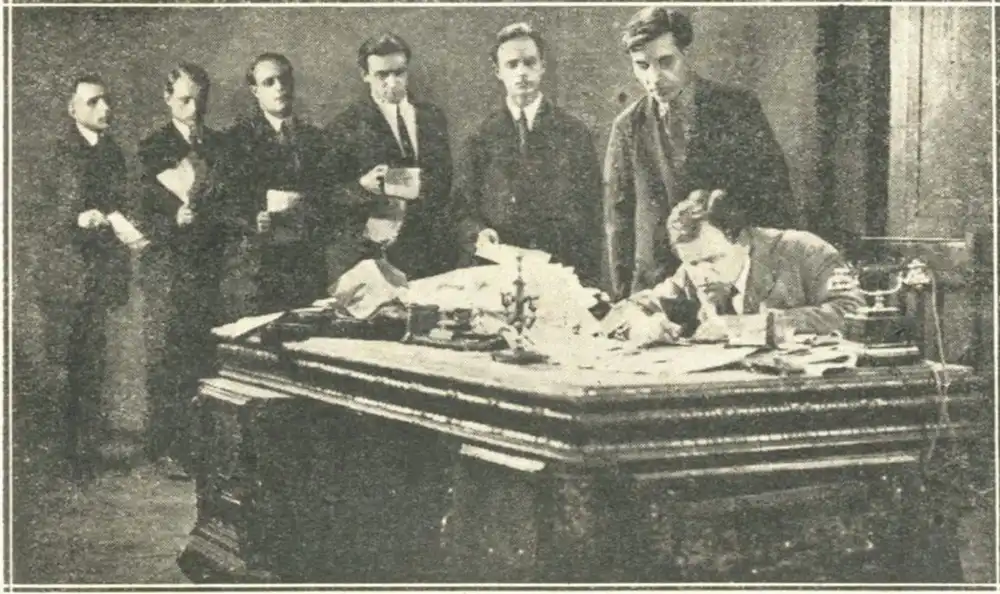
There's this one scene, late in the film, where Ivan is walking through a village square. The extras just sort of mill about, looking a bit lost. It gives the whole thing a very stagey feel, almost like they forgot to tell half the crowd what to do. Kind of charming in its own way, really. You can almost feel the chill in the air, or maybe that's just the old film stock.
I kept waiting for some big reveal about what Ivan *did*. Was it stealing? A lie? But the movie never really gives you a neat little package. It just kind of… ends with this cloud still hanging over him. Leaves you wondering, which is both its strength and, well, a little frustrating if you like things tied up.
Vasili Toporkov, in a smaller role, has this one line about 'the weight of unspoken words' that really sticks with you. It's delivered so casually, almost throwaway, but it feels like the whole film's philosophy crammed into five words. Powerful stuff, even if the rest of his scene is just him stirring tea. That tea-stirring really went on for a bit, too.
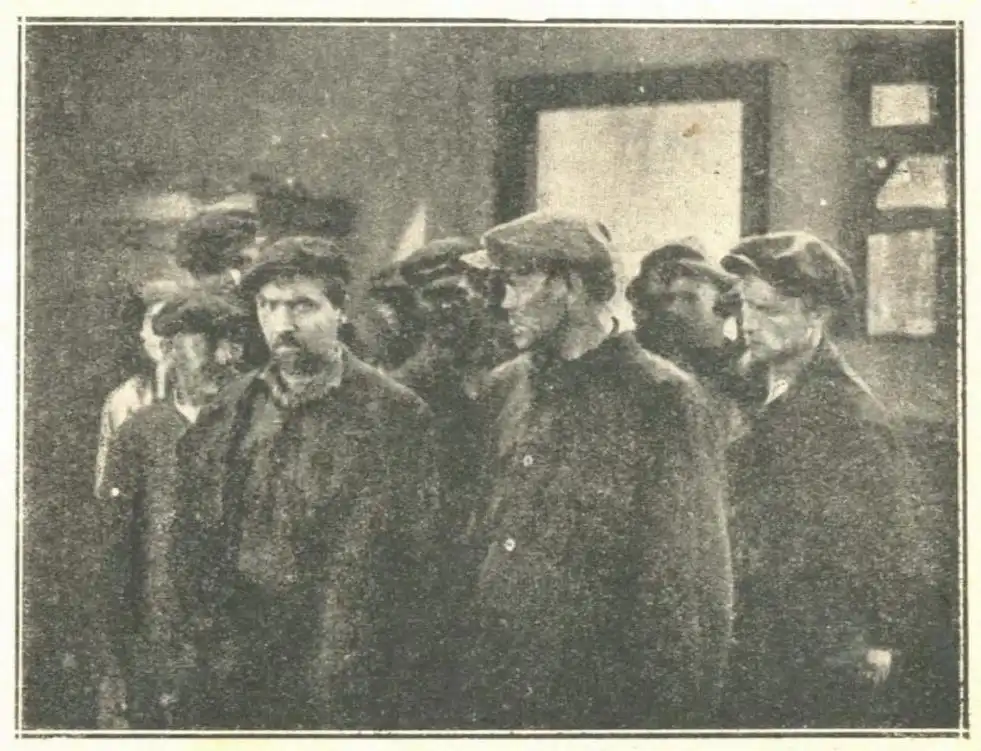
The visual style is stark. Lots of shadows. There's a particular shot of Ivan by a window, light just barely touching his profile, and it's genuinely beautiful. Then it cuts to a much flatter, less interesting shot of someone else, and you think, 'Huh, they really nailed that one moment.'
Honestly, the movie feels like someone's diary entry rather than a grand narrative. It's disjointed, jumping from one quiet observation to another. Not always smooth. But that’s also why it feels… *real*.
It’s not a film that screams for attention. It simply *is*. For those patient enough, there’s a quiet satisfaction in its lingering questions. Just remember to bring your patience, and maybe a cup of tea. ☕
IMDb 5.8
1929
Community
Log in to comment.