DbcultAccessing Vault...
Cult Review
Senior Film Conservator
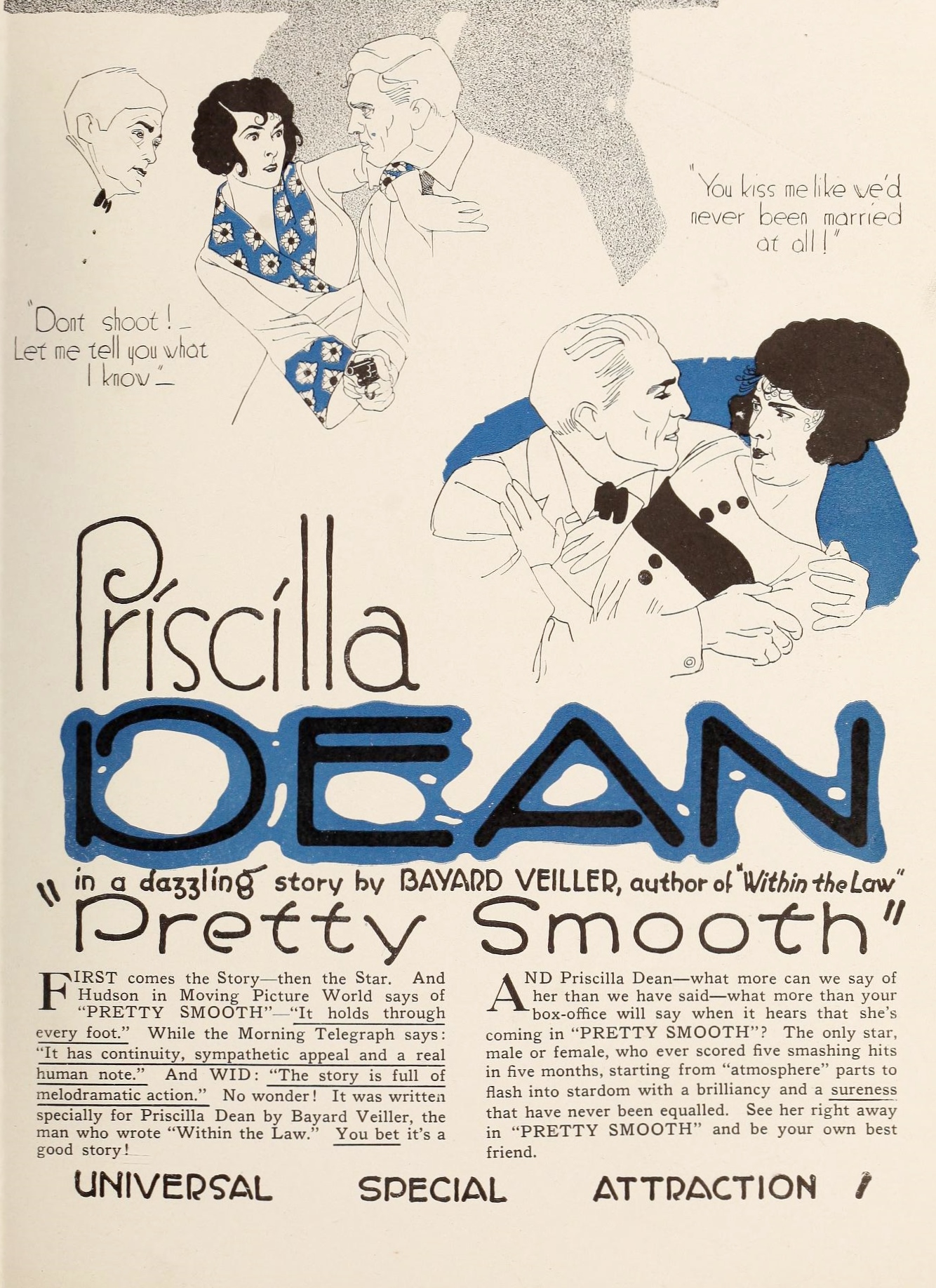
Ah, the silent era! A time when narratives unfolded through the sheer power of visual storytelling, where exaggerated gestures spoke volumes, and the flicker of a projector cast shadows of grand tales onto eager screens. In this captivating epoch, a film like Pretty Smooth emerges as a fascinating artifact, a testament to the enduring allure of crime, romance, and the ever-present human yearning for redemption. Released in 1919, this cinematic offering, penned by the talented Bayard Veiller and Waldemar Young, isn't just a simple caper; it's a nuanced exploration of character transformation, societal judgment, and the lengths to which love can drive individuals, both into and out of the shadows.
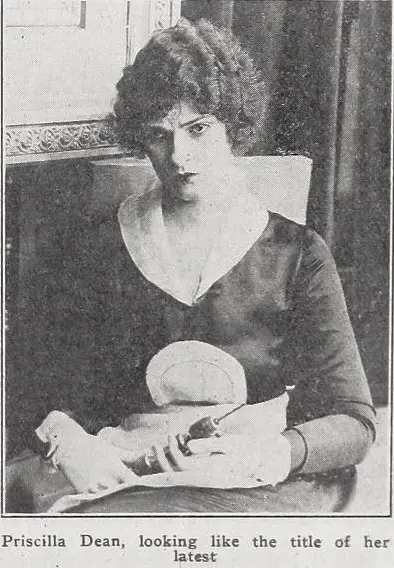
From the outset, Pretty Smooth introduces us to Gertie Jones, a character as intriguing as her moniker suggests: "The Chatterbox." This isn't a descriptive title born of idle gossip, but rather a professional designation among her peers in the underworld. Gertie, you see, has a peculiar habit—she talks to herself, a constant murmur of strategy and self-admonition, as she meticulously plies her trade. This unique trait immediately endears her to the audience, transforming a potential stereotype into a three-dimensional figure. Priscilla Dean, a prominent star of the era, imbues Gertie with a vivacious energy and a cunning intelligence that makes her both formidable and surprisingly vulnerable. Her portrayal transcends the typical femme fatale; Gertie is a woman of agency, a master of her craft, yet one whose inner monologue hints at a deeper, perhaps lonelier, existence.
The narrative’s inciting incident finds Gertie, disguised as a French maid, infiltrating the opulent residence of a wealthy woman, her eyes set on a dazzling $40,000 diamond necklace. This isn't merely about the monetary value; it's about the thrill, the challenge, the dance with danger that defines her life. Her attempt to crack the safe, however, proves unsuccessful, leaving behind tell-tale scratches. In a stroke of quick-witted improvisation, Gertie concocts a brilliant ruse: she calls the police, reporting an attempted burglary, hoping to deflect suspicion from herself. This pivotal moment, however, sets off a chain of events far beyond her wildest imaginings.
Instead of a routine police investigation, the notorious Jimmy Hartigan arrives on the scene. The film masterfully crafts their initial encounter, portraying it as an instantaneous, almost fated, connection. It’s love at first sight amidst the chaos of a crime scene – a romantic trope, perhaps, but one rendered with a raw, undeniable chemistry that transcends the silent medium. This isn't a slow burn; it's an explosion of mutual recognition between two kindred spirits, both living on the fringes of society yet possessing an innate understanding of each other’s world. Their shared passion, however, is swiftly interrupted by the cold hand of the law, and Jimmy is arrested.
What follows is a testament to Gertie’s devotion and ingenuity. She doesn't despair; she strategizes. Her daring plan to help Jimmy escape from prison is a highlight of the film, showcasing her resourcefulness and unwavering commitment. This sequence, undoubtedly a crowd-pleaser in its day, solidifies their bond, transforming a fleeting attraction into a partnership forged in the fires of shared risk and mutual loyalty. Their escape marks a new chapter, as they relocate to the bustling metropolis of New York, continuing their illicit endeavors as a formidable criminal duo. Their partnership is not just professional; it’s deeply personal, their lives intertwined in a dangerous dance with destiny.
The turning point in their lives arrives with a stark, sobering dose of reality. They encounter Gertie’s sister, whose time in prison has left her a consumptive shadow of her former self, a poignant symbol of the harsh consequences of their chosen path. Simultaneously, they witness a once-feared, legendary crook, now reduced to a broken, pathetic wreck. These two encounters serve as a powerful catalyst, forcing Gertie and Jimmy to confront the grim future that likely awaits them if they persist in their criminal lifestyle. The film subtly, yet powerfully, argues for the possibility of change, the human capacity for introspection and the courage to choose a different path. This moment of epiphany, driven by empathy and fear for their own future, compels them to make a life-altering decision: to go straight, for each other's sake.
This narrative arc, from hardened criminals to aspiring paragons of virtue, is a powerful thematic thread that runs through many films of this era. One might draw a parallel to the moral quandaries explored in The Scales of Justice, where characters grapple with legal and ethical dilemmas, or even the redemptive journey seen in more dramatic fare like My Old Dutch, though the latter focuses on different social strata. Pretty Smooth, however, infuses this transformation with a unique blend of romantic idealism and pragmatic cunning.
Reinventing themselves as the respectable "Harts," they seek a fresh start, far from the urban jungle that facilitated their past misdeeds. They purchase a farm in the serene landscapes of New Jersey, but even here, the shadow of their past and the machinations of corrupt individuals threaten their newfound peace. Their encounter with a crooked real estate promoter provides an unexpected opportunity to demonstrate their reformed, yet still clever, capabilities. They foil his plans, not through brute force or criminal means, but through wit and strategic thinking, proving that their intelligence, once used for nefarious purposes, can be redirected for good.
The ultimate test of their reformation arrives in the form of Detective Kersey, a tenacious lawman who has been relentlessly pursuing Jimmy. The tension here is palpable; their carefully constructed new lives hang by a thread. In a brilliant display of their enduring ingenuity and quick thinking, Jimmy and Gertie orchestrate a masterful deception. They pretend to rescue Kersey from two escaped convicts, turning their past skills at evasion and manipulation into a heroic act. This scene is a triumph of narrative irony, as the very qualities that made them criminals now serve to solidify their image as upstanding citizens. The grateful detective, completely taken in by their performance, genuinely believes in the "Harts'" reformation and, crucially, fails to recognize them as the notorious Hartigans. This final act of misdirection secures their freedom and allows them to embrace their new, legitimate lives with a clean slate.
Priscilla Dean's performance as Gertie is the beating heart of this film. She captures the dualities of her character with remarkable depth, transitioning seamlessly from the street-smart "Chatterbox" to the earnest, reformed farm wife. Her expressive eyes and animated gestures convey a wealth of emotion, from defiant cunning to tender affection, and ultimately, a quiet resolve. While specific actor credits for Jimmy Hartigan aren't detailed in the provided cast list, the interplay between Dean and her leading man would have been crucial for the film's success, and the chemistry, even if uncredited, must have been compelling enough to drive the romance central to the plot.
The film’s direction, characteristic of the silent era, relies heavily on visual cues, intertitles, and the power of the actors' performances. The pacing likely ebbs and flows, building suspense during the heists and escapes, and slowing down for moments of emotional introspection. The visual language would have been key in conveying the stark contrast between the gritty urban underworld and the idyllic rural setting of their new life. The cinematography, though lacking the sophisticated techniques of later decades, would have focused on clear storytelling, ensuring that every gesture, every facial expression, contributed to the narrative’s progression.
What makes Pretty Smooth resonate, even a century later, is its exploration of universal themes. The allure of the forbidden, the transformative power of love, and the complex journey of personal redemption are timeless. It asks profound questions: Can people truly change? Does society allow for second chances? And how much of our identity is tied to our past actions versus our present intentions? The film, through its engaging plot and compelling characters, suggests an optimistic answer to these questions, albeit one tinged with the necessity of cleverness and a bit of luck.
In an era where cinema was still finding its voice, films like Pretty Smooth played a crucial role in defining narrative conventions and character archetypes. It’s a precursor to countless crime dramas and romantic thrillers that would follow, laying groundwork for the 'reformed criminal' trope that remains popular today. The film's ability to blend suspense, romance, and moral philosophy within a relatively straightforward plot is commendable. It doesn't preach; it simply presents a journey, allowing the audience to witness the evolution of its protagonists.
Considering other films of the period, Pretty Smooth stands out for its relatively lighthearted approach to crime and punishment compared to some of its contemporaries. While films like The Forbidden Path might delve into darker moral dilemmas, Pretty Smooth maintains a sense of adventurous charm, even during its most tense moments. The film's portrayal of Gertie as a highly competent, intelligent female criminal was also quite progressive for its time, challenging traditional gender roles and offering a complex, active heroine. This was a period when women in film were often relegated to more passive roles, making Gertie's character particularly noteworthy.
The film's ending, with the unwitting Detective Kersey providing the Hartigans with their ultimate absolution, is particularly satisfying. It’s not a grand, dramatic confrontation, but a quiet, clever triumph. This subtle resolution speaks volumes about the film's nuanced understanding of justice; sometimes, justice isn't about retribution, but about the opportunity for a new beginning, earned through genuine effort and a touch of well-placed ingenuity. It’s a testament to the idea that sometimes, the best way to escape your past is to outsmart it, not just run from it.
For those interested in the evolution of cinema, Pretty Smooth offers a compelling glimpse into the narrative styles and thematic concerns of the late 1910s. It’s a reminder of the power of storytelling without spoken dialogue, relying instead on the universal language of emotion, action, and human connection. The film, despite its age, retains a surprising freshness, largely due to its engaging characters and its optimistic, yet realistically complex, portrayal of transformation. It leaves the viewer with a sense of hope, a belief in second chances, and a quiet admiration for the cleverness of its protagonists.
In conclusion, Pretty Smooth is far more than a historical curiosity. It’s a vibrant, entertaining, and thoughtful piece of silent cinema that deftly navigates the treacherous waters of crime, the intoxicating currents of romance, and the often-challenging journey towards personal redemption. Priscilla Dean delivers a memorable performance, anchoring a story that, despite its period setting, speaks to timeless human desires and dilemmas. It’s a film that proves that even a century ago, the silver screen was capable of delivering narratives that were, indeed, pretty smooth.

IMDb 5.2
1919
Community
Log in to comment.