DbcultAccessing Vault...
Cult Review
Senior Film Conservator
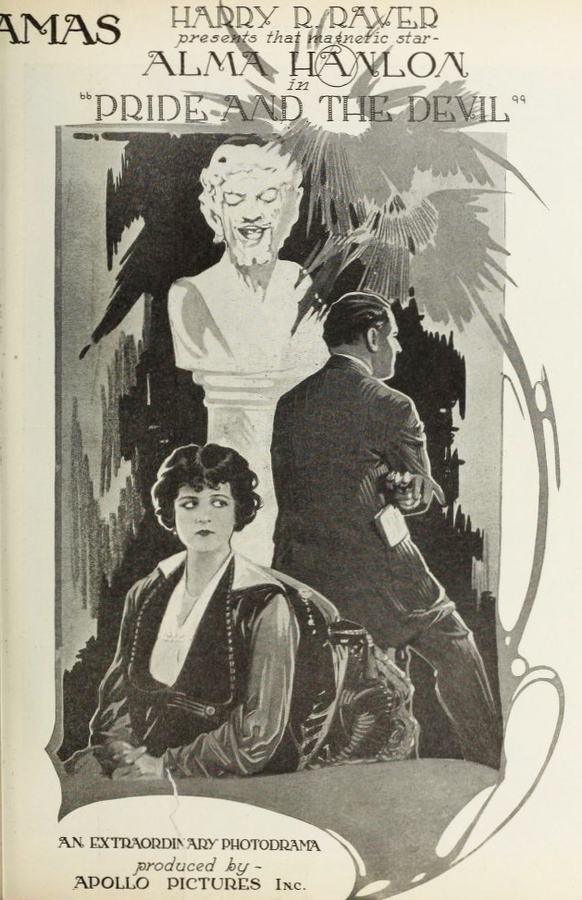
There are certain films that, regardless of their vintage, resonate with an almost primal force, speaking to the timeless foibles and triumphs of the human condition. 'Pride and the Devil' is unequivocally one such cinematic artifact. It’s a compelling, intricate tapestry woven with threads of ambition, moral decay, and the relentless march of consequences, making it a foundational piece for anyone interested in the psychological dramas that defined early cinema. Lawrence McCloskey’s screenplay, a masterclass in character-driven narrative, delves into the corrosive nature of unchecked ego with an intensity that feels remarkably contemporary, even a century after its probable conception. The film doesn't merely present a story; it dissects the very soul of its protagonist, laying bare the mechanisms of his downfall for all to see.
Leo Delaney, in a performance that anchors the entire production, portrays Richard Thorne, a titan whose industrial empire is as vast as his personal pride. Delaney doesn't just act the part; he embodies the very essence of a man consumed by his own creation. His Thorne is not a mustache-twirling villain, but a figure of immense, almost tragic, complexity. You witness the subtle shifts in his demeanor, the hardening of his gaze, the quiet arrogance in his posture that speaks volumes about his character. It’s a nuanced portrayal, showcasing the internal battles and the slow, insidious corruption of power. This isn't the overt melodrama one might expect from the era; instead, Delaney delivers a performance steeped in a chilling realism, making Thorne's eventual reckoning all the more impactful. His command of the screen is such that even in moments of stillness, the audience feels the immense weight of his character’s inner turmoil. This intensity sets 'Pride and the Devil' apart from many contemporaries, elevating it beyond mere entertainment to a profound character study.
Thorne's empire, built on shrewdness and a formidable will, is depicted not just as a financial entity but as an extension of his own formidable ego. The film meticulously illustrates how his business decisions are inseparable from his personal pride, leading to a series of choices that ripple outwards, touching and often devastating the lives of those around him. The most poignant example of this is his relationship with his son, Arthur, played with earnest conviction by Harold Vermilyea. Arthur’s idealism, his desire for philanthropy over profit, is an affront to Thorne’s vision of legacy. The scene where Thorne disinherits his son is masterfully handled, devoid of histrionics, yet brimming with a quiet, devastating finality. It's a stark demonstration of how pride can sever the most fundamental human bonds. This familial rupture serves as a microcosm for Thorne’s broader impact on society – a man so convinced of his own rightness that he sacrifices genuine connection for perceived power. The film's examination of this generational clash, the old guard's ruthless pragmatism versus the new guard's burgeoning social consciousness, feels remarkably prescient.
The narrative truly gains its momentum, however, through Thorne's calculated destruction of a business rival. This act of corporate warfare, cold and precise, inadvertently draws Eleanor Vance, portrayed by the luminous Alma Hanlon, into the maelstrom. Hanlon brings a compelling blend of vulnerability and resilience to Eleanor, a character who becomes an innocent casualty of Thorne’s ruthless ambition. Her struggle, her quiet dignity in the face of overwhelming adversity, serves as the moral compass of the film, highlighting the human cost of Thorne's avarice. Hanlon's performance is understated but powerful, her expressive eyes conveying a depth of emotion that resonates long after the credits roll. The contrast between her simple integrity and Thorne's complex corruption forms the dramatic backbone of the narrative, inviting the audience to ponder the true meaning of success and morality. One might draw thematic parallels here to the intricate moral dilemmas explored in films like Unprotected, where characters grapple with difficult choices and their unforeseen consequences, or even the complex web of relationships in Tangled Lives, though 'Pride and the Devil' grounds its complexity in a more singular, driving obsession.
Lawrence McCloskey's writing ensures that the 'devil' of the title isn't a literal entity, but rather the internal daemon of hubris that gnaws at Thorne's soul. The screenplay is remarkably adept at building tension not through overt action, but through the slow, agonizing reveal of character and motivation. Each plot point feels earned, each consequence a logical extension of Thorne's initial moral compromises. The supporting cast further enriches this tapestry of moral ambiguity. Bigelow Cooper, often known for his authoritative presence, here lends a gravitas to his role, subtly highlighting the societal pressures and expectations that both fuel and constrain Thorne. Charles Hutchison, typically a figure of robust action, is cast effectively as a tenacious journalist whose investigations serve as the external force driving Thorne towards his inevitable confrontation. Hutchison's portrayal is less about physical prowess and more about intellectual persistence, a different kind of heroism that peels back the layers of deception. His relentless pursuit of truth provides a crucial counterpoint to Thorne's attempts to control the narrative, reminding us that even the most powerful cannot escape scrutiny indefinitely. This dynamic is reminiscent of the pursuit of justice in films like The Pursuing Vengeance, albeit with a focus on journalistic integrity rather than direct retribution.
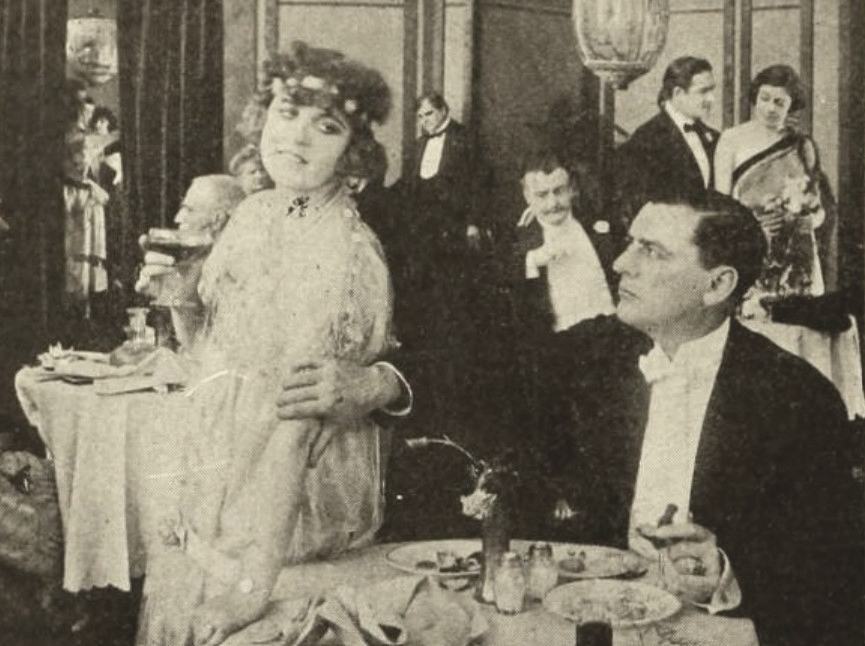
Pamela Vale, in a role that could easily have been one-dimensional, brings a compelling depth to her character, whose loyalty to Thorne is tested by his escalating moral transgressions. Her performance is a quiet study in internal conflict, showcasing the ripple effects of Thorne's actions on those closest to him. It's in these smaller, more human moments that the film truly shines, demonstrating how personal pride can corrupt not just the individual, but also the relationships that define their world. The film's direction, though largely uncredited in terms of a singular 'auteur' in many historical records, exhibits a keen understanding of visual storytelling. The use of shadow and light, particularly in Thorne's imposing offices and the more intimate, emotionally charged scenes, contributes significantly to the mood and thematic weight. One can feel the oppressive atmosphere of Thorne's dominance, and the encroaching darkness that mirrors his internal state. This visual sophistication, often overlooked in analyses of early cinema, is a testament to the craftspeople who brought this story to life.
The enduring power of 'Pride and the Devil' lies in its universal themes. It’s a cautionary tale, yes, but also a nuanced exploration of human nature, ambition, and the elusive quest for redemption. The film doesn't offer easy answers; instead, it invites the audience to grapple with the complexities of morality and the consequences of one's choices. The writers, Lawrence McCloskey, deserve immense credit for crafting a narrative that is both grand in scope and intimate in its emotional resonance. They understood that the most compelling dramas are those that explore the internal struggles as much as the external conflicts.
Comparing 'Pride and the Devil' to other films of its era reveals its unique strengths. While films like Cora might explore societal constraints on women, or Fear Not delves into personal courage, 'Pride and the Devil' stands out for its deep dive into the corrosive power of a single character's hubris. It shares a thematic kinship with The Man Trap in its exploration of human failings and the intricate mechanisms of moral compromise. The film's meticulous character development and its focus on the psychological rather than purely physical struggles also bring to mind the introspective qualities found in some European productions of the period, such as I de unge Aar, though 'Pride and the Devil' maintains a distinctly American narrative drive. The way it builds its dramatic tension through the slow unraveling of a powerful figure also echoes the narrative structures seen in later, more celebrated works of the silent era.
The film's impact on its audience, even today, is undeniable. It forces introspection, prompting viewers to consider the fine line between ambition and arrogance, between success and moral bankruptcy. It's a testament to the cast's collective talent, particularly Leo Delaney’s towering performance, that Thorne remains a figure of both disdain and a strange, compelling fascination. His journey, from an untouchable industrialist to a man stripped bare by his own actions, is a powerful dramatic arc that resonates deeply. The film’s ability to evoke such strong emotional responses without relying on overt sentimentality is a hallmark of its craftsmanship. This is not a film that preaches; it simply presents a meticulously constructed reality and allows its consequences to speak for themselves. The understated elegance of its storytelling is a refreshing departure from some of the more overtly theatrical presentations of the era. The narrative avoids simplistic good-versus-evil dichotomies, instead presenting a world where motivations are complex and redemption, if it comes at all, is hard-won and deeply personal.
The climax of 'Pride and the Devil' is not an explosion of violence or a grand public spectacle, but a quiet, internal implosion. Thorne is ultimately confronted not by an external enemy, but by the 'devil' of his own making – the sum total of his choices, his betrayals, and his profound isolation. This internal reckoning is far more devastating than any physical defeat could be, leaving the audience to ponder the true cost of a life lived solely for power and self-aggrandizement. It’s a powerful, almost philosophical conclusion that solidifies the film's status as a significant work. The film's ending, subtle yet profound, leaves a lasting impression, challenging viewers to consider the weight of their own actions and the legacy they wish to leave behind.
'Pride and the Devil' is more than just a historical curiosity; it is a vibrant, relevant piece of cinematic art that continues to speak volumes about the human condition. Its superb acting, intelligent screenplay, and thoughtful direction combine to create a film that is both a product of its time and timeless in its thematic resonance. It stands as a powerful reminder that while empires may rise and fall, the internal struggles of pride, ambition, and morality remain eternally potent. For those seeking to understand the foundations of cinematic storytelling and the enduring power of character-driven drama, this film offers an invaluable and deeply rewarding experience. It's a film that earns its place in the pantheon of compelling narratives, much like the profound explorations of human spirit found in Hearts of Oak or the societal commentary in The College Orphan, yet with a unique focus on the internal architecture of a man's downfall. The careful pacing allows for a slow burn of character development, ensuring that Thorne’s trajectory feels organic and inevitable, rather than forced. This deliberate approach to storytelling is a hallmark of quality cinema, allowing the audience to truly immerse themselves in the world and its moral quandaries. It demonstrates that even without the technological advancements of later eras, a compelling story and powerful performances are sufficient to create an unforgettable cinematic experience. The film, in its quiet intensity, proves that the most profound dramas are often those that unfold within the human heart.
IMDb 5.8
1932
Community
Log in to comment.