DbcultAccessing Vault...
Cult Review
Senior Film Conservator
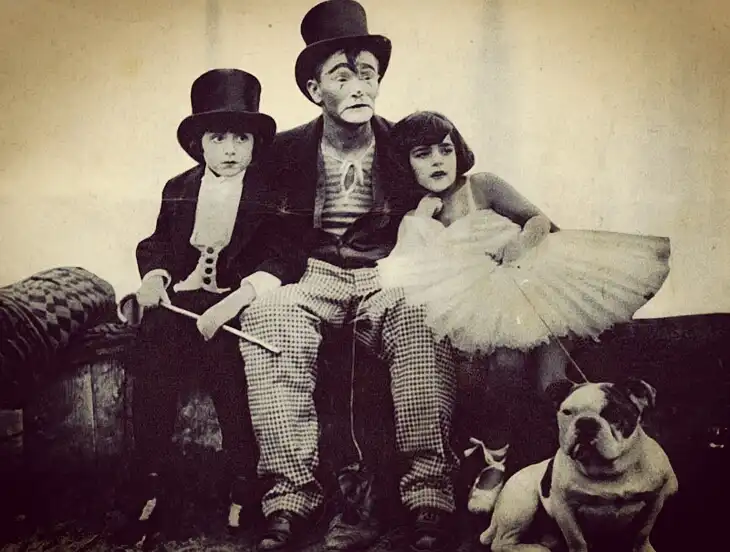
Alright, so we're talking about Przeznaczenie, a silent film from 1927. Is this worth pulling up today? Well, if you’ve got a soft spot for film history, or you're just generally curious about how stories got told a hundred years ago without dialogue, then yeah, it’s a pretty neat watch. You'll probably enjoy it if you like dissecting old visual storytelling. Anyone else, especially if you’re hoping for quick cuts and a booming soundtrack, might find themselves checking their watch. It’s a different beast entirely.
Right from the jump, you feel that classic silent film drama. The acting is *big*. Not in a bad way, but everyone really has to emote with their whole body. Maria Ambroziewiczówna, especially, has this **way of holding her gaze** that just screams longing, even when the scene around her is chaotic. You don’t need a title card to tell you she's worried; it’s all there in her eyes.
There's this one moment, I think it's with Benedykt Hertz’s character, where he's pacing a small room. Back and forth, back and forth. It goes on maybe a little too long, but you can almost feel the movie trying to convince you this internal struggle is *huge*. 😮 It’s not just walking; it’s a silent, frantic dance of decision-making. You see the conflict, clear as day.
The film uses title cards, obviously, but some of them are just *chef’s kiss* dramatic. One popped up saying something like, “And so, destiny unwound its cruelest thread.” A bit much for modern tastes, sure, but it totally sets the mood. It hammers home what the movie is all about, that inescapable sense of Przeznaczenie, or fate.
Pacing can be a thing with these old movies. Sometimes it feels like they’re really taking their time, letting a scene breathe, or maybe just letting the actors get to their marks. There are moments where you just watch someone *react* for what feels like an eternity. But then, you kinda settle into it. It becomes part of the charm, in a weird way. It's not *slow*, just... deliberate.
I remember a particular scene, just a short bit, with Nina Olida. Her face, in a tight shot, lit from one side. So stark, so simple. It’s just her expression, pure emotion, no frills. That’s **good filmmaking**, even today. It makes you lean in.
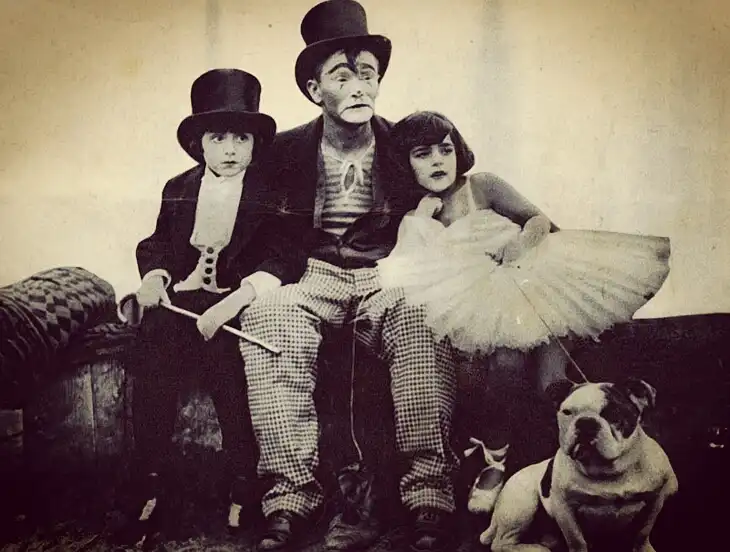
The sets, too, are something. You can tell they’re not sprawling Hollywood backlots. The crowd scenes, for example, have this oddly empty feeling. Like half the extras wandered off for lunch. But it gives the film a certain intimacy, makes it feel more like a stage play sometimes. You focus on the main players, not the background bustle.
And Adam Brodzisz! He has this very specific tilt of his head when his character is meant to be thinking deeply. It’s such a small, human gesture. Easy to miss if you’re not paying attention, but it adds a lot to his performance. He does it a few times. Almost a signature move.
There's a scene involving a letter – of course, a letter! It's passed between characters so slowly, so carefully. You just *know* it contains something life-altering. The tension in that simple exchange is palpable, all built on body language and anticipation. No spoken words, but the weight of that paper is immense.
The ending, without giving anything away, feels a little bit like a gut punch. It doesn’t neatly tie everything up with a bow. It leaves you with something to chew on, which is always nice. It's not a grand, explosive finale, but more of a quiet, inevitable conclusion. 🤔
Watching Przeznaczenie is less about a thrilling plot and more about appreciating a moment in time. It’s about seeing how artists conveyed complex emotions and stories before sound came to cinema. It’s a testament to their ingenuity. You can almost feel them pushing the boundaries of what was possible with just visuals and a little bit of orchestral accompaniment.
It’s an experience, not just a movie. If you go in with that mindset, you might find yourself quite charmed by its quiet power and the sheer effort involved in making something like this a century ago. Definitely not for everyone, but for the right viewer, it's a **small piece of cinematic history** that still resonates, in its own silent way. 📜
IMDb 5.2
1926
Community
Log in to comment.