DbcultAccessing Vault...
6.5/10
Senior Film Conservator
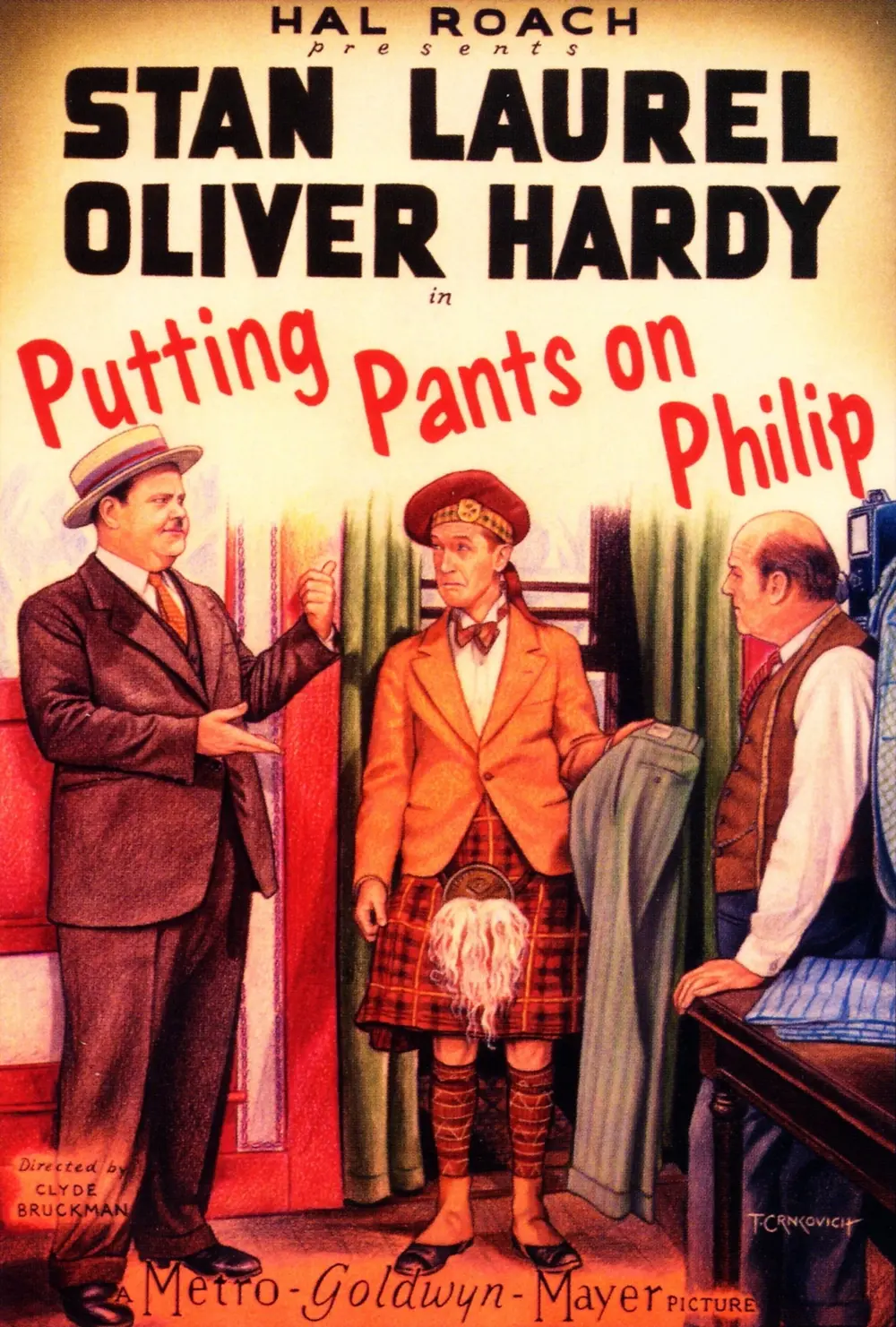
A definitive 6.5/10 rating for a film that redefined the boundaries of cult cinema. Putting Pants on Philip remains a cornerstone of transgressive art.
Is "Putting Pants on Philip" worth watching today? Short answer: Absolutely, but with significant caveats. This 1927 silent short offers an invaluable glimpse into the formative stages of one of cinema's greatest comedic pairings, making it essential viewing for silent film aficionados and Laurel & Hardy scholars, though it will undoubtedly test the patience of casual viewers accustomed to modern pacing and humor.
This is a film for those who appreciate the historical context of comedy and the nuanced evolution of performance. It is decidedly NOT for audiences seeking a fast-paced, laugh-a-minute experience or those who struggle with the conventions of silent cinema.
Before we delve deeper, let's get straight to the core of this early Laurel & Hardy vehicle:
"Putting Pants on Philip" isn't just a film; it's an archaeological find in the comedic landscape. Released in 1927, it stands as one of the very first films to officially credit Stan Laurel and Oliver Hardy as a duo, marking a pivotal moment in their careers and, by extension, in the history of screen comedy. Prior to this, they had appeared in numerous shorts, often in supporting roles or as individual leads, but rarely as the co-equal partners we know and love.
Here, the seeds of their enduring dynamic are visibly sown. Hardy, already a seasoned performer with a well-honed persona, embodies the put-upon, self-important straight man, J. Piedmont Mumblethunder, with characteristic flair. Laurel, on the other hand, is still refining his 'idiot savant' character, Philip. His wide-eyed innocence and utterly oblivious demeanor are present, but not yet fully crystallized into the iconic 'Stan' persona.
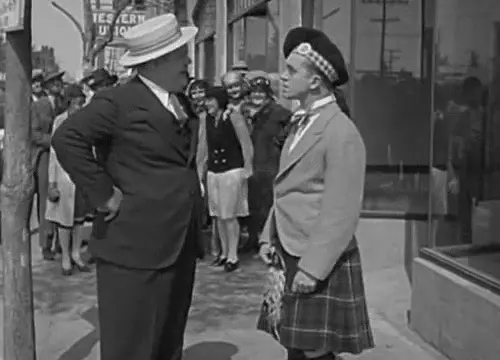
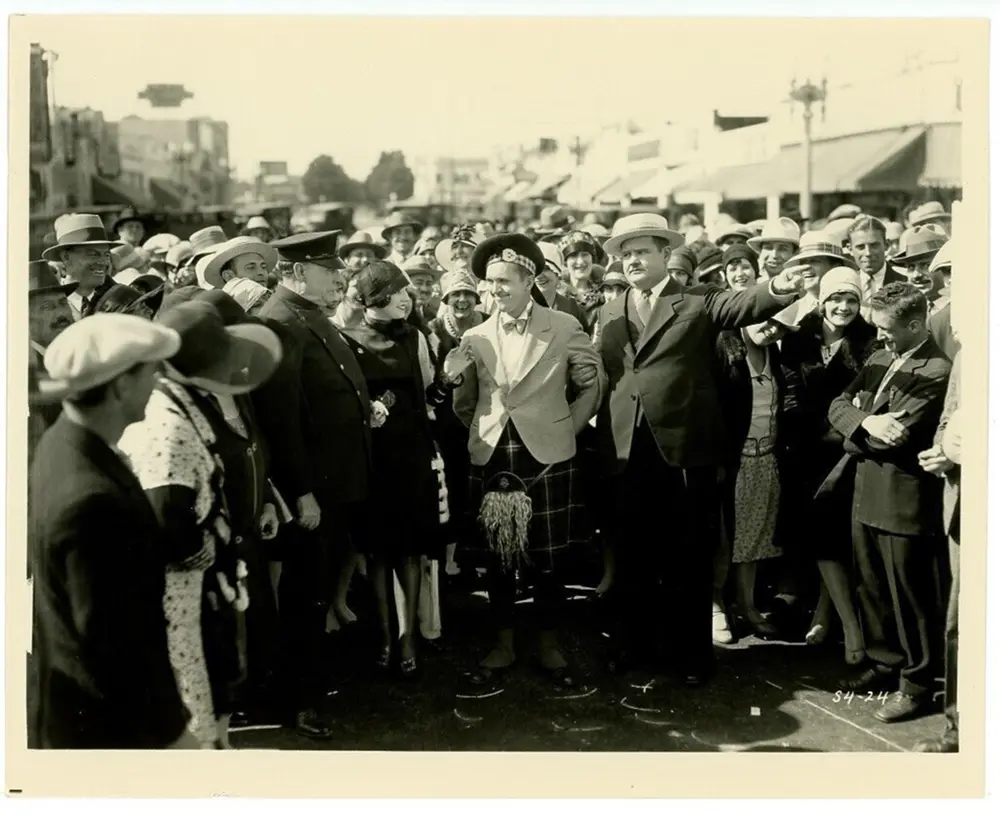
The film’s simple premise—a kilt-wearing Scot causing social chaos in America—is a perfect vehicle for this early exploration. It allows Hardy's exasperation to build incrementally, while Laurel's childlike bewilderment provides a stark, hilarious contrast. It's a foundational text, revealing how their on-screen relationship began to click, even if the comedic machinery wasn't yet operating at peak efficiency.
The genius, or perhaps the limitation, of "Putting Pants on Philip" lies in its singular, unwavering focus on one gag: a man in a kilt in a society that demands trousers. This isn't just about clothing; it's a comedic exploration of cultural clash, societal expectations, and the sheer discomfort of the unconventional. Mumblethunder's frantic attempts to normalize Philip's attire are driven by a profound fear of social embarrassment, a deeply relatable human anxiety.
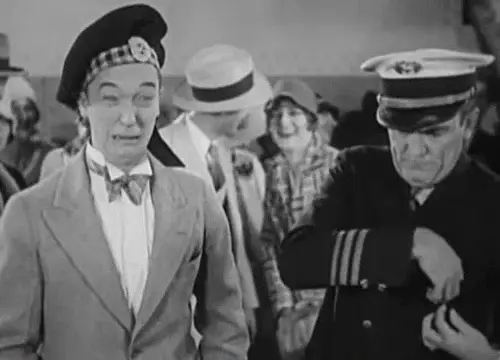
The humor is derived from the escalating absurdity of Philip's innocent defiance. He simply doesn't understand the fuss. His kilt is his clothing, perfectly normal where he comes from. This cultural disconnect is played for maximum comedic effect, particularly in the tailor shop sequence. As Mumblethunder tries to get Philip fitted, Philip’s kilt accidentally lifts, revealing his bare legs to horrified onlookers. The reactions of the supporting cast, particularly the women, are priceless, exaggerated to silent film perfection, highlighting the era's rigid sensibilities around modesty.
While the premise is robust, its execution sometimes feels stretched. The film commits to the bit so thoroughly that modern viewers might find themselves anticipating the next 'kilt reveal' rather than genuinely laughing at it. It’s a testament to the era’s comedic sensibilities, where a single, strong visual gag could carry a significant portion of a short film, a stark contrast to the rapid-fire, multi-layered humor of today. Compared to the more intricate and character-driven plots of their later features, this feels like an extended sketch.
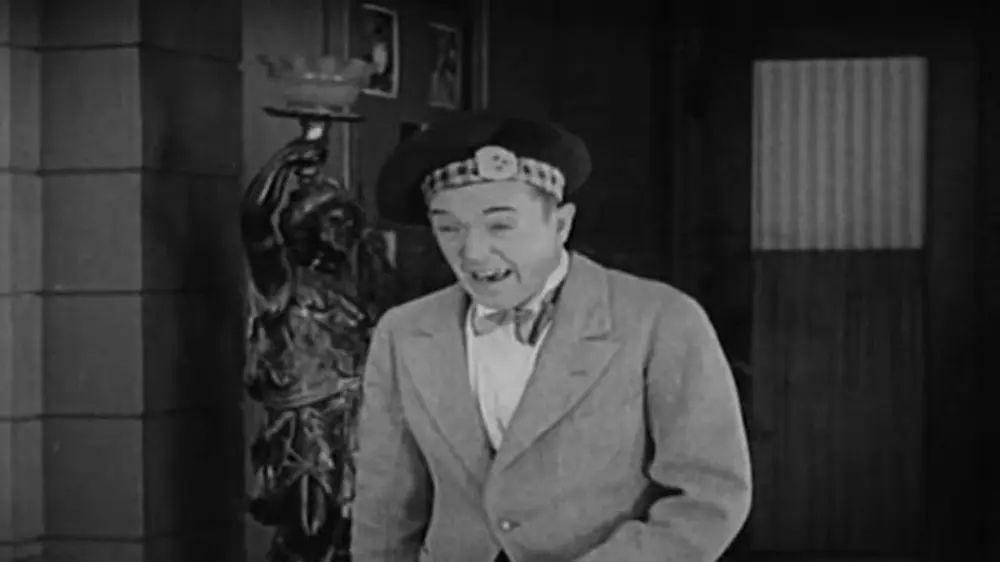
Conversely, Stan Laurel as Philip is a revelation in nascent form. His character is less the bumbling 'Stan' and more a wide-eyed, almost ethereal figure, completely detached from the social norms around him. He isn't malicious; he's simply oblivious. His physical comedy, particularly his innocent posture and confused glances, are incredibly effective. It's a performance that hints at the genius to come, showcasing his unique ability to embody a childlike innocence that both frustrates and endears.
The supporting cast, including Retta Palmer and Al Flores, contribute significantly to the film’s atmosphere of scandalized propriety. Their exaggerated reactions to Philip's kilt-induced mishaps amplify the comedic effect, turning simple street scenes into arenas of social judgment. While their roles are largely reactive, they effectively build the world of conventional society that Mumblethunder desperately tries to uphold.
Directed by Leo McCarey, a name synonymous with early Hollywood comedy, "Putting Pants on Philip" demonstrates a clear understanding of silent film storytelling. McCarey's direction is straightforward, prioritizing visual clarity and the precise staging of physical gags. He understands that silent comedy relies heavily on pantomime, exaggerated expressions, and well-composed shots to convey meaning and humor.
The pacing, while slow by today's standards, is typical of the era. Scenes are allowed to breathe, allowing the audience to fully absorb the physical comedy and the characters' reactions. A prime example is the extended sequence in the tailor shop, where Philip's accidental kilt-lifting is drawn out, building tension and comedic payoff with each near-miss and eventual reveal. The camera, largely static, focuses on the performers, letting their expressions and movements tell the story.
The cinematography, while not groundbreaking, is effective. It captures the bustling city streets and the confined spaces of the tailor shop with functional clarity. The visual language is simple: clear sightlines for gags, focus on facial reactions, and a general lack of complex camera movements. This simplicity ensures that the audience's attention remains squarely on the escalating comedic conflict between Mumblethunder and Philip.
Yes, "Putting Pants on Philip" is absolutely worth watching today, but with a specific mindset. It’s not a film you stumble upon for a casual laugh. It’s a historical artifact, a foundational text for understanding the evolution of cinematic comedy and the birth of a legendary duo. For a modern audience, it serves as a fascinating window into the comedic sensibilities of the late 1920s.
You should approach it as a scholar or a dedicated fan. It provides crucial context for Laurel and Hardy's later, more refined works, showing their earliest attempts at crafting their iconic personas. It’s a testament to their budding genius, even if the film itself feels more like a blueprint than a finished masterpiece. If you can appreciate the unique charm and challenges of silent cinema, there’s genuine value here.
However, if you're looking for something that will instantly grab your attention and deliver non-stop belly laughs, this might not be it. The pacing can be a hurdle, and some of the humor, while culturally significant, hasn't aged with universal appeal. It's a film that requires patience and an appreciation for its place in history.
While "Putting Pants on Philip" might not be the most frequently revisited Laurel & Hardy short, its legacy is undeniable. It's a crucial stepping stone, a moment where the stars aligned, and the world got its first proper introduction to the comedic potential of Stan and Ollie as a pair. It set the stage for the countless masterpieces that would follow, from "The Music Box" to "Way Out West."
The film's exploration of cultural misunderstanding and social embarrassment became a recurring theme in their work. The "fish out of water" trope, so effectively deployed here with Philip's kilt, would be reinterpreted and expanded upon in various forms throughout their filmography. It’s a simple idea, executed with a raw charm that hints at the sophisticated character dynamics they would later perfect.
Comparing it to other shorts of the era, such as The Daffy Dill or even earlier individual efforts like Lazybones, "Putting Pants on Philip" stands out for its clear intention to establish a duo. It's not just two comedians sharing the screen; it's a deliberate pairing, a conscious effort to build a brand. This strategic move, more than any individual gag, ensures its lasting importance.
"The most enduring comedies often start with the simplest, most human conflicts. 'Putting Pants on Philip' proves this, even if its execution is more foundational than refined."
Every historical film offers a mixed bag to the contemporary viewer. "Putting Pants on Philip" is no exception.
"Putting Pants on Philip" is a curious, often endearing, and historically vital piece of cinema. It’s not a laugh-out-loud masterpiece in the vein of their later, more polished work, but it serves as an indispensable prologue to the Laurel & Hardy legend. It works. But it’s flawed. Its humor, while rooted in a bygone era's sensibilities, still offers glimpses of the universal comedic truths about human foibles and social awkwardness that would define the duo's enduring appeal. While it might not be the first Laurel & Hardy film you show to a newcomer, it's absolutely one you should seek out once you've fallen for their charm. It’s a testament to humble beginnings, proving that even the greatest comedic partnerships had to start somewhere, one kilt-lifting, trouser-seeking misadventure at a time.
IMDb —
1918
Community
Log in to comment.