DbcultAccessing Vault...
6.6/10
Senior Film Conservator
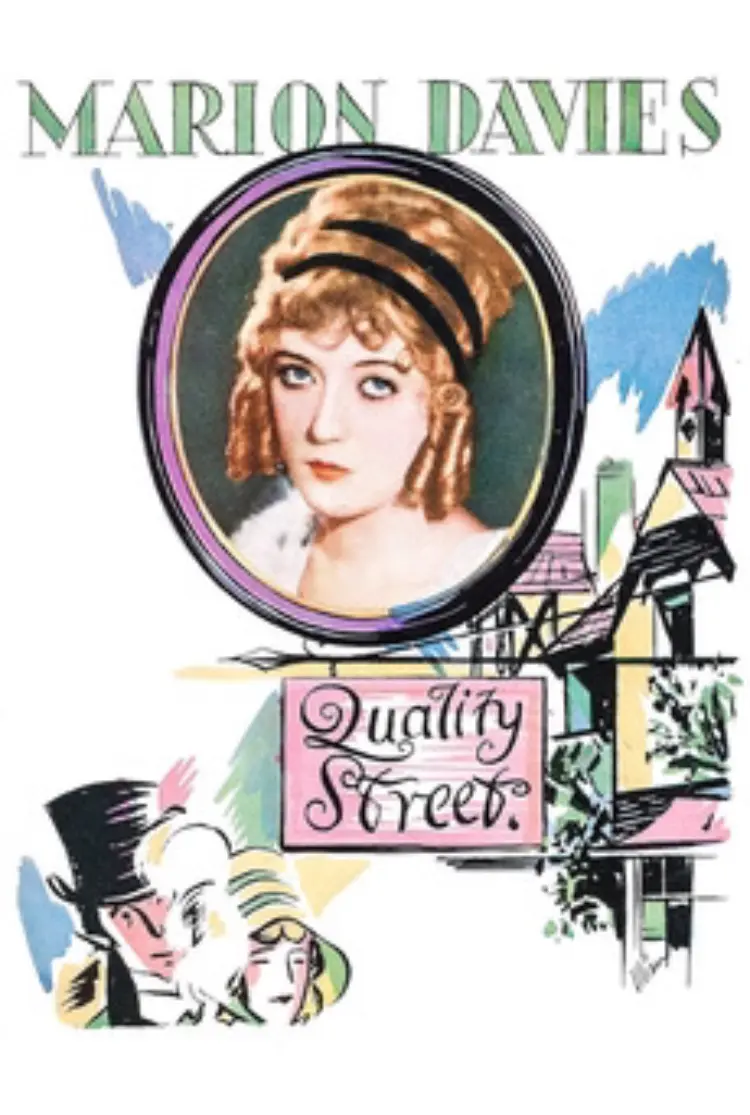
A definitive 6.6/10 rating for a film that redefined the boundaries of cult cinema. Quality Street remains a cornerstone of transgressive art.
Is Quality Street a film that holds up for a modern audience? Short answer: yes, but with significant caveats. This 1927 silent romantic comedy, starring the effervescent Marion Davies, offers a delightful glimpse into period manners and a surprisingly progressive narrative, yet its pacing and theatricality can be a hurdle for contemporary viewers.
It's a film tailor-made for classic cinema enthusiasts, particularly those with an appreciation for silent-era performances, the nuanced art of J.M. Barrie, and the enduring charm of Marion Davies. However, if you typically gravitate towards fast-paced narratives or find the conventions of silent film — particularly its reliance on intertitles and exaggerated expressions — to be a barrier, then Quality Street might test your patience.
This film works because of Marion Davies's magnetic screen presence and the surprisingly insightful commentary on societal expectations for women. This film fails because its narrative contrivances, while charmingly theatrical, occasionally strain credulity, and its silent-era pacing demands a certain level of viewer engagement. You should watch it if you appreciate historical romance, clever disguise narratives, and a lead performance that transcends the limitations of its era.
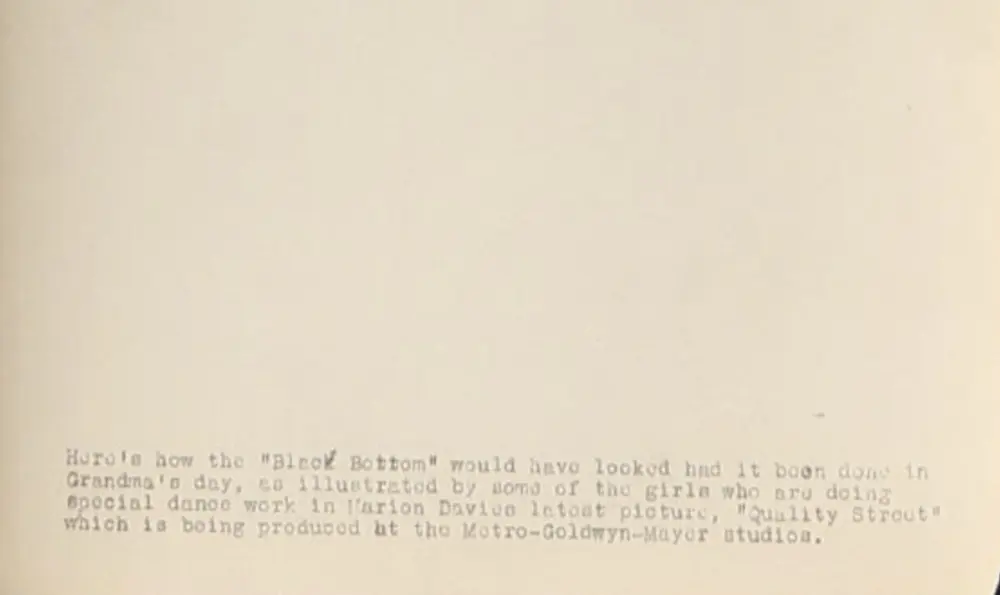
Quality Street, an adaptation of J.M. Barrie's 1901 play, arrives on screen as a vibrant, if occasionally over-the-top, silent romantic comedy. Directed by Sidney Franklin, with a screenplay by Albert Lewin, J.M. Barrie, Ruth Cummings, Marian Ainslee, and Hanns Kräly, the film is a fascinating artifact. It attempts to translate Barrie's delicate wit and character study into the broad strokes often required by silent cinema, a challenge it meets with varying degrees of success.
At its core, the story follows Phoebe Throssel, a young woman who dedicates her prime years to waiting for her beloved, Captain Valentine Brown, to return from the Napoleonic Wars. This premise alone sets a stage ripe for both romance and tragedy, a common trope of the era, but one that Barrie, and by extension, this film, approaches with a distinctive, almost whimsical, touch.
Marion Davies, as Phoebe, is the undisputed star here. Her performance is a masterclass in silent film acting, transitioning from the wide-eyed innocence of a hopeful young woman to the resigned demeanor of an 'old maid,' and finally, to the mischievous vivacity of her alter-ego, Miss Livvy. Davies possesses an incredible range, conveying emotion not just through facial expressions but through subtle body language and an almost balletic grace. Her ability to make Miss Livvy a distinct, believable character, rather than just Phoebe in a wig, is remarkable and speaks volumes about her talent.
Conrad Nagel, as Captain Valentine Brown, provides a solid, if somewhat less dynamic, counterpoint to Davies. His portrayal of the returning soldier, initially disappointed by Phoebe's perceived decline, is convincing. However, the script doesn't allow him the same depth of character exploration as Davies, often leaving him to react to Phoebe's machinations rather than drive the plot himself. This isn't necessarily a flaw in Nagel's performance, but rather a structural choice that prioritizes Phoebe's journey of self-discovery and re-assertion.
Sidney Franklin's direction is competent, if not groundbreaking. He understands the theatrical origins of the story and often frames scenes with a stage-like sensibility, emphasizing entrances, exits, and clear character blocking. This approach, while sometimes feeling a little static, ensures that the narrative is always clear, a crucial element in silent film.
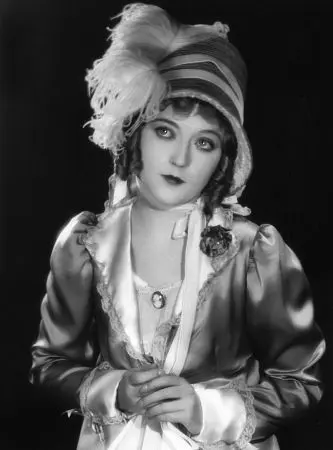
The film's cinematography, while not pushing any boundaries, effectively captures the period setting. The costumes and sets are meticulously designed, immersing the viewer in the early 19th-century English village. There's a particular charm in the depiction of Phoebe's 'school for children,' a wonderfully quaint setting that highlights her gentle nature before her transformation. The visual contrast between the demure Phoebe and the flamboyant Miss Livvy is well-executed through costume and makeup, underscoring the film's central theme of appearance versus reality.
One scene that stands out is Phoebe's initial transformation into Miss Livvy. It's not just a costume change; it's a complete metamorphosis. Davies's entire posture shifts, her eyes sparkle with newfound mischief, and her movements become bolder. This moment is pivotal, and Franklin allows it to unfold with a sense of dramatic flair, emphasizing the deliberate act of creation and rebellion against societal expectations. It's a testament to Davies's skill that this transition feels both believable and exhilarating.
The pacing of Quality Street is undeniably that of a silent film, which means it can feel slow by modern standards. Intertitles, while necessary, break the flow, and scenes often linger slightly longer than a contemporary audience might expect. However, this deliberate pacing allows the viewer to absorb the period detail and appreciate the subtle emotional beats in Davies's performance. It's a film that asks for patience, and rewards it with genuine charm.
The tone is predominantly lighthearted and romantic, with a strong undercurrent of social commentary. Barrie's original play was known for its gentle satire of societal norms, and the film retains much of this. The absurdity of Phoebe having to invent a younger, more vivacious persona to rekindle a romance highlights the superficiality of certain social expectations, particularly concerning women and aging. This thematic depth elevates Quality Street beyond a simple romantic comedy.
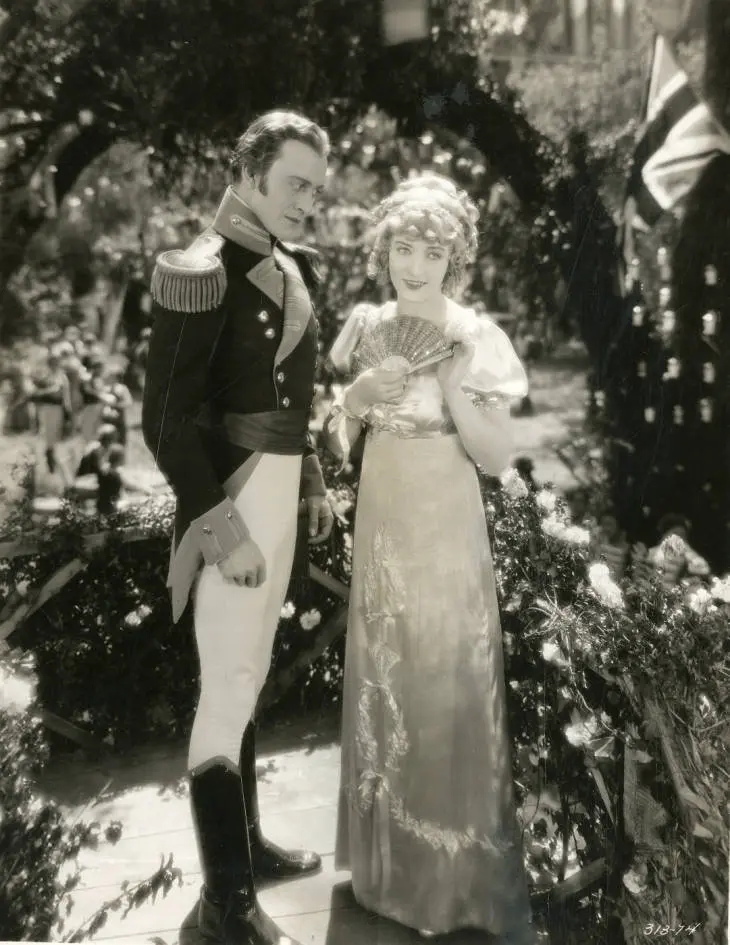
The theatricality, inherent in Barrie's source material, is evident throughout. Some of the reactions and plot developments feel more at home on a stage than on screen. For instance, the ease with which Miss Livvy's disguise fools everyone, even those who knew Phoebe intimately, requires a significant suspension of disbelief. Yet, this very theatricality is part of the film's unique charm, a nod to its origins and a style that was more accepted in early cinema. It works. But it’s flawed.
Marion Davies was often unfairly overshadowed by her personal life and association with William Randolph Hearst. However, films like Quality Street firmly cement her status as a formidable talent. She wasn't just a pretty face; she was a gifted comedic actress with a rare ability to convey both vulnerability and strength. Her performance as Miss Livvy is particularly audacious for its time, showcasing a woman who takes control of her destiny through clever deception, rather than passively accepting her fate.
My unconventional observation is that Davies, in creating Miss Livvy, inadvertently crafts a proto-feminist character, using wit and performance to subvert the rigid expectations placed upon her. She's not just seeking love; she's reclaiming her identity and agency in a society that had prematurely written her off. This makes the film more than just a period romance; it's a quiet rebellion.
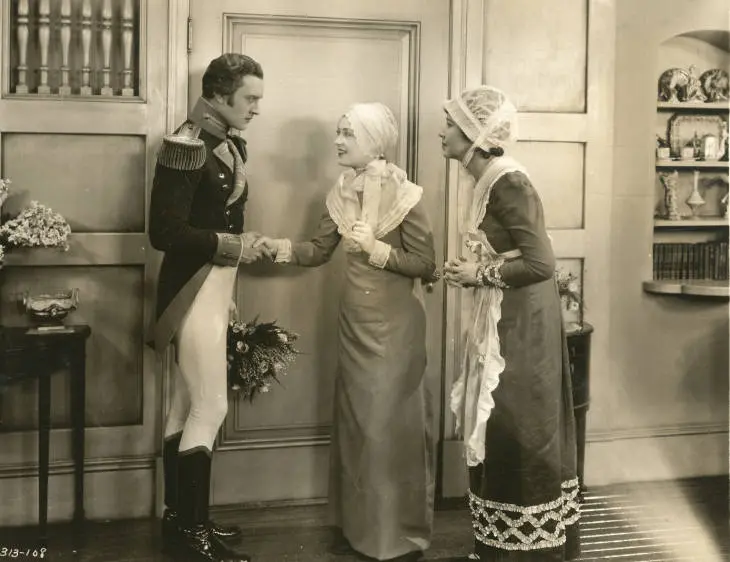
Consider her turn in The Affairs of Anatol, where she demonstrates a similar comedic flair, though in a more ensemble setting. Here, she carries the entire film on her shoulders, proving her star power. Her ability to pivot from the demure Phoebe to the flirtatious Livvy is not merely a costume change; it's a complete psychological transformation that she executes flawlessly.
Absolutely. For those interested in the evolution of romantic comedy, the silent era, or the career of one of Hollywood's most underrated stars, Quality Street is a must-see. It's a film that, despite its age, offers genuine laughs, heartfelt moments, and a surprisingly resonant message about identity and societal pressures. It asks us to look beyond the surface, both in its characters and in its own cinematic form.
While it demands a degree of patience from a modern viewer, the rewards are considerable. Davies's performance alone is worth the price of admission (or the click of a button). The film's gentle humor and poignant exploration of aging and attraction remain remarkably effective.
"Davies's performance is a masterclass in silent film acting, transitioning from the wide-eyed innocence of a hopeful young woman to the resigned demeanor of an 'old maid,' and finally, to the mischievous vivacity of her alter-ego, Miss Livvy."
Quality Street is more than just a historical curiosity; it's a testament to the enduring power of a good story and a brilliant performance. Marion Davies is simply magnificent, transforming what could have been a quaint period piece into a vibrant, emotionally resonant experience. The film, like its protagonist, might appear demure on the surface, but underneath lies a spirited, clever heart that refuses to be confined by expectation.
While its silent film conventions and deliberate pacing might not appeal to everyone, those willing to invest their time will discover a delightful, witty, and surprisingly insightful romantic comedy. It stands as a strong example of Davies's talents and a charming piece of early cinema that continues to entertain and provoke thought. Give it a watch; you might just fall for its unconventional charms.
IMDb —
1929
Community
Log in to comment.