DbcultAccessing Vault...
Cult Review
Senior Film Conservator
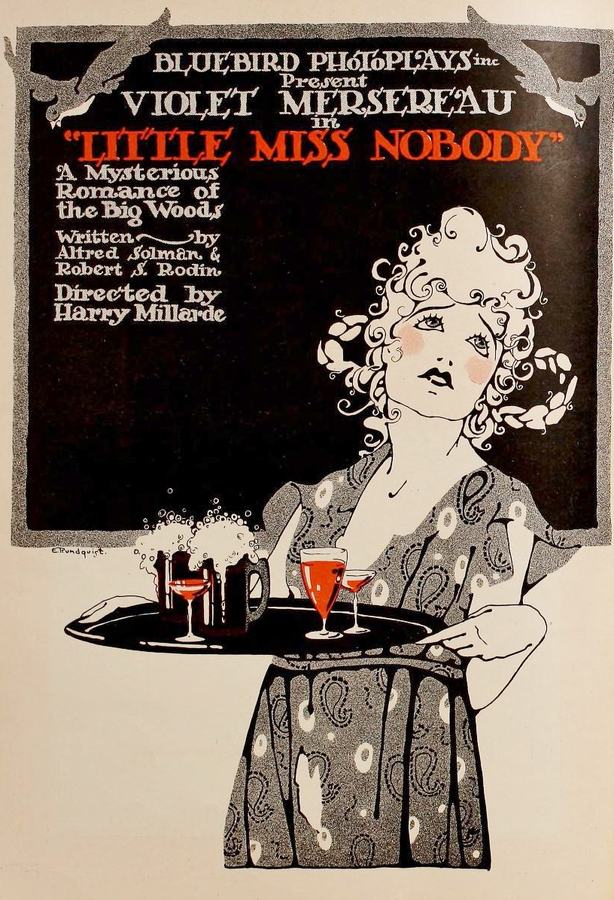
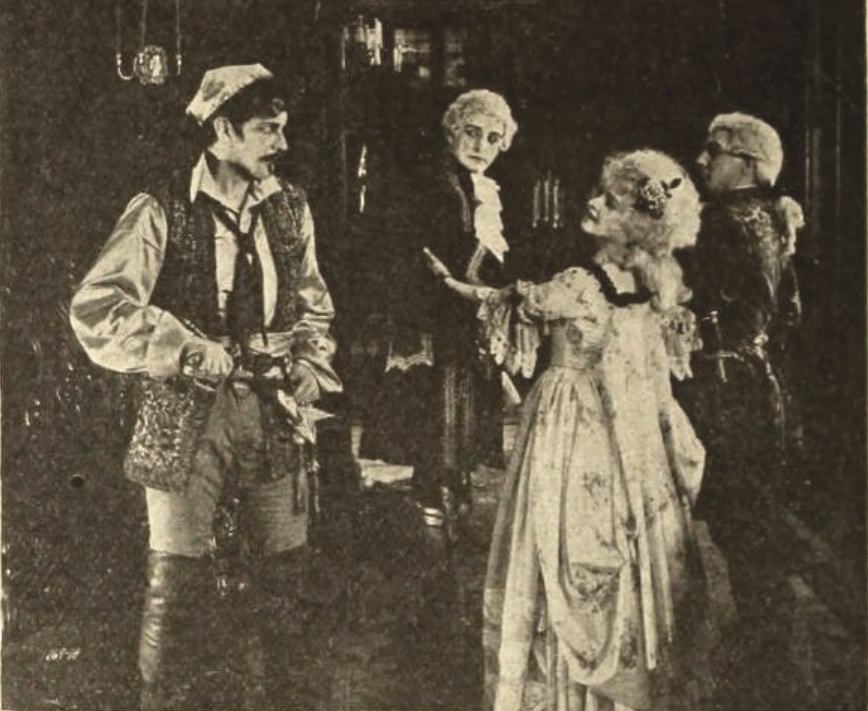
Stepping back into the cinematic landscape of 1917, we encounter "Little Miss Nobody," a silent melodrama that, despite its age, still resonates with themes of vulnerability, protection, and the enduring power of nascent love. This particular gem, directed by Alfred Solman and Robert F. Roden, and penned by John C. Brownell, delves into a world where circumstances often dictate destiny, and where the human spirit, against all odds, strives for dignity and affection. It’s a narrative tapestry woven with threads of innocence, betrayal, and an almost anachronistic chivalry, offering a fascinating glimpse into the moral compass of early 20th-century storytelling. The film, starring the luminous Violet Mersereau as the titular 'Nobody,' challenges viewers to look beyond the simplistic plot outline and appreciate the nuanced performances and evocative visual language that defined the era.
At its core, the story introduces us to Bonnie, portrayed with a delicate yet resilient grace by Mersereau. Bonnie exists within the harsh confines of her foster father's saloon, a setting that immediately paints a picture of a life devoid of conventional comfort or safety. This environment, often depicted in silent films as a crucible of moral ambiguity, serves as the stage for Bonnie's perpetual tormentor: a brutish bully whose crude affections and menacing presence cast a long, dark shadow over her already precarious existence. Such a character, often a staple in early melodramas, embodies the societal dangers faced by unchaperoned women, echoing the struggles seen in films like The House of Bondage, where young women's vulnerability to exploitation was a central theme. Bonnie's plight is palpable, her every interaction with this lout fraught with unspoken dread, making her a figure of immediate sympathy.
Into this bleak scenario arrives Arthur, a playwright whose arrival in town is not one of joyous anticipation, but rather a retreat from a profound personal disappointment. His heart, we learn, is still smarting from the sting of a past love who chose financial security over emotional connection, marrying another for his wealth. This backstory immediately positions Arthur as a figure of romantic melancholy, a man disillusioned by the transactional nature of societal expectations, yet still possessing an inherent nobility. John Mackin imbues Arthur with a quiet gravitas, a man whose artistic sensitivity contrasts sharply with the rugged, often crude, reality of his surroundings. His character arc is set to intertwine with Bonnie's in a way that transcends mere convenience, evolving into something far more profound.
The genesis of their union is born not from passionate romance, but from a desperate need for protection. Arthur, witnessing the relentless harassment Bonnie endures from the saloon's resident brute, makes a decision that is both impulsive and deeply compassionate: he marries her. This act, ostensibly a marriage of convenience, serves as a shield, a legal bulwark against the bully's predatory advances. It's a poignant illustration of how societal structures, even those as sacred as marriage, could be leveraged for survival in an era where women had limited recourse against male aggression. The initial moments of their married life are tinged with a delicate awkwardness, as two strangers, bound by circumstance, begin to navigate the uncharted waters of shared existence. There’s a quiet dignity in their arrangement, a subtle understanding that blossoms from mutual respect rather than immediate desire.
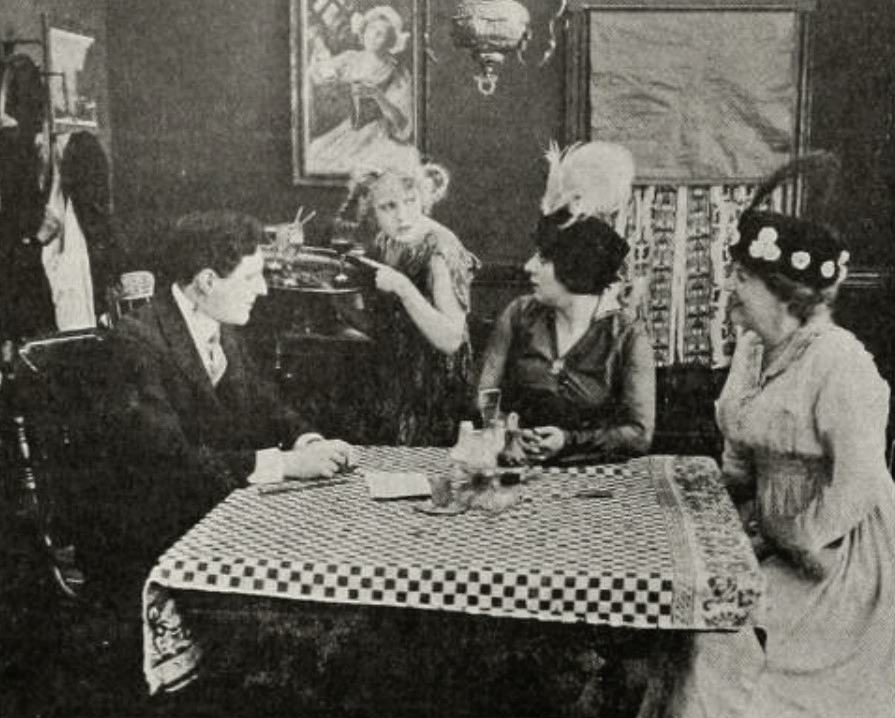
However, no good deed, or rather, no convenient marriage, goes unpunished in the realm of melodrama. The specter of Arthur's past love, a woman whose name we can only assume carries the weight of his previous heartbreak, re-enters the narrative. Having become a widow, she now perceives an opportune moment to reclaim Arthur, believing that his new marriage is merely a temporary diversion. Clara Beyers, as this manipulative figure, embodies the classic antagonist – beautiful, cunning, and utterly ruthless in her pursuit of what she believes is rightfully hers. Her character provides the crucial external conflict that tests the fragile bond between Arthur and Bonnie, mirroring the intricate web of deceit found in films like The Stranglers of Paris, where personal vendettas often drive complex, dangerous schemes.
The ex-lover, driven by a potent cocktail of jealousy and possessiveness, orchestrates a truly insidious plot. She arranges to place Bonnie in a compromising situation with another man, a classic trope designed to undermine a woman's reputation and shatter her marital standing. This calculated act of sabotage is intended to expose Bonnie to scandal, thereby making her seem unworthy of Arthur and driving him back into the arms of his former paramour. The tension during these scenes is palpable, as the audience is left to wonder if Bonnie's innocence, already fragile from her upbringing, will be irrevocably tarnished. The film expertly builds suspense around this deception, relying on visual cues and the expressive acting typical of the silent era to convey the gravity of the situation.
What truly elevates "Little Miss Nobody" beyond a mere potboiler is the meticulous development of Arthur and Bonnie's relationship. What began as a pragmatic arrangement gradually, almost imperceptibly, transforms into a genuine bond of affection and trust. Their shared experiences, the quiet moments of companionship, and Arthur's unwavering respect for Bonnie, even in the face of her humble origins, cultivate a deep emotional connection. Violet Mersereau's portrayal of Bonnie's growing confidence and affection, contrasted with her initial timidity, is particularly compelling. It’s a testament to the power of kindness and mutual understanding to forge true partnership, a theme explored in other narratives of the period concerning social disparities and unexpected unions, such as Nina, the Flower Girl.
The film’s climax, centered around the ex-lover’s desperate scheme, serves as the ultimate crucible for this burgeoning love. The moments where Bonnie's reputation hangs by a thread are charged with dramatic intensity. Will Arthur believe the fabricated evidence? Will the subtle whispers of doubt poison his perception of his innocent wife? The silent film medium, without the aid of dialogue, relies heavily on the actors' facial expressions, body language, and the director's skillful use of close-ups and dramatic pacing to convey the emotional turmoil. Mackin's conflicted expressions, Beyers's triumphant sneers, and Mersereau's anguished pleas are all masterfully orchestrated to deliver a powerful emotional punch. This dramatic peak is a classic example of silent film storytelling at its most effective, using visual narrative to keep the audience enthralled.
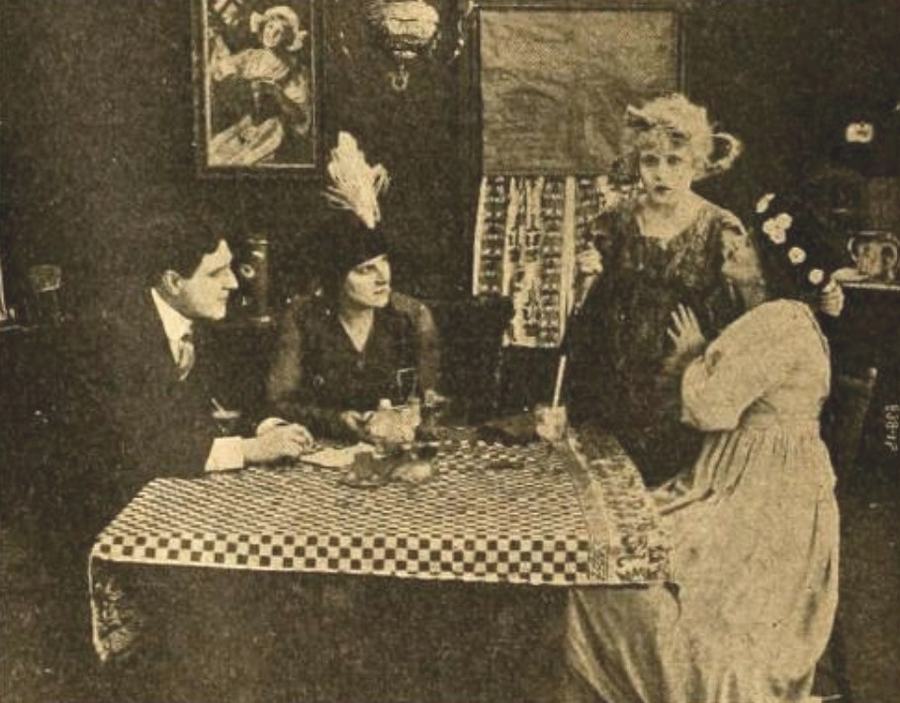
Ultimately, the strength of Arthur and Bonnie's bond proves indomitable. Despite the cunning and malice arrayed against them, their love, forged in the fires of adversity and nurtured by genuine care, cannot be broken. This resolution, while perhaps predictable for a melodrama of the era, is nonetheless satisfying. It reaffirms the timeless notion that true affection can withstand the most nefarious of plots. The film, in its quiet triumph, champions emotional integrity over superficial appearances and mercenary motives, a message that resonated deeply with audiences then and continues to hold relevance today. It’s a narrative choice that contrasts sharply with the cynical pragmatism often depicted in stories where money and status dictate romantic outcomes, such as the initial premise of Arthur's former lover.
From a technical standpoint, "Little Miss Nobody" showcases the evolving craft of silent filmmaking in 1917. The cinematography, while perhaps not groundbreaking by today's standards, effectively captures the grim realities of the saloon environment and the more refined, if emotionally fraught, settings of Arthur's world. The use of intertitles is judicious, providing essential plot points and character dialogue without overwhelming the visual narrative. The performances, particularly from Violet Mersereau, are a highlight. Mersereau, a prominent figure in early cinema, conveys a remarkable range of emotions through subtle gestures and expressive eyes, embodying Bonnie's transformation from a downtrodden girl to a woman secure in her husband's love. Her ability to communicate vulnerability and burgeoning strength without a single spoken word is truly captivating, putting her in league with other expressive silent film stars of the time.
The film's exploration of social class is also noteworthy. Bonnie's origins in the saloon, a symbol of working-class struggle and moral ambiguity, are starkly contrasted with Arthur's more refined background as a playwright. Yet, their union transcends these societal divides, suggesting a progressive outlook on love and partnership that was perhaps ahead of its time. This theme of bridging social gaps through genuine affection is a recurring motif in cinema, seen in various forms across different cultures, from Strejken's focus on class conflict to the more romanticized class crossings in films like The Poor Little Rich Girl, albeit with different narrative aims. "Little Miss Nobody" posits that character and love are more potent than inherited status or wealth, a refreshing sentiment given the era's rigid social hierarchies.
The writing by John C. Brownell is robust, crafting a narrative that, despite its melodramatic flourishes, maintains a believable emotional core. The characters are well-defined, their motivations clear, and the plot progression logical within the genre's conventions. While some might dismiss silent melodramas as overly simplistic, Brownell’s script, under the direction of Solman and Roden, demonstrates a keen understanding of dramatic tension and character development. The way the plot threads – Arthur’s past heartbreak, Bonnie’s present danger, and the ex-lover’s machinations – are skillfully woven together speaks to a sophisticated approach to storytelling, even without audible dialogue. The film doesn't shy away from depicting the darker aspects of human nature, yet it ultimately champions virtue and fidelity.
Comparing "Little Miss Nobody" to its contemporaries reveals its distinct charm. While films like The Penitentes explored religious fanaticism and The Man Who Would Not Die delved into more adventurous, action-oriented narratives, "Little Miss Nobody" firmly grounds itself in the domestic and romantic drama, albeit with high stakes. It shares thematic DNA with films focused on moral dilemmas and personal redemption, but it distinguishes itself through its focus on the transformative power of an unconventional love story. It’s less about grand societal statements and more about individual salvation through connection, a subtle yet powerful message.
In conclusion, "Little Miss Nobody" is more than just a historical curiosity; it is a compelling piece of early cinema that offers rich insights into the storytelling techniques and societal concerns of its time. The film’s narrative, though rooted in the melodramatic traditions of the era, remains surprisingly engaging, thanks to strong performances, particularly from Violet Mersereau, and a well-structured plot. It serves as a powerful reminder that the fundamental human desires for security, love, and acceptance are timeless, transcending the technological limitations of early filmmaking. For cinephiles and historians alike, this film is a valuable artifact, a testament to the enduring appeal of a well-told story where love, against all odds, finds its triumphant stride. It’s a silent film with a loud heart, echoing the universal truths of human connection.
IMDb —
1929
Community
Log in to comment.