DbcultAccessing Vault...
5.9/10
Senior Film Conservator
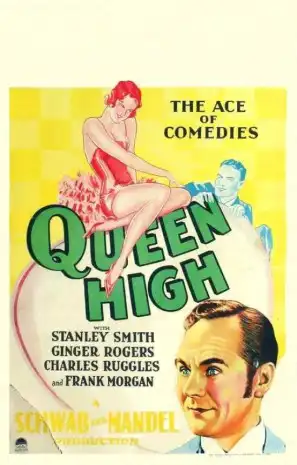
A definitive 5.9/10 rating for a film that redefined the boundaries of cult cinema. Queen High remains a cornerstone of transgressive art.
So, Queen High. Is it worth tracking down today? Well, if you’re a real devotee of those early talkie comedies, the kind where the sound is a little echo-y and the pacing feels like a different planet, then yes, probably. Others might find it a bit of a slog. It’s definitely for folks who appreciate old-fashioned screwball setups, but if you need modern snappiness, you'll likely hate it. 🤷♀️
The whole thing kicks off with two business partners, T. Boggs John (Charles Ruggles) and Richard Lee (Frank Morgan), who apparently run a ladies' garter company. That alone is a bit of a funny image, these two gentlemen feuding over — well, garters. They just can't stand each other, always at loggerheads.
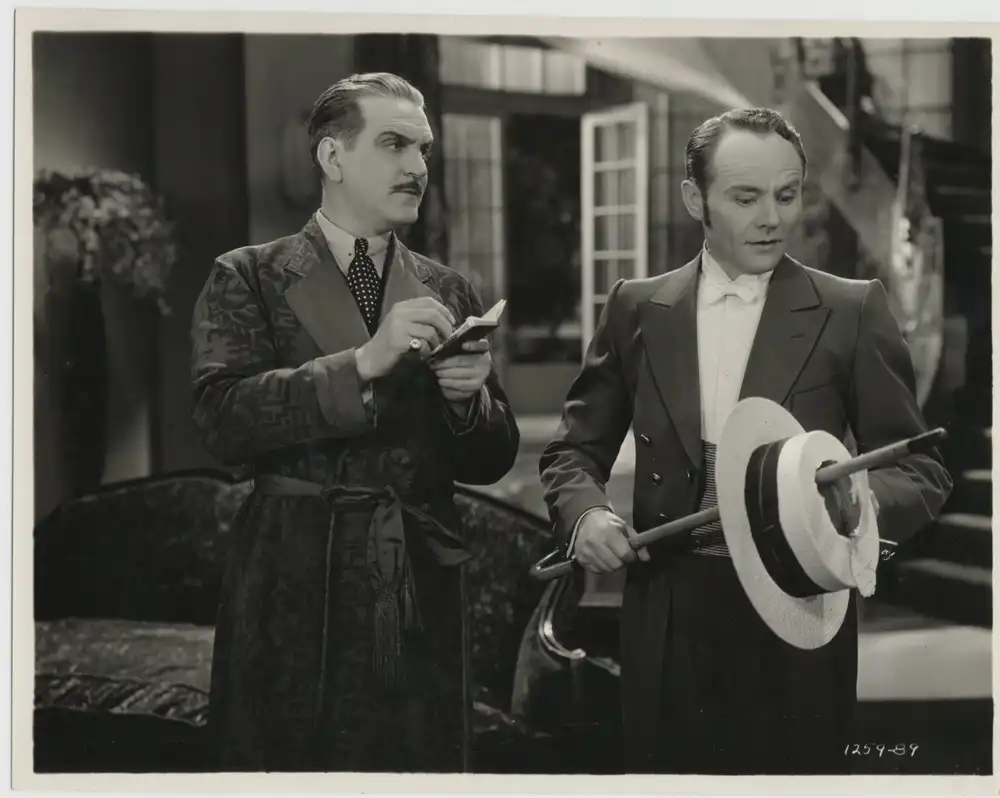
They march into their lawyer’s office, whose name honestly kinda slips past you. Anyway, these two garter kings are at their wits' end. They want to dissolve the partnership, right? But the lawyer suggests something utterly bonkers instead. A single game of poker. The loser has to be the winner’s personal servant for an entire year. Talk about high stakes for a pair of sock suspender moguls! 🃏
Charles Ruggles as T. Boggs John really carries a lot of the early laughs. His exasperated sighs and eye-rolls are just gold. You can almost feel him thinking, "Why am I even here?" every second he’s on screen with his partner. He’s got that specific kind of flustered charm down pat.
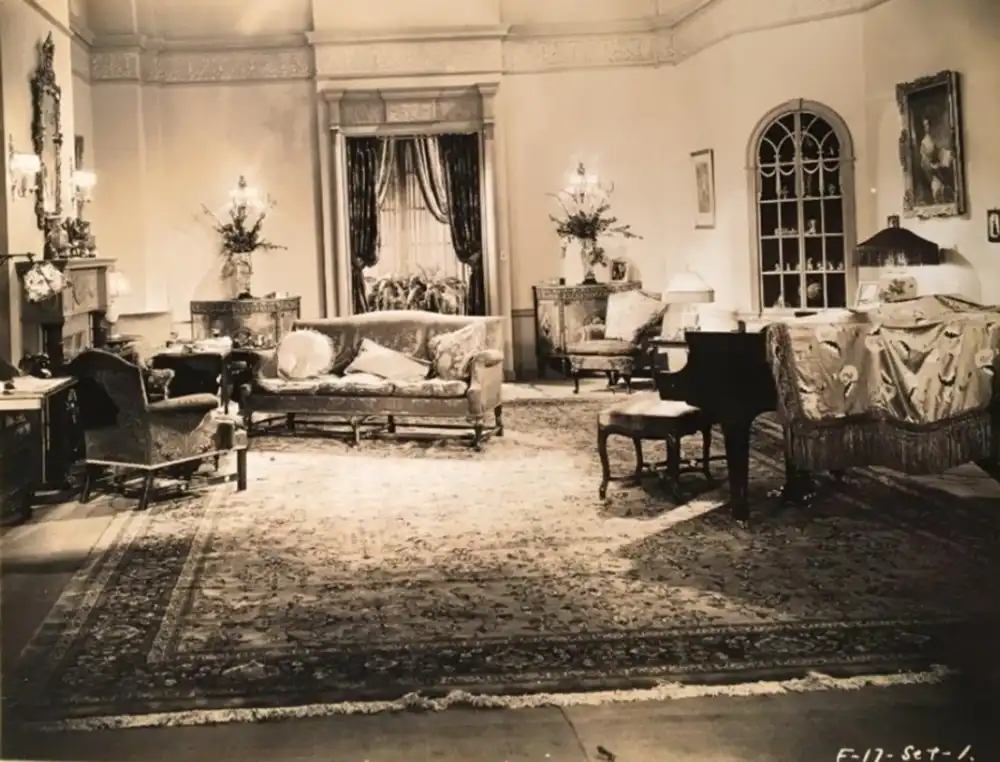
The poker game itself is pretty much the central event, obviously. The way the camera lingers on their faces as they lay down their cards – it’s a bit theatrical, sure, but you can feel the tension. For such a silly premise, they really try to make this moment matter.
And then, the servitude begins. This is where the movie tries to earn its keep. The tasks the loser has to do, they’re not just mundane. They’re designed for maximum humiliation. Seeing a grown man, a business partner no less, forced to fetch slippers or polish shoes, it’s got a certain Looney Tunes feel to it, but played with a straight face.
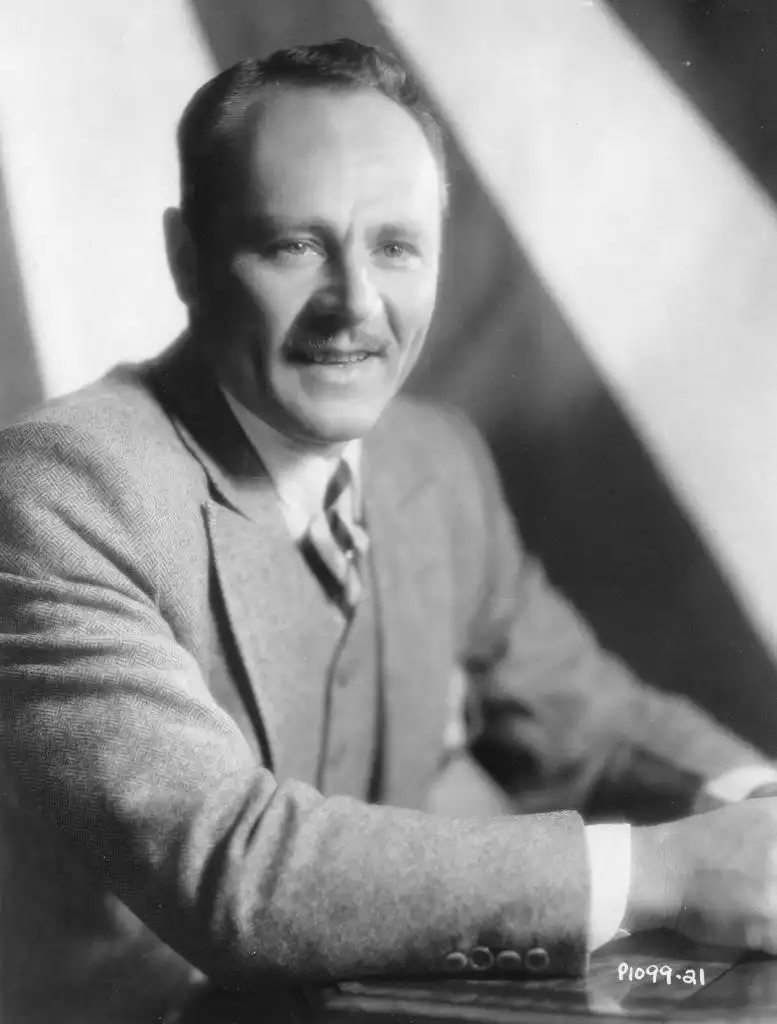
There's this one scene where Ruggles' character, now the servant, is trying to serve breakfast, and everything just goes wrong. The coffee spills, toast flies. It’s a classic bit, but Ruggles sells the sheer, miserable indignity of it all so well. You just feel a little bit bad for him, even as you chuckle. He’s not a good servant, which, well, makes sense.
And Ginger Rogers? She’s in here! It’s one of her very early roles, and she pops up as Polly. She doesn't have a massive amount of screen time, but you can already see that spark. She’s got this youthful energy that's just magnetic, even in a relatively small part. It makes you remember why she became such a big star later on.
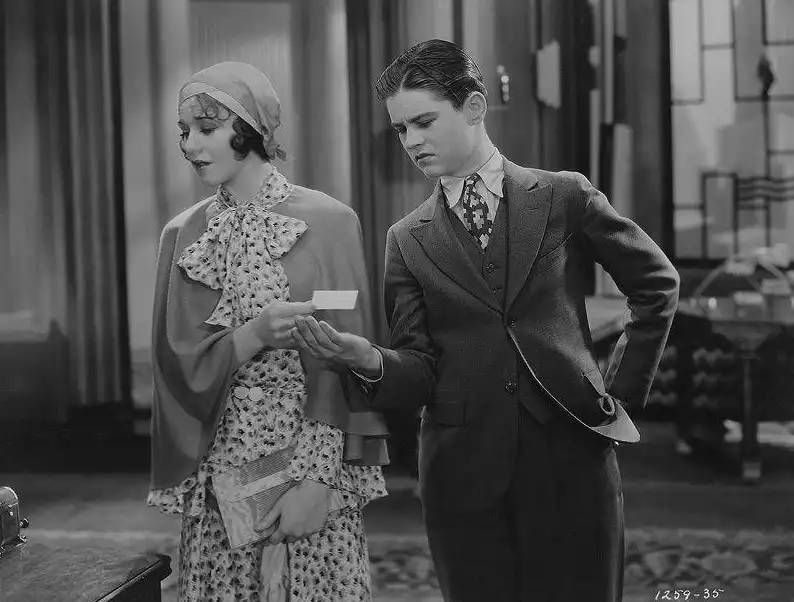
The dialogue is snappy for its time, though some of the jokes haven’t aged perfectly. There are moments when a line lands a bit flat, but then another one comes along that’s surprisingly sharp. It’s like they were still figuring out how to write for sound films, you know? The rhythm sometimes feels a little off, like an early jazz record where the band hasn’t quite found its groove yet.
The whole garter business angle is just bizarre enough to be memorable. Who even thinks of that? It’s such a specific, almost quaint detail that roots the film firmly in its era. You wouldn’t see a movie today about a garter magnate’s feud, would you? 😅
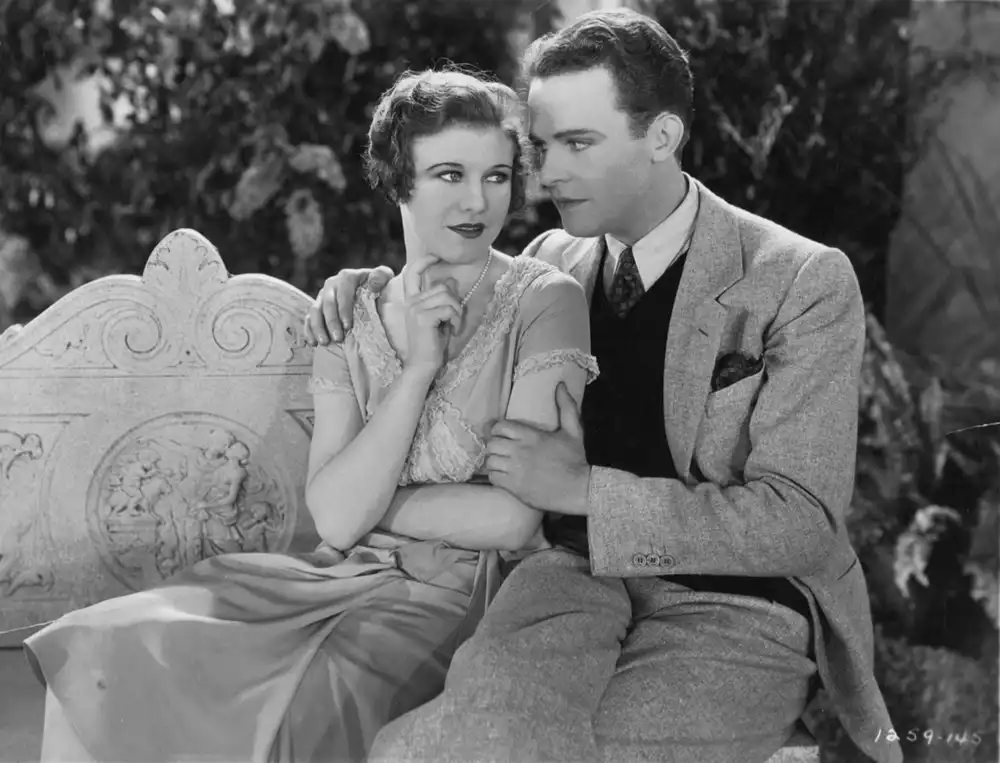
Pacing-wise, it’s definitely a product of 1930. There are some scenes that feel like they could’ve been trimmed by a good 30 seconds. A few reaction shots hold just a little too long, making you wonder if the director was waiting for something else to happen. But that's part of the charm, sometimes. It forces you to slow down.
The ending wraps things up pretty neatly, as you'd expect for a comedy like this. No major surprises, but it leaves you with a smile. It's not trying to be Smilin' Through with deep emotional resonance. It's just a bit of fun.
Did it stick with me? Honestly, mostly the idea of that poker bet. And Ruggles’ face. That's the real takeaway. It’s a curiosity, a slice of early Hollywood trying to figure out how to be funny with sound. It's not a must-see unless you're really into the history, but it’s certainly not a waste of an evening if you stumble across it.
IMDb 5.8
1930
Community
Log in to comment.