DbcultAccessing Vault...
7/10
Senior Film Conservator
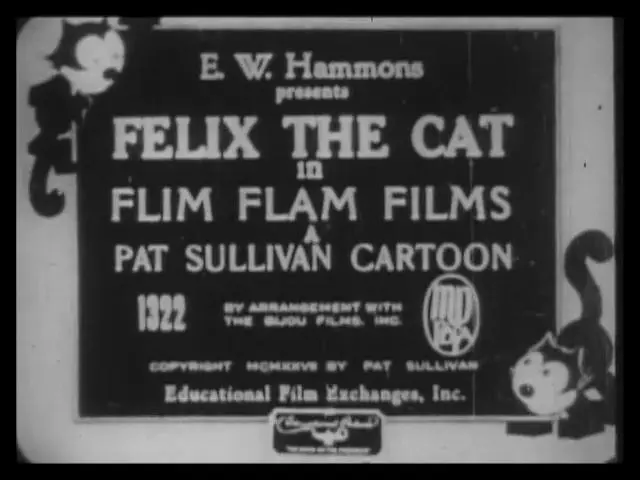
A definitive 7/10 rating for a film that redefined the boundaries of cult cinema. Flim Flam Films remains a cornerstone of transgressive art.
Is "Flim Flam Films" a cinematic relic best left in the archives, or does it still possess a spark for modern audiences? Short answer: yes, but with significant caveats. This early work is absolutely worth watching today for anyone fascinated by the foundational trickery and nascent artistry of cinema's earliest days, particularly those with a keen interest in the evolution of special effects and showmanship.
However, it is emphatically not for viewers seeking contemporary narrative pacing, sophisticated character development, or high-definition spectacle. It demands patience and an appreciation for historical context, making it a niche delight rather than a universal recommendation. You must approach it as an archaeological dig into the very soul of illusion.
This film works because of its audacious spirit and its surprisingly self-aware commentary on the nature of cinematic truth. It fails because its technical limitations and episodic structure can test the patience of even the most dedicated cinephiles. You should watch it if you are a film historian, an animation enthusiast curious about Otto Messmer's live-action roots, or simply someone who delights in the raw, unrefined magic of early filmmaking.
"Flim Flam Films" stands as a peculiar artifact from an era when the moving image was less an art form and more a mesmerizing novelty, a carnival attraction in its purest sense. Directed with a clear, if unsophisticated, vision, this early picture is less a story in the conventional sense and more a series of vignettes illustrating the burgeoning power of cinematic illusion. It's a meta-narrative before such terms existed, exploring the very act of creating and consuming fabricated realities. The title itself is a cheeky wink to its own premise.
What strikes a modern viewer is the sheer audacity of its premise, particularly given the rudimentary technology available. The film doesn't just show a showman; it embodies the spirit of showmanship that defined early cinema itself. Every frame, every exaggerated gesture, every crude effect, feels like a direct address to an audience still grappling with the concept of a picture that moves. It’s a fascinating look at how filmmakers, even then, were already pushing the boundaries of what could be believed.
At the heart of "Flim Flam Films" is the captivating, if broad, performance by Otto Messmer as Professor Alistair "Al" Flimflam. Known primarily for his groundbreaking animation work with Felix the Cat, Messmer’s on-screen presence here is a revelation for those accustomed to his behind-the-scenes genius. He imbues Al Flimflam with a theatricality that perfectly suits the era, a blend of snake-oil salesman and wide-eyed visionary. His gestures are expansive, his expressions bold, designed to be read from the back rows of a darkened tent.
Messmer doesn't just play a character; he embodies an archetype. His Al Flimflam is the embodiment of the early cinematic entrepreneur – resourceful, charming, and utterly convinced of the power of his own illusions. There’s a particular scene where Al, facing a skeptical journalist, performs a frantic, almost desperate pantomime to explain his 'Gargantuan Golem' footage. Messmer’s physical comedy in this moment, a blend of exaggerated fear and feigned scientific rigor, is genuinely compelling, showcasing a range beyond simple slapstick.
This performance, while lacking the psychological depth we expect from modern acting, is precisely what the film requires. It's a bridge between vaudeville and the nascent art of screen acting, a masterclass in how to command attention without a single spoken word. One could argue that without Messmer’s magnetic, if over-the-top, portrayal, the film would collapse under the weight of its own simple conceit. He carries the entire spectacle on his shoulders, much like Al Flimflam carries his traveling cinema.
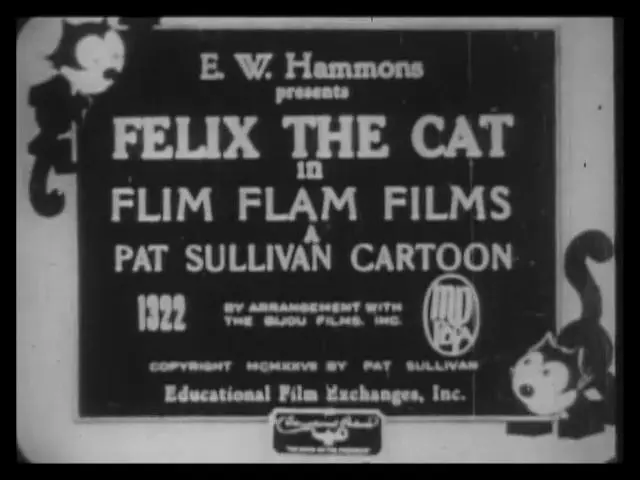
The direction, while credited to an unknown entity, feels distinctly aligned with the experimental spirit of the period. Camera placement is often static, prioritizing the full frame to capture the action, much like a stage play. Yet, within these constraints, there are flashes of genuine ingenuity. The film makes remarkable use of forced perspective and simple in-camera effects to create its 'Gargantuan Golem' sequences. These moments, crude by today's standards, are surprisingly effective in conveying the intended sense of awe and terror for a 1910s audience.
Consider the 'Golem's first appearance' sequence: a distant, shaky shot of a miniature creature lumbering across a fabricated landscape. The camera's deliberate wobbling, the slightly out-of-focus background, all contribute to an intentional sense of unease and spectacle. It’s not just a technical solution; it’s a directorial choice that enhances the illusion, making the unbelievable seem just plausible enough. This early embrace of cinematic trickery lays groundwork for later, more sophisticated visual effects in films like Beauty and the Beast.
The cinematography, relying heavily on natural light and stark contrasts, gives the film a dreamlike, almost archival quality. The tent interiors, often dimly lit, create a sense of intimacy and mystery, perfectly complementing Al Flimflam's deceptive trade. The exterior shots, by contrast, are bright and open, emphasizing the stark difference between the world of illusion and the 'real' world outside the showman’s tent. This visual dichotomy is surprisingly sophisticated for such an early work.
The pacing of "Flim Flam Films" is undeniably deliberate, almost leisurely by modern standards. It unfolds in a series of escalating deceptions, each building upon the last with a rhythmic predictability that becomes its own form of suspense. There’s a certain charm to this unhurried approach, allowing the audience to fully absorb the spectacle and the evolving reactions of the on-screen characters.
The tone is a delightful blend of lighthearted comedy and subtle satire. It pokes fun at the gullibility of audiences while simultaneously celebrating the infectious enthusiasm of the showman. There’s a surprising warmth to Al Flimflam, despite his dubious ethics. The film never judges him harshly, instead presenting him as a product of his time, a pioneer of entertainment navigating a new medium. This refusal to moralize gives the film a timeless quality, allowing its observations on human nature to resonate even today.
"Flim Flam Films" is a bold, if technically primitive, statement on the power of cinema to shape perception. It’s a film that doesn't just tell a story, but actively performs its own argument about the nature of truth in a moving image. Its raw energy is infectious. It works. But it’s flawed. The lack of a truly compelling antagonist beyond general skepticism means the dramatic stakes, while present, never quite reach a fever pitch, which might disappoint those looking for a more traditional conflict resolution. The film's strength lies in its concept, not necessarily its execution of conventional plot points. This is a debatable opinion, as some might find the subdued conflict more authentic to the era's storytelling sensibilities. However, I believe a stronger counterpoint to Al's schemes would have elevated the narrative tension considerably without sacrificing its historical authenticity.Key Takeaways
- Best for: Film historians, students of early cinema, fans of Otto Messmer, and those interested in the origins of special effects.
- Not for: Viewers seeking fast-paced narratives, complex character studies, or modern production values.
- Standout element: Otto Messmer's surprisingly charismatic and physically expressive performance as Professor Alistair Flimflam, a true precursor to the animated characters he would later define. His ability to convey so much with so little is remarkable.
- Biggest flaw: Its episodic structure and reliance on broad comedic strokes can feel dated, lacking the sustained narrative tension that would become a hallmark of feature filmmaking.
Pros and Cons
Pros:
- Historical Significance: Offers an invaluable window into the early days of cinema, its techniques, and its cultural impact. It’s a living document of a pivotal moment.
- Unique Premise: A meta-commentary on illusion and deception within the very medium of film, predating such self-awareness by decades. This is an unconventional observation for its time.
- Otto Messmer's Performance: A rare chance to see a foundational figure in animation in front of the camera, delivering a performance that is both era-appropriate and surprisingly engaging.
- Ingenious Early Effects: The rudimentary special effects, particularly those involving the 'Gargantuan Golem,' are fascinating examples of early cinematic problem-solving. They show a clear lineage to later works like The Night Cry in their practical ingenuity.
- Charming Tone: Maintains a light, humorous tone throughout, making its philosophical underpinnings digestible and entertaining.
Cons:
- Dated Pacing: The film's leisurely rhythm can be a significant hurdle for contemporary viewers accustomed to faster cuts and more dynamic storytelling.
- Simple Narrative: The plot is more episodic than cohesive, lacking the intricate twists and turns found in more developed screenplays, even from its own era, such as Landru, der Blaubart von Paris.
- Technical Limitations: As an early silent film, it inherently lacks sound design, color, and the visual fidelity modern audiences expect. This requires a generous historical lens.
- Limited Character Depth: While Messmer is excellent, the supporting characters are largely caricatures, serving primarily as foils or awe-struck spectators.
- Niche Appeal: Its primary value is academic or historical, meaning it won't resonate with a broad audience seeking mainstream entertainment.
Verdict
"Flim Flam Films" is more than just a historical curiosity; it’s a vibrant, if rough-around-the-edges, testament to the enduring human fascination with illusion. Otto Messmer's central performance is a delightful surprise, anchoring a film that otherwise could have felt too abstract in its meta-commentary on cinema. It serves as a crucial reminder that the core principles of captivating an audience – spectacle, character, and a touch of the unbelievable – were present from the very beginning.
While it demands a degree of historical empathy and a willingness to embrace its archaic charms, the rewards are substantial. For those who appreciate the foundational building blocks of what cinema would become, who delight in seeing the raw, untamed spirit of invention, "Flim Flam Films" offers a uniquely insightful and surprisingly entertaining experience. It is a film that, despite its age and simplicity, still manages to pull back the curtain on the magic of moviemaking, even if that magic is sometimes just smoke and mirrors. It's a must-see for serious film enthusiasts, and a delightful diversion for the curious.
IMDb —
1922
Community
Log in to comment.