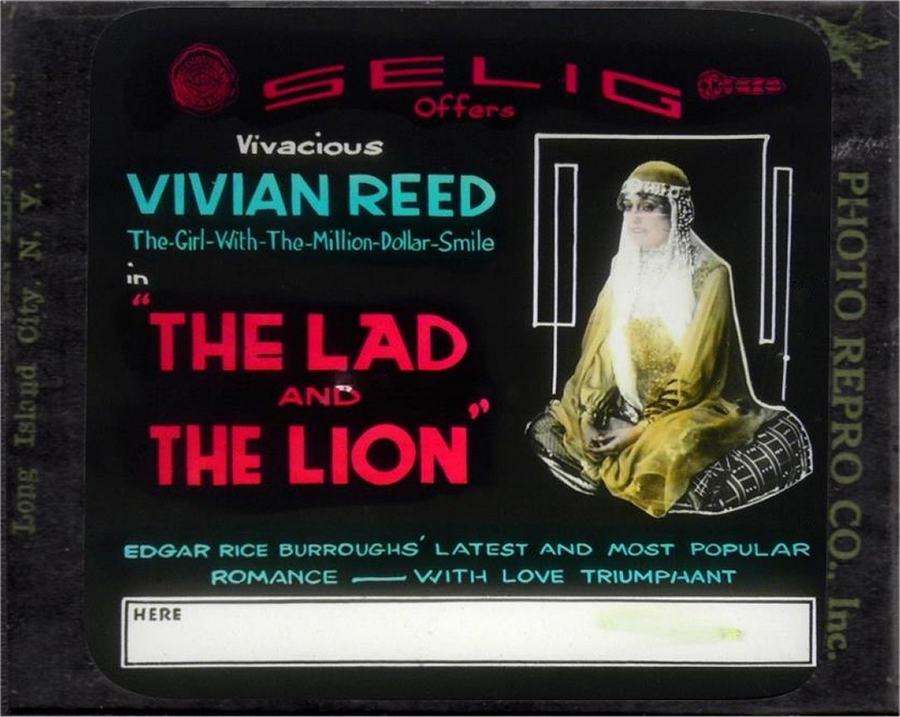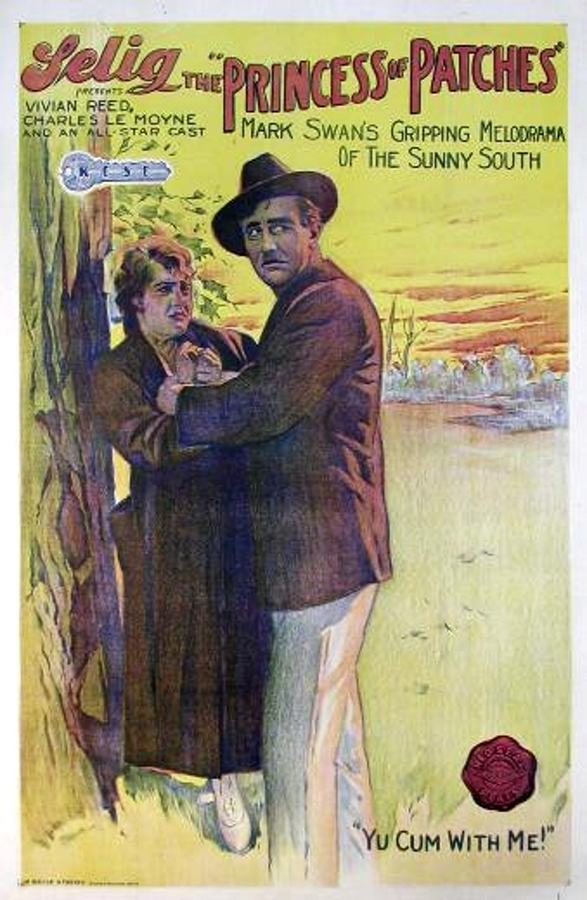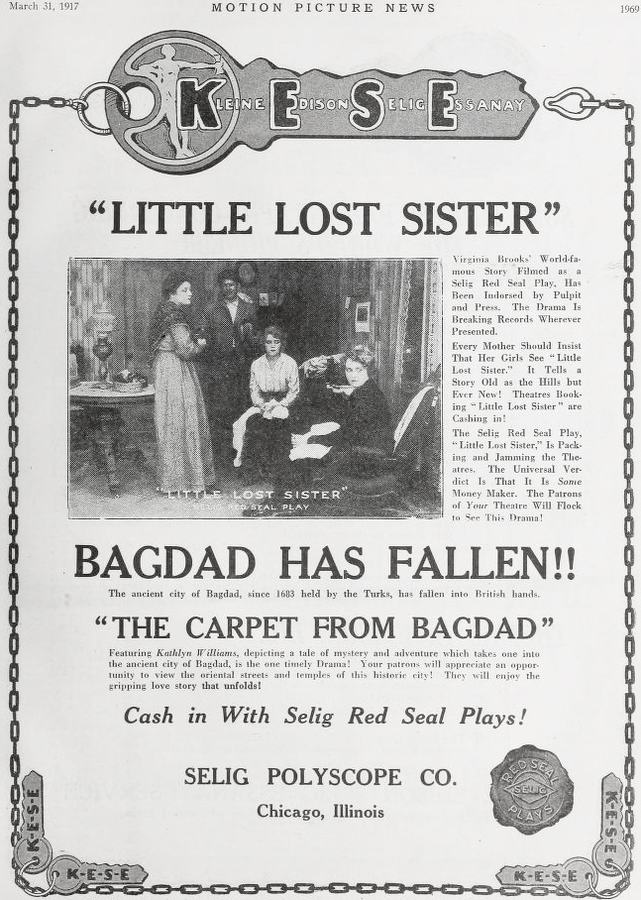
A hymn of celluloid bruises, Little Lost Sister arrives like a lantern swung over the lip of a mineshaft: the flame gutters, the shadows dance, and every flicker etches a fresh wound on the walls of your chest. Watch Vivian Reed’s face in close-up—luminous, famine-thin, a paper cut-out held against the sun—and you u...
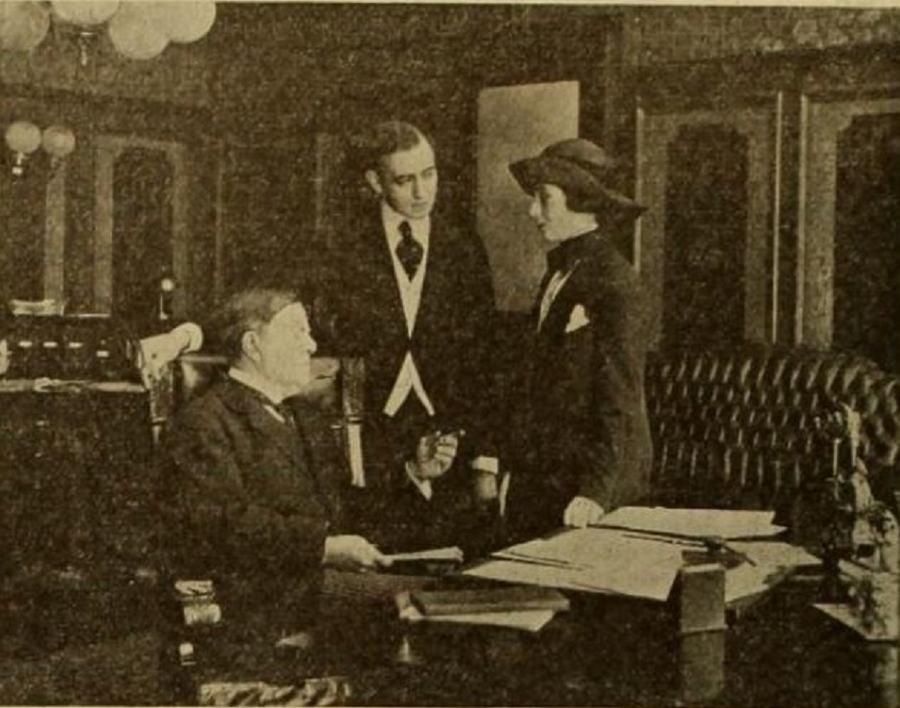
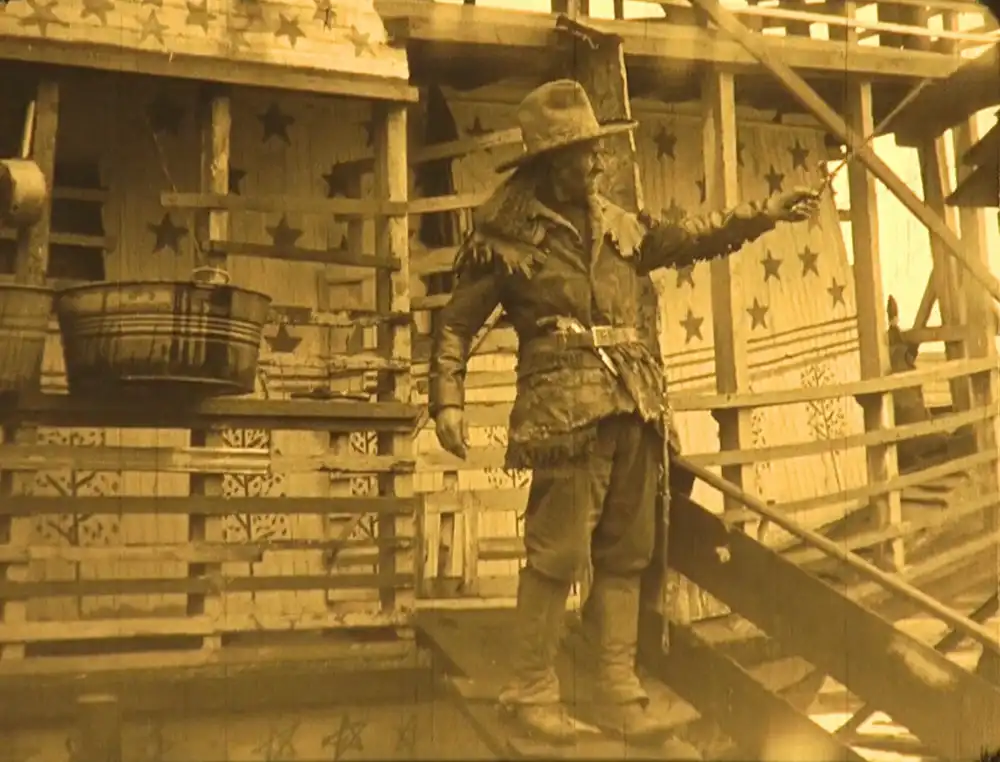
still_frame
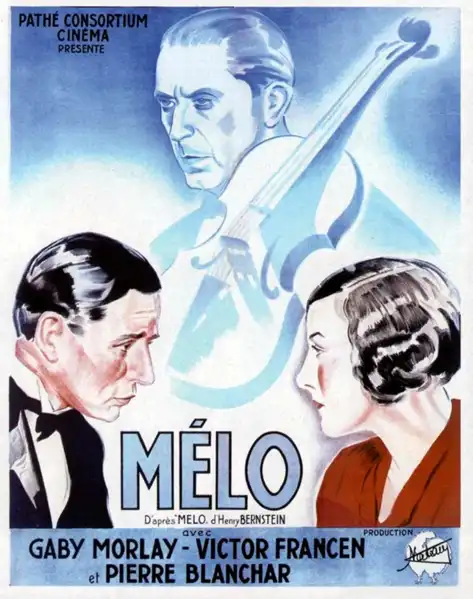
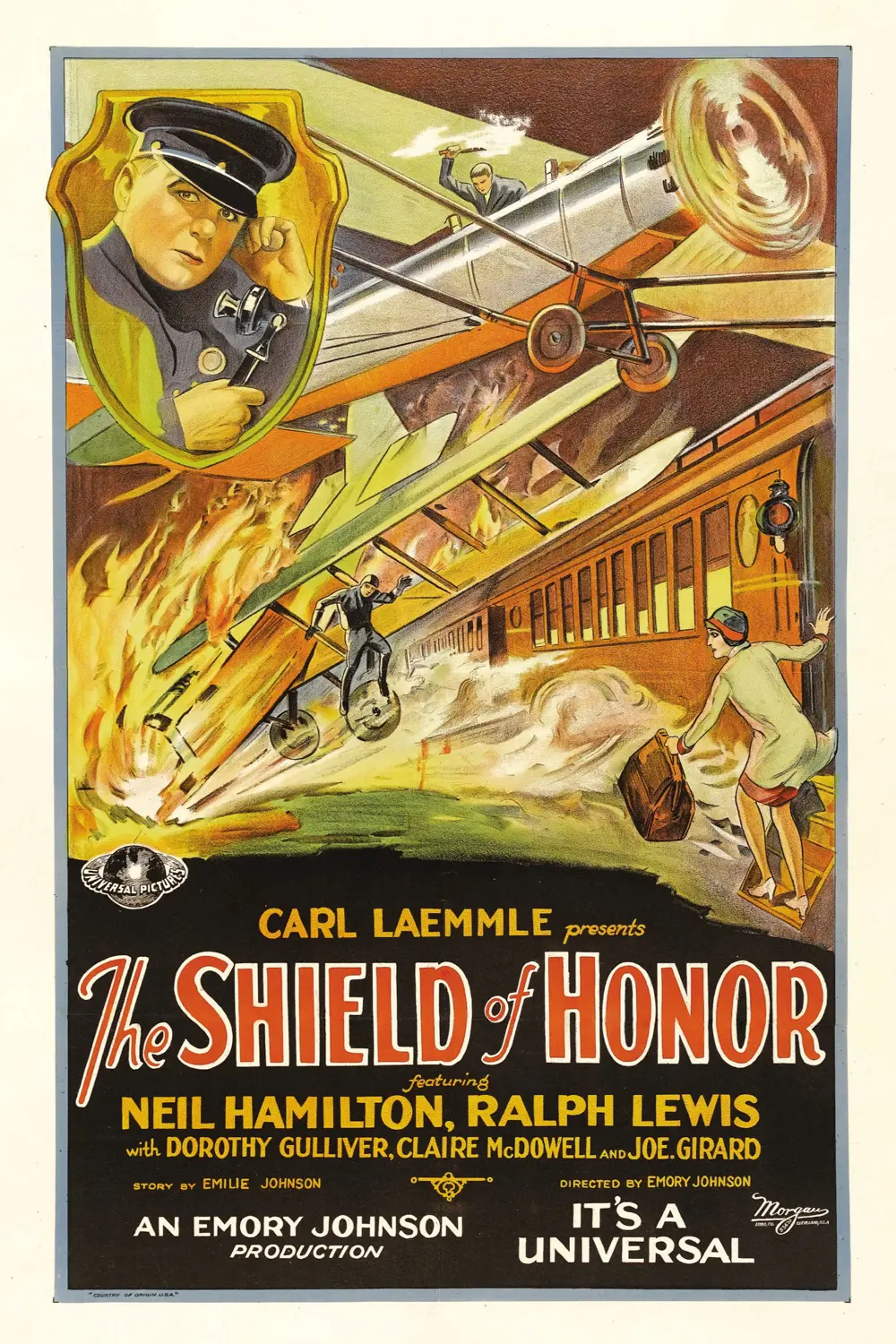
Comparing the cinematic DNA and archive impact of two defining moments in cult history.
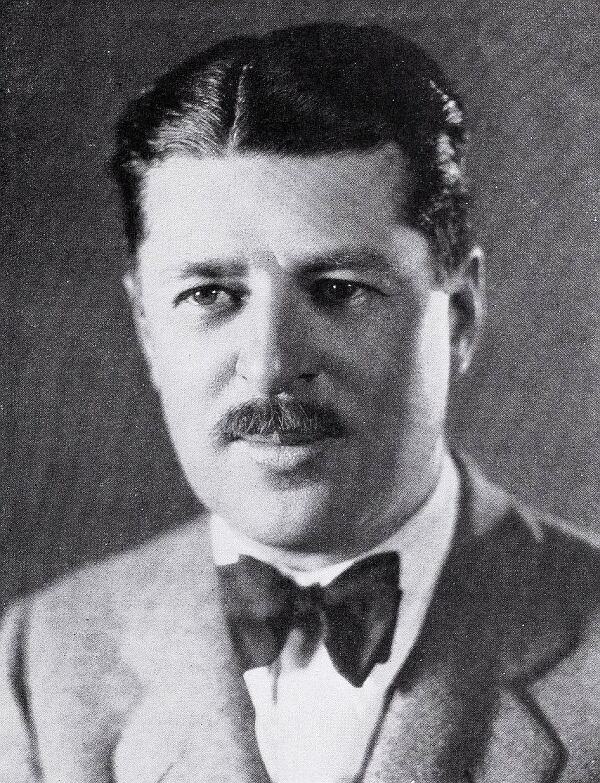
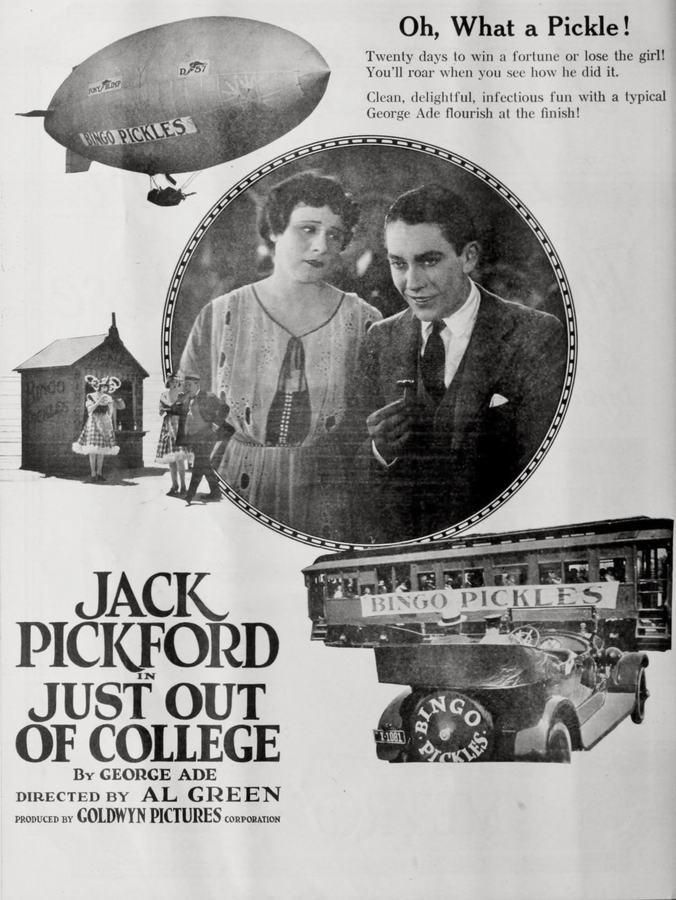
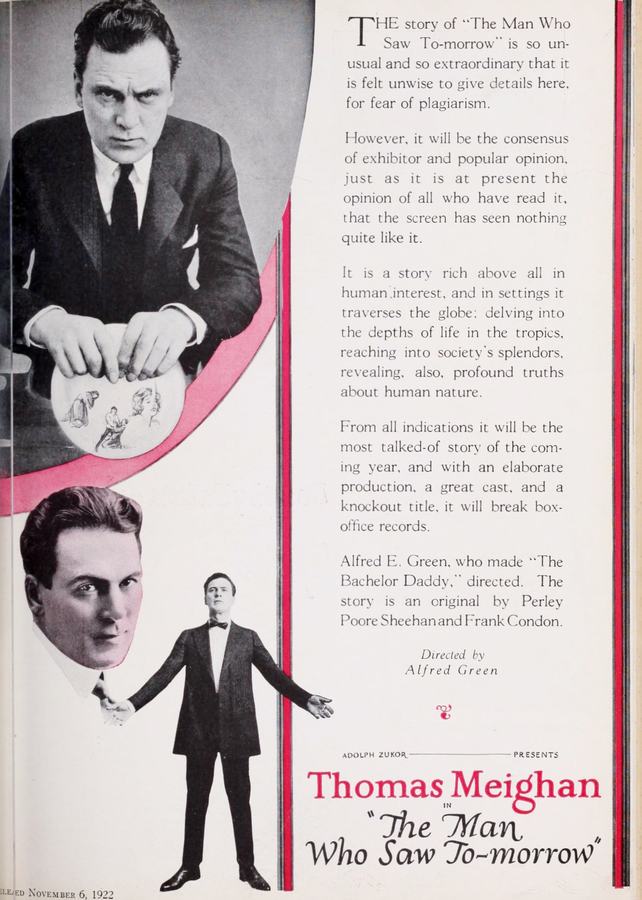
Alfred E. Green
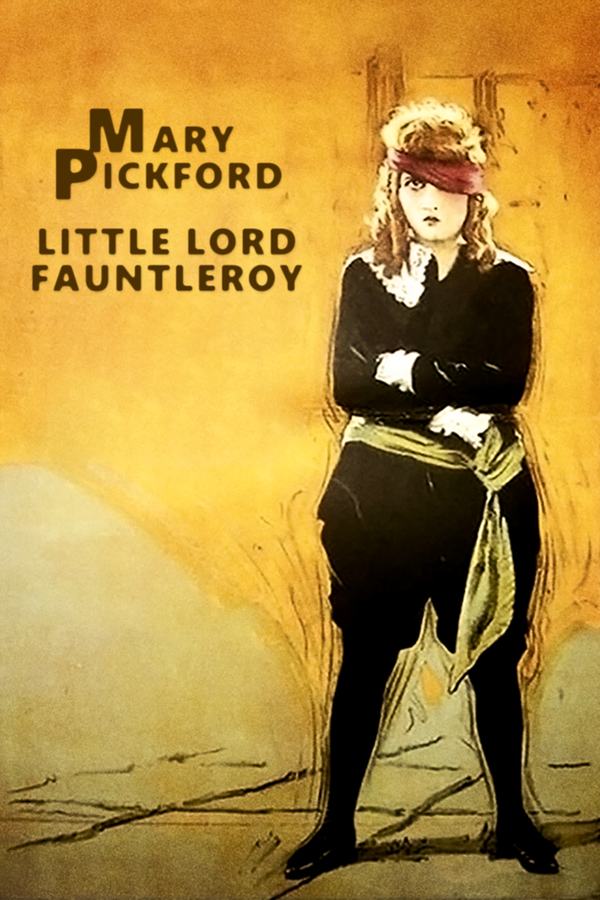
Alfred E. Green
Community
Log in to comment.
" A hymn of celluloid bruises, Little Lost Sister arrives like a lantern swung over the lip of a mineshaft: the flame gutters, the shadows dance, and every flicker etches a fresh wound on the walls of your chest. Watch Vivian Reed’s face in close-up—luminous, famine-thin, a paper cut-out held against the sun—and you understand why Griffith’s Victorian parables suddenly felt embalmed. Reed doesn’t act; she haunts. Her iris-in shots feel like séances: the camera leans closer, the screen dims, and..."
Deep dive into the cult classic
Discover similar cinematic experiences
A Directorial Spotlight on Alfred E. Green