DbcultAccessing Vault...
5.9/10
Senior Film Conservator
A definitive 5.9/10 rating for a film that redefined the boundaries of cult cinema. Quo Vadis? remains a cornerstone of transgressive art.
The 1924 iteration of Quo Vadis? stands as a towering, if often overlooked, monolith in the landscape of silent cinema. While the 1913 version pioneered the feature-length epic and the 1951 Technicolor remake defined the Hollywood sword-and-sandal genre, this mid-twenties co-production between Italy and Germany represents a fascinating aesthetic bridge. It is a work of staggering architectural ambition, capturing the transition from the theatrical staginess of early film to the sophisticated visual language of the late silent era. Under the direction of Gabriellino D'Annunzio and Georg Jacoby, the film transmutes Sienkiewicz’s prose into a sequence of opulent, often terrifying tableaux that demand a level of attention modern audiences rarely afford to monochromatic antiquity.
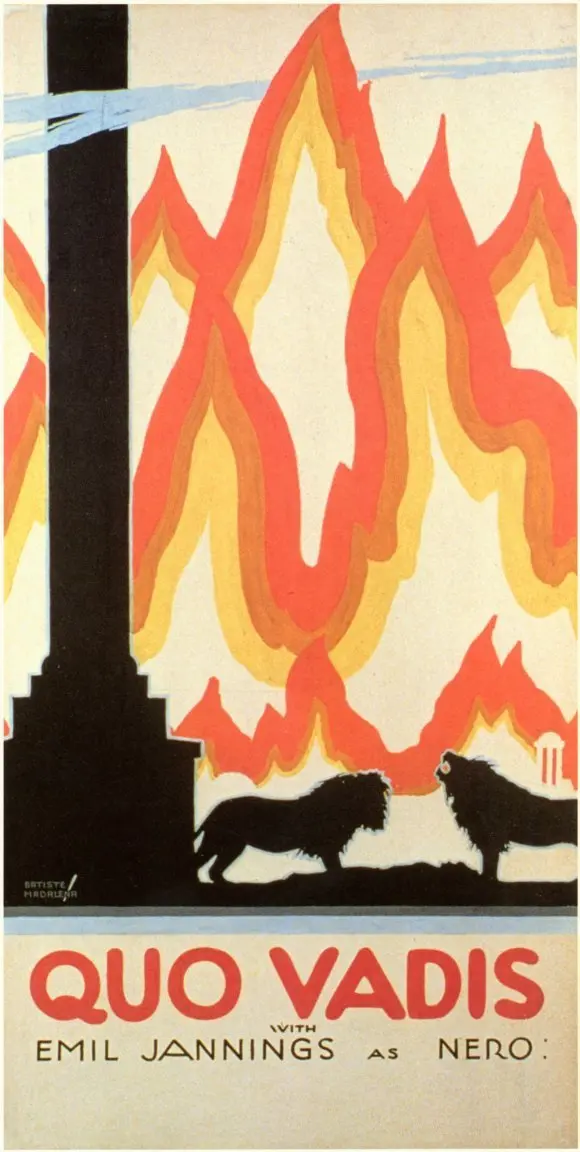
At the dark heart of this production lies Emil Jannings. Fresh from his triumphs in the German Kammerspielfilm movement, Jannings brings a psychological density to Nero that is profoundly unsettling. Unlike the campy villainy often associated with the role, Jannings portrays Nero as a bloated, petulant man-child, a frustrated artist whose medium is the suffering of his subjects. His performance is a masterclass in the grotesque; every twitch of his lip and every manic strumming of the lyre while Rome burns conveys a terrifying detachment from reality. This is not just a ruler; this is a man who has replaced morality with aesthetics. In many ways, the psychological claustrophobia Jannings brings to the screen reminds one of his work in Shattered (1921), where the silence serves to amplify the internal rot of the character.
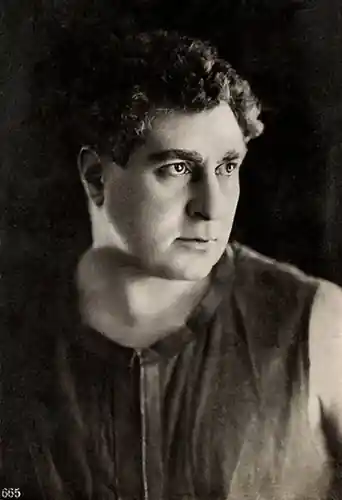
The contrast between Jannings’ Nero and the stoic, almost statuesque Marcus Vinicius (Alphons Fryland) creates a dynamic tension that sustains the film's lengthy runtime. Vinicius is the personification of the Roman machine—efficient, brutal, and unyielding—until he encounters the ethereal Licia (Lillian Hall-Davis). The chemistry here is not found in dialogue, obviously, but in the lingering close-ups and the way the lighting shifts from the harsh, sun-drenched arenas of pagan Rome to the soft, candle-lit shadows of the Christian catacombs. This visual dichotomy serves as the film’s primary narrative engine, illustrating the clash of civilizations through pure light and shadow.
The production design of Quo Vadis? is nothing short of miraculous for its time. The sets are not merely backgrounds; they are participants in the drama. The reconstruction of the Roman Forum and Nero’s palace exhibits a tactile reality that modern CGI struggles to replicate. There is a weight to the stone and a depth to the vistas that immerse the viewer in a bygone world. The sequence of the Great Fire of Rome is a technical marvel, utilizing intricate miniatures and actual pyrotechnics to create a sense of apocalyptic scale. As the flames lick the marble columns, one can almost feel the heat radiating from the screen. It is a spectacle of ruin that rivals the most ambitious sequences in Aladdin and the Wonderful Lamp (1917), though grounded in a much more grim historical realism.

This obsession with scale was characteristic of the Italian film industry's attempt to reclaim its dominance in the international market. By 1924, Hollywood was rapidly ascending, and Quo Vadis? was intended as a definitive statement of European cinematic prowess. The sheer number of extras used in the arena scenes creates a sense of crushing humanity, a swarm of bodies that highlights the insignificance of the individual against the whims of the state. This thematic thread of the individual lost in the machinery of history or destiny is also present in The Sport of the Gods (1921), although here it is writ large across the canvas of an entire empire.
Beyond the fire and the lions, the film is a deeply philosophical exploration of theocratic friction. The screenplay by Gabriellino D'Annunzio (son of the famous poet) and Georg Jacoby manages to distill Sienkiewicz’s dense theological debates into potent visual symbols. The sign of the fish, the humble gatherings in the woods, and the serene defiance of the martyrs are juxtaposed against the sybaritic banquets of the Roman elite. There is a scene where Nero looks through a green emerald at the suffering of others, a brilliant metaphor for the distorted lens through which power views the world. This level of symbolic sophistication is what elevates the film from a mere costume drama to a work of art.
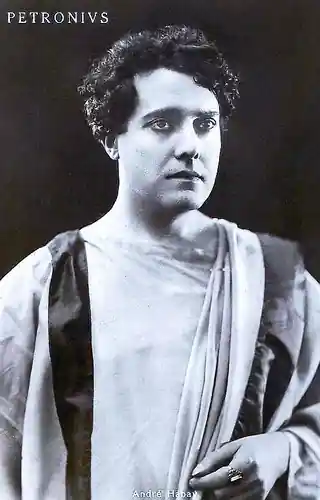
The portrayal of Christianity is, expectedly, hagiographic, but it is tempered by the very real sense of terror that the Roman state could exert. The sequences in the Mamertine Prison and the final march to the arena are filmed with a somber, almost documentary-like gravity. The film captures the transition of Marcus Vinicius from a man of action to a man of faith not through a sudden epiphany, but through a slow, painful erosion of his Roman identity. This internal journey is handled with more nuance than one might expect from a silent epic, avoiding the melodramatic pitfalls found in contemporary works like Oltre l'amore (1920).
The cinematography in Quo Vadis? utilizes a sophisticated palette of lighting techniques that were cutting-edge for 1924. The use of chiaroscuro—the sharp contrast between light and dark—is particularly effective in the scenes involving the Christians. The underground tunnels are depicted as a realm of shadows where the only light comes from the spiritual conviction of the believers. This contrasts sharply with the flat, bright, unforgiving light of the Roman day, which exposes the decadence and physical decay of the ruling class. The camera work, though largely static in the grand wide shots, becomes surprisingly intimate during the moments of personal crisis, utilizing the 'iris' effect and masking to focus the viewer’s eye on the emotional core of the scene.
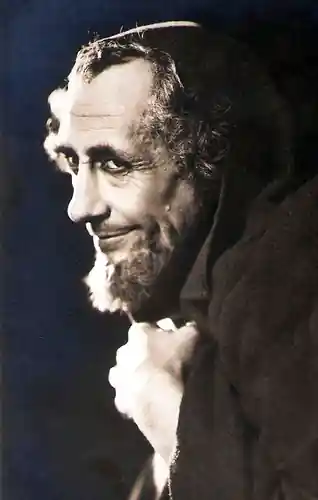
One cannot discuss the visual impact of the film without mentioning the costume design. From the intricate breastplates of the Praetorian Guard to the flowing, translucent silks of the court ladies, the costumes provide a texture that enriches every frame. In an era where many films relied on theatrical stock wardrobes, the bespoke nature of the attire here is evident. It creates a sense of historical specificity that helps ground the more fantastical elements of the plot. This attention to detail is something it shares with other high-budget productions of the time, such as A Child of Mystery (1916), which also used visual atmosphere to compensate for the lack of spoken dialogue.
To watch Quo Vadis? today is to witness the swan song of a certain kind of European monumentalism. Shortly after its release, the rise of sound would change the grammar of cinema forever, making these grand silent spectacles seem like relics of a more primitive age. However, there is a purity in this version that is lost in the talkies. Without the distraction of dialogue, the film relies on the primal power of the image. The sight of the lions being released into the arena, the vast crowds in the Colosseum, and the final, agonizing death of Nero are all conveyed with a visceral intensity that transcends language barriers.

The film also serves as a fascinating cultural artifact of the post-WWI era. The themes of a crumbling empire and the search for a new spiritual foundation resonated deeply with European audiences of the 1920s. In many ways, the film is as much about the anxieties of the 20th century as it is about the 1st. The depiction of the "barbarians" at the gates and the internal rot of the state mirrored the political instabilities of the time. While films like The Exiles (1923) dealt with the displacement of people in a contemporary setting, Quo Vadis? used the past to comment on the precariousness of the present.
In conclusion, the 1924 Quo Vadis? is a triumph of silent storytelling. It is a film that understands the power of the epic not just as a display of wealth and scale, but as a vehicle for profound human emotion. Emil Jannings’ performance remains one of the greatest portrayals of a historical figure in cinema history, capturing a complexity that few actors have matched since. The film’s technical achievements, from its massive sets to its innovative lighting, set a standard for the genre that would influence filmmakers for decades. It is a haunting, beautiful, and ultimately hopeful film that asks the eternal question—Whither goest thou?—and answers it with the enduring power of the human spirit.
Whether you are a scholar of silent film or a casual viewer looking for a spectacle that predates the digital age, this version of Quo Vadis? is essential viewing. It is a reminder that before there were pixels, there was stone; before there were surround-sound systems, there was the silence of the soul; and before there were superheroes, there were martyrs. It is a cinematic experience that, much like the Eternal City itself, remains indestructible despite the ravages of time.
IMDb —
1926
Community
Log in to comment.