DbcultAccessing Vault...
Cult Review
Senior Film Conservator
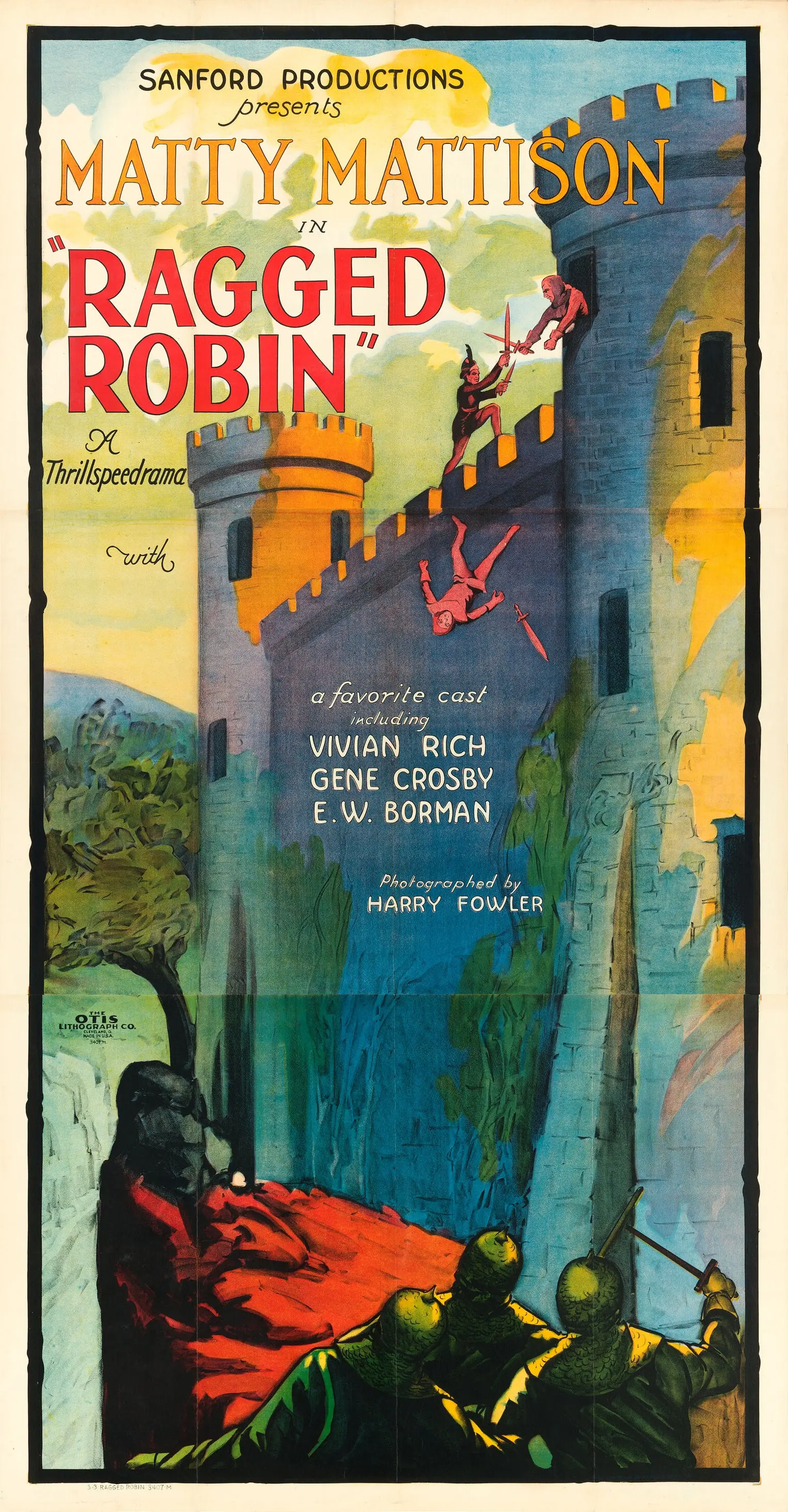
In the annals of cinematic history, certain films, often through no fault of their own, slip into the shadows, their brilliance awaiting rediscovery. Ragged Robin is precisely such a treasure, a profoundly resonant work that, even through the lens of time, speaks volumes about human nature, societal stratification, and the enduring power of art. It’s a film that demands more than mere viewing; it requires an immersion into its meticulously crafted world, a world where the glint of ambition often obscures the grit of reality, and where the most profound truths are found in the margins.
The narrative thrust of Ragged Robin is rooted in the vibrant, yet often unforgiving, urban landscape it so vividly portrays. We are introduced to Rosalind Thorne, a character of remarkable resilience and artistic temperament, known affectionately as 'Robin.' Her moniker, far from being a simple nickname, encapsulates her essence: a free spirit, somewhat wild and unkempt by societal standards, yet possessing an acute observational eye that transforms the mundane into the magnificent through her sketches. She is an embodiment of the 'ragged' beauty found in the forgotten corners of the city, a stark contrast to the polished facades of the elite. Robin’s struggles are not merely economic; they are existential. Her art is not just a pastime but a form of defiance, a way to imprint her unique perspective onto a world that often seeks to render her invisible. This struggle for artistic integrity against the backdrop of poverty is a theme echoed in many great works of the era, but Ragged Robin imbues it with a particular poignancy, largely due to its compelling central performance.
The film’s genius lies in its ability to paint a sprawling canvas of the city, from the bustling markets and shadowy alleyways where Robin finds her inspiration, to the opulent drawing rooms and hushed studies of the wealthy. The cinematography, even in its restored form, showcases a masterful understanding of light and shadow, using chiaroscuro to heighten the emotional stakes and delineate the stark class divides. One particular sequence, where Robin navigates a crowded street market, her eyes alight with discovery amidst the chaos, stands as a testament to the director's ability to extract profound human drama from everyday scenes. This visual storytelling technique creates a palpable sense of atmosphere, drawing the viewer into Robin's world with an almost tactile immediacy.
The catalyst for much of the film’s dramatic tension arrives in the formidable persona of Silas Blackwood, portrayed with exquisite subtlety and profound depth by Frank S. Mattison. Mattison, a stalwart of the screen, delivers a performance that transcends the typical villain or benevolent patron archetype. His Blackwood is a man of immense power, his very presence exuding an almost gravitational pull, yet beneath the polished exterior lies a man burdened by an unspoken past. He is drawn to Robin not just by her talent, but by her sheer authenticity, a quality he seems to have long since sacrificed on the altar of ambition. Mattison’s portrayal is a masterclass in understated intensity; his eyes convey more than pages of dialogue ever could, hinting at a complex inner world of regret, calculation, and perhaps, a flicker of yearning for redemption.
Blackwood’s offer of patronage to Robin is the turning point, a Faustian bargain wrapped in velvet. It promises her artistic liberation but at the unspoken cost of her independence, her 'ragged' freedom. This dynamic is reminiscent of the power struggles explored in films like Du Barry, where social ascent comes with moral compromises, or even the subtle manipulations seen in The Deceiver. Mattison's Blackwood is not overtly menacing; rather, his power is insidious, a golden thread that binds and restricts. The chemistry between Mattison and his co-star (whose name, unfortunately, eludes immediate recollection, a testament to Mattison's scene-stealing prowess) is palpable, a silent dance of wills and desires that forms the emotional core of the film.
At its heart, Ragged Robin is a profound meditation on authenticity versus the corrupting influence of wealth and power. Robin, with her raw, unvarnished art, stands as a symbol of integrity. Her sketches, often depicting the grittier realities of urban life, are a stark contrast to the curated, often sanitized, art favored by Blackwood's social circle. As she delves deeper into this opulent world, Robin begins to uncover the dark underbelly of Blackwood's empire—a secret tied to his past, to the very foundations of his fortune. This unraveling mystery provides the narrative's propulsive force, transforming the film from a mere character study into a thrilling drama of moral reckoning.
The film cleverly uses the metaphor of art to explore these themes. Robin's struggle to maintain her artistic vision, to paint what she sees rather than what is expected, mirrors her broader struggle to remain true to herself. This thematic depth elevates Ragged Robin beyond a simple melodrama, placing it alongside more socially conscious films of its era, such as The City of Purple Dreams, which similarly grappled with the moral complexities of urban ambition. The director's keen eye for detail ensures that even the most fleeting shots contribute to this overarching thematic exploration. A particular scene involving a discarded newspaper headline subtly hints at the societal injustices that form the backdrop of Blackwood's wealth, showcasing a sophisticated approach to narrative exposition.
Beyond its compelling narrative and powerful performances, Ragged Robin is a masterclass in cinematic craft. The pacing is deliberate, allowing moments of quiet reflection to breathe before plunging into dramatic confrontations. The use of intertitles is particularly effective, not merely conveying dialogue but often adding poetic commentary or revealing inner thoughts, a technique that elevates them beyond simple exposition. The film's use of symbolism is rich and evocative; the 'ragged robin' itself can be interpreted in multiple ways – Robin's initial state, her artistic freedom, or even a hidden vulnerability within Blackwood himself, a yearning for the simpler, more authentic life he once knew.
The direction is remarkably assured, guiding the viewer through complex emotional landscapes with a steady hand. The choice of camera angles, from wide shots that emphasize the vastness of the city and the smallness of individuals within it, to intimate close-ups that capture the nuances of an actor's expression, demonstrates a sophisticated understanding of visual storytelling. This attention to detail creates a deeply immersive experience, allowing the audience to feel the weight of Robin's choices and the moral ambiguity of Blackwood's actions. Comparing its visual storytelling to something like A Scandal in Bohemia, one finds a shared commitment to using every frame to advance character and plot, rather than relying solely on dialogue.
The film's exploration of societal expectations and the individual's struggle against them resonates deeply, a theme that remains timeless. Robin's journey from naive artist to a woman hardened by experience but steadfast in her principles offers a powerful message about resilience. This arc is handled with a remarkable sensitivity, avoiding simplistic resolutions in favor of a more nuanced understanding of personal growth. In this regard, it shares a spiritual kinship with films like The She Devil, which also features a strong female protagonist navigating treacherous social waters, or Betty to the Rescue, showcasing female agency in challenging circumstances.
While Ragged Robin may not possess the immediate recognition of some of its contemporaries, its artistic merit is undeniable. Its intricate plot, rich character development, and profound thematic explorations make it a compelling watch for anyone interested in the evolution of cinema or simply a timeless story well told. The film's enduring power lies in its ability to transcend its historical context, offering insights into ambition, morality, and the search for truth that remain profoundly relevant today. The moral dilemmas faced by Robin and Blackwood are not confined to their era; they are universal human struggles.
The restoration of Ragged Robin is a monumental achievement, allowing a new generation of viewers to appreciate its nuanced beauty and the stellar performances within. It serves as a powerful reminder that true artistry often resides in the less-trodden paths of cinematic history. The film’s conclusion, while offering a sense of resolution, does not shy away from the lingering complexities of its characters' journeys, leaving the audience with much to ponder. It’s a testament to the film's craftsmanship that it avoids simplistic happy endings, opting instead for a more truthful, albeit bittersweet, portrayal of life's intricate tapestry. This refusal to compromise on its narrative integrity sets it apart, much like the uncompromising vision of its protagonist. It leaves an indelible mark, prompting reflection long after the final frame fades to black.
Ultimately, Ragged Robin is more than just a film; it is an experience, a journey into the heart of a city and the souls of its inhabitants. It is a powerful argument for the preservation and rediscovery of cinematic heritage, proving that some stories, like the most beautiful and resilient wild flowers, simply refuse to be forgotten. Its ability to weave together social commentary, personal drama, and a compelling mystery into a cohesive and emotionally resonant whole is a rare feat, cementing its place as a significant, if previously overlooked, masterpiece of early cinema. For those who appreciate the depth and artistry of classic film, Ragged Robin is an essential viewing, offering a rich and rewarding cinematic experience that continues to resonate with contemporary sensibilities.
IMDb 5.8
1924
Community
Log in to comment.