DbcultAccessing Vault...
Cult Review
Senior Film Conservator
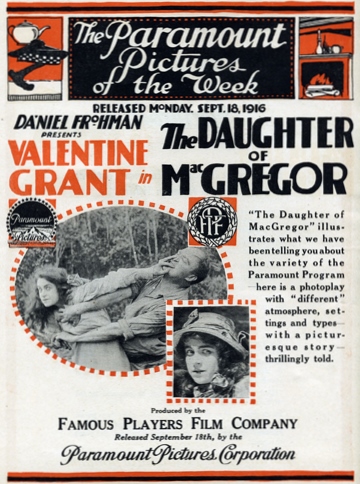
To witness The Daughter of MacGregor (1916) in the modern era is to step through a temporal portal into a world where the visual image was newly discovering its own potency. This isn't merely a relic of a bygone age; it is a vibrant, breathing piece of cinematic poetry that captures the intersection of rugged tradition and the burgeoning modernism of the early 20th century. Valentine Grant, a figure whose contribution to the silent era is often overshadowed by her contemporaries, delivers a performance that is both haunting and grounded, anchoring a narrative that she herself penned with a sharp eye for emotional nuance.
The film opens with a visual grandeur that belies the technical constraints of 1916. The cinematography captures the Scottish landscape—or a remarkably convincing facsimile—with a sense of atavistic dread and beauty. The craggy peaks and rolling mists aren't just settings; they are active participants in Jean MacGregor’s internal struggle. Unlike the more whimsical tone found in The Primrose Ring, which leans into the fantastical, The Daughter of MacGregor remains firmly rooted in the soil, the heather, and the cold, gray stone of the MacGregor estate.
It is impossible to discuss this film without placing Valentine Grant at the center of the discourse. In an era when women were frequently relegated to the status of decorative objects, Grant’s dual role as writer and lead actress marks her as a pioneer of creative autonomy. Her portrayal of Jean is a masterclass in the Delsarte method, yet she imbues it with a naturalism that feels startlingly modern. She doesn't just emote; she vibrates with the silent tension of a woman caught between the expectations of her father, played with a stern, patriarchal gravity by Edwards Davis, and her own burgeoning desires.
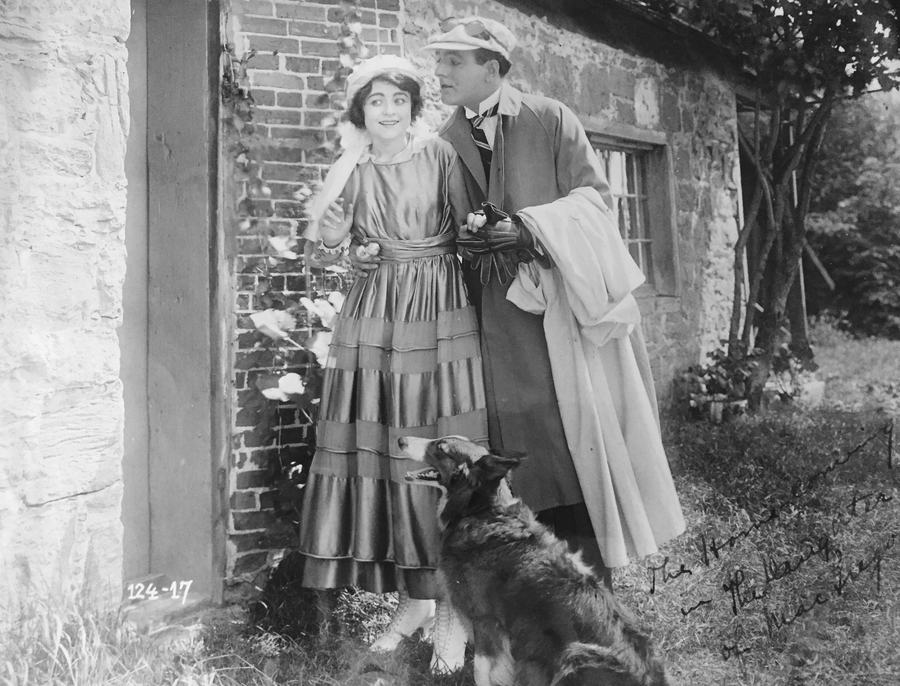
Her writing reflects a deep understanding of the human condition. The dialogue cards—often the Achilles' heel of silent cinema—are here used with a poetic economy. There is a specific rhythm to the storytelling that reminds one of the deliberate pacing in Cy Whittaker's Ward, yet Grant’s work possesses a sharper, more melancholic edge. She explores the concept of 'the daughter' not as a subordinate role, but as a position of immense, albeit quiet, power.
The tension within the film is further amplified by the presence of Sidney Mason and Daniel Pennell. Their performances serve as the two poles of Jean’s world. Mason brings a certain urbanity, a hint of the world beyond the glen, while Pennell represents the raw, often violent, connection to the land itself. The chemistry between these characters is palpable, even through the flickering grain of the film stock. Their rivalry is not a simple trope of good versus evil but a clash of philosophies. This moral ambiguity is a refreshing departure from the black-and-white morality of films like Blue Blood and Red, where the lines between hero and villain are often drawn with too heavy a hand.
The direction, though uncredited in many historical archives but often attributed to the collaborative spirit of the era, utilizes the frame to emphasize Jean’s isolation. We see her often framed by large, imposing doorways or dwarfed by the massive scale of the Highlands. This visual language speaks volumes about her social claustrophobia. Even in the wide-open spaces of the moors, she is trapped by the name MacGregor. The film mirrors the psychological depth found in The City of Failing Light, though it trades the urban decay for the decay of a noble Highland family.
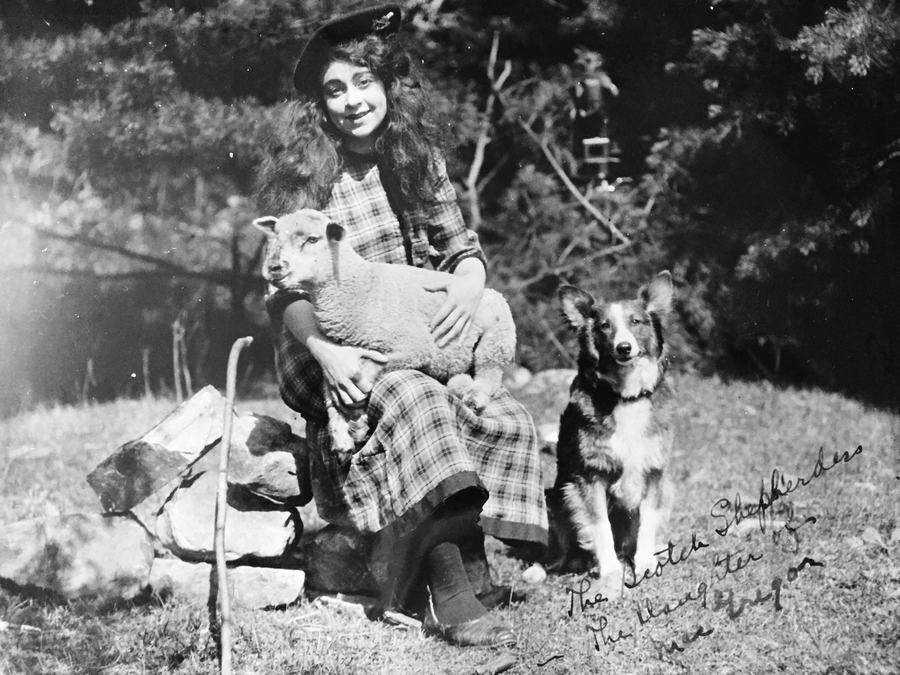
The lighting in The Daughter of MacGregor is particularly noteworthy. There are sequences involving candlelight and moonlight that use the primitive lighting technology of the time to create a chiaroscuro effect that would make a Renaissance painter envious. The shadows are deep and ink-black, while the highlights on Grant’s face seem almost luminescent. This contrast heightens the drama of the film’s climax, where the secrets of the MacGregor past finally collide with the realities of the present. It’s a far cry from the more avant-garde experimentation seen in Drama v kabare futuristov No. 13, opting instead for a classicism that feels timeless.
The supporting cast, including Arda La Croix and Helen Lindroth, provide a necessary social texture to the glen. Lindroth, in particular, offers a performance of quiet dignity that complements Grant’s more volatile energy. Together, they create a microcosm of a society on the brink of change. The film’s pacing is deliberate, allowing the audience to soak in the atmosphere of the Highlands before the narrative gears begin to turn with increasing velocity. This slow-burn approach is reminiscent of the tension in Voodoo Vengeance, though the supernatural element is here replaced by the ghosts of family history.
At its core, the film is an exploration of legacy. What does it mean to be the 'Daughter of MacGregor'? It is a title that carries both prestige and a prison sentence. Jean’s journey is one of deconstruction—she must dismantle the expectations placed upon her to find a path that is uniquely hers. This theme of self-actualization is a recurring motif in Grant’s work, and it resonates with a surprising intensity over a century later. The film doesn't offer easy answers; it doesn't suggest that Jean can simply walk away from her heritage. Instead, it suggests that she must find a way to carry it without being crushed by it.
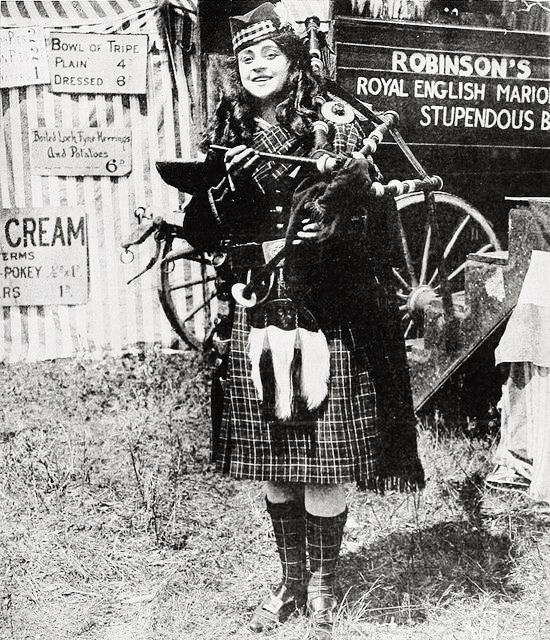
In comparison to A Man's Law, which deals with similar themes of societal rules and personal freedom, The Daughter of MacGregor feels more intimate and emotionally complex. It avoids the heavy-handed moralizing that plagued many films of the mid-1910s, opting instead for a nuanced look at the gray areas of human motivation. Even the 'villains' of the piece are given moments of vulnerability, making their eventual downfall feel more tragic than triumphant.
Looking back at 1916, it was a year of immense transition for the film industry. The feature-length film was becoming the standard, and directors were beginning to experiment with more sophisticated narrative structures. The Daughter of MacGregor sits comfortably among the best of its year, showing a level of sophistication in its editing and shot composition that was ahead of its time. While it may not have the surrealist flair of Aladdin's Other Lamp or the sheer spectacle of Die Königstochter von Travankore, it possesses a soulfulness that is rare in any era.
The film also serves as a fascinating look at how the American film industry viewed the 'Old World.' There is a romanticization of the Highlands, to be sure, but it is tempered by a realism that acknowledges the hardship of that life. The MacGregor estate is not a fairy-tale castle; it is a cold, drafty house that requires constant labor to maintain. This groundedness makes the romantic elements of the film feel earned rather than forced. It shares this commitment to environmental realism with The Ghost of Old Morro, where the setting is as much a character as the actors themselves.
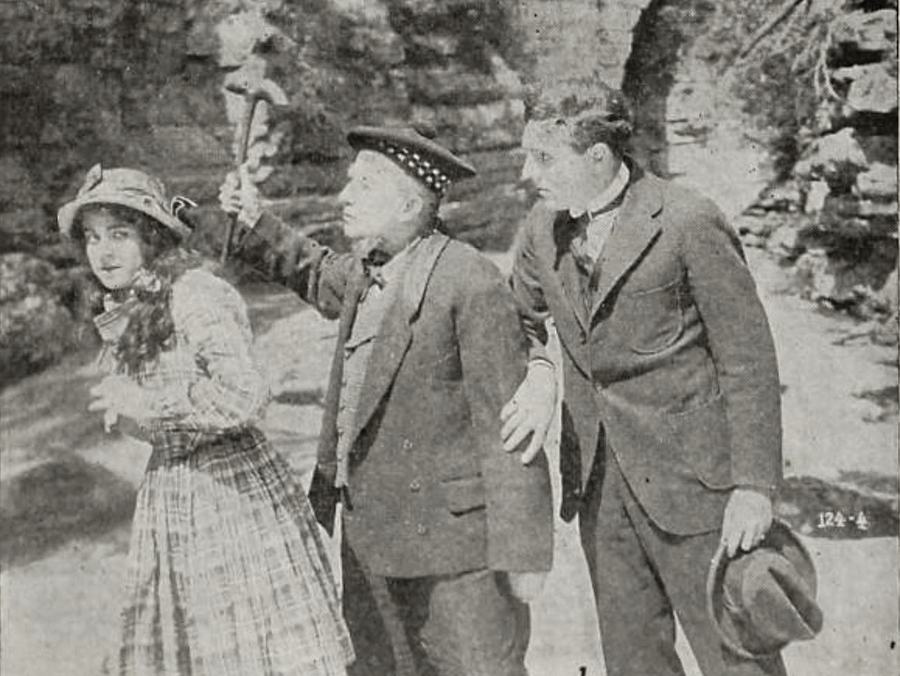
Ultimately, The Daughter of MacGregor is a testament to the power of silent cinema to convey complex emotional states through visual storytelling. Valentine Grant’s performance is a revelation, a reminder of the immense talent that helped build the foundations of Hollywood. The film manages to be both a gripping drama and a thoughtful meditation on identity, legacy, and the enduring power of the land. It avoids the pitfalls of its era—the over-the-top histrionics and the simplistic plotlines—to deliver something that feels genuinely human.
Whether compared to the adventurous spirit of A Motorcycle Adventure or the gritty realism of The Apaches of Paris, The Daughter of MacGregor holds its own as a unique and vital piece of cinema history. It is a film that demands to be seen not just as a historical curiosity, but as a compelling piece of art that still has much to say about the human heart. It is a quiet masterpiece of the silent era, a Highland song captured on celluloid that continues to echo through the decades.
Reviewer's Note: For those exploring the works of 1916, this film provides a stark contrast to the lightheartedness of Cheerful Givers or the mystery of The Masked Motive. It stands alongside En defensa propia as a prime example of international narrative evolution during the silent period.
IMDb —
1932
Community
Log in to comment.