DbcultAccessing Vault...
Cult Review
Senior Film Conservator
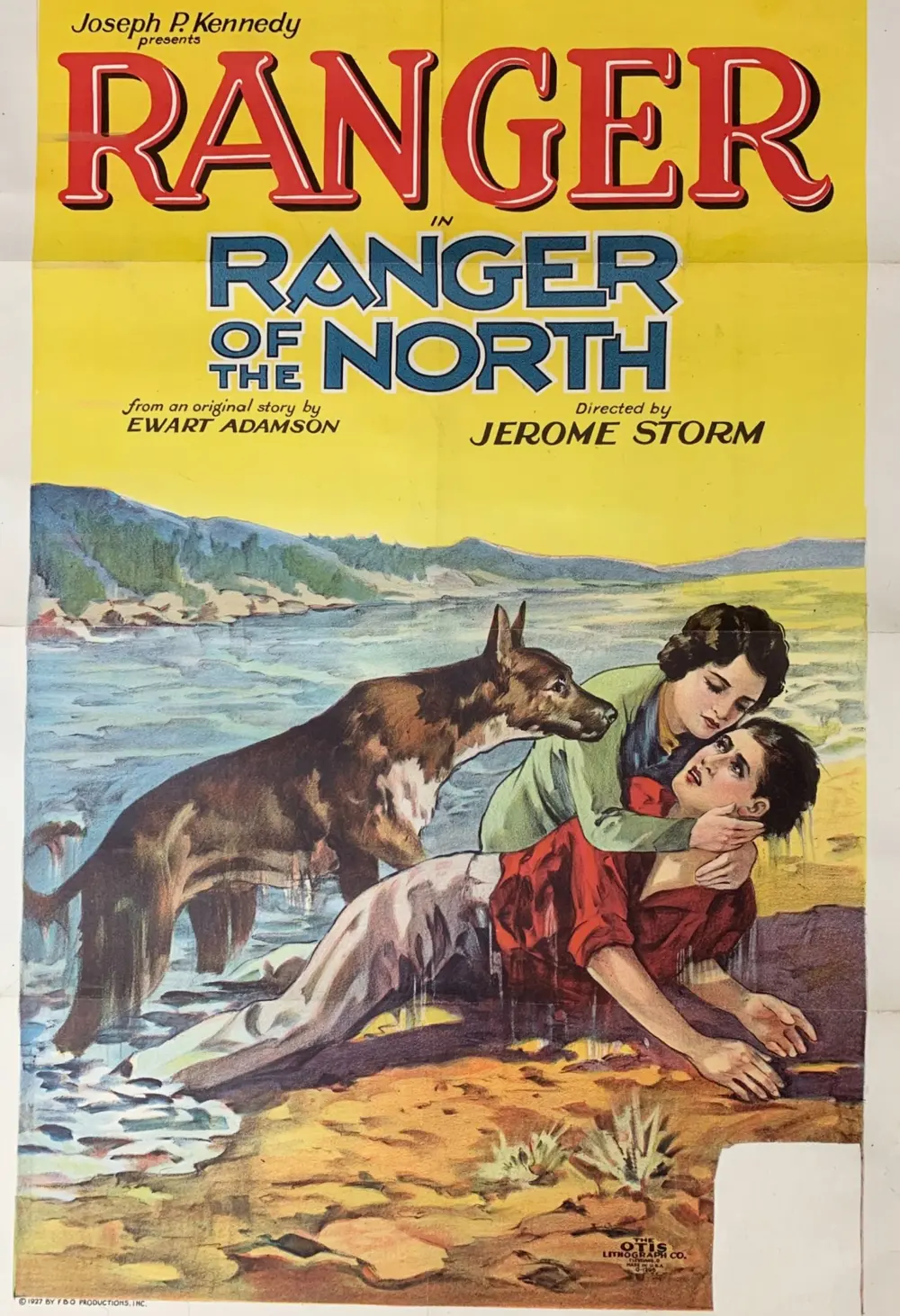
Is Ranger of the North worth watching today? Short answer: yes, but with significant caveats. This silent-era adventure offers a fascinating glimpse into early cinematic storytelling, particularly for those with an appreciation for the historical context of film. It’s a film best suited for dedicated cinephiles, students of film history, and anyone curious about the foundational elements of genre filmmaking before the advent of sound. Conversely, if you're seeking modern pacing, complex character arcs, or high-fidelity visual and auditory experiences, this might prove a challenging watch.
The film exists as a testament to the enduring appeal of simple, heroic narratives, even when presented through the sometimes-quaint lens of its era. It works. But it’s flawed. It’s a snapshot, not a sweeping mural.
Ranger of the North, a product of the 1920s, plunges viewers into the rugged, often unforgiving world of the Canadian wilderness, where law and order are often upheld by the sheer will of individuals like Jack Thorne. Directed with a clear, if sometimes rudimentary, understanding of visual storytelling, the film relies heavily on strong archetypes and melodramatic flourishes to convey its narrative. It’s less about nuance and more about the visceral clash between good and evil, played out against a breathtaking natural backdrop.
The film’s primary strength lies in its ability to transport the audience to a time when the vastness of nature was a character in itself, often dwarfing human concerns. The sweeping landscape shots, even with the limitations of early cinematography, evoke a sense of isolation and grandeur that is surprisingly effective.
This film works because it distills the essence of a frontier adventure into its purest, most accessible form, leveraging strong visual archetypes and a compelling natural setting. It fails because its narrative simplicity and occasional theatricality can feel dated, struggling to maintain modern audience engagement without a contemporary appreciation for silent film conventions. You should watch it if you are a film historian, a silent film enthusiast, or someone interested in the origins of environmentalist themes in cinema.
The acting in Ranger of the North is, by necessity, a masterclass in physical expression. William Van Vleck, as Jack Thorne, embodies the stoic, unwavering hero with a gaze that projects both determination and an underlying weariness. His performance is characterized by broad, deliberate gestures, typical of the era, yet he manages to convey genuine emotion in moments of peril or tenderness. There’s a quiet strength in his portrayal that anchors the film, making him a believable moral compass in a world rife with opportunism.
Lina Basquette, playing Elara Vance, brings a delicate yet resilient presence to the screen. Her expressions convey vulnerability, hope, and burgeoning affection, often through subtle shifts in posture and eye contact. She avoids becoming a mere damsel, instead projecting a quiet strength that complements Van Vleck’s more overt heroism. Her scenes with Thorne often carry a genuine, understated romantic tension, a feat considering the lack of spoken dialogue.
Bernard Siegel, as the villainous Silas Blackwood, is a study in silent film villainy. His sneers, menacing glares, and predatory movements are perfectly calibrated to evoke a sense of dread. Siegel understands the assignment: create a character whose malevolence is instantly recognizable, leaving no room for ambiguity. While perhaps lacking the psychological depth of later antagonists, Blackwood is undeniably effective as the clear and present danger.
Hugh Trevor, as Robert Sterling, provides an interesting dynamic. His character is initially presented as a potential rival or even an ally, creating a layer of intrigue that is somewhat more complex than the straightforward hero-villain dynamic. Trevor’s portrayal navigates this ambiguity with a subtle shift in demeanor, hinting at ulterior motives without giving everything away too soon. It’s a performance that asks the audience to pay attention to nuances, a pleasant surprise amidst the broader strokes.
But the true standout, the scene-stealer, is undoubtedly Ranger the Dog. This animal actor delivers a performance that is both endearing and genuinely heroic. Ranger isn't just a prop; he's an active participant, understanding cues with remarkable precision, from rescuing Thorne from a perilous situation to tracking down villains. The bond between Thorne and Ranger is perhaps the most authentic relationship depicted, a testament to the power of non-verbal storytelling. In a film where human emotions are often amplified for the camera, Ranger’s genuine reactions feel remarkably grounded.
The direction, while not groundbreaking, is competent and effective for its time. The filmmakers understand the power of location, utilizing the vastness of the Northwoods to great effect. There are moments of genuine visual poetry, particularly in the wide shots of snow-covered landscapes and the winding rivers. The use of natural light, combined with the stark black and white palette, lends an almost documentary-like authenticity to the outdoor sequences.
Pacing, a frequent challenge in silent cinema, is handled with a reasonable degree of skill. The film moves at a deliberate, yet rarely sluggish, pace. Action sequences, while not as frenetic as modern blockbusters, are staged with clarity and a sense of mounting tension. A particular chase sequence through the forest, involving a dog sled and a perilous cliff edge, stands out as a well-orchestrated piece of early action filmmaking. It showcases a director who knew how to build suspense through visual progression and the urgency of the actors' movements.
The cinematography, though limited by early 20th-century technology, effectively captures the harsh beauty of the setting. The close-ups on actors’ faces are used judiciously to convey emotional beats, while wider shots establish the isolation and scale of the environment. One particular shot of Thorne, silhouetted against a setting sun over a frozen lake, is surprisingly evocative and lingers in the mind long after the scene passes. It’s a simple shot, but it speaks volumes about his solitary vigil.
Writers Ewart Adamson and Leon D'Usseau craft a narrative that, while straightforward, is rich in classic adventure tropes. The plot adheres to a clear good-versus-evil structure, with defined stakes and a satisfying resolution. Character motivations are explicit, conveyed through intertitles and the actors' expressions, ensuring that the audience is always aware of who to root for and who to despise. While some might find this simplicity to be a weakness, it's actually a strength for a film of this era, allowing for clear emotional engagement without the need for complex exposition.
The script, in its essence, is a moral fable. It champions integrity, loyalty, and the protection of natural resources against selfish exploitation. This underlying theme, while perhaps not overtly preachy, resonates even today, giving the film a surprising contemporary relevance. The conflict between the honest, hardworking settlers and the greedy fur trapper feels timeless, a struggle that transcends the specific period details.
Absolutely, if you approach it with the right mindset. Ranger of the North is a valuable artifact for understanding the evolution of cinema. It provides insights into how narratives were constructed, how emotions were conveyed, and how audiences were engaged before sound became a standard. It’s a testament to the ingenuity of early filmmakers working with limited tools.
However, it demands patience. The pacing is slower than modern films, and the acting style can feel theatrical to an unaccustomed eye. But if you can adjust to these conventions, you’ll find a charming, earnest adventure that laid some of the groundwork for countless films to follow. It’s not just a historical curiosity; it’s a foundational text.
One surprising observation is how effective the animal performance is. Ranger the Dog isn't just a sidekick; he's arguably the most consistently engaging and believable character on screen, often outshining his human counterparts in terms of raw, unadulterated heroism. This isn’t a criticism of the human actors, but rather a testament to the incredible training and integration of Ranger into the narrative. It’s a daring claim, but I believe Ranger’s scenes hold up better than almost any other element for a modern viewer.
My first debatable opinion: While silent films often rely on exaggerated expressions, I found William Van Vleck’s portrayal of Jack Thorne to be almost too restrained at times. In an era of grand gestures, his stoicism occasionally borders on impassivity, preventing deeper emotional resonance that could have elevated the film beyond simple adventure. It’s a deliberate choice, no doubt, but one that sometimes leaves the audience wanting more overt passion.
My second debatable opinion: The film’s villain, Silas Blackwood, while visually menacing, lacks any truly compelling motivation beyond generic greed. This flat characterization, while common for the period, feels like a missed opportunity to inject more psychological depth into the core conflict. A truly great hero deserves a truly great antagonist, and Blackwood, for all his sneering, remains largely one-dimensional. Compare this to the complex villains of later films like Number 17 or even the subtle menace in Bad Company, and Ranger of the North feels a step behind in villainous character development.
Ranger of the North is a film that, while undeniably a product of its time, holds a certain rugged charm. It's a foundational piece for understanding the adventure genre in its nascent stages, showcasing the power of visual storytelling and the enduring appeal of a clear moral compass. While it requires an adjustment in viewing expectations, particularly concerning pacing and acting style, the film rewards patient audiences with a genuine glimpse into early cinematic heroism. It's not a timeless masterpiece in the vein of a Chaplin or Keaton, but it is a valuable, entertaining, and earnest adventure that deserves its place in the historical canon. Watch it to appreciate the roots of storytelling, and perhaps, to fall a little bit in love with a very good dog. It’s a solid, if unspectacular, journey into the wild heart of silent cinema.

IMDb —
1916
Community
Log in to comment.