DbcultAccessing Vault...
6.7/10
Senior Film Conservator
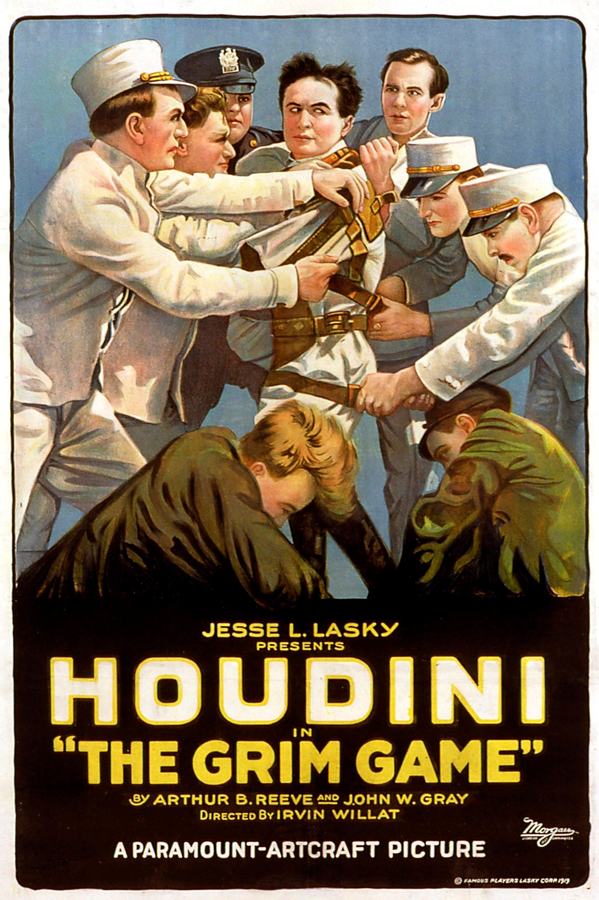
A definitive 6.7/10 rating for a film that redefined the boundaries of cult cinema. The Grim Game remains a cornerstone of transgressive art.
In the annals of early cinema, few figures command the same mystique as Harry Houdini. His name, synonymous with impossible escapes and breathtaking illusions, transcended the stage to briefly grace the silver screen, leaving behind a handful of cinematic artifacts that offer a fascinating glimpse into his singular appeal. Among these, The Grim Game stands as perhaps the most compelling, a silent-era thriller that masterfully blends the magician's legendary skills with a narrative steeped in classic melodrama and wrongful accusation. It’s not merely a film; it’s a living testament to a legend, captured in grainy black and white, showcasing a man who defied the chains of both steel and circumstance.
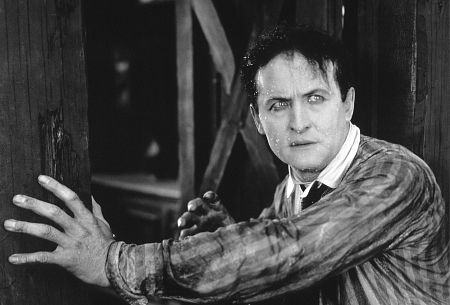
The film plunges us into a world where perception is perpetually skewed, where innocence is easily mistaken for culpability. Our protagonist, Harvey Hanford, portrayed by the inimitable Harry Houdini himself, finds his idyllic existence shattered by a cruel twist of fate. He is framed for a murder he did not commit, thrust into the grim realities of incarceration. This is not a man who submits quietly to injustice; rather, his predicament serves as a crucible, forging his already formidable talents into tools of desperate defiance. The narrative premise, while familiar in its bones – the wronged hero seeking vindication – is elevated by the very presence of Houdini. His real-life persona as the master of escape lends an unparalleled authenticity and tension to every moment he strains against his bonds, every lock he picks, every impossible contortion he performs.
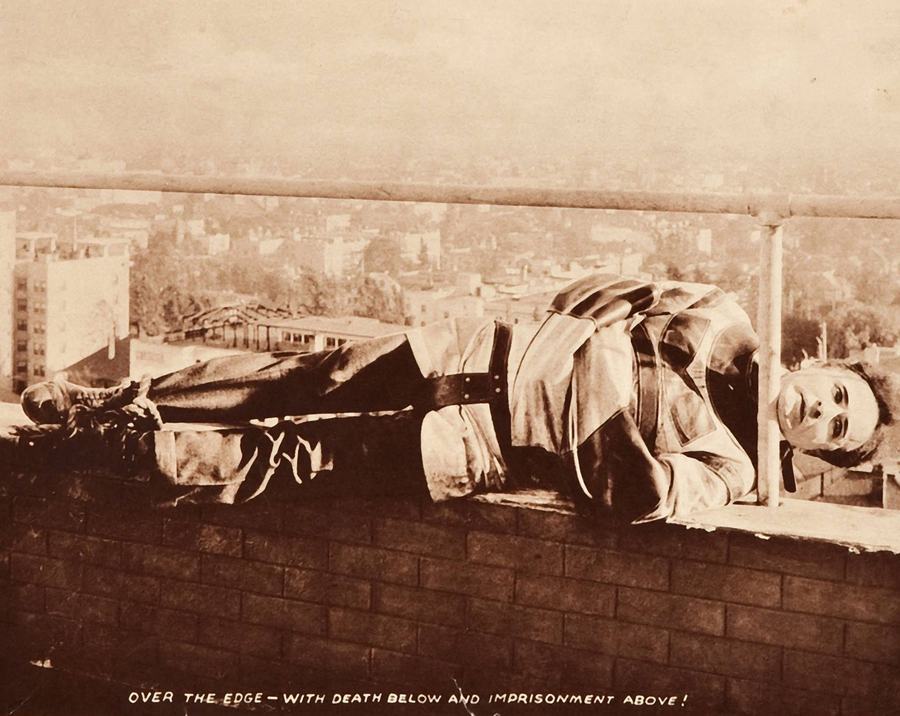
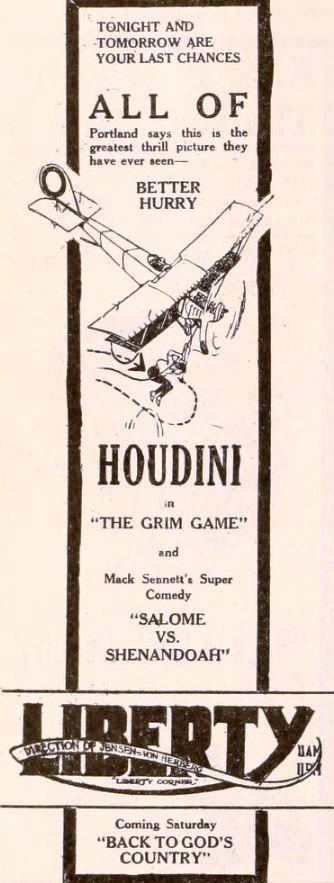
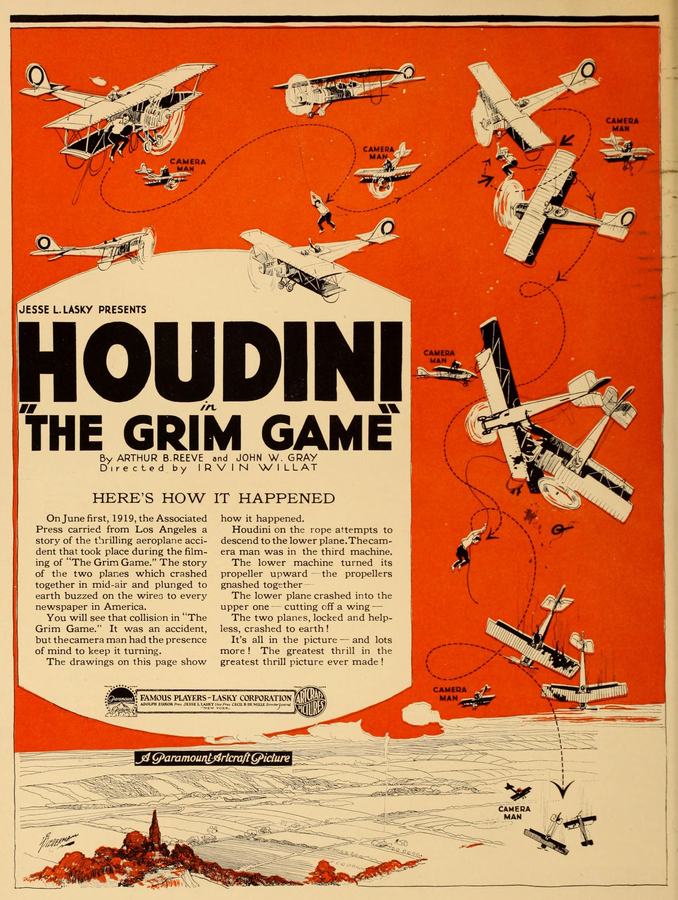
What truly distinguishes The Grim Game is its audacious commitment to practical effects and genuine stunt work. Houdini, ever the showman, insisted on performing his own death-defying feats, a decision that imbues the film with a raw, visceral energy often lacking in productions of its era. The famed mid-air plane collision, an accidental spectacle that was miraculously captured on film and subsequently integrated into the narrative, remains a breathtaking sequence even a century later. It underscores the incredible risks taken, the fine line between illusion and catastrophe that Houdini walked throughout his career, both on stage and on celluloid. This wasn't merely acting; it was an extension of his life's work, a grand illusion played out on the grandest stage of all: the nascent motion picture.
The plot, meticulously crafted by writers Irvin Willat, John Grey, Arthur B. Reeve, and Walter Woods, weaves a complex tapestry of intrigue. Hanford's escape from prison is not an end in itself, but a catalyst for a relentless pursuit of the true culprits. He must navigate a perilous underworld, deciphering clues, outwitting adversaries, and constantly evading recapture, all while the clock ticks down on the fate of his beloved fiancée, Mary Weitzel, played with earnest conviction by Ann Forrest. Her abduction adds a potent emotional stakes to Hanford's already desperate quest, transforming a simple manhunt into a personal crusade against time and malevolence. The tension is palpable, a testament to the effective pacing and narrative construction, which keeps the audience on the edge of their seats despite the absence of spoken dialogue.
The supporting cast, though often overshadowed by Houdini's star power, delivers commendable performances essential to the film's dramatic integrity. Mae Busch as the duplicitous Ethel Delora brings a captivating villainy, her expressions conveying layers of cunning and malice. Tully Marshall as the menacing Dr. Harvey Lamson provides a formidable antagonist, his screen presence exuding a quiet menace. Figures like George Cowl, Arthur Hoyt, and Augustus Phillips further populate this shadowy world, each contributing to the intricate web of deception and pursuit. Their collective efforts create a believable, albeit heightened, reality for Houdini's extraordinary feats to unfold within, grounding the fantastic in a relatable human drama.
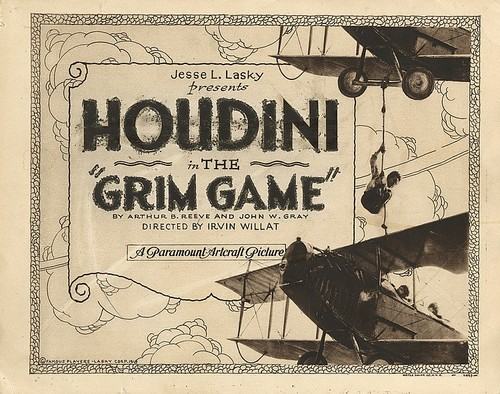
Director Irvin Willat demonstrates a keen understanding of cinematic language, leveraging the unique capabilities of the silent medium to amplify suspense. Close-ups on Houdini’s hands as he manipulates locks, the frantic cutting during chase sequences, and the evocative use of shadows all contribute to a heightened sense of urgency and danger. The visual storytelling is paramount, relying on exaggerated gestures, expressive intertitles, and carefully composed frames to convey emotions and advance the plot. While perhaps not as overtly experimental as some of his contemporaries, Willat’s direction here is undeniably effective, serving the story and its star with unwavering purpose. His ability to capture the raw energy of Houdini's physical performances, especially the impromptu aerial disaster, speaks volumes about his improvisational skill and dedication to capturing authentic spectacle.
Comparing The Grim Game to other films of its period reveals its distinctiveness. While films like The Spider or My Partner might have explored elements of crime and mystery, none possessed the unique star power of a genuine escape artist performing his own stunts. The raw, unvarnished danger inherent in Houdini’s screen presence sets it apart, lending an almost documentary-like authenticity to its most thrilling moments. Even dramas focused on wrongful accusations or desperate searches, such as The End of the Road, typically lacked the extraordinary physical dimension that Houdini brought to his character. He wasn't just an actor playing a hero; he was a living legend embodying one, making his struggle against perceived injustice feel profoundly personal and real.
The film’s historical significance is undeniable. It showcases Houdini at the peak of his fame, attempting to translate his stage charisma into a new artistic medium. Though his cinematic career was relatively brief, The Grim Game remains a crucial artifact, demonstrating the early potential of action cinema and the burgeoning fascination with real-life heroes performing death-defying acts. It’s a snapshot of an era when the lines between spectacle and storytelling were delightfully blurred, when the very act of moving pictures was magic in itself, and a performer like Houdini could amplify that wonder tenfold. The sheer audacity of its production, particularly the integration of the accidental plane crash, speaks to a pioneering spirit, a willingness to embrace the unexpected and weave it into the fabric of the narrative, a trait that would define much of early Hollywood's innovation.
Beyond its thrilling plot and incredible stunts, The Grim Game also offers a fascinating study of the human spirit’s resilience. Hanford’s unwavering determination to clear his name and save his fiancée resonates deeply, tapping into universal themes of justice, loyalty, and the fight against overwhelming odds. It reminds us that true freedom isn't just about escaping physical restraints, but about liberating oneself from the shackles of false accusations and the sinister designs of others. The film, in its silent eloquence, speaks volumes about the power of individual agency and the enduring human quest for truth, a quest made all the more captivating by the extraordinary abilities of its star.
The rediscovery and restoration of The Grim Game for modern audiences has been a cinematic triumph, allowing a new generation to appreciate its unique charms and historical weight. It’s a testament to the enduring power of silent film, a medium often dismissed as antiquated, yet capable of delivering profound emotional impact and thrilling entertainment. For anyone interested in the origins of action cinema, the evolution of special effects, or simply the captivating legacy of one of history’s greatest showmen, this film is an essential viewing experience. It’s a reminder that sometimes, the most astonishing magic isn’t conjured in a theater, but captured, raw and unfiltered, through the lens of a camera, preserving a moment of pure, unadulterated cinematic daring for eternity.
IMDb 6.1
1930
Community
Log in to comment.