DbcultAccessing Vault...
Cult Review
Senior Film Conservator
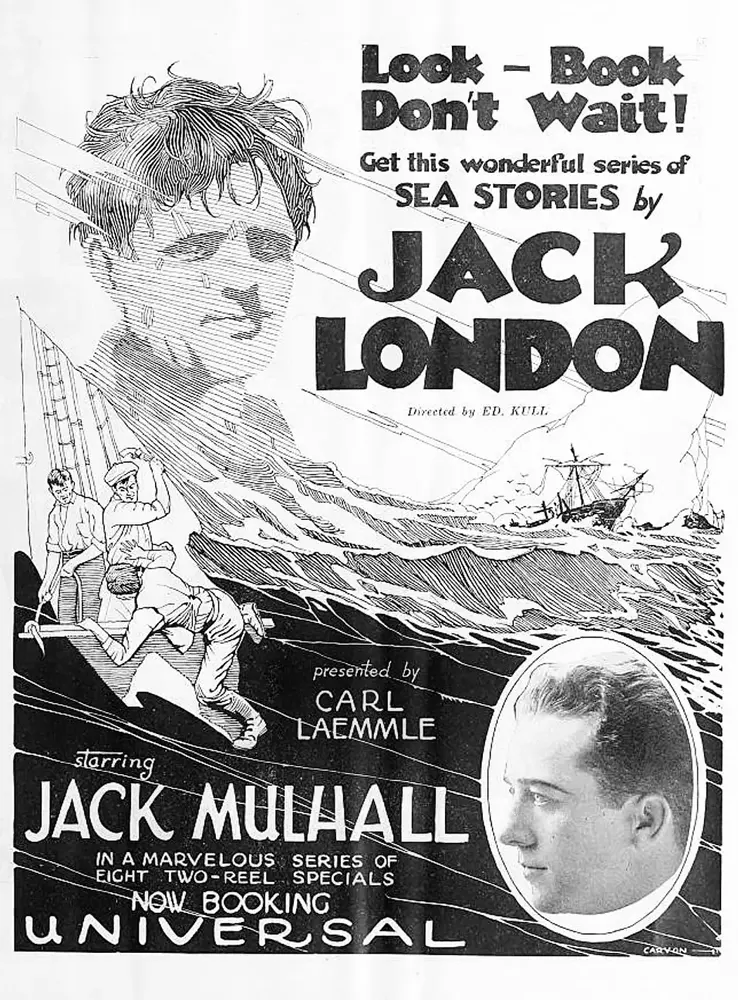
The opening tableau of The Wolves of the Waterfront is a study in visual poetry. A bleak horizon, a pallid sky, and the grotesque carpet of fish that have washed ashore set a tone of foreboding that lingers like a fog over the entire film. Director Emma Bell Clifton, working in concert with the legendary Jack London’s screenplay, crafts an atmosphere where the sea itself becomes a silent conspirator. The camera lingers on the glistening bodies, each scale catching the dim light, a reminder that nature’s balance has been violently disrupted.
Jack Mulhall’s portrayal of Charley Le Grant is a masterclass in restrained intensity. He conveys a world‑weary determination with a mere tilt of the head, a clenched jaw, and the occasional flash of melancholy in his eyes. Louise Lorraine, as the enigmatic sea‑going girl, offers a counterpoint of ethereal resilience; her presence is both a narrative anchor and a visual motif that recurs whenever the water threatens to overwhelm the human characters.
The mystery begins with an ecological anomaly: thousands of fish dead on the sand, their bodies arranged in a pattern that suggests intention rather than accident. Charley’s investigation is methodical; he catalogues the species, notes the direction of the current, and interrogates the local fishermen, whose weathered faces betray a deep-seated fear of the sea’s caprice. This investigative thread is punctuated by a series of increasingly perilous encounters.
Soon, Charley discovers a clandestine Chinese gang operating out of a dilapidated warehouse near the dock. The gang, led by a shadowy figure whose motives remain inscrutable for much of the film, is involved in smuggling contraband hidden within the fish shipments. The gang’s presence adds a layer of cultural tension, reflecting the era’s anxieties about immigration and organized crime. The film does not shy away from portraying the gang’s rituals with a respectful eye, avoiding caricature while still maintaining narrative tension.
Clifton’s use of chiaroscuro is nothing short of revelatory. The darkness of night scenes is pierced by the occasional flicker of lantern light, casting long, trembling shadows that dance across the wet cobblestones. The sea itself is rendered with a silvery sheen, its surface broken by the occasional spray that catches the moonlight. The explosion at sea—one of the film’s most visceral moments—splits the darkness with a burst of orange fire, a visual echo of the dark orange (#C2410C) used in the title’s promotional material.
The editing is crisp, with intercutting that heightens the sense of urgency when Charley becomes entangled in the very net he was pursuing. The camera’s close‑ups of his hands struggling against the knotted rope are juxtaposed with wide shots of the tumultuous waves, creating a rhythm that mirrors the ebb and flow of the narrative itself.
Charley’s journey is more than a procedural investigation; it is a pilgrimage through personal loss and redemption. His backstory—hinted at through fleeting flashbacks of a shipwreck that claimed his younger brother—infuses his determination with an almost spiritual urgency. The sea, for Charley, is both a source of trauma and a potential conduit for healing.
Louise Lorraine’s sea‑going girl, whose name is never fully disclosed, embodies the untamed spirit of the ocean. Her brief moments of dialogue, delivered in a soft, melodic tone, reveal a depth of knowledge about the tides and currents that surpass Charley’s pragmatic approach. Their eventual reunion, set against the backdrop of a sunrise that washes the dock in a warm yellow glow (#EAB308), feels like a quiet affirmation that love can endure even the most violent of seas.
When placed alongside other maritime dramas of the silent era, such as Fiskebyn and the gritty noir of The Eternal Grind, The Wolves of the Waterfront distinguishes itself through its synthesis of environmental mystery and criminal intrigue. While Fiskebyn leans heavily on pastoral melancholy, Clifton’s film injects a kinetic energy reminiscent of the urban tension found in Closed Doors.
The film also shares thematic DNA with Martin Eden, especially in its exploration of individual ambition versus societal constraints. Charley’s relentless pursuit of truth mirrors Eden’s literary quest for self‑actualization, though the former is grounded in the tangible world of law enforcement, while the latter dwells in the realm of artistic aspiration.
Although the film is silent, the accompanying score—performed live in many theaters—utilizes a low, rumbling cello to evoke the ocean’s depth, punctuated by high‑pitched violins that mimic the cries of gulls. The musical motifs shift dramatically during the explosion scene, where brass instruments erupt in a cacophony that mirrors the visual blaze, reinforcing the visceral impact without a single spoken word.
Intertitles are sparingly used, each rendered in a crisp, sea‑blue font (#0E7490) that stands out against the black background, ensuring readability while preserving the film’s atmospheric integrity. The brevity of the intertitles forces the audience to rely on visual storytelling, a testament to Clifton’s confidence in the medium.
The dock is not merely a setting; it is a living, breathing entity that shapes the narrative’s rhythm. Weathered wooden planks creak underfoot, lanterns sway with the wind, and the ever‑present fog rolls in like a silent commentator. The production designers employed authentic period vessels, their hulls scarred by time, to anchor the story in a palpable reality.
The net that ensnares Charley is a masterpiece of practical effects. Constructed from actual fishing rope, its massive coils are filmed in a way that emphasizes both its physical weight and its symbolic representation of the inescapable entanglements of fate.
The film’s pacing oscillates between methodical investigation and breath‑less action. Early scenes linger, allowing the audience to absorb the environmental horror of the dead fish, while later sequences—particularly the chase through the maze of shipping containers—accelerate with a kinetic intensity that feels almost modern.
The structural arc follows a classic three‑act model, yet Clifton subverts expectations by interweaving flashbacks that gradually reveal Charley’s personal loss. This non‑linear approach adds depth, inviting viewers to piece together the puzzle alongside the protagonist.
Though often eclipsed by more commercially successful contemporaries, The Wolves of the Waterfront has garnered a cult following among silent‑film aficionados. Its nuanced portrayal of cross‑cultural criminal networks predates similar themes explored in later noir classics, positioning it as a forerunner in cinematic depictions of globalized crime.
Modern scholars cite the film when discussing early environmental narratives in cinema, noting how the mass fish die‑off serves as an allegory for human exploitation of natural resources—a theme that resonates powerfully in today’s ecological discourse.
In sum, The Wolves of the Waterfront is a richly layered work that rewards repeated viewings. Its blend of mystery, action, and lyrical romance creates a tapestry that is as compelling today as it was in the roaring twenties. For aficionados of silent cinema, it offers a rare glimpse into a world where the sea is both antagonist and ally, and where every splash of water carries a story waiting to be heard.
IMDb —
1918
Community
Log in to comment.