DbcultAccessing Vault...
Cult Review
Senior Film Conservator
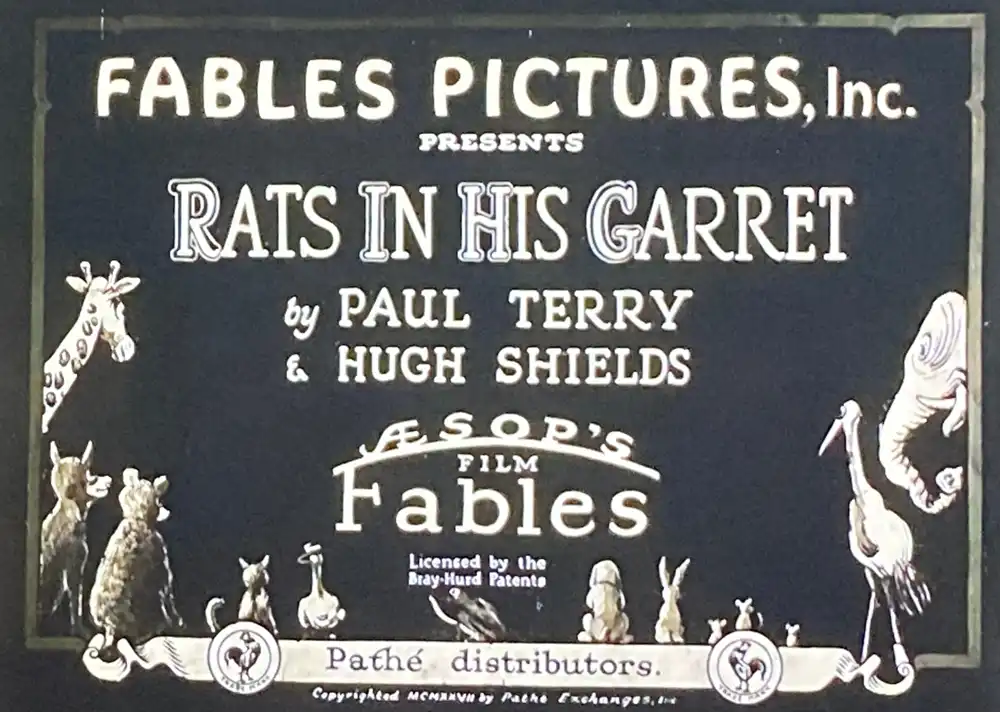
Rats in His Garrett is a film for the completists—those who want to see the DNA of the 'starving artist' trope before it became a polished cinematic cliché. If you are looking for the poetic pathos of Chaplin, you won’t find it here. This is a sweaty, frantic, and surprisingly grimy short that trades in the kind of low-rent slapstick that feels more like a fever dream than a comedy. It is worth watching if you have an interest in the Cub Comedies era or the early work of Paul Terry, but casual viewers will likely find the static camera and repetitive gags a bit of a chore.
The film takes place almost entirely within the confines of a 'garrett'—a polite term for a drafty, depressing attic. What stands out immediately isn't the humor, but the set design. Unlike many shorts from 1915 that used flat, brightly lit stage-like backdrops, the room here feels genuinely lived-in, or perhaps more accurately, died-in. There is a tangible sense of clutter: tattered blankets, mismatched furniture, and a layer of cinematic dust that seems to coat every surface. It provides a gritty texture that grounds the absurd physical comedy of Jerry Shields.
Shields plays the lead with a manic, wide-eyed energy. He doesn't just walk across a room; he vibrates. When he realizes he is sharing his meager quarters with rats, his reaction isn't one of cartoonish fear, but a sort of existential exhaustion. He looks directly at the camera with a 'can you believe this?' expression that feels surprisingly modern. It’s the kind of fourth-wall breaking that reminds you that even a century ago, actors knew exactly how to signal their frustration to an audience.
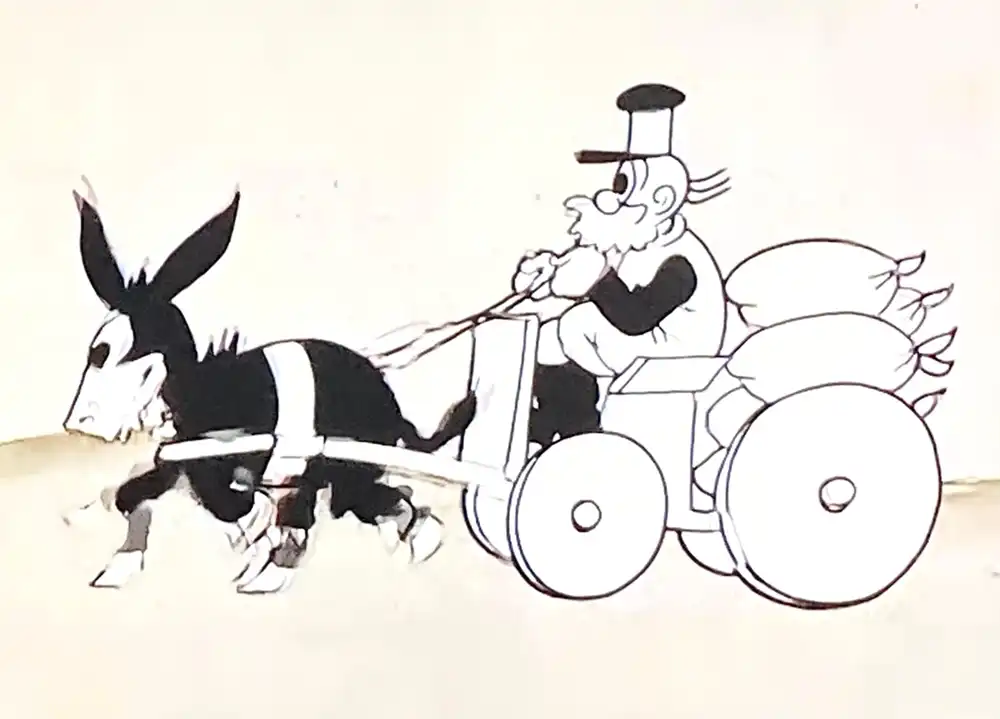
Let’s talk about the 'rats.' In many films of this era, animals were either poorly trained live specimens or obvious stuffed toys. Here, the interaction is a mix of both, leading to some genuinely awkward moments where Shields has to pretend to be terrified of something that is clearly being pulled across the floor by a string. However, the physical comedy that results from his attempts to catch or kill the pests is where the film finds its rhythm. There is a sequence involving a bed and a series of frantic leaps that shows off Shields’ acrobatic background.
Compared to the more structured narratives found in films like Father and the Boys, Rats in His Garrett is thin on plot. It is essentially a series of vignettes centered on the indignity of being poor. The pacing drags slightly in the middle when the 'pest control' gags repeat themselves, but the film is short enough that it doesn't overstay its welcome. You can see the early influences of Paul Terry’s later animation career in the way the gags are timed; there is a mechanical, rhythmic quality to the way Shields moves, almost like a precursor to a cartoon character.
The lighting is remarkably flat, which was standard for the time, but it works in the film's favor here. The lack of dramatic shadows makes the room feel smaller and more oppressive. There is a specific shot where Jerry is huddled in the corner, trying to eat a meager crust of bread, and the camera just lingers. It’s an uncomfortably long take that shifts the tone from 'funny ha-ha' to 'actually, this is quite sad' before snapping back into a chase sequence. These tonal inconsistencies are common in early silent shorts, but here they feel less like a mistake and more like a reflection of the character's desperate situation.
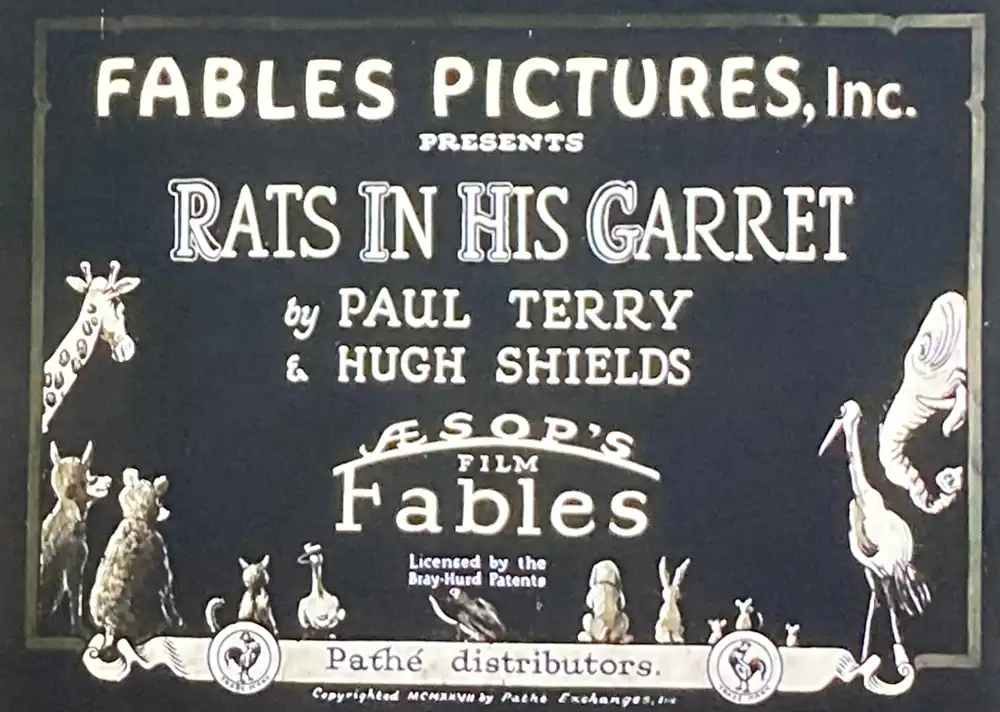
One detail that only someone who sits through the whole film would notice is the state of Jerry's costume. By the end of the ten minutes, he looks physically haggard. His hair is a mess, his collar is askew, and he seems genuinely winded. It’s a level of physical commitment that you don't always see in these quick-turnaround comedies. It’s much more aggressive than the work seen in Walter Tells the Tale, which relies more on situational irony than raw physical exertion.
Rats in His Garrett isn't a lost masterpiece, but it is a fascinating artifact. It captures a specific moment in film history where comedy was transitioning from simple stage business to something more cinematic and character-driven. The 'Jerry' character might not have the longevity of the Tramp or the Great Stone Face, but Shields brings a unique, twitchy energy to the screen that is hard to look away from.
If you're diving into the deep waters of early silent comedy, this is a solid entry to add to your list. It’s a reminder that before cinema became a polished industry, it was often just a guy in a dirty room, trying to make people laugh by fighting a mechanical rodent.
IMDb —
1919
Community
Log in to comment.