DbcultAccessing Vault...
6.3/10
Senior Film Conservator
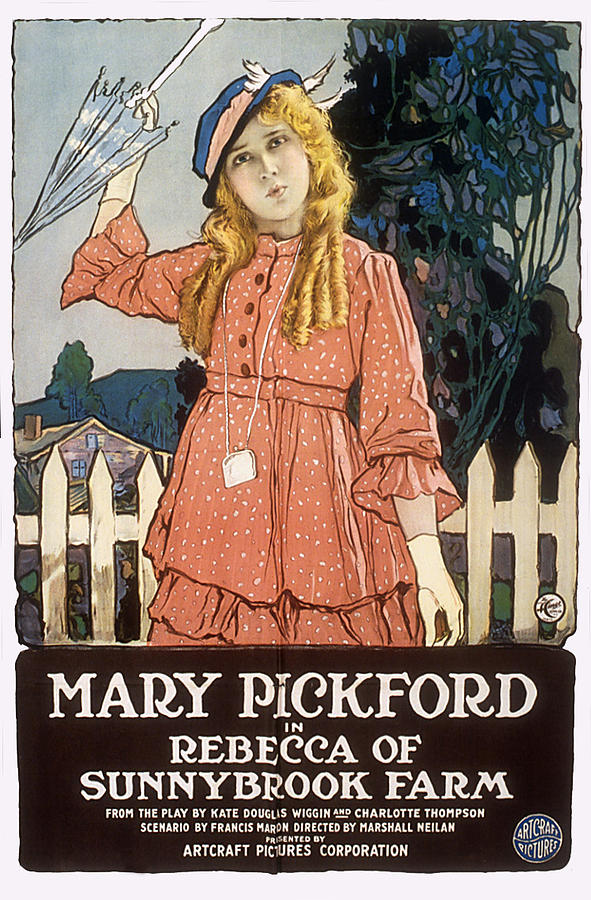
A definitive 6.3/10 rating for a film that redefined the boundaries of cult cinema. Rebecca of Sunnybrook Farm remains a cornerstone of transgressive art.
Stepping back into the nascent years of cinematic storytelling, one encounters a treasure trove of narratives that, despite their silent nature, speak volumes about the human condition, resilience, and the power of an individual spirit. Among these, the 1917 adaptation of Kate Douglas Wiggin’s beloved novel, 'Rebecca of Sunnybrook Farm', stands as a luminous beacon, primarily due to the incandescent presence of its star, Mary Pickford. This film isn't merely a historical artifact; it's a vibrant testament to the enduring appeal of a story centered on optimism, the triumph of innocence over adversity, and the quiet revolution wrought by a kind heart.
Mary Pickford, affectionately known as 'America's Sweetheart,' was an unparalleled phenomenon of the silent era. Her ability to embody youthful exuberance, vulnerability, and an underlying strength made her a cinematic icon. In 'Rebecca of Sunnybrook Farm', she channels these qualities into the titular character with a masterful touch that transcends the limitations of silent film. Rebecca Randall, as portrayed by Pickford, isn't just a character; she's a force of nature, a whirlwind of charm and tenacity that captivates from her very first appearance. Her expressive face and animated gestures convey a depth of emotion that many contemporary actors still strive for. Pickford's performance is a masterclass in silent acting, relying on nuanced expressions, fluid body language, and an innate connection with the camera that allowed her to communicate complex feelings without uttering a single word.
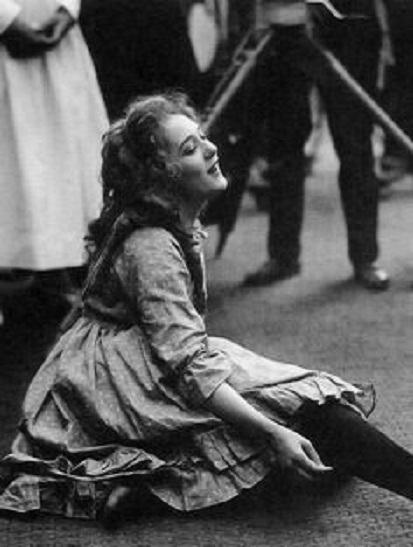
The narrative, penned for the screen by Frances Marion and Charlotte Thompson, with source material from Kate Douglas Wiggin, crafts a world where Rebecca’s vivacious spirit is tested against the rigid backdrop of her new life. Facing financial hardship, Rebecca is dispatched to live with her two strict, unfeeling aunts. This premise, a classic fish-out-of-water scenario, provides fertile ground for both comedic moments and genuine pathos. The aunts, portrayed by Josephine Crowell and Kate Toncray, are the embodiment of stern Victorian propriety, offering a stark contrast to Rebecca’s free-spirited nature. Their initial inability to appreciate Rebecca’s charm and energy sets the stage for a delightful, if sometimes challenging, adjustment period.
What truly elevates 'Rebecca of Sunnybrook Farm' beyond a simple children's story is its rich ensemble of supporting characters who populate Rebecca's new hometown. From the kindhearted individuals who recognize her inherent goodness to those initially resistant to her unconventional ways, each character contributes to the vibrant tapestry of the community. Jack McDonald, Violet Wilkey, Emily Gerdes, Mayme Kelso, Marjorie Daw, Wesley Barry, Milton Berle, Charles Ogle, F.A. Turner, Frank Butterworth, Helen Jerome Eddy, Antrim Short, Zasu Pitts, Ernest Butterworth Jr., and Jane Wolfe all play their parts in painting this vivid picture. Zasu Pitts, even in these early roles, often brought a unique blend of vulnerability and quirky charm that would later define her career, adding subtle layers to the film's emotional landscape.
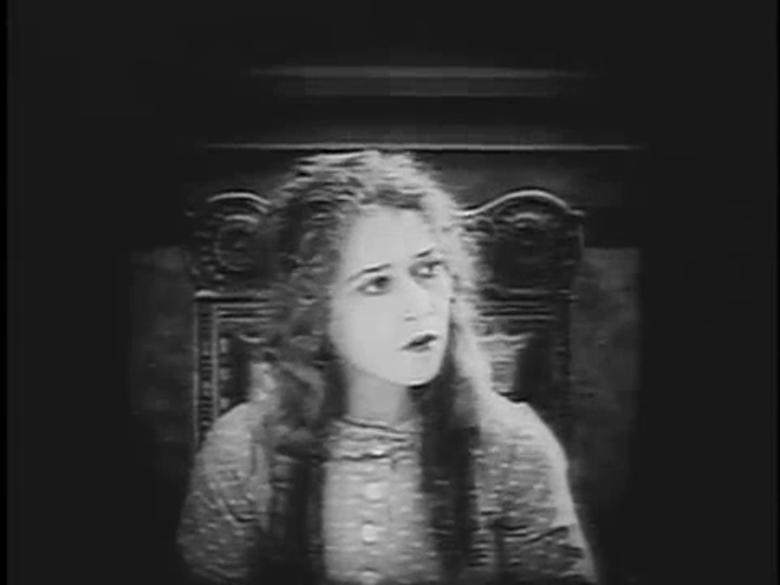
The film beautifully illustrates Rebecca's journey of making new friends and adjusting to surroundings that are, at times, overtly difficult. Yet, it is her indefatigable spirit that shines through. Even amidst her personal challenges, Rebecca remains deeply empathetic, constantly devising ingenious ways to assist others in her new community. This altruistic drive forms the emotional core of the film, showcasing how one individual’s positive outlook can ripple outwards, transforming an entire environment. This theme resonates strongly, drawing parallels to other heartwarming dramas of the era, such as Lena Rivers, which also explored the resilience of young women facing societal and personal trials.
Despite the technological limitations of early cinema, the direction and cinematography of 'Rebecca of Sunnybrook Farm' are remarkably effective. The film employs a straightforward yet engaging visual language, utilizing close-ups to capture Pickford's nuanced expressions and wider shots to establish the rural setting. The pacing, though perhaps slower by modern standards, allows the audience to fully immerse themselves in Rebecca's world and connect with her emotional arc. The intertitles, crucial for conveying dialogue and plot points in silent films, are used judiciously, complementing rather than overwhelming the visual narrative.
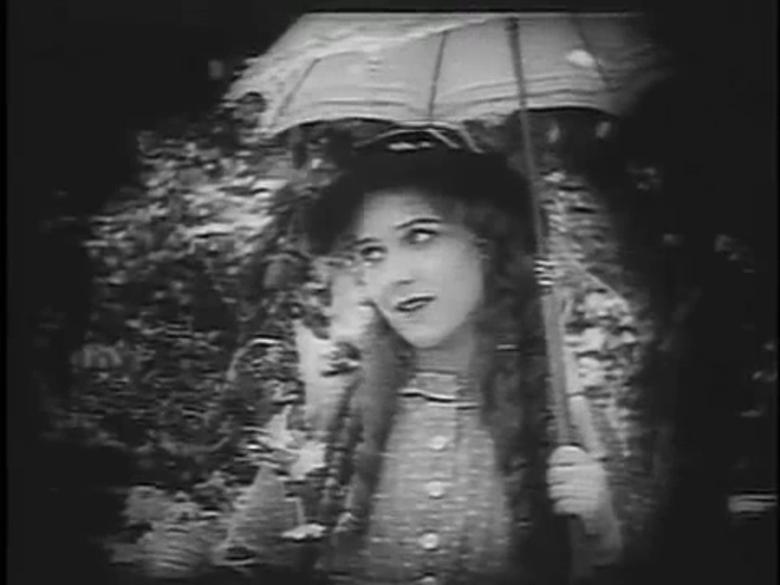
The film's aesthetic, while simple, effectively conveys the charm of a bygone era. It captures the quaintness of rural life and the starkness of Rebecca’s initial circumstances, making her eventual triumphs all the more resonant. The use of light and shadow, though less dramatic than in later film noir, contributes to the mood, highlighting moments of joy and sorrow. The visual storytelling is paramount, allowing the audience to infer much from the characters' actions and reactions. This reliance on visual cues is a hallmark of the silent era, and 'Rebecca of Sunnybrook Farm' executes it with considerable grace, much like other character-driven dramas of the period such as The Seven Sisters, which also relied on strong performances to convey complex familial dynamics.
At its heart, 'Rebecca of Sunnybrook Farm' is a powerful exploration of resilience. Rebecca, despite being a child, faces significant emotional and practical challenges. Yet, she never succumbs to despair. Instead, her inherent goodness and an unwavering belief in the power of kindness propel her forward. She doesn't just adapt; she actively transforms her environment, demonstrating that even the smallest acts of generosity can have profound impacts. This theme of individual initiative leading to collective betterment is universal and timeless, making the film's message as relevant today as it was over a century ago. It speaks to the power of optimism in the face of adversity, a narrative thread often explored in films of human triumph.
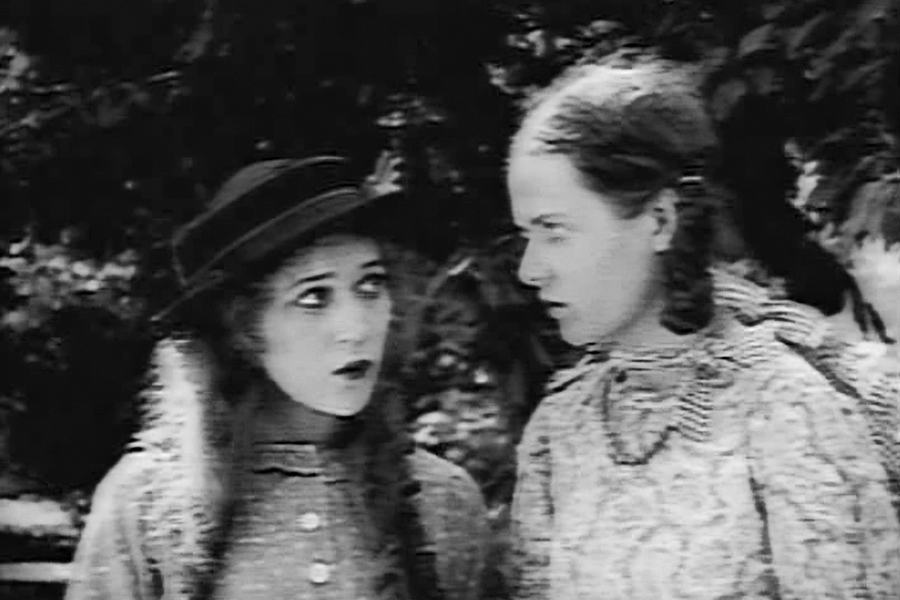
The film also subtly critiques the rigidity of certain social norms and expectations, particularly through the characters of Rebecca's aunts. Their initial coldness and adherence to strict decorum are gradually thawed by Rebecca's warmth and genuine affection. This transformation of character, from sternness to tenderness, is one of the film's most satisfying arcs, underscoring the idea that even the most hardened hearts can be softened by genuine human connection. It's a testament to the transformative power of empathy and understanding, a theme beautifully handled in other Pickford vehicles like Her Greatest Performance, where her characters often bring light to darker circumstances.
The enduring popularity of 'Rebecca of Sunnybrook Farm', both as a novel and its various film adaptations, speaks volumes about its universal appeal. The 1917 silent version holds a special place, not only as a showcase for Mary Pickford's unparalleled talent but also as a finely crafted example of early cinema's capacity for emotional depth and narrative sophistication. It’s a film that reminds us of the power of a single individual to make a difference, to bring joy where there is sorrow, and to foster community where there is isolation.
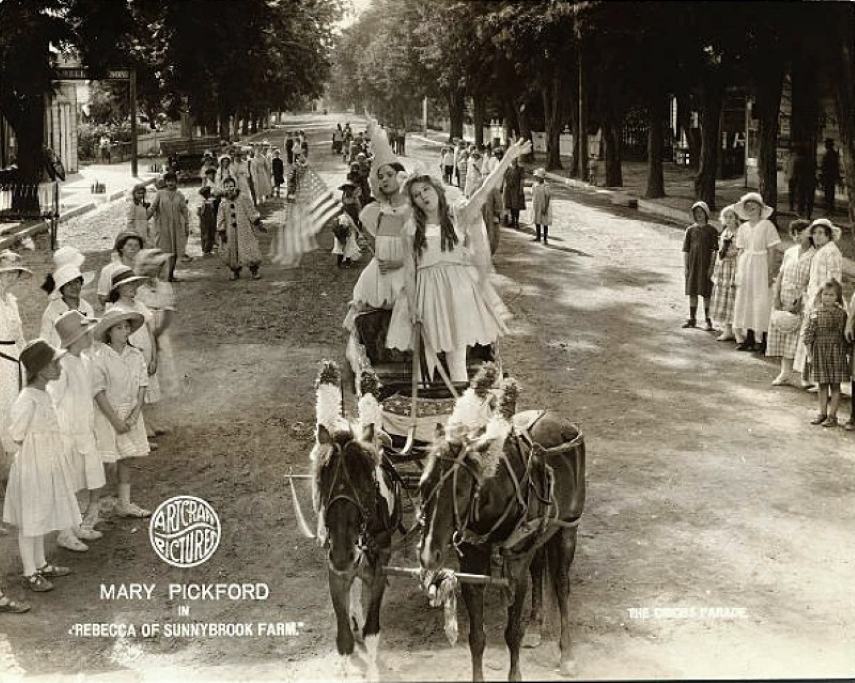
Watching 'Rebecca of Sunnybrook Farm' today is more than just a historical exercise; it’s an opportunity to connect with a foundational piece of American storytelling and to appreciate the artistry of a bygone era. It offers a refreshing antidote to cynicism, advocating for kindness, ingenuity, and the simple joy of helping others. The film’s message remains potent: even in the face of personal hardship, the human spirit, especially one as bright as Rebecca’s, possesses an incredible capacity for good. It’s a timeless narrative, resonating with anyone who has ever felt out of place, yet found the strength to make a positive impact. The performances, particularly Pickford's, are a masterclass in conveying complex human emotions without the aid of spoken dialogue, relying instead on the universal language of expression and gesture. This ability to communicate profound sentiment across the silent divide is what cements the film's status as a classic.
In an age where cinematic spectacles often prioritize visual effects over character development, 'Rebecca of Sunnybrook Farm' serves as a poignant reminder of the enduring power of a well-told story, brought to life by compelling performances. It’s a film that doesn't just entertain; it inspires, leaving the viewer with a renewed sense of hope and belief in the inherent goodness of humanity. It’s a piece of cinema history that continues to charm and uplift, a true gem from the silent era that deserves to be rediscovered and celebrated by new generations of film enthusiasts. Eugene O'Brien, alongside the aforementioned cast, contributes to the overall warmth and authenticity of this portrayal of small-town life, making the community feel lived-in and real. The collaborative effort of writers Frances Marion, Charlotte Thompson, and Kate Douglas Wiggin ensures that the heart of the original novel is not lost but beautifully translated into a visual medium, a significant achievement for its time. The film stands as a testament to the power of adaptation when handled with care and respect for the source material, much like other successful literary adaptations of the period.
IMDb —
1917
Community
Log in to comment.