DbcultAccessing Vault...
Cult Review
Senior Film Conservator
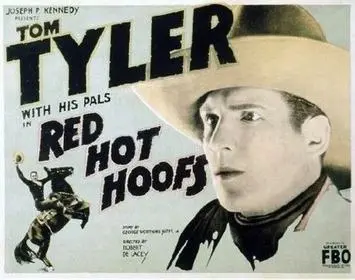
Is Red Hot Hoofs worth your time in the modern era? Short answer: Yes, but only if you have a refined palate for the specific alchemy of 1920s B-Westerns and can appreciate the physical charisma of Tom Tyler.
This film is for the silent cinema completionist and fans of early athletic stardom; it is NOT for those who require complex psychological motivation or high-definition spectacle. It exists in a world where a man's worth is measured by the weight of his punch and the loyalty of his dog.
1) This film works because it successfully bridges two disparate genres—the boxing drama and the Western—without losing the core appeal of either.
2) This film fails because the middle act relies too heavily on the 'weak brother' trope, which feels dated and slows the momentum of the central rivalry.
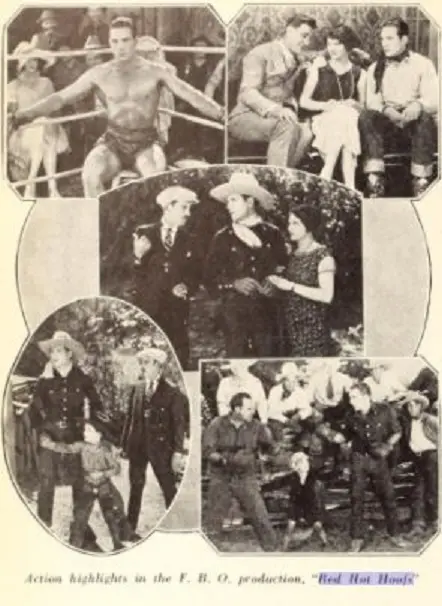
3) You should watch it if you want to see a prime example of Tom Tyler’s transition from a physical specimen to a genuine screen presence, or if you enjoy the work of canine actors like Beans.
Tom Tyler was never the most expressive actor of the silent era, but in Red Hot Hoofs, his stoicism is his greatest asset. He stands like a monolith against the more animated, almost caricature-like performance of Al Kaufman as Battling Jack Riley. In the scenes where Tom is training or working the ranch, there is a grounded reality to his movements that many of his contemporaries lacked. He doesn't just play a foreman; he looks like he has actually hauled hay and broken horses.
The contrast between the 'civilized' violence of the boxing ring and the 'wild' violence of the ranch is the film's most interesting thematic layer. When Tom agrees to fight Riley for three rounds, the film shifts its visual language. The wide-open spaces of the Bar X are replaced by the claustrophobic tension of the makeshift ring. This transition is handled with surprising grace by director Robert De Lacey, who understands that Tyler’s appeal lies in his ability to endure punishment before delivering a decisive blow.
Compare this to Tyler's work in The Ridin' Kid from Powder River, where the action is more traditional. In Red Hot Hoofs, the stakes feel more intimate because they are tied to a specific financial debt and a family's secret shame. It works. But it’s flawed.
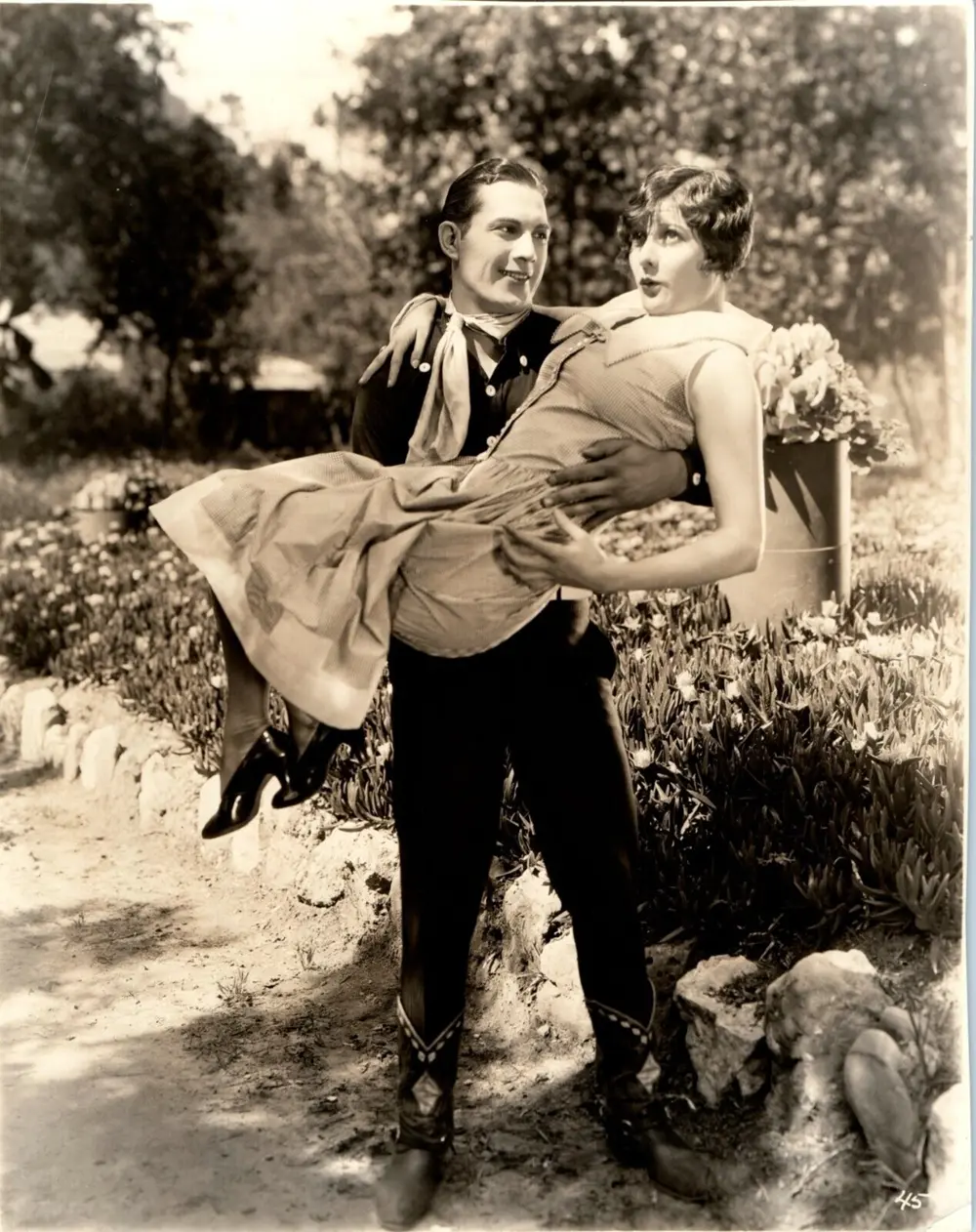
The character of Gerald, played by Stanley Taylor, is the weakest link in the narrative chain. His theft from the bank is a plot device that feels forced, serving only to put Tom in a position of compromise. The 'shamed brother' was a staple of 1920s melodrama, but here it feels particularly thin. Gerald’s inability to defend himself makes him a frustrating character to follow, especially when contrasted with the hyper-competence of Tom and even the young Frankie Darro.
However, this weakness sets the stage for the film's most effective sequence: the kidnapping. When Riley realizes he can't beat Tom in a fair fight of wits, he resorts to the tactics of a common villain. The scene where Riley uses Gerald as a decoy is shot with a gritty, shadows-and-dust aesthetic that elevates the film above its B-movie origins. The cabin where Frances is eventually held becomes a site of genuine tension, a stark contrast to the sunny, optimistic opening of the film.
"The silent era often relied on the 'damsel in distress' trope, but Red Hot Hoofs complicates this by making the hero's primary motivation a debt of honor rather than just a romantic pursuit."
We cannot discuss Red Hot Hoofs without mentioning Beans the Dog. In the 1920s, animal stars were often more popular than their human counterparts, and Beans proves why. His performance—if we can call it that—is remarkably well-integrated into the plot. He isn't just a mascot; he is a functional part of the rescue mission. There is a moment when Beans alerts the ranch to the kidnapping that is edited with more urgency than the actual human dialogue cards.
The dog knows better. While the humans are busy with their pride and their thefts, the animal remains the moral compass of the Bar X. This adds a layer of charm to the film that balances out the somewhat grim boxing subplots. It’s a reminder of the era’s fascination with the 'intelligent' beast, a theme also explored in films like The Galloping Cowboy.
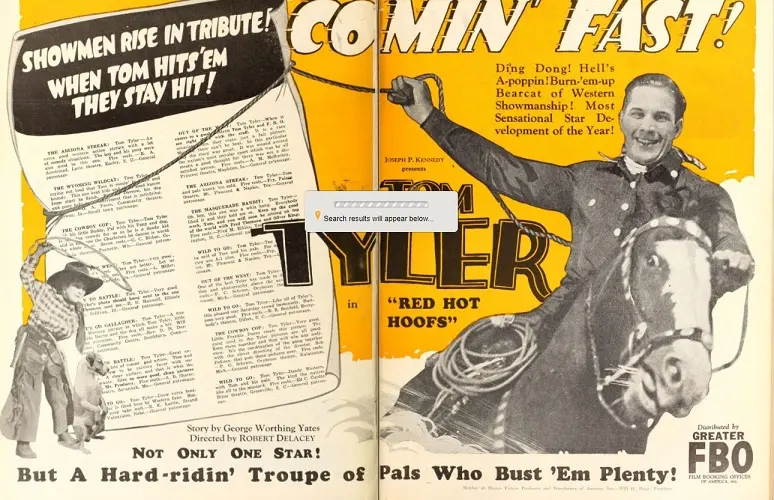
If you are looking for a masterpiece of silent cinema on the level of Murnau or Lang, you will be disappointed. Red Hot Hoofs is a workhorse of a movie. It was designed to entertain a Saturday afternoon audience, and in that capacity, it still succeeds. The pacing is brisk, the stunts are authentic, and the central conflict is resolved with a satisfying punch to the jaw.
The film’s unique selling point is its refusal to stay in its lane. Is it a Western? Yes. Is it a sports movie? Yes. Is it a crime thriller? By the third act, absolutely. This genre-blending is what keeps it from feeling like a dusty museum piece. It has a pulse, even if that pulse is sometimes erratic.
Pros:
Cons:
Red Hot Hoofs is a sturdy, reliable piece of entertainment that showcases the best of the F.B.O. (Film Booking Offices of America) output. It doesn't reinvent the wheel, but it polishes the spokes until they shine. Tom Tyler is a wall of a man, and Al Kaufman makes for a delightfully punchable villain. While the plot about the thieving brother is a bit of a slog, the payoff in the final reel is worth the wait. It is a film that understands its audience and delivers exactly what it promises: action, honor, and a hero who can take a hit as well as he gives one. It’s not a masterpiece, but it’s a damn good time for those who know what they’re looking for.
IMDb —
1918
Community
Log in to comment.