DbcultAccessing Vault...
5.4/10
Senior Film Conservator
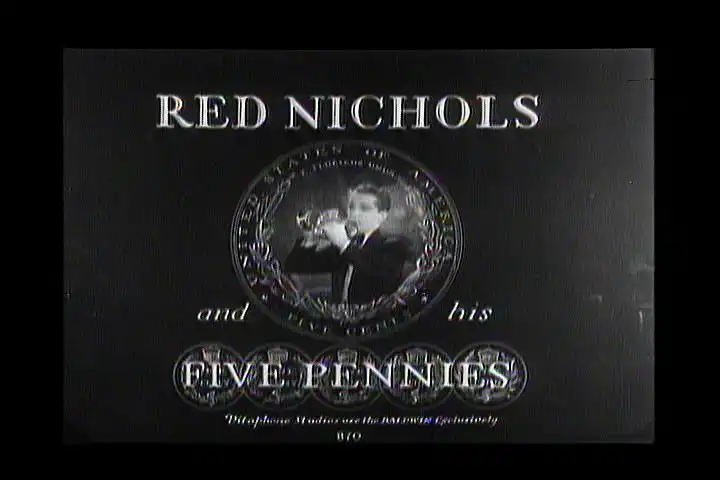
A definitive 5.4/10 rating for a film that redefined the boundaries of cult cinema. Red Nichols and His Five Pennies remains a cornerstone of transgressive art.
If you have ten minutes and you like old-school jazz, then yeah, put it on. It is a neat little slice of history that doesn't ask for much of your time.
People who hate static camera shots or scratchy audio from the early sound era will probably want to skip this one entirely. It is loud and a bit messy.
I found this while looking for something short to watch before bed. It’s one of those Vitaphone shorts where the band just stands there and plays for the camera.
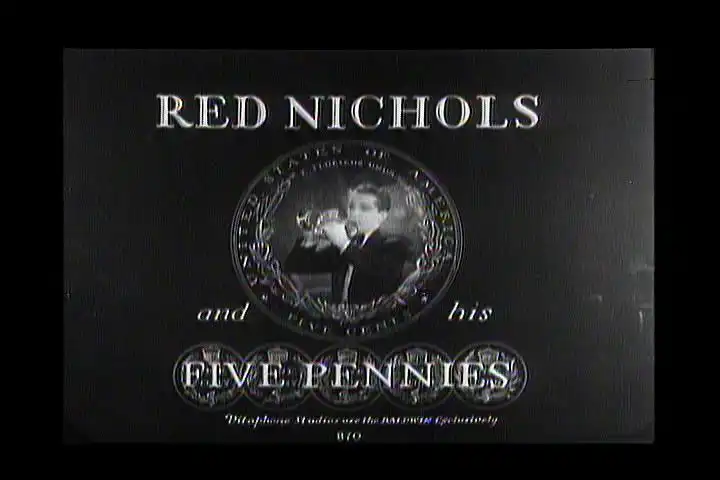
Red Nichols is the star here, and he looks very serious about his cornet. He has this way of standing that feels very stiff, like he is afraid if he moves, he will trip over a wire.
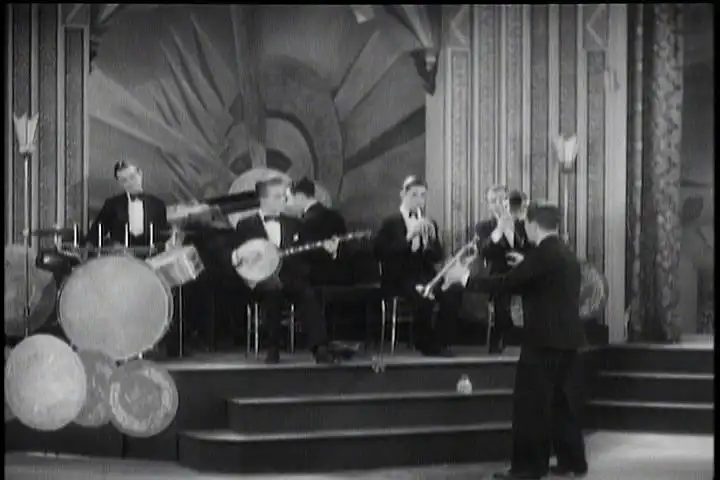
The band is called the Five Pennies. But if you count the people on the stage, there are definitely more than five guys there.
I always find that funny about this band. Maybe the others are just bonus pennies or something.
The music is that really fast, bouncy Dixieland jazz. It feels like the kind of music that would play during a frantic chase in a cartoon.
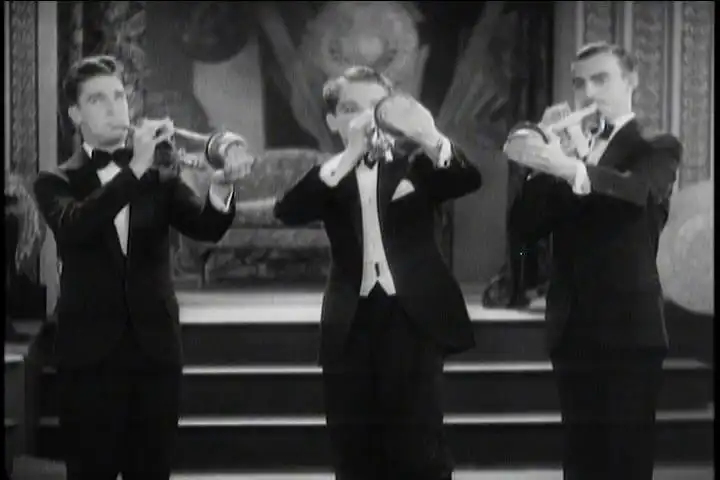
There is a trumpet trio in the middle that is actually pretty cool. They play in perfect sync, and you can see the sweat on their foreheads because of the hot studio lights.
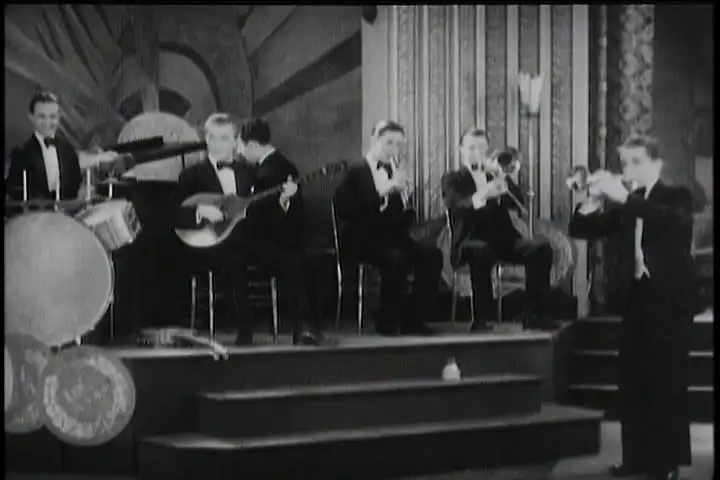
The sound quality is... well, it's 1929. It sounds like the music is being played inside a tin can that is being kicked down a hallway.
But that is part of the charm, I guess. You can hear the hiss and the pop of the old recording discs.
A singer comes out at one point. She has that very specific 1920s voice where every word sounds like it’s being squeezed through a straw.
She doesn't move her body much while she sings. Most performers back then stayed still because the microphones were hidden in big flower pots or hanging from the ceiling.
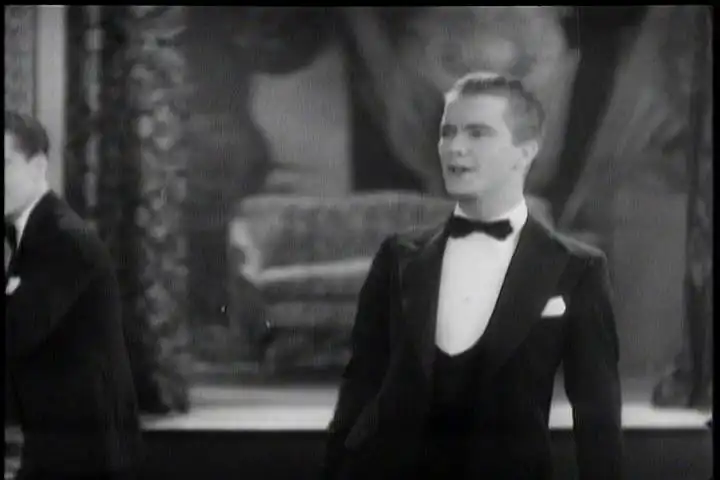
It makes the whole thing feel a bit like a wax museum that suddenly came to life. The stage is very plain, just a dark curtain and some floor space.
There is no plot at all. It is just: song, song, singer, big finish.
Murray Roth directed this, and he clearly just wanted to capture the sound. He doesn't try to do anything fancy with the camera work.
It’s just one long look at the band. Sometimes the camera zooms in a little bit, but not much happens visually.
I noticed one of the musicians in the back looks bored out of his mind. He is just sitting there waiting for his turn to blow into a horn.
It’s those little human moments that make these old shorts worth it. You realize these were just guys doing a job on a Tuesday morning almost a hundred years ago.
I wonder what they thought about the cameras. Probably thought it was a passing fad that wouldn't last.
The trumpets are very loud in the mix. Sometimes they drown out the piano entirely.
It reminded me a bit of the energy in The Strong Man, even though that’s a totally different kind of movie. Both have that 1920s obsession with fast-paced entertainment.
The singer's dress is really sparkly. Even in grainy black and white, you can see it catching the light every time she breathes.
The ending is very abrupt. They hit the last note, and the screen just goes black.
No credits, no "thanks for watching," just silence. It’s a bit jarring if you aren't expecting it.
I wouldn't call this a masterpiece of cinema. It’s more like a home movie of a really good band.
If you are into music history, you should check it out. It’s a good way to see how people used to party back then. 🎺
Just don't expect it to change your life. It’s just some guys and their horns.
Anyway, I liked it for what it was. A short, noisy blast from the past.
IMDb 7
1919
Community
Log in to comment.