DbcultAccessing Vault...
5.3/10
Senior Film Conservator
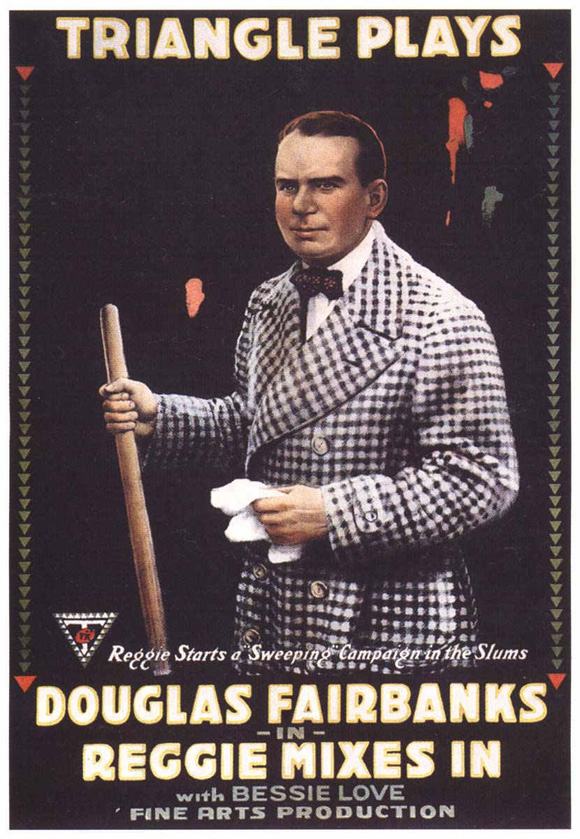
A definitive 5.3/10 rating for a film that redefined the boundaries of cult cinema. Reggie Mixes In remains a cornerstone of transgressive art.
The silent era, a period often romanticized yet frequently misunderstood, birthed an array of cinematic marvels, none more captivating than those featuring the inimitable Douglas Fairbanks. In 1916's Reggie Mixes In, Fairbanks, already a burgeoning star, crafts a character that perfectly encapsulates the era's fascination with dynamism, moral rectitude, and the thrilling transformation of the individual. This film, a vibrant testament to early narrative filmmaking, plunges its protagonist, Reginald Morton, from the gilded cages of high society into the gritty, pulsating heart of the urban underbelly, all for the sake of genuine affection and a newfound purpose.
Reggie Morton, portrayed with Fairbanks' characteristic effervescence and athletic grace, initially inhabits a world of superficiality and inherited privilege. He is, by all accounts, a man adrift, tethered to a social set that offers little in the way of intellectual stimulation or profound connection. His engagement to Dorothy Fleming, a woman whose affections are as fleeting as her interest in his wealth is profound, serves as a stark illustration of his discontent. Dorothy, a quintessential flapper prototype before the term even existed, flirts with an abandon that underscores the hollowness of her commitment. This initial portrayal of Reggie is crucial; it establishes him not merely as a wealthy dilettante, but as a soul yearning for something more substantial, a common trope in early 20th-century literature and cinema, reflecting societal anxieties about wealth and purpose. One might draw parallels to characters in films like The Quest, where protagonists often embark on journeys of self-discovery, albeit often in more overtly adventurous settings.
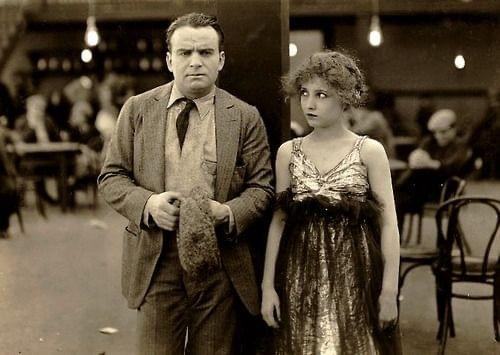
The narrative, penned by Roy Somerville and Robert M. Baker, deftly sets the stage for Reggie’s inevitable disillusionment. The repetitive sentence structures of his daily life are mirrored by the film's initial, almost languid pacing, lulling the audience into a sense of Reggie's own ennui. The societal critiques embedded within this opening act are subtle yet potent, highlighting the vapid pursuits of the elite and the moral compromises inherent in marriages of convenience. Fairbanks, even in these early scenes, imbues Reggie with a restless energy, a latent athleticism that hints at the adventures to come, a coiled spring waiting for release from the constraints of his superficial existence. His discomfort with his surroundings is palpable, making his eventual departure from this world not just a plot point, but a deeply satisfying character arc.
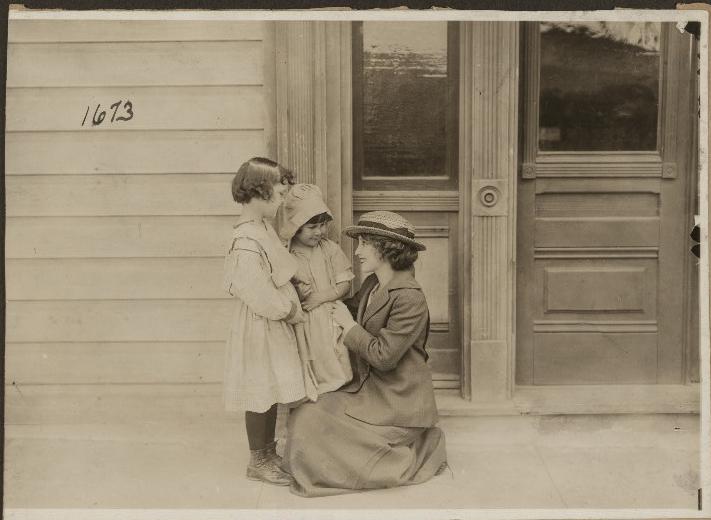
The true genesis of Reggie's transformation arrives not through grand design, but through a serendipitous encounter. While cruising in his automobile, a symbol of his class, he chances upon a lost little girl, a poignant emblem of vulnerability in a sprawling metropolis. His decision to return her to her home in the slums is the pivotal moment, a narrative fulcrum that irrevocably shifts his trajectory. It is here, amidst the tenements and the bustling, unvarnished reality of working-class life, that Reggie encounters Agnes Shannon. Agnes, portrayed with a delicate strength by Bessie Love, is a beacon of purity and resilience, a young woman of good family forced by circumstance into the harsh realities of earning a living in a cheap cabaret.
The contrast between Agnes and Dorothy could not be more stark. Where Dorothy is artifice, Agnes is authenticity. Where Dorothy's beauty is polished and cold, Agnes's shines with an inner warmth. This immediate, visceral attraction is not merely infatuation; it is Reggie recognizing a kindred spirit, a reflection of the genuine purpose he craves. The film, through this encounter, subtly critiques the class divisions of the era, suggesting that true nobility of spirit can be found in the most unexpected places, far removed from the drawing rooms of the privileged. This theme of crossing social boundaries for love and purpose is a recurring motif in cinema, seen perhaps in the more dramatic societal clashes depicted in films like Mixed Blood, though often with more tragic implications.
Armed with this newfound clarity, Reggie's prior commitments quickly crumble. The revelation of Dorothy's blatant faithlessness provides the final, necessary impetus for him to sever ties with his past. His broken engagement is not a moment of heartbreak, but one of liberation, freeing him to pursue Agnes with an unburdened heart. This narrative efficiency, characteristic of early silent films, ensures that the plot moves swiftly, focusing on the core conflict and romantic pursuit.

However, Reggie's path to Agnes is far from clear. He immediately faces a formidable rival in Tony Bernard, the undisputed leader of the neighborhood's criminal element. Bernard, a figure of menace and raw power, views Agnes as his rightful possession, a prize to be claimed. This introduces the quintessential 'damsel in distress' trope, a common narrative device that allows the hero to demonstrate his courage and strength. Bernard's instruction to his henchman to bring Agnes to him sets the stage for the film's escalating action, transforming Reggie from an idle observer into an active participant in the dangerous dance of the underworld. The narrative skillfully pivots from social commentary to a robust action-romance, a transition Fairbanks executed with unparalleled flair throughout his career.
Reggie's initial foray into this new world is marked by immediate, decisive action. He frustrates Bernard's scheme to abduct Agnes, delivering a resounding beating to the henchman responsible. This act of defiance not only showcases Reggie's latent physical prowess but also earns him the respect, and employment, of the cabaret owner, who hires him as his bouncer. This transition from dilettante to guardian of the innocent is a powerful symbol of his transformation, his inherited athleticism finally put to a noble, practical use. Fairbanks' physical comedy and acrobatic stunts, which would become his trademark, begin to shine through in these early skirmishes, providing moments of thrilling spectacle alongside the dramatic tension.
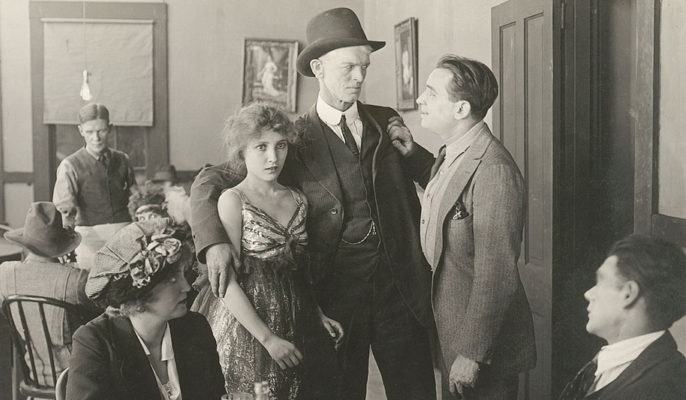
Bernard, however, is not one to be easily deterred. His obsession with Agnes persists, and with Reggie now a direct obstacle, he orders him eliminated. The subsequent ambush, a classic cinematic trope, provides Fairbanks with ample opportunity to display his unique brand of choreographed combat. Reggie, outnumbered, confronts Bernard's thugs one by one, dispatching them with a combination of agility, resourcefulness, and sheer force of will. These fight sequences, though rudimentary by modern standards, are remarkably dynamic for their time, demonstrating a clear understanding of visual storytelling and physical performance. They elevate the film beyond a simple romance into a compelling action drama, showcasing the raw, visceral appeal of silent cinema's physical storytelling.
Cornered but unyielding, Reggie issues a challenge that defines the film's climax: a one-on-one duel with Tony Bernard, the victor claiming Agnes. Bernard, fueled by pride and a possessive desire, readily agrees. What ensues is a brutal, visceral confrontation, stripped of artifice and pretension. The light is smashed, plunging the combatants into semi-darkness, heightening the tension and emphasizing the raw physicality of the struggle. The fight, a grueling test of endurance, sees both men battling to the point of exhaustion, their shirts torn, their bodies pushed to their limits. This scene is a masterclass in silent film action, relying entirely on pantomime, facial expressions, and rapid-fire editing to convey the intensity of the struggle.
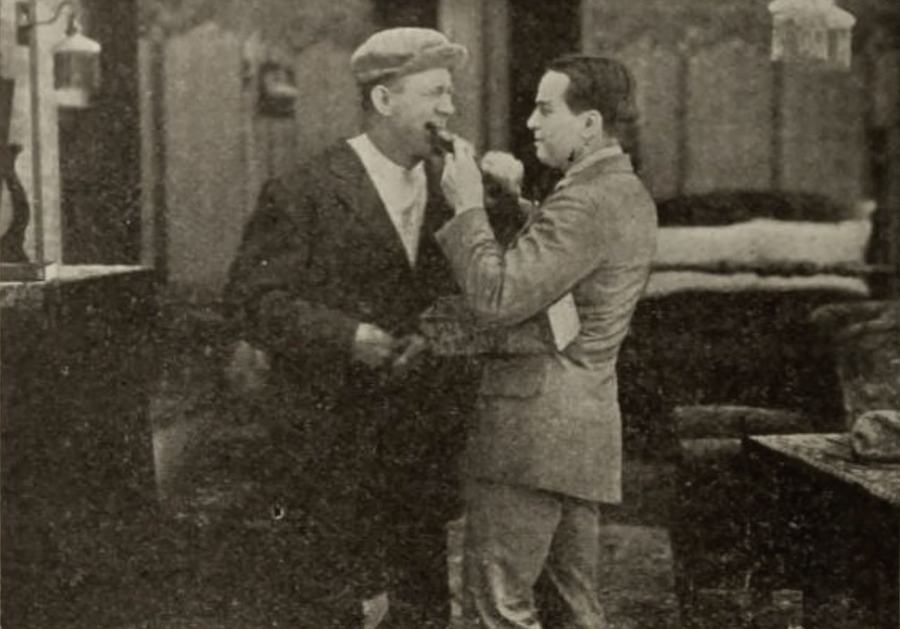
By a supreme, almost superhuman effort, Reggie delivers the decisive blow, staggering out of the room, victorious but utterly spent. Yet, the danger is not over. Bernard's remaining band of thugs immediately attacks him. However, fate, or perhaps a well-placed tip-off, intervenes. The police, arriving just in the nick of time, disperse the gang, ensuring Reggie's safety and the final resolution of the conflict. This opportune arrival of law enforcement, while somewhat convenient, serves to tie up loose ends and allow the romantic culmination to take center stage. The culmination of this arduous journey, marked by physical peril and moral triumph, is Reggie finally winning Agnes's heart, a romance forged not in the superficiality of high society, but in the crucible of courage and genuine affection.
Reggie Mixes In, while not as grand in scale as some of Fairbanks' later swashbuckling epics, is a vital piece of his filmography. It showcases his early development as a screen persona, blending athleticism with an earnest charm that resonated deeply with audiences. His ability to convey complex emotions and motivations without dialogue is remarkable, a testament to the power of silent acting. The film's themes—the search for authenticity, the crossing of class boundaries, and the triumph of individual heroism against systemic forces—remain perennially relevant. It's a narrative that champions the idea that true worth is found not in birthright, but in character and action.
The movie also offers a fascinating glimpse into the social dynamics of early 20th-century America, contrasting the detached opulence of the elite with the vibrant, often dangerous, realities of urban working-class life. The juxtaposition of Reggie's initial boredom with his later exhilaration in defending Agnes highlights a romanticized view of the 'slumming it' trope, where the wealthy find purpose among the less fortunate. This narrative device, while perhaps simplistic by today's standards, was effective in its era, resonating with audiences who yearned for tales of individual agency and moral clarity. Films like The Sins of the Mothers or The Unwelcome Wife, while different in plot, often explored the moral complexities and societal pressures faced by individuals navigating their environments.
In its construction, Reggie Mixes In is a robust example of pre-World War I filmmaking. The direction, though uncredited, effectively utilizes the visual language of silent cinema to convey emotion and action. The performances, particularly from Fairbanks and Bessie Love, are compelling, drawing the audience into their burgeoning romance and the perils they face. The supporting cast, including Wilbur Higby, Tom Wilson, and Allan Sears as the menacing Tony Bernard, contribute significantly to the film's atmosphere and dramatic weight.
Ultimately, Reggie Mixes In is more than just a historical curiosity; it is a thrilling, heartfelt adventure that stands as a testament to the enduring appeal of its star and the narrative power of silent film. It reminds us that heroism isn't always found in distant lands or grand battles, but often in the courage to step outside one's comfort zone, to fight for what is right, and to find love in the most unexpected of places. For enthusiasts of early cinema, Fairbanks’ work, or simply a compelling story of transformation, this film remains a captivating and essential watch, offering a window into the origins of the action-hero archetype and the timeless allure of a good fight for love.
IMDb —
1917
Community
Log in to comment.