DbcultAccessing Vault...
6.3/10
Senior Film Conservator
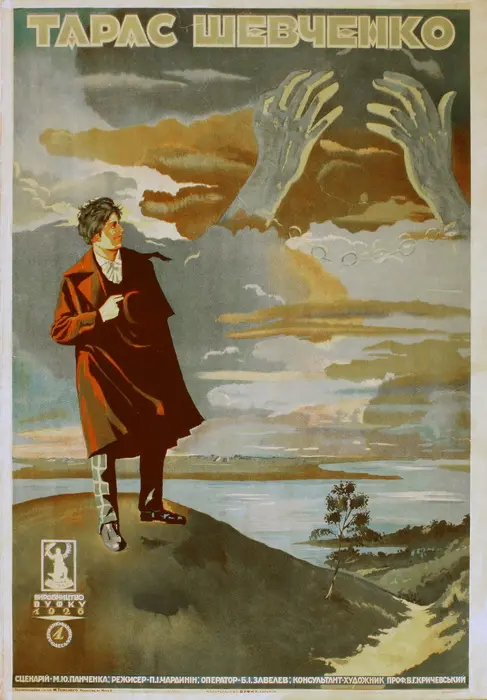
A definitive 6.3/10 rating for a film that redefined the boundaries of cult cinema. Taras Shevchenko remains a cornerstone of transgressive art.
Does Taras Shevchenko (1925) still command the screen nearly a century later? Short answer: yes, but primarily as a visceral historical document rather than a conventional narrative experience.
This film is for the patient cinephile and the history obsessive who wants to see the birth of a national cinematic identity. It is decidedly NOT for viewers who require the fast-paced, rhythmic editing of modern biopics or those who find silent film aesthetics too alienating to engage with emotionally.
1) This film works because of its obsessive, almost fanatical commitment to ethnographic authenticity, which gives every frame a weight that modern CGI simply cannot replicate.
2) This film fails because its episodic structure often feels like a series of historical tableaus rather than a cohesive, escalating dramatic arc.
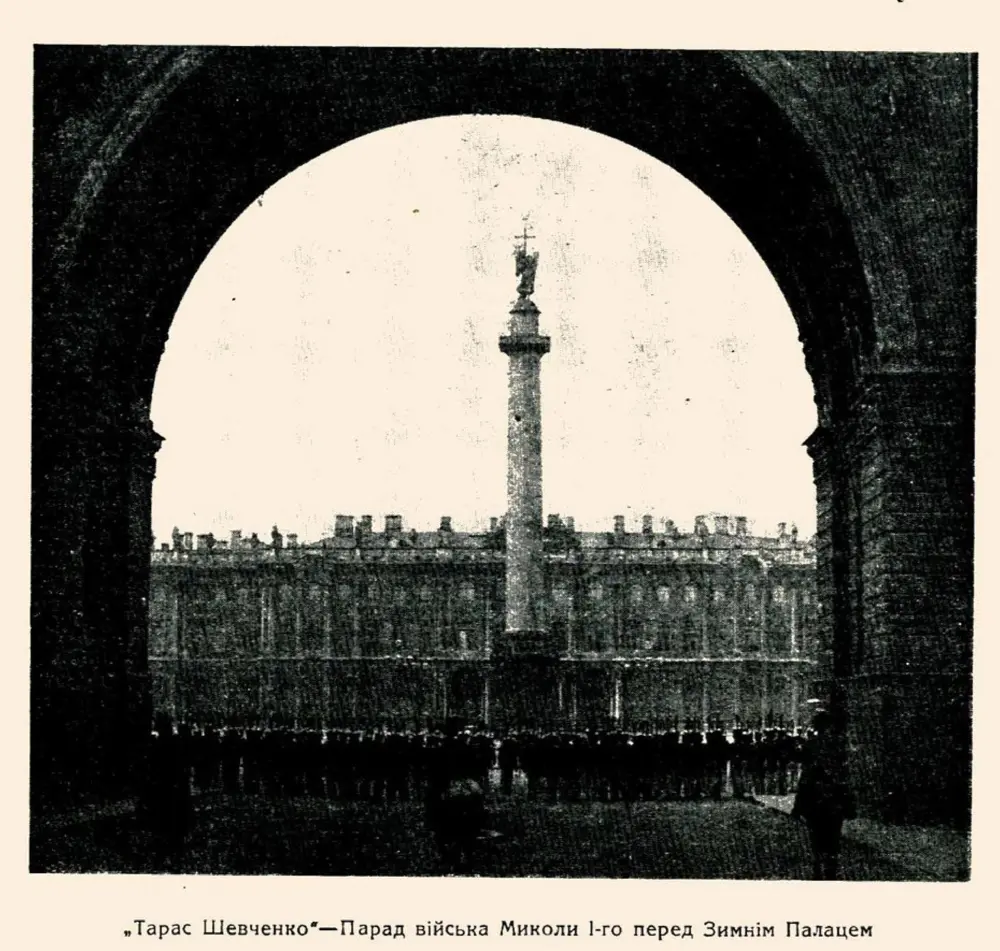
3) You should watch it if you want to witness the exact moment Ukrainian cinema stopped imitating others and began defining its own visual language.
When we talk about 'big-budget' films today, we think of superhero spectacles. In 1925, Taras Shevchenko was the equivalent of a summer blockbuster, but with a scholarly soul. The involvement of historians and literary experts wasn't a marketing gimmick; it was a necessity. You can see it in the way the sunlight hits the traditional embroidery, or the specific way the village huts are clustered. It feels lived-in.
Compare this to other historical epics of the time, such as Spartak. While Spartak leans into the grandeur of the ancient world, Shevchenko leans into the dirt. There is a scene where the young Taras is surrounded by the oppressive atmosphere of serfdom that feels more like a horror movie than a biography. The camera doesn't just watch; it witnesses.
The production didn't cut corners. By hiring experts in ethnography, the filmmakers ensured that the visual data—the costumes, the tools, the architecture—served as a silent narrator. This was a radical move. It turned a biography into a cultural archive. It’s a slog, but a rewarding one.
Amvrosi Buchma’s performance is the film’s heartbeat. In an era where silent acting often devolved into wild gesticulation, Buchma is surprisingly restrained. He understands that Shevchenko’s power wasn't just in his words, but in his endurance. His eyes carry the exhaustion of an entire people.
There is a specific moment during his exile where the camera lingers on his face for what feels like an eternity. You see the transition from despair to a cold, hard resolve. It is a punchy, effective bit of acting that transcends the limitations of the silent medium. It makes the poet human, rather than just a statue on a pedestal.
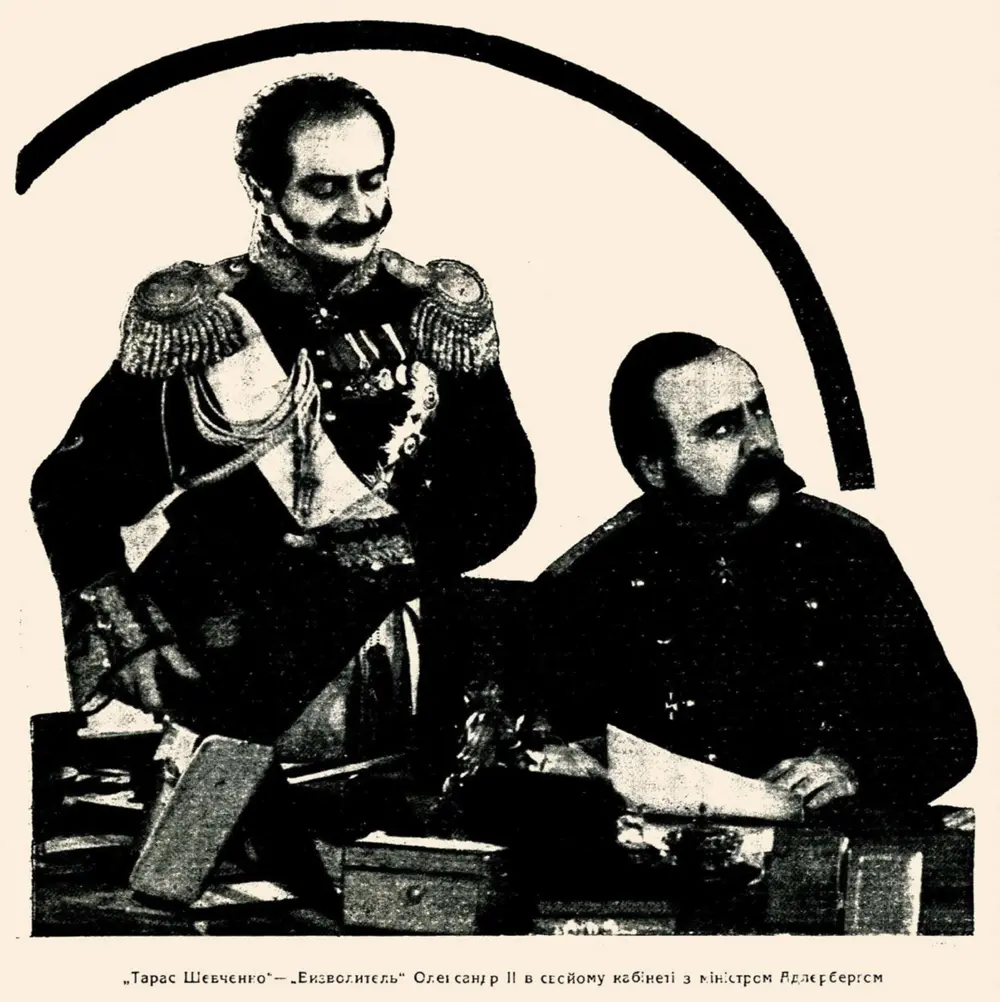
The supporting cast, including actors like Ivan Zamychkovsky and Natalya Uzhviy, provide a solid foundation, but they often feel like they are playing archetypes. Buchma is the only one who feels like he’s playing a man. This creates a strange, slightly unbalanced dynamic where the world feels real, the hero feels real, but the villains feel like caricatures from a political poster.
Is Taras Shevchenko worth your time in the 21st century?
Yes, if you treat it as an immersive time capsule. This film provides a rare look at how a newly formed cinematic industry (VUFKU) attempted to build a hero for the masses. It is not a 'fun' watch, but it is an essential one for understanding the power of film as a tool for nation-building. It offers a visual richness that rivals the best of German Expressionism or Soviet Montage, but with a uniquely Ukrainian pastoral aesthetic.
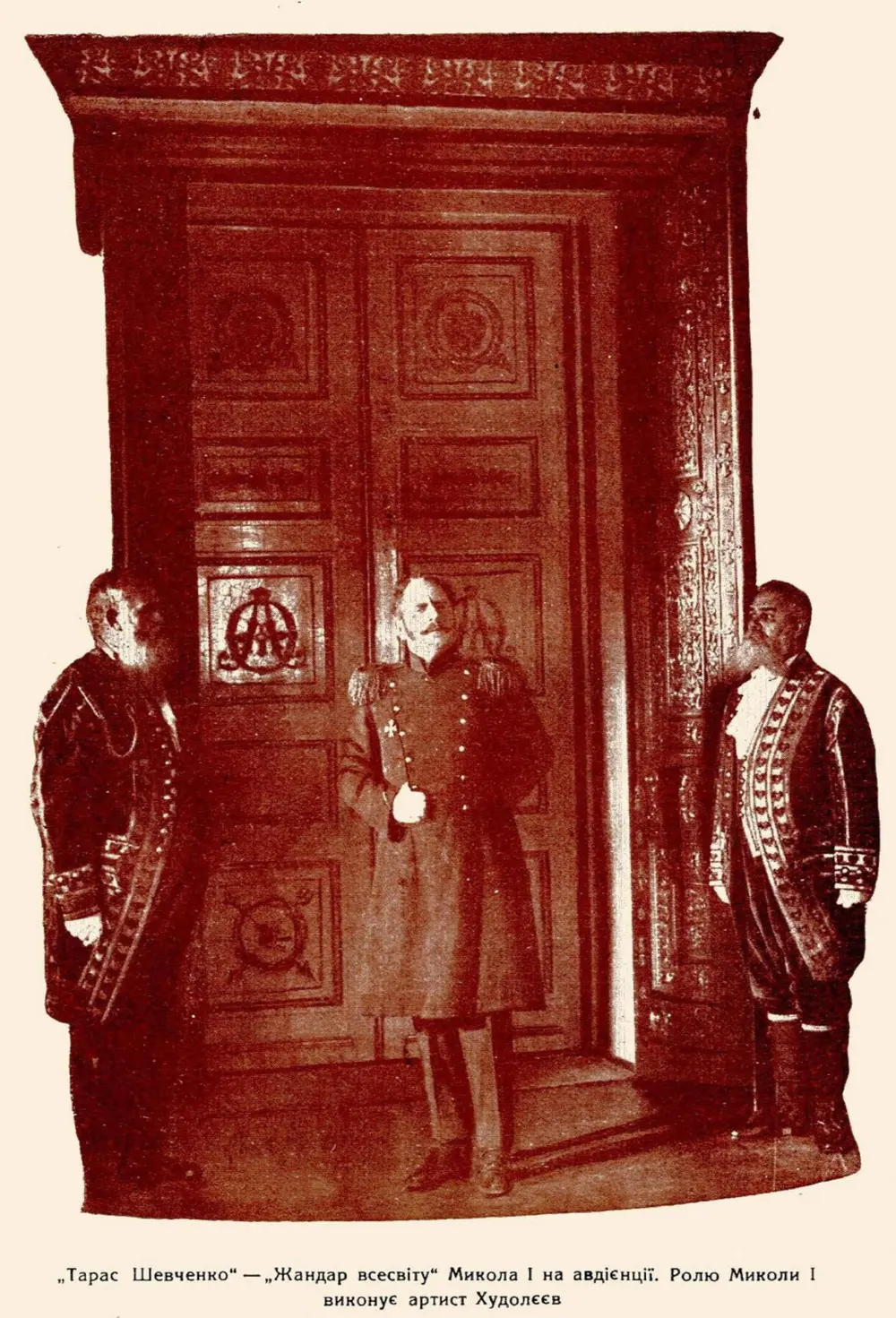
The cinematography is where the "expert" involvement truly shines. The lighting in the indoor scenes—particularly in the wealthy estates—creates a sharp contrast with the naturalistic lighting of the peasant villages. This isn't just pretty to look at; it’s a narrative device. The shadows in the Tsar's court feel suffocating, while the outdoor scenes, despite the poverty, feel expansive.
The pacing, however, is where the film shows its age. It lingers. It pauses. It breathes in a way that modern audiences might find frustrating. There are sequences involving literary analysis and historical context that feel like they belong in a textbook. But then, the film will surprise you with a shot of the Dnieper river that feels like a painting come to life.
It's a strange beast. It’s part documentary, part drama, and part political manifesto. It doesn't have the light-heartedness of something like Harem Scarem or the pulpy energy of The Man from Glengarry. It is heavy. It is serious. It is important.
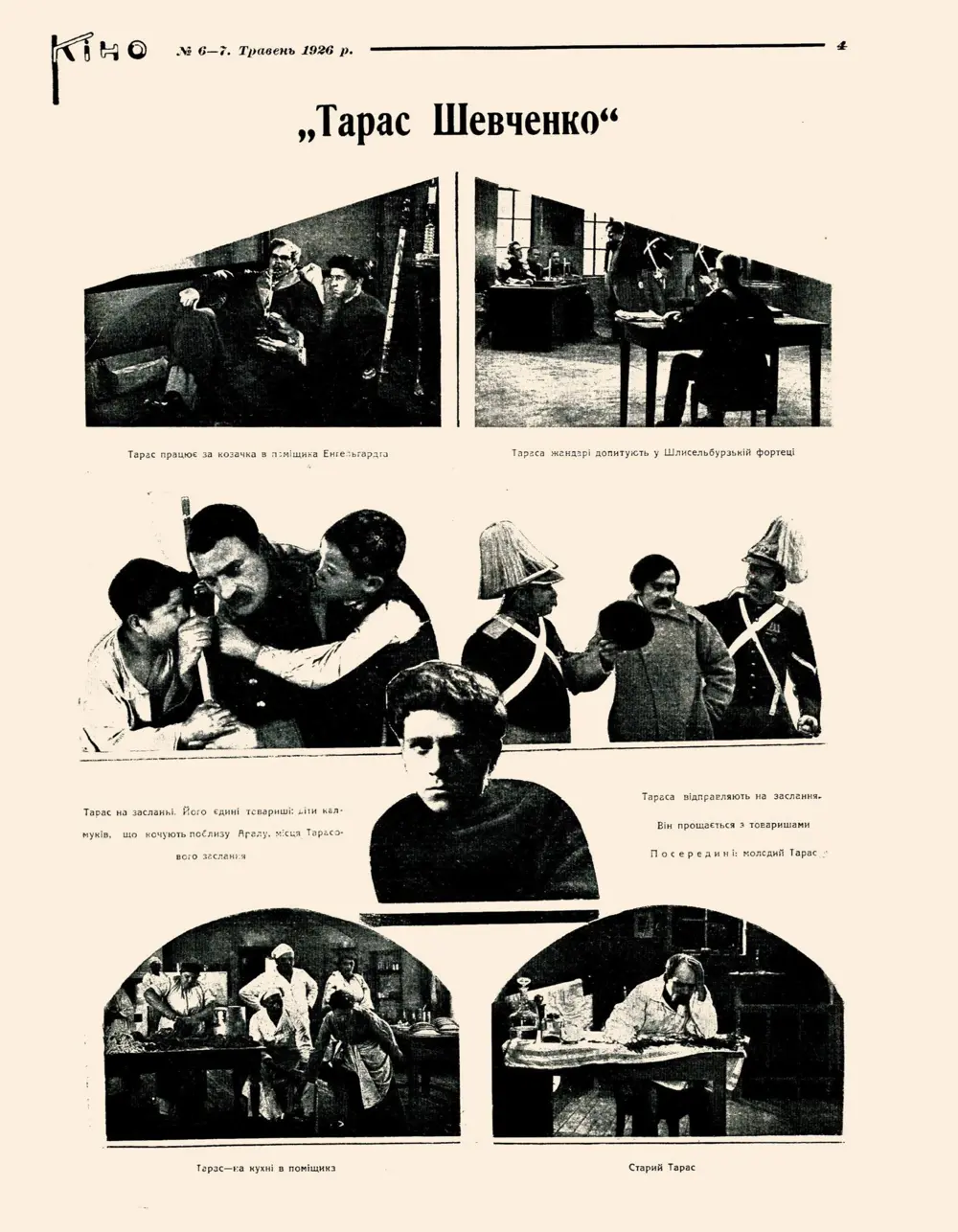
One surprising element is how the film handles Shevchenko’s art. Usually, biopics about artists struggle to show the creative process. Here, the "expert" influence is clear: the film treats his paintings and poems as physical artifacts of rebellion. The film suggests that a poem can be as dangerous as a bullet. It’s a radical stance for a 1925 film, and it feels remarkably contemporary in our current era of information warfare.
Also, let’s be honest: the film is surprisingly brutal. It doesn't shy away from the physical toll of serfdom. It makes you feel the cold. It makes you feel the hunger. It isn't a sanitized version of history. It’s raw.
Taras Shevchenko (1925) is a monumental achievement that suffers slightly under the weight of its own ambition. It is a film that demands your full attention and rewards you with a deep, textured understanding of a man and a nation. It works. But it’s flawed. The static nature of some scenes can feel like looking at a museum exhibit, but when Buchma is on screen, the film pulses with life.
"A cinematic landmark that prioritizes the soul of a nation over the tropes of the genre."
If you can handle the slow burn, you will find a film that is as much about the present as it is about the past. It is a testament to the power of art to survive even the most oppressive regimes. Go in expecting a history lesson, and you might just leave with a piece of your soul moved.
IMDb —
1918
Community
Log in to comment.