DbcultAccessing Vault...
7.1/10
Senior Film Conservator
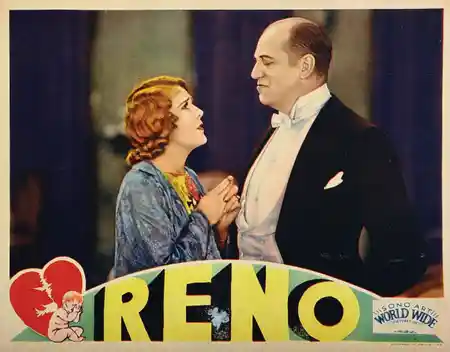
A definitive 7.1/10 rating for a film that redefined the boundaries of cult cinema. Reno remains a cornerstone of transgressive art.
Okay, look, Reno (1930) isn't going to be your Friday night blockbuster. Not by a long shot. But if you've got a soft spot for early talkies, or if you're just curious about how folks navigated messy divorces nearly a century ago, this one’s a quiet little gem worth digging up. If you need explosions or crystal-clear sound, though? You’ll probably be bored stiff. 😴
This film, it drops you right into the heart of what Reno meant back then. It wasn't just a place; it was a destination for women, often from proper society, who needed to shed a husband fast. Six weeks. That was the magic number. You feel that ticking clock through the whole picture. It's almost a character itself.
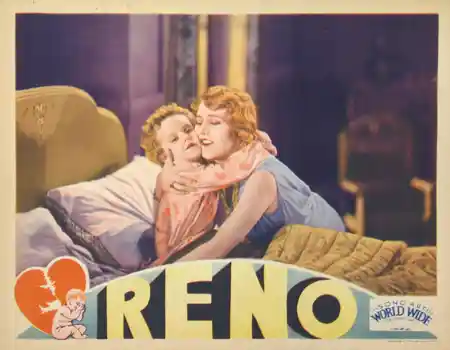
Ruth Roland plays the lead, Judith. She's got this quiet strength. You see it in her eyes, even when the rest of her face is trying to stay composed. She arrives in Reno, and the initial scenes really nail that feeling of being an outsider. All these other women, all there for the same reason, but each alone in their own story. It's kinda sad, really.
There's this one moment where Judith is sitting in her temporary apartment, just staring out the window at the dusty street. The silence goes on for a beat too long. You can almost feel the weight of her choice. No dramatic music, just the faint buzz of the early sound recording, and her stillness. 💔 It’s powerful, that quiet.
The sound quality, yeah, it's 1930s. Sometimes the dialogue is a little muffled, like they're speaking through a thick blanket. You gotta lean in a bit. But it adds to the charm, oddly. It feels authentic, like you’re listening in on a secret conversation.
Montagu Love plays the judge, and he's got this booming voice. He's very much the 'stern but fair' type. His scenes feel like the big set pieces. When he delivers a judgment, it's not just legal talk; it’s like he's passing moral judgment too. It’s the whole era, wrapped up in a gavel.
What really sticks with you is the societal pressure. Judith isn't just getting a divorce; she’s fighting against what everyone else expects. Her lawyer, played by Kenneth Thomson, he’s trying to be helpful, but you can tell he's also just trying to manage expectations. He tells her, "The town talks, Mrs. Vance." And you know it’s true.
There’s a small subplot about another woman, a bit more flamboyant, who’s also waiting for her six weeks. She's always at the hotel bar, laughing a bit too loud. It’s a stark contrast to Judith. Makes you wonder about all the different stories happening in that town. Like a whole ecosystem of broken hearts and new beginnings.
The ending isn't some big, flashy resolution. It's more of a quiet, hopeful exhale. It feels earned. You’ve seen Judith go through a lot, and by the time she gets what she came for, you're rooting for her, even if you don't know what her future holds. That's good filmmaking, even in 1930.
I mean, it's not The Artist with all its modern polish on a classic style. This is the real deal, a bit rough around the edges, a little creaky in places. But that's its strength, I think. It’s a genuine artifact. It lets you glimpse a past that wasn't always so simple, even if it looks black and white.
Overall, Reno is a surprisingly resonant film. It's not perfect, but it feels honest. It's a window into a specific time and a universal human struggle for agency. Give it a shot if you're feeling adventurous and patient. You might just find yourself thinking about it long after the credits roll.

IMDb 7
1933
Community
Log in to comment.