DbcultAccessing Vault...
5.4/10
Senior Film Conservator
A definitive 5.4/10 rating for a film that redefined the boundaries of cult cinema. Resurrection remains a cornerstone of transgressive art.
"Resurrection" from 1931 is a tricky one. If you're into classic melodramas, the kind where emotions run really high and people make grand, often terrible, decisions, then yeah, it's worth a look. Folks who love seeing early talkies and how stories were told back then will find something here. But if you need fast pacing or subtle performances, honestly, you'll probably find yourself checking your watch. It’s a product of its time, for sure.
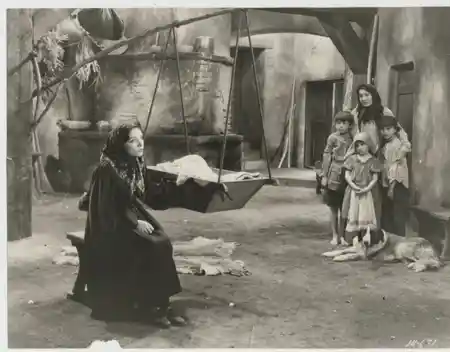
The first few scenes really set up the whole dilemma. You see Katusha, all innocent and kind, then Nekludov comes along. It's not subtle, this seduction. He’s charming, yes, but there's this underlying sense that he knows exactly what he's doing, and it's not good. The camera kind of lingers on her face during these parts, capturing a hopeful, almost naive look that just makes your stomach clench a bit, knowing what’s coming.
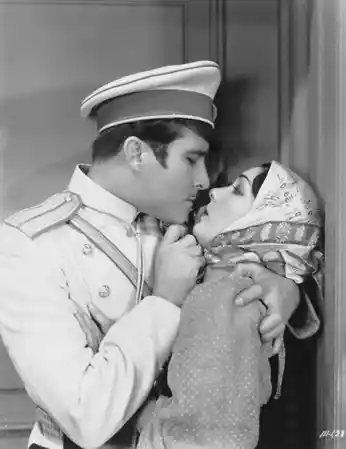
Years later, when Nekludov is sitting on that jury, you can almost feel his growing unease. It's a slow burn, his recognition of Katusha. Not a sudden "aha!" moment, which I actually appreciated. It’s more like puzzle pieces clicking into place, one after another, as he hears her story. And the way Mary Marsh plays Katusha during the trial, there's this weary bitterness, a far cry from the hopeful girl we first met. It’s stark.
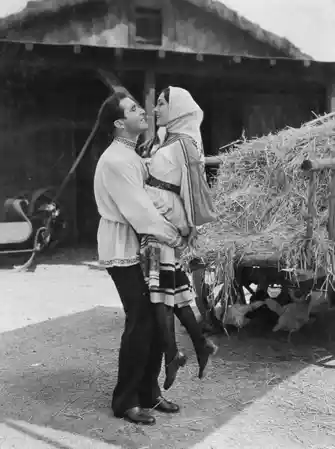
The film really takes its time with Nekludov's inner struggle. He's a mess, trying to reconcile the elegant woman in front of him with the country girl he ruined. There's a scene where he paces his study, pulling at his hair, and it feels genuinely agonizing. It's not just a plot point; you get the sense he’s actually grappling with something immense. This isn't a hero, not really, but a man finally waking up to the consequences of his privilege.

Now, the Siberia part. Oh, the Siberia part. It's a long journey, both for the characters and for the viewer. The conditions are depicted pretty grimly for a 1931 film. Mud, cold, despair. The extras, or maybe they weren't extras, just folks looking suitably downtrodden, they really sell the hardship. You see faces that look truly beaten down by life. It makes you wonder how much was "acting" and how much was just... the times. 🤔
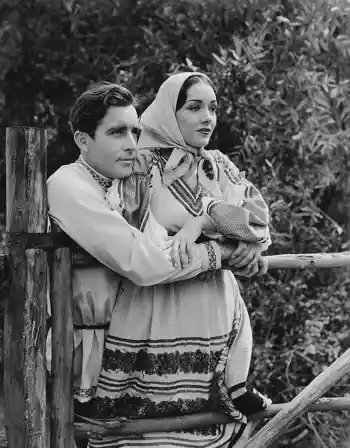
Lupe Velez, who plays Katusha, really commits to the bitterness once she's in prison. She's not exactly thrilled to see Nekludov, which, fair enough. Her performance can feel a bit over the top at times, which is typical for the era, but there's a raw emotion there. She pushes him away, she accuses him. It's not a gentle forgiveness story. It’s messy.
There's this moment, a really small one, where Katusha looks at another prisoner, an old woman, with this shared, wordless understanding. It lasts maybe two seconds. But it tells you more about her resigned state than any dialogue could. It’s these little visual beats that sometimes hit harder than the grand pronouncements.
The ending doesn't wrap things up in a neat little bow. It’s more about the journey and the weight of redemption. It leaves you thinking about what "justice" even means in this kind of situation. Can a person truly undo such damage? The film doesn't give you easy answers, which is probably its strongest card. It just sort of presents the aftermath.
For an early talkie, the sound is surprisingly clear for most of it. Though sometimes the music swells a bit too dramatically, trying to tell you exactly how to feel. That's a common thing for old movies, I guess. It’s a window into a different kind of filmmaking, where emotion was often broadcast rather than subtly implied.
You might find yourself a little bored during some of the longer, quieter scenes, especially if you're used to modern pacing. But if you settle in and let the story unfold, there’s a real, heavy power to it. It’s a reminder of how simple, yet profound, stories could be back then. And it’s a good peek at how early sound films tackled big ideas.
IMDb —
1929
Community
Log in to comment.