DbcultAccessing Vault...
Cult Review
Senior Film Conservator
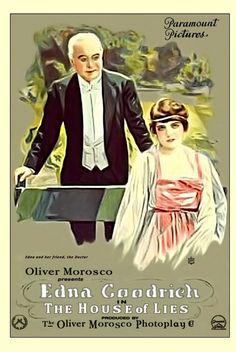
Stepping into the world of "The House of Lies" is akin to peering through a frosted pane into a meticulously constructed, yet fragile, diorama of early 20th-century societal pressures and the intricate dance of human desire. Released in an era when cinema was still finding its voice, this L.V. Jefferson-penned drama doesn't shy away from dissecting the suffocating expectations placed upon women, particularly those navigating the precarious terrain of dwindling family fortunes. The film opens not with grand gestures, but with the subtle, insidious decay of a matriarch's financial stability, setting the stage for a domestic drama where love is often a secondary consideration to lucre.
At its core, the narrative orbits around Edna Coleman, portrayed with a compelling blend of vulnerability and defiant spirit by Edna Goodrich. Goodrich’s performance is a masterclass in silent-era subtlety, conveying a rich inner life through nuanced expressions and gestures that transcend the limitations of intertitles. Edna is a character fiercely committed to the romantic ideal of marriage, a stark contrast to her mother’s pragmatic, almost cynical, worldview. This matriarch, played with a formidable presence by Lucille Ward, views her daughters not as individuals with agency, but as instruments for financial recuperation, commodities to be strategically bartered in the marriage market. Her dwindling inheritance, a constant, nagging specter, fuels her relentless push for her daughters to secure wealthy husbands. It’s a familiar trope, perhaps, but one executed here with a chilling clarity that resonates even today.
Edna's rebellion against this familial mandate is both desperate and profoundly symbolic. Her deliberate "disfigurement" – an act of self-sabotage designed to repel potential suitors and thwart her mother’s machinations – is a powerful statement. It's an almost primal scream against objectification, a refusal to be packaged and sold. This act, however extreme, marks her as a protagonist of unusual conviction, reminiscent of the tragic figures sometimes seen in films like Beatrice Cenci, where personal integrity clashes violently with oppressive societal or familial structures. While Beatrice’s fate is far more dire, the underlying theme of a woman fighting for her own soul against overwhelming odds is strikingly similar.
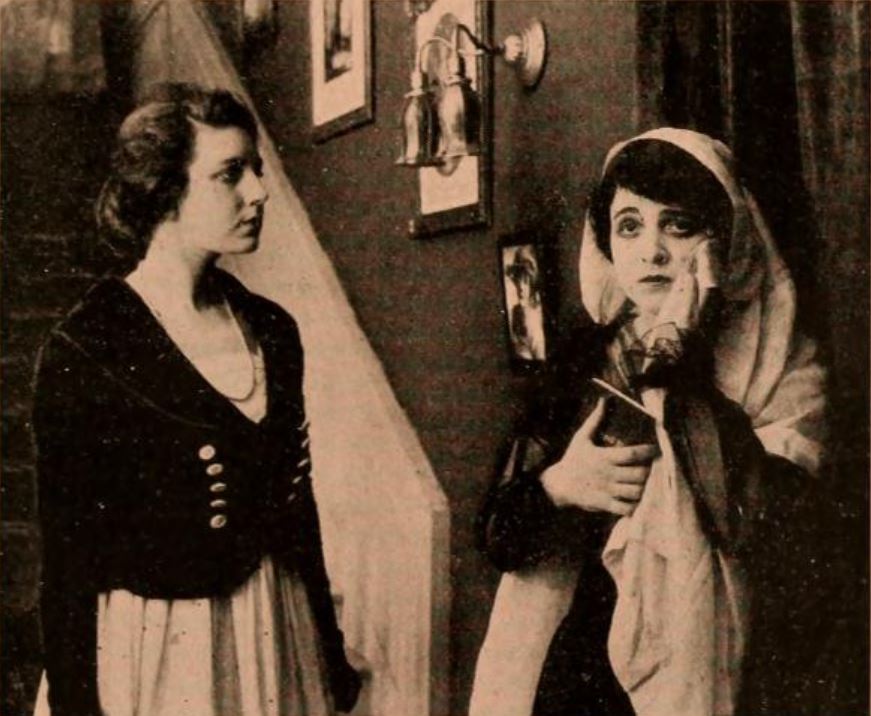
In stark contrast to Edna's principled stand is her sister, Dorothy, brought to life by Kathleen Kirkham. Dorothy embodies the more conventional path, readily embracing her mother's directives. She sets her sights on Marcus Auriel, a wealthy poet portrayed by Juan de la Cruz. De la Cruz imbues Marcus with an air of refined intellectualism, making him an ideal catch in the eyes of society – and Dorothy. Their union, however, is built on a foundation of calculated ambition rather than genuine affection, a "house of lies" indeed, where appearances are meticulously maintained to conceal the underlying transactional nature of the relationship. This thematic thread of marriages of convenience, often leading to deep unhappiness, echoes the societal critiques found in films like The Perils of Divorce, which explicitly examined the devastating consequences when financial or social motivations trump genuine love.
The narrative takes a potent, heart-wrenching turn with the revelation of Edna’s secret, long-standing love for Marcus. This unrequited affection transforms her initial rebellion into a more complex, emotionally charged quest. Her decision to secure a position as Marcus’s secretary is a stroke of narrative genius, allowing her proximity to the man she loves while simultaneously positioning her to expose the duplicity of her mother and sister. It's a dangerous game of emotional espionage, where every glance, every conversation, is laden with unspoken longing and hidden agendas. Goodrich’s portrayal of this internal struggle—the constant battle between her desire for Marcus and her moral imperative to unmask the truth—is utterly captivating. She navigates this tightrope with an understated intensity that speaks volumes without a single spoken word.
The film’s title, "The House of Lies," is not merely a catchy moniker but a profound commentary on the societal structures and familial secrets that underpin the plot. It’s a metaphor for the entire edifice of appearances and deceptions carefully constructed by the Coleman family. The mother's desperation for wealth, Dorothy’s calculated pursuit of Marcus, and even Edna’s initial self-sabotage are all threads in this intricate tapestry of deceit. The film brilliantly explores how these lies, initially intended to secure a future, ultimately threaten to unravel the very fabric of their lives, highlighting the corrosive nature of dishonesty within intimate relationships. This intricate web of secrets and hidden identities brings to mind the compelling mysteries of a film like The Woman in 47, where concealed truths are central to the unfolding drama, though "The House of Lies" grounds its secrets more deeply in domestic and emotional betrayal.
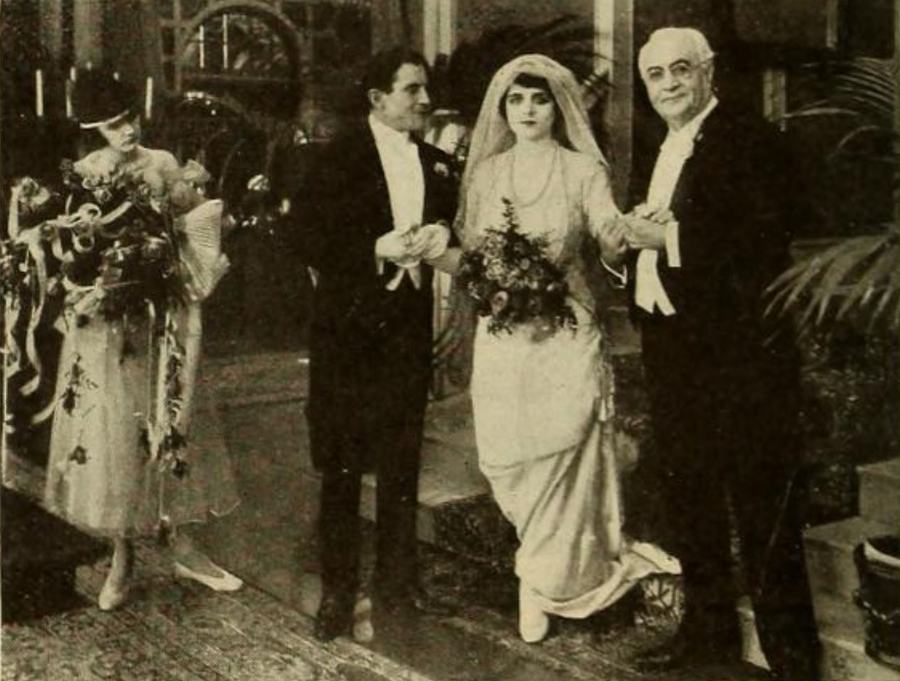
L.V. Jefferson’s writing is remarkably nuanced for its time, crafting characters who, despite their archetypal roles, possess a depth that allows for genuine empathy and moral ambiguity. The motivations are clear, but the emotional landscape is complex. Harold Holland and Herbert Standing, while perhaps in more supporting roles, contribute significantly to the film’s atmosphere, fleshing out the world around the central trio. Their presence, though less prominent, adds to the sense of a fully realized society with its own rigid codes and expectations. The narrative doesn't preach; instead, it lays bare the consequences of choices driven by greed and social climbing, allowing the audience to draw their own conclusions about the morality of the characters’ actions.
The pacing of "The House of Lies" is deliberate, building tension gradually through a series of escalating complications. The audience is drawn into Edna's predicament, rooting for her not just to expose the truth, but also to find happiness with Marcus. The silent film medium, often reliant on exaggerated gestures, is here employed with a surprising restraint, particularly by Goodrich, whose performance relies more on internal turmoil than overt histrionics. This makes the emotional payoffs all the more impactful. The film’s climax, without revealing spoilers, is a satisfying, if perhaps bittersweet, resolution to the intricate web of deceit, forcing characters to confront the ramifications of their choices.
One cannot discuss "The House of Lies" without acknowledging its social commentary. It's a sharp critique of the economic pressures that forced women into compromising positions, where marriage was less about partnership and more about financial security. This theme resonates with later works that explored the constraints on women in patriarchal societies, and the sacrifices they often made. The film implicitly questions the value of wealth when it comes at the cost of authenticity and genuine human connection. It's a reminder that while the trappings of society may change, the fundamental human struggles with love, ambition, and integrity remain timeless.
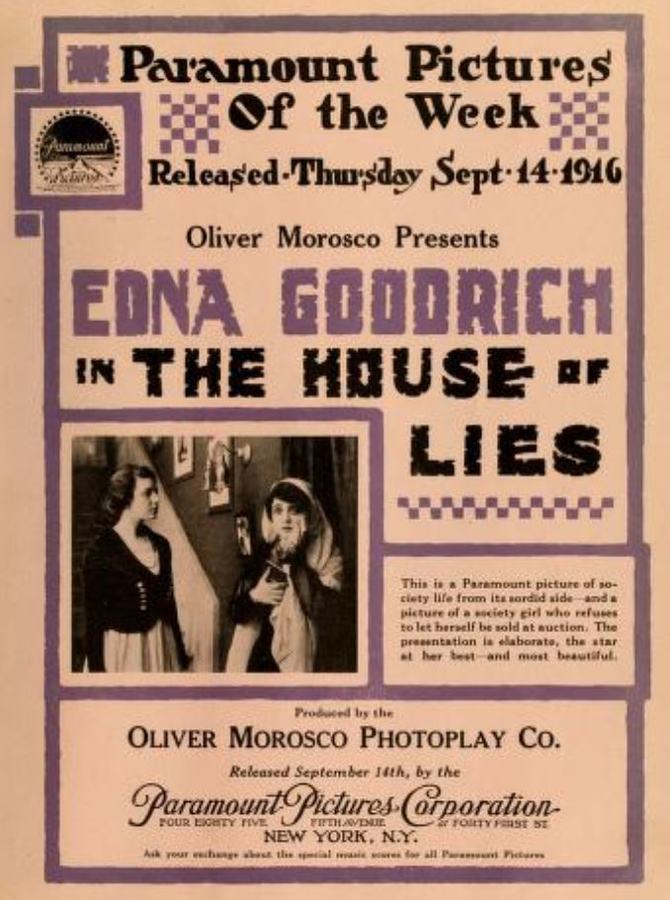
The film's exploration of familial dynamics, particularly the mother's manipulative influence, bears a thematic kinship with other dramas of its period and beyond. Consider, for instance, the intricate power struggles and often suffocating expectations within families depicted in The Only Son, where inheritance and parental desires often dictate the course of young lives. Here, however, the stakes feel more intimately tied to personal happiness rather than merely financial succession, though the latter is certainly the catalyst. The mother's relentless pursuit of wealth for her daughters, even at the expense of their emotional well-being, paints a vivid picture of the anxieties of the emerging middle and upper classes in the early 20th century.
Furthermore, the theme of consequences and the eventual reckoning with past actions is powerfully handled. Edna's journey is not just about exposing lies but also about confronting her own hidden desires and the ethical tightrope she walks. The film, in its quiet way, suggests that while deception might offer temporary advantages, it invariably leads to a reckoning. This echoes the sentiment found in films that explore regret and the impact of decisions made under duress, such as The Wasted Years, which often delves into the long-term repercussions of choices made in haste or desperation. The emotional weight of Edna's choices, both her initial rebellion and her subsequent espionage, is palpable throughout the narrative.
While it may not possess the grand historical sweep of a film like Barnaby Rudge, which uses a specific historical moment to comment on broader social issues, "The House of Lies" offers a more intimate, yet equally trenchant, critique of its contemporary society. Its focus is narrower, centered on the domestic sphere, but its implications are far-reaching, speaking to universal truths about human nature and the corrupting influence of avarice. The film serves as an important historical document, offering a glimpse into the moral and social anxieties of its period, particularly concerning class, gender roles, and the pursuit of material wealth.
The direction, while perhaps less overtly stylized than some of its contemporaries, is effective in conveying the claustrophobic atmosphere of the Coleman household and the emotional turmoil within its inhabitants. The camera often lingers on faces, allowing the actors' expressions to tell the story, a testament to the power of silent acting. The use of intertitles is judicious, providing necessary plot points without overwhelming the visual narrative. This careful balance ensures that the audience remains immersed in the dramatic unfolding of events, rather than being pulled out by excessive exposition.
In conclusion, "The House of Lies" stands as a compelling example of early cinema’s ability to tackle complex human dramas with sophistication and emotional resonance. It is a film that rewards close viewing, inviting audiences to ponder the ethical dilemmas faced by its characters and the enduring relevance of its themes. Edna Goodrich delivers a truly memorable performance, anchoring the film with her powerful portrayal of a woman caught between duty, desire, and the relentless pursuit of truth. It's a narrative that, despite its silent origins, speaks volumes about the enduring human struggle against deceit and the yearning for genuine connection in a world often governed by superficial metrics. This film, far from being a mere relic, offers a profound reflection on the perpetual tension between individual integrity and societal demands, cementing its place as a noteworthy contribution to early cinematic storytelling.
IMDb —
1924
Community
Log in to comment.