DbcultAccessing Vault...
Cult Review
Senior Film Conservator
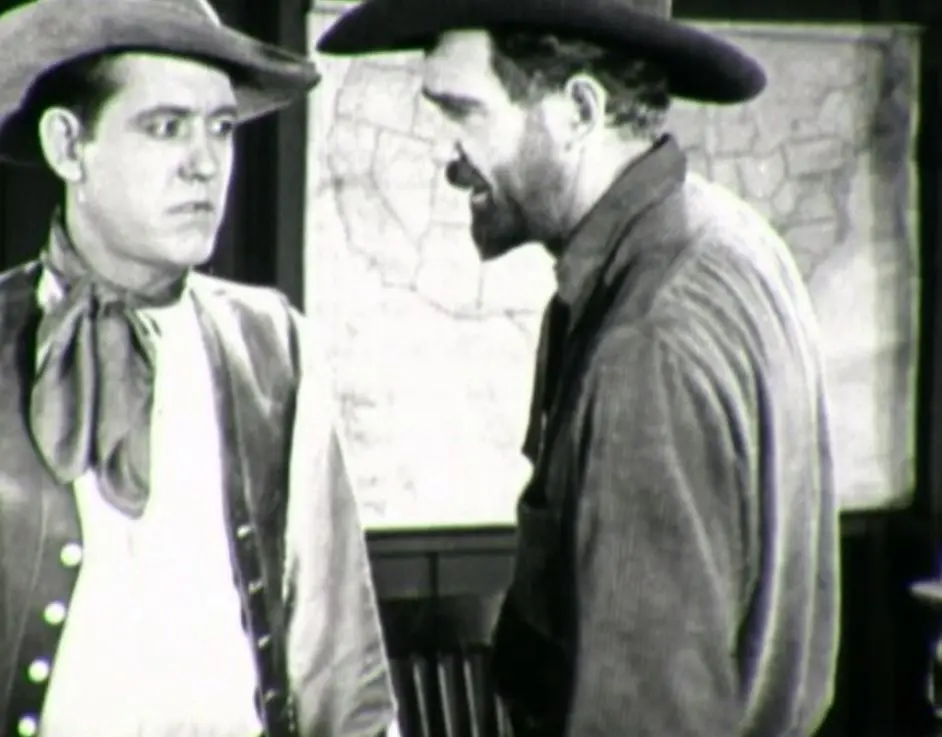
Is Revenge of the Range a forgotten masterpiece or a dusty relic of a bygone era? Short answer: it is a functional, rugged artifact that serves as a fascinating blueprint for the modern 'wrongly accused' thriller, but it lacks the narrative sophistication for a casual modern viewer. This film is for the dedicated silent cinema historian and those who find beauty in the unpolished mechanics of early 1920s filmmaking; it is decidedly not for those who require fast-paced editing or complex character arcs.
This film works because it prioritizes physical realism and stunt work over the melodramatic posturing common in 1923. This film fails because its central conflict hinges on a villain whose motivations are so thinly established they barely exist beyond the script's requirement for a 'jealous rival.' You should watch it if you want to see the exact moment the Western genre began to transition from simple morality plays into more grounded, character-driven survival stories.
Yes, but only if you approach it as a historical document. If you are looking for entertainment that competes with modern standards, you will be disappointed. However, if you want to see how early filmmakers utilized the vast, empty spaces of the American West to create a sense of isolation and dread, it is a rewarding experience. It captures a specific type of masculine anxiety that was prevalent after World War I, echoing themes found in films like Exile.
Newton House was never going to be the next Laurence Olivier, and Revenge of the Range makes no attempt to hide that. His performance is almost entirely physical. In the sequence where he is first pursued through the rocky outcroppings after the robbery, his movements are heavy and desperate. He doesn't glide like a movie star; he scrambles like a man who knows that a single slip means a broken leg or a hangman's noose. This lack of grace is the film's greatest strength.
Compared to the more refined performances in high-society dramas of the same year, such as Daytime Wives, House feels like a different species. He represents the 'dirt-under-the-fingernails' school of acting. There is a specific moment when he realizes he has been framed—he doesn't offer a grand, theatrical gesture. Instead, he simply looks at his hands, a subtle choice that suggests a man who realizes his labor is no longer enough to protect his name. It is a rare moment of quiet in an otherwise loud film.
The primary antagonist, played with a somewhat repetitive sneer by Tom Grimes, is where the film begins to show its age. The 'jealous rival' trope is used here as a blunt instrument. We are told he is jealous, but we rarely see the internal rot that leads to his treachery. This makes the central conflict feel mechanical rather than emotional. It’s a stark contrast to the nuanced betrayals seen in Assunta Spina, where the jealousy feels earned and inevitable.
However, Grimes does excel in the robbery scene itself. The way he orchestrates the chaos, using the dust of the stagecoach to mask his movements, is a masterclass in early action staging. The camera remains static, but the movement within the frame is frantic. It’s a reminder that before CGI and rapid-fire editing, directors had to rely on the sheer choreography of bodies and horses to create tension. The villain is boring, but his actions are expertly filmed.
The cinematography in Revenge of the Range is surprisingly stark. While films like The Four Horsemen of the Apocalypse were pushing the boundaries of epic visual storytelling, this film stays grounded in the dirt. The use of natural light is aggressive. The sun feels hot on the screen. There is a sequence at dusk where the long shadows of the cacti seem to reach out for the protagonist, creating a proto-noir atmosphere that was quite advanced for a standard Western in 1923.
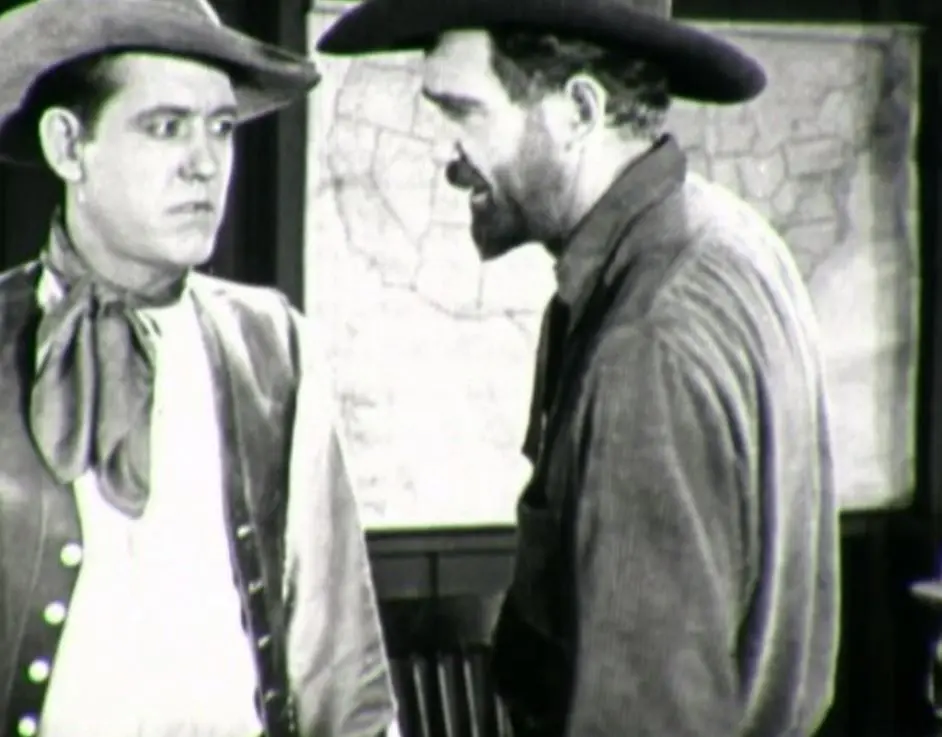
This film doesn't care about being 'pretty.' It cares about being 'there.' The grit on the actors' faces isn't makeup; it’s the actual environment. This commitment to realism makes the later, more stylized Westerns feel almost artificial by comparison. When you watch the protagonist hide in a dry creek bed, you can almost feel the grit in your own teeth. It is tactile. It is functional. It works.
At times, the pacing of the film drags, particularly in the middle act where the protagonist is wandering the wilderness. In 1923, audiences were more patient, but modern viewers might find these long stretches of landscape shots tedious. Yet, there is a purpose to this slowness. It emphasizes the scale of the West. If he could just hop over the next hill and find safety, there would be no stakes. The film forces you to sit in his isolation.
Compare this to the brisk pacing of a comedy like Beaches and Peaches, and the difference is jarring. Revenge of the Range wants you to feel the weight of time. Every minute he spends in the wild is another minute his reputation is being shredded back in town. The silence of the film actually aids this; without a bombastic score to tell you how to feel, the emptiness of the desert becomes the primary soundtrack.
Pros:
The film features some of the most authentic horse-work of the era. The location shooting is spectacular, avoiding the 'stage-bound' feel of many contemporary films like Shattered Idols. Newton House provides a grounded, believable hero who feels like a real laborer of the West.
Cons:
The secondary characters, including Josephine Hill’s role, are severely underdeveloped. The plot resolution feels somewhat rushed, relying on a convenient confession that undermines the tension built in the first two acts. The title is a bit of a misnomer; there is more 'running' than 'revenge.'
While it may not have the cultural footprint of The Sporting Venus, Revenge of the Range occupies an important niche. It represents the 'B-side' of the 1920s—the films that weren't trying to change the world, but were trying to tell a solid, relatable story to working-class audiences. It is a blue-collar film. It doesn't have the pretension of Binnaz or the experimental flair of European imports.
One surprising observation is how much the film focuses on the logistics of the frame-up. We see the planting of the evidence in detail. This focus on the 'how' rather than just the 'why' is a precursor to the police procedurals and noir films that would dominate the 1940s. It’s an unconventional observation, but this Western has more in common with Plain Clothes than it does with the romanticized cowboy tales of the 1950s.
Revenge of the Range is a sturdy, if unremarkable, piece of cinema history. It won't change your life, but it might change how you view the history of the Western. It is a film that values sweat over style. It is honest. It is brutal. It is ancient. But most importantly, it is a reminder that the struggle to clear one's name is a universal story that transcends the limits of sound and color. It works. But it’s flawed. If you have eighty minutes to spare and a passion for the origins of the American mythos, give it a look. Just don't expect a masterpiece.
IMDb 6.7
1929
Community
Log in to comment.