DbcultAccessing Vault...
4.6/10
Senior Film Conservator
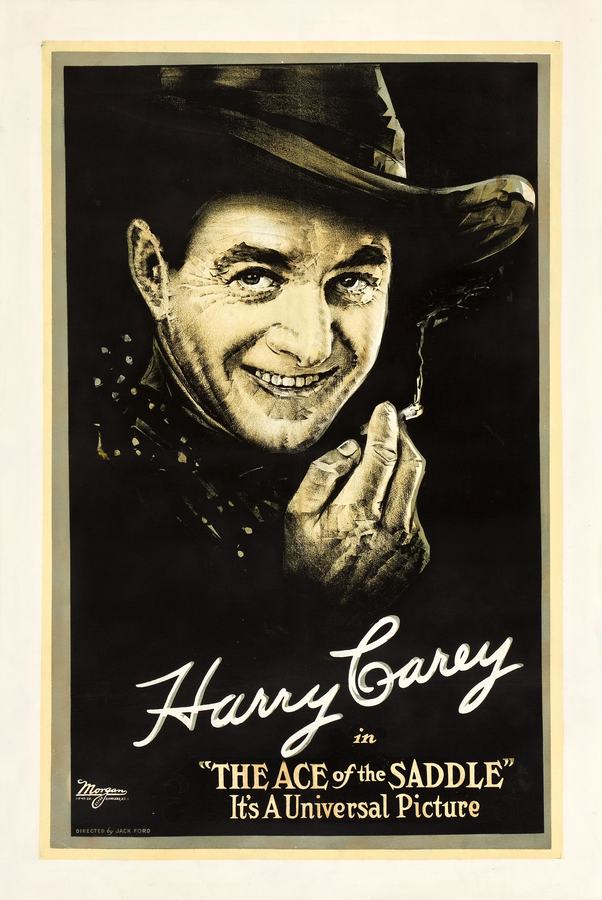
A definitive 4.6/10 rating for a film that redefined the boundaries of cult cinema. Ace of the Saddle remains a cornerstone of transgressive art.
The early decades of cinema, particularly the silent era, served as a crucible for narrative forms that would define an art medium for generations. Among these, the Western genre emerged as a quintessential American expression, a cinematic canvas upon which myths of rugged individualism, moral rectitude, and the relentless march of civilization across an untamed landscape were painted with broad, sweeping strokes. It was within this fertile ground that John Ford, a director whose name would become synonymous with the genre, began to forge his formidable vision, often with the taciturn yet magnetic presence of Harry Carey as his muse. In 1919, their collaboration yielded Ace of the Saddle, a film that, while perhaps overshadowed by their later, more celebrated works, nonetheless stands as a vital artifact, offering profound insights into the nascent stages of their artistic partnership and the evolving language of the Western.
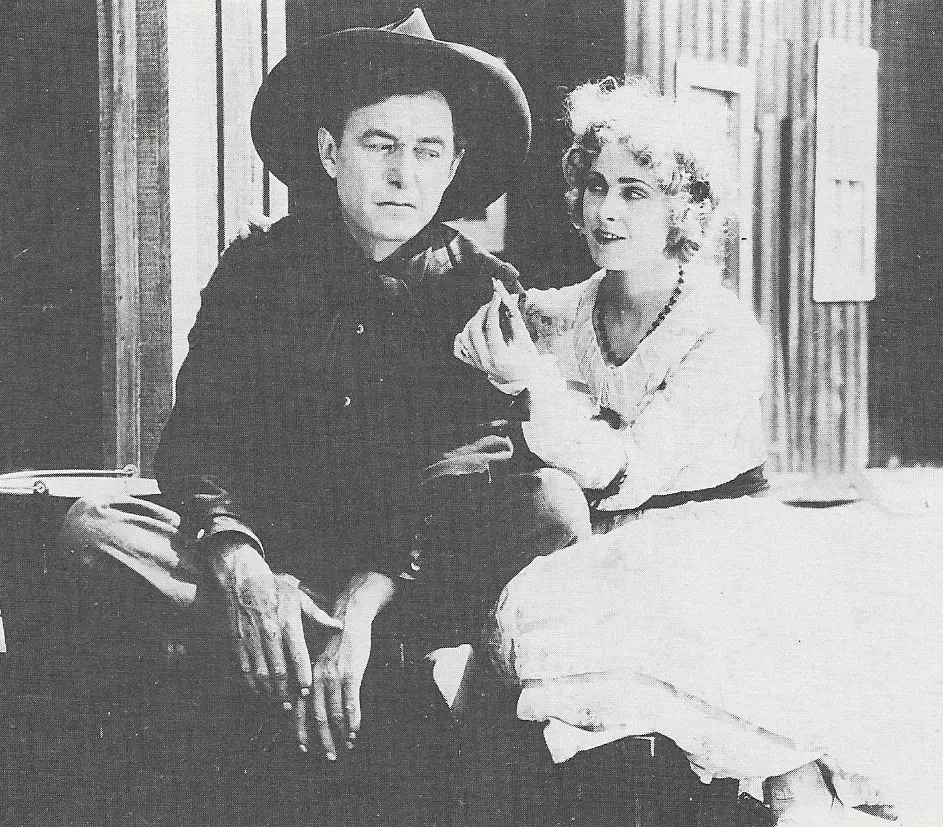
At its core, Ace of the Saddle is an archetypal narrative of good versus evil, albeit one imbued with the raw, unvarnished edges characteristic of early Fordian cinema. The plot, deceptively simple, centers on Cheyenne Harry (Carey), an Arizona cattleman whose livelihood and peace are jeopardized by a ruthless band of rustlers. Yet, the film quickly elevates beyond a mere chase for stolen livestock, delving into a far more insidious conflict: the systemic corruption that has taken root within the very institutions meant to uphold justice. The local sheriff, ostensibly a protector of the law, is revealed to be in league with the criminals, creating a suffocating atmosphere of betrayal and lawlessness that threatens to engulf the entire community. Harry, therefore, is not just fighting common thieves; he is confronting the decay of social order, a lone beacon of integrity against a tide of moral compromise. This thematic depth, even in a silent feature, resonates with a timeless quality, exploring the perennial struggle between individual virtue and institutional venality.
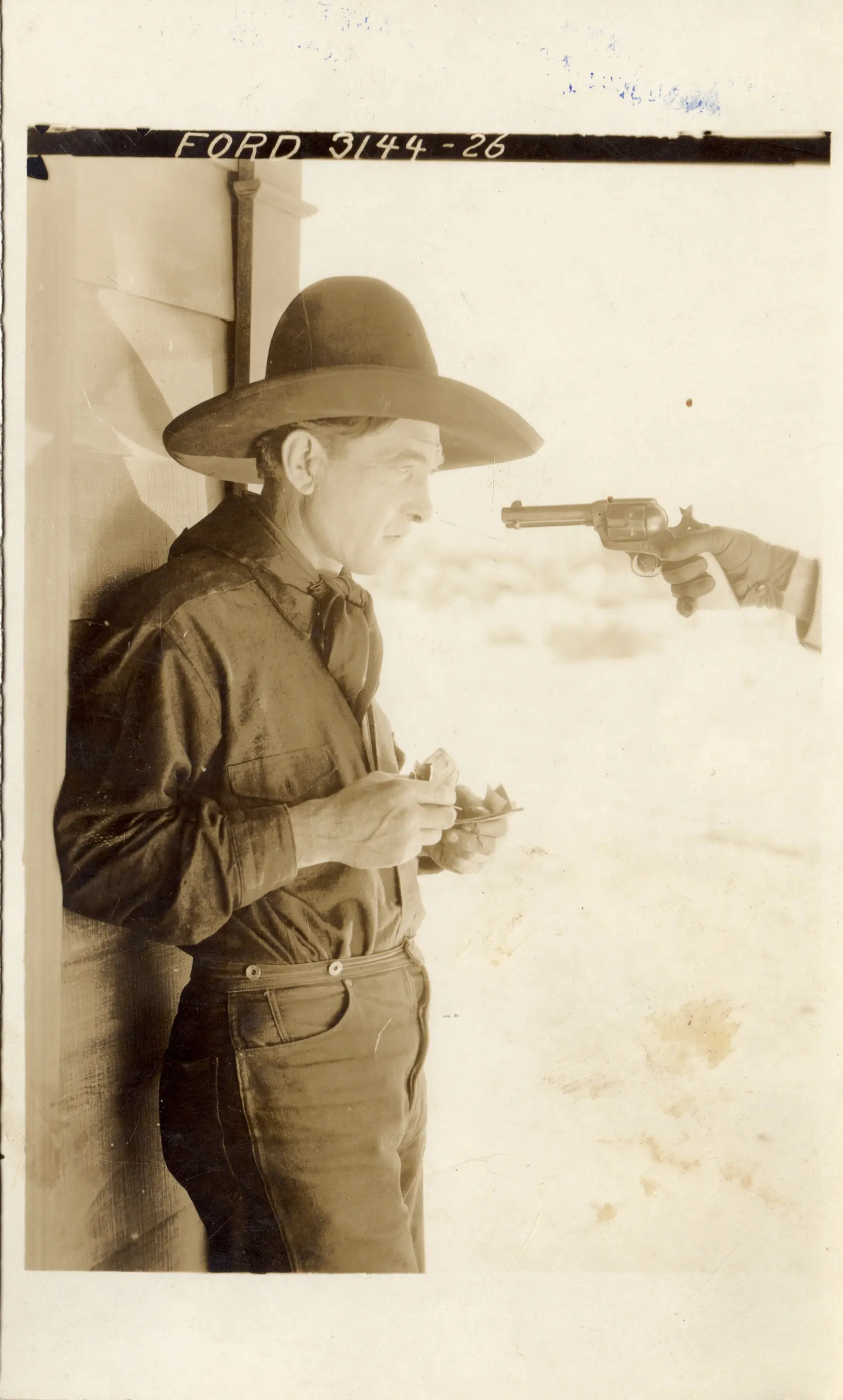
Harry Carey's portrayal of Cheyenne Harry is nothing short of iconic, a masterclass in silent film acting where nuance is conveyed through gesture, gaze, and a profound understanding of his character's internal landscape. Carey, with his weathered features and understated intensity, embodies the quintessential Western hero: a man of few words but unwavering principles, capable of both immense stoicism and explosive action. His performance here is a continuation of the persona he had cultivated across numerous collaborations with Ford, establishing a blueprint for the laconic, honorable cowboy that would influence generations of actors. He doesn't merely play a role; he inhabits it, allowing the audience to feel the weight of his burdens, the sting of betrayal, and the fierce resolve that propels him forward. The camera, under Ford's direction, often lingers on Carey's face, extracting volumes of emotion from subtle shifts in expression, a testament to both actor and director's mastery of the visual medium. This kind of nuanced portrayal, particularly for the era, sets Ace of the Saddle apart from many of its contemporaries, which often relied on more overt, melodramatic gestures.
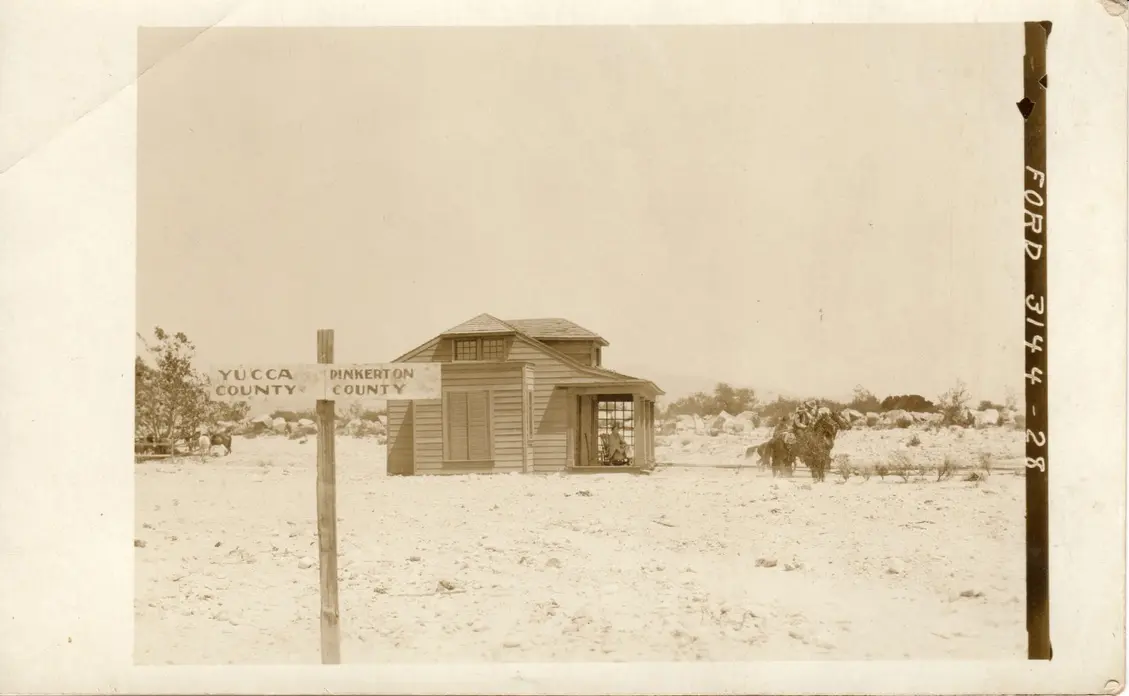
John Ford's directorial hand, even in these formative years, is already remarkably assured. His nascent genius for framing landscapes, orchestrating dynamic action sequences, and extracting compelling performances from his ensemble is evident throughout the film. Ford understood the power of the vast, arid Western landscape not merely as a backdrop, but as an active participant in the narrative, reflecting the harshness of life on the frontier and amplifying the isolation of his characters. The vistas of Arizona are captured with an almost poetic grandeur, serving to both dwarf the human struggle and underscore its significance. Furthermore, Ford’s ability to choreograph thrilling horse chases and tense shootouts demonstrates an innate understanding of cinematic rhythm and suspense, skills he would hone to perfection in later epics. The staging of the final confrontation, a visceral showdown between Harry and the corrupt elements, is particularly noteworthy, displaying a raw energy that propels the narrative to its satisfying, albeit hard-won, conclusion. It's fascinating to observe the stylistic seeds of future masterpieces like The Searchers or Stagecoach taking root in these early, unpolished gems.
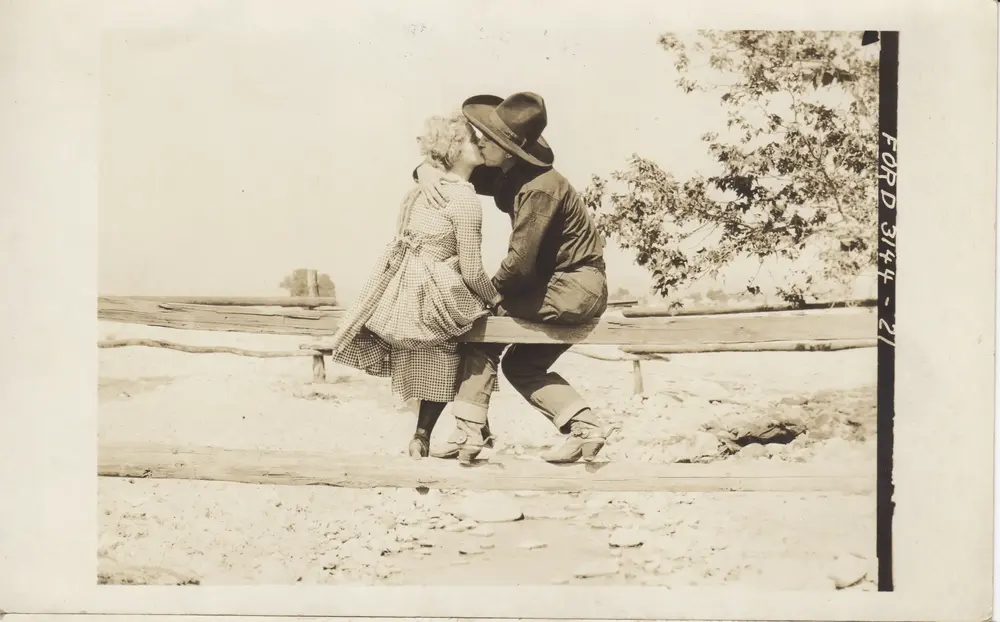
The screenplay, crafted by George Hively and Frederick J. Jackson, is a tightly constructed affair, prioritizing clear narrative progression and character motivation. While silent films necessarily relied on intertitles to convey dialogue and crucial plot points, the strength of the visual storytelling in Ace of the Saddle ensures that the narrative flows with a naturalistic pace. The writers skillfully build tension, introducing layers of complexity to the seemingly straightforward conflict. The revelation of the sheriff's complicity, for instance, is handled with a gradual unfolding that deepens the stakes, transforming a simple criminal pursuit into a moral crusade. The character arcs, though perhaps less intricate than in modern cinema, are nonetheless effective in establishing clear objectives and emotional resonance for Harry and his allies. The narrative avoids unnecessary digressions, maintaining a laser focus on Harry’s quest for justice, a narrative efficiency that speaks to the emerging craft of screenwriting in the era.
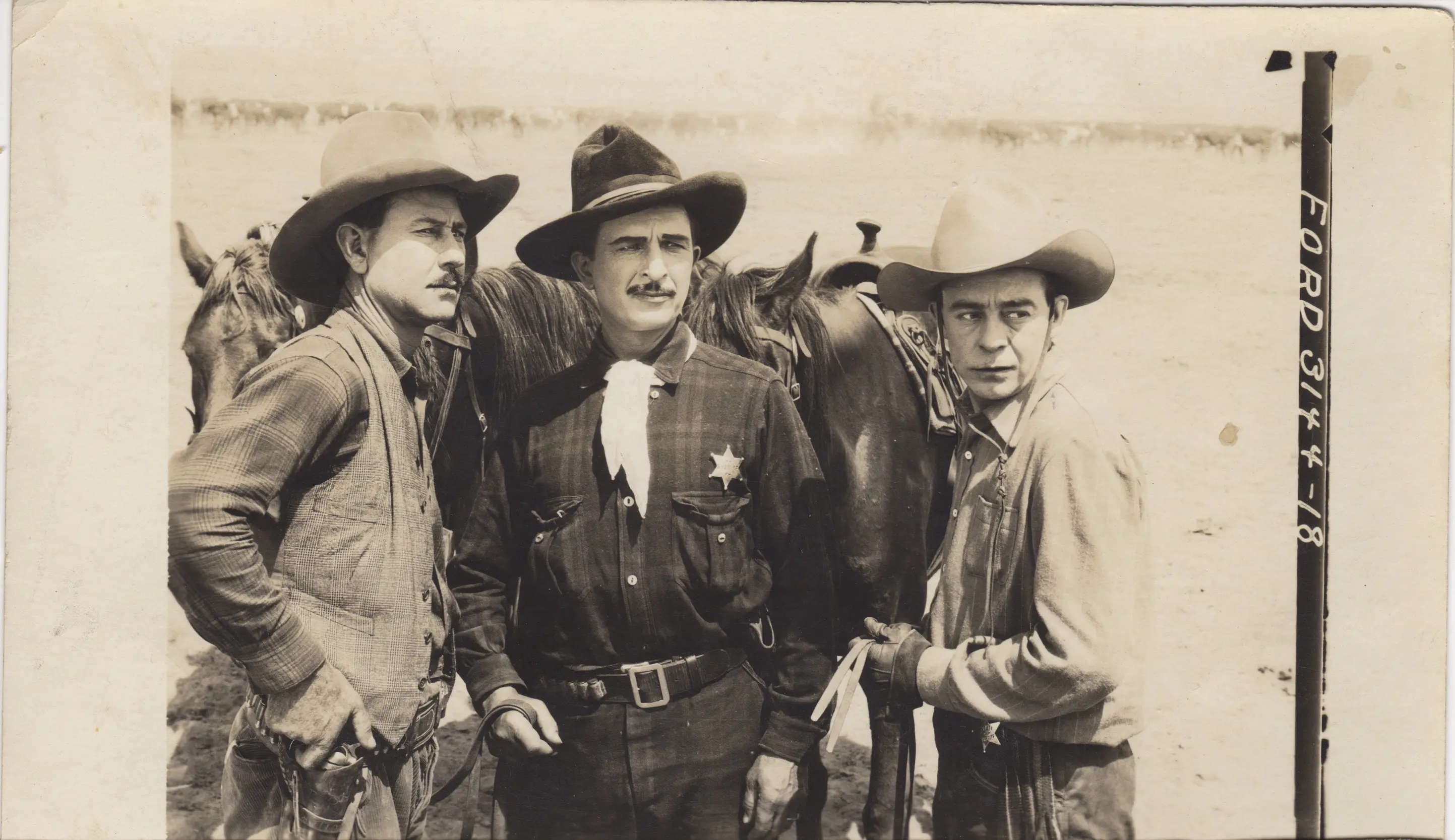
Beyond Carey, the supporting cast delivers performances that, while perhaps less prominent, are integral to the film's overall fabric. Zoe Rae, a child actor often featured in Ford’s early films, brings a touch of innocence and vulnerability that contrasts sharply with the harsh realities of the frontier. Her presence often serves as a poignant reminder of what Harry is fighting to protect. Joe Harris and Duke R. Lee, often cast as antagonists or grizzled frontiersmen, contribute to the film’s gritty authenticity, embodying the various shades of morality and villainy present in the Old West. Ed Jones, Peggy Pearce, Vester Pegg, Howard Enstedt, William Courtright, and Jack Walters fill out the ensemble, each contributing to the vivid tapestry of frontier life, whether as townsfolk, henchmen, or fellow ranchers. Their collective performances, though constrained by the conventions of silent film acting, effectively convey the community's struggle and the pressures faced by individuals caught in the crossfire of crime and corruption. The casting, typical of Ford's repertory company approach, ensured a degree of familiarity and chemistry that undoubtedly enhanced the on-screen dynamics.
The cinematography, a crucial element in silent cinema, captures the rugged beauty and inherent dangers of the Arizona landscape with remarkable clarity. The use of natural light, the expansive long shots, and the keen eye for detail in capturing the nuances of cowboy life—from the dusty trails to the bustling corrals—all contribute to a sense of authenticity. One can almost feel the sun on the skin and the grit of the desert underfoot. The visual storytelling techniques employed here are foundational, illustrating how silent films communicated complex narratives without spoken dialogue. The careful composition of shots, the dramatic use of close-ups for emotional impact, and the dynamic editing of action sequences demonstrate a sophisticated understanding of film grammar that was still very much in its infancy. For those accustomed to modern cinema, the experience of a silent film like Ace of the Saddle offers a unique glimpse into the artistry of pure visual narrative, where every frame is meticulously crafted to convey meaning.
Comparing Ace of the Saddle to other films of its era can illuminate its distinct qualities. While films like The Taint (1914) or The Prison Without Walls (1917) might explore themes of moral decay or societal confinement in different genres, Ace of the Saddle grounds its exploration of corruption firmly within the specific context of the American West. The lawlessness depicted here is not an abstract concept but a tangible threat to a way of life, necessitating direct, often violent, intervention. In contrast to more melodramatic offerings such as The Mad Lover (1917) or even romantic comedies like Algie's Romance (1916), this film maintains a stark realism, eschewing overt sentimentality for a more grounded portrayal of struggle and survival. The heroism of Cheyenne Harry, for instance, shares a lineage with protagonists in films like True Blue (1918), where loyalty and integrity are paramount, yet Ace of the Saddle elevates its hero's journey by pitting him against a more systemic and insidious form of evil. The narrative drive is less about personal gain and more about the restoration of communal faith in justice, a subtle but significant difference.
The historical context of Ace of the Saddle is also crucial for a comprehensive appreciation. Released in 1919, the film emerged in a post-World War I America, a time of significant social and cultural shifts. The Western genre, with its celebration of frontier values and self-reliance, offered a nostalgic escape and a reaffirmation of American ideals in a rapidly changing world. It was a period when the mythology of the Old West was being cemented in popular culture, and films like this played a significant role in shaping that mythology. The film's depiction of a community fighting for its very soul against internal and external threats resonated with an audience grappling with the aftermath of global conflict and the anxieties of a new decade. Furthermore, its legacy is undeniable; it represents a foundational piece in the filmography of one of cinema's greatest directors and a pivotal moment in the career of one of its most enduring stars. For scholars and enthusiasts of film history, this early Ford-Carey collaboration is not just a relic but a living document, showcasing the origins of a cinematic language that continues to influence storytelling today.
In conclusion, Ace of the Saddle is more than just a historical curiosity; it is a robust, compelling silent Western that offers a compelling glimpse into the early mastery of John Ford and the enduring appeal of Harry Carey. Its narrative, while rooted in the conventions of the genre, transcends them through its thoughtful exploration of justice, corruption, and individual heroism. The film stands as a testament to the power of visual storytelling, showcasing how emotions, conflicts, and resolutions could be conveyed with profound impact long before the advent of synchronized sound. For anyone interested in the genesis of the Western, the evolution of cinematic language, or the formative years of a legendary director, this film is an essential viewing experience, a vibrant piece of an indelible cinematic heritage that continues to resonate with its raw honesty and timeless themes.
IMDb —
1925
Community
Log in to comment.