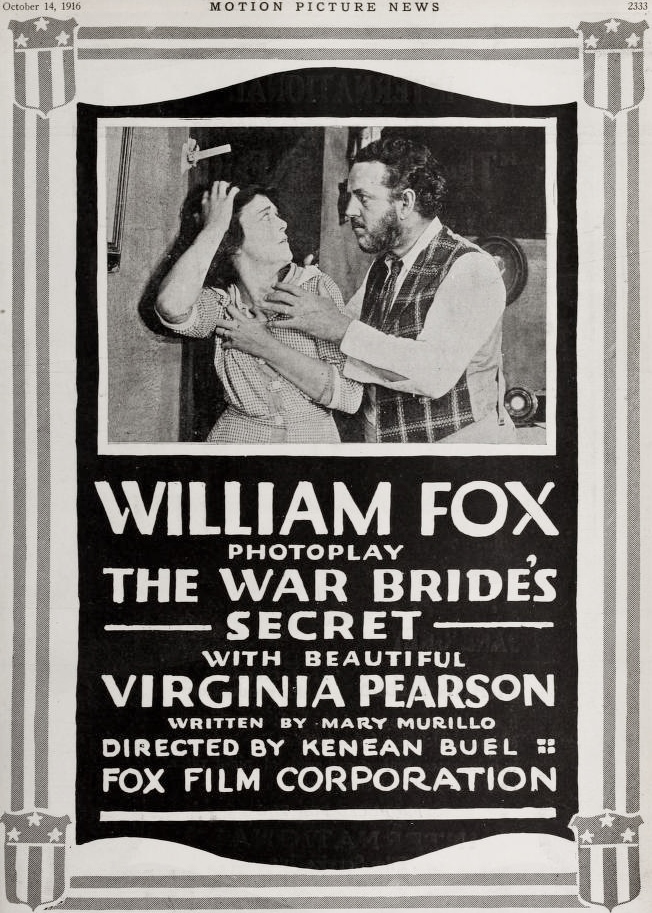
To witness The War Bride's Secret is to step into a temporal pocket where the nascent language of cinema was still aggressively asserting its dominance over the stage. Released in 1916, a year defined by the harrowing grind of the Great War, this film operates as more than mere escapism; it is a psychological document of its time. Mary Murillo, a screenwriter of formidable intellect, crafts a scenario that transcends the typical 'war bride' tropes of the era. While many contemporary productions were content with patriotic fervor, Murillo dives into the murky waters of individual culpability and the suffocating nature of Victorian-adjacent morality.
The Architectural Nuance of Mary Murillo’s Script
Screenwriting in the mid-1910s often suffered from a lack of interiority, yet Murillo manages to imbue the intertitles and the narrative pacing with a sense of impending doom that feels remarkably modern. Unlike the more straightforward political machinations found in The Senator, this work focuses on the internal erosion of the soul. The 'secret' at the heart of the film isn't merely a plot device; it is a character in its own right, stalking the periphery of every frame. The way the screenplay handles the revelation of past transgressions mirrors the tension found in The Black Box, though it trades that film's serial thrills for a more grounded, visceral pathos.
Murillo’s ability to weave the personal with the political is unparalleled for this period. The war is not just a setting; it is the catalyst that forces the characters into impossible positions. The haste of the 'war marriage' creates a vacuum where secrets can fester. We see a similar thematic preoccupation with the consequences of hasty unions in Divorced, but where that film looks at the aftermath, 'The War Bride's Secret' captures the agonizing duration of the deception.
Virginia Pearson and the Art of the Silent Gaze
Virginia Pearson delivers a performance of startling luminosity. In an era where histrionics were the standard currency of the screen, Pearson opts for a controlled, almost spectral presence. Her eyes convey a history that the intertitles don't need to explain. There is a specific scene involving a letter—a common enough trope—where Pearson’s micro-expressions elevate the material from mere soap opera to high tragedy. It lacks the overt theatricality of Assunta Spina, favoring instead a quiet, simmering desperation.
Walter Law provides a sturdy, if somewhat more traditional, foil to Pearson’s ethereal intensity. His portrayal of the soldier-husband is marked by a rugged vulnerability. The chemistry between them is built on a foundation of unspoken fears, reflecting the broader societal anxiety of the time. When compared to the ensemble dynamics in The Lost Paradise, Law and Pearson feel more isolated, more singular in their struggle. They are two islands drifting apart in a sea of social convention.
Visual Composition and Chiaroscuro
The cinematography, though restricted by the technology of 1916, utilizes light and shadow to create a palpable sense of claustrophobia. The domestic interiors are often bathed in a soft, diffused light that feels deceptive, while the moments of confrontation are sharp and high-contrast. This visual dichotomy reinforces the film’s central theme: the beautiful facade versus the dark reality. It’s a technique that would later be perfected in films like The Woman in Black, but here, in its primitive form, it feels raw and experimental.
The outdoor sequences, particularly those hinting at the far-off conflict, carry a weight of realism that contrasts sharply with the stylized melodrama of the home scenes. This reminds one of the gritty documentary-style footage seen in How We Beat the Emden, though here it is used to heighten the emotional stakes rather than to serve as a mere record of events. The juxtaposition of the tranquil countryside and the internal turmoil of the characters creates a jarring, effective dissonance.
Social Commentary and the 'Fallen Woman' Archetype
'The War Bride's Secret' engages deeply with the archetype of the 'fallen woman,' a recurring motif in Mary Murillo’s oeuvre. However, the film challenges the viewer to empathize rather than condemn. It shares a certain DNA with A Factory Magdalen in its depiction of women pushed to the brink by circumstance, but Murillo’s script is less interested in moralizing and more interested in the psychological toll of survival. The protagonist isn't a victim of her own desires, but of a system that offers no path for redemption outside of total self-effacement.
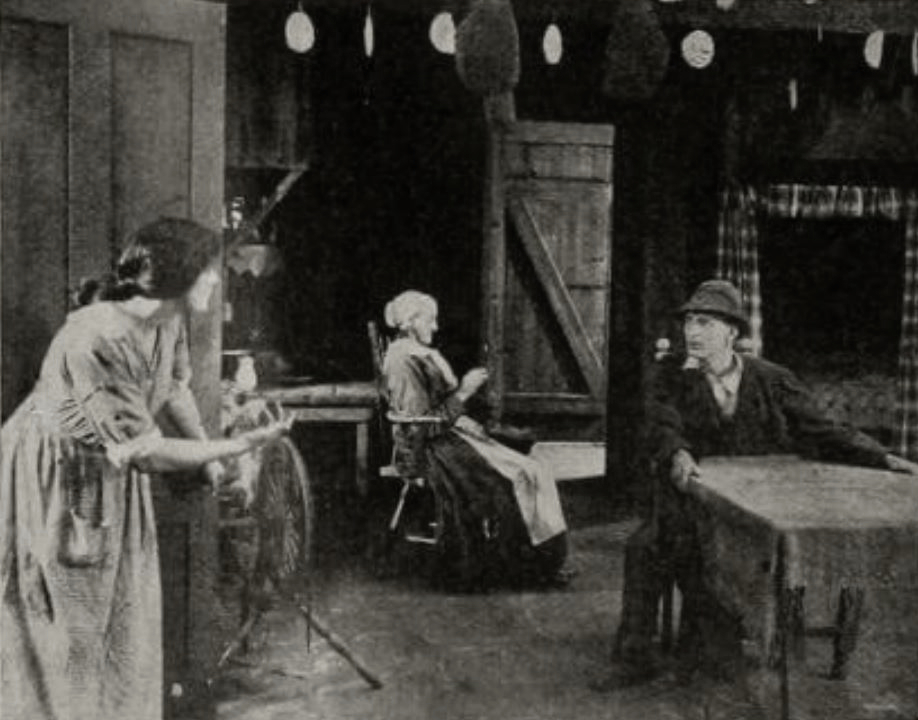
This thematic depth is what separates the film from more ephemeral fare like The Lily of Poverty Flat. While the latter leans into the romanticism of the frontier, 'The War Bride's Secret' is firmly rooted in the harsh realities of the urban and the immediate. It questions whether anyone can truly be 'born or made' into their social standing, echoing the inquiries of Are They Born or Made? without providing the same easy answers.
Comparing the Silent Spectacle
When we look at the landscape of 1915-1916 cinema, we see a medium in flux. Films like the 1915 World's Championship Series showed the public's appetite for reality and movement, but 'The War Bride's Secret' proves that there was an equal hunger for complex, long-form narrative. It lacks the sheer kinetic energy of Friday the 13th (the 1916 version, naturally), but it compensates with a gravitational emotional pull.
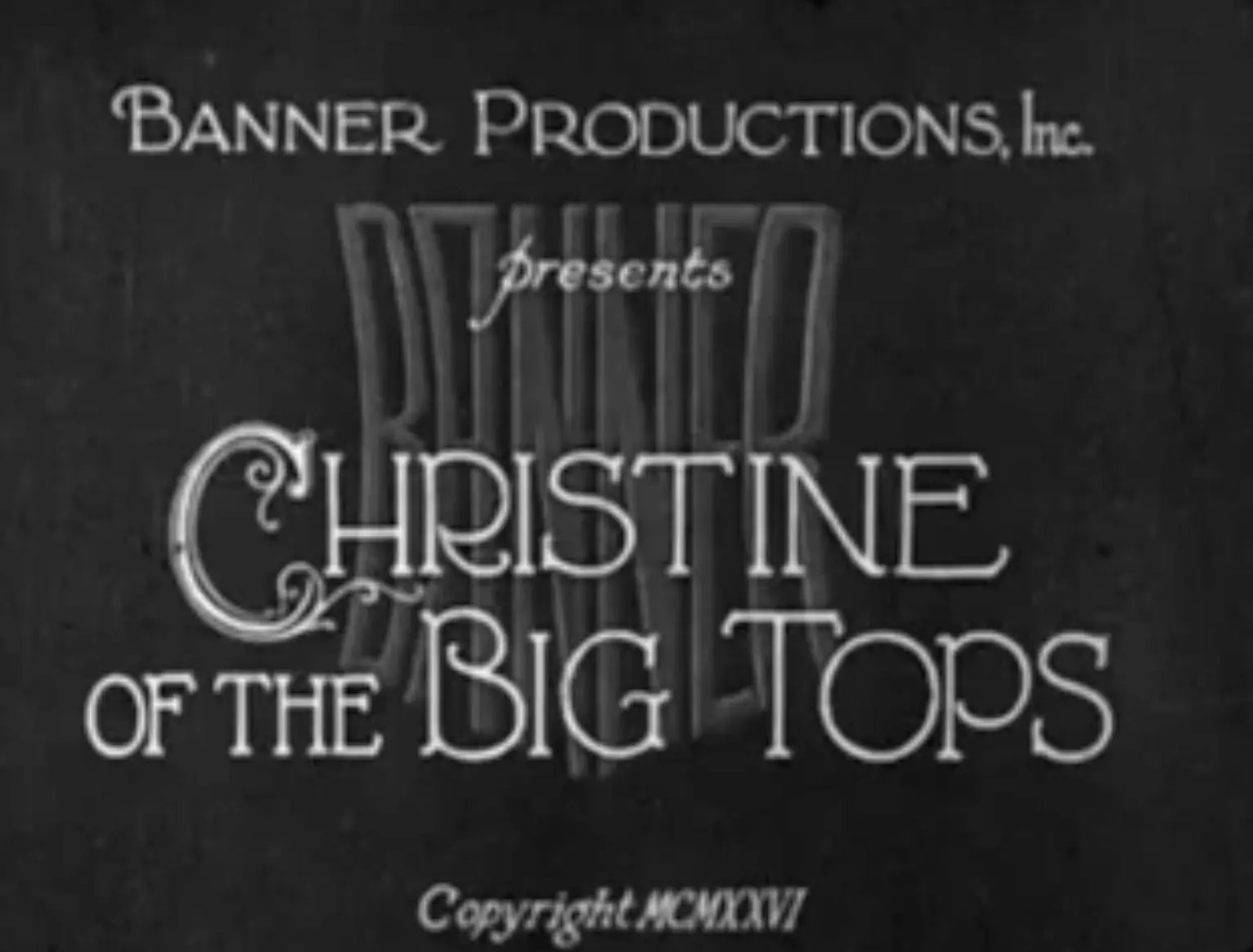
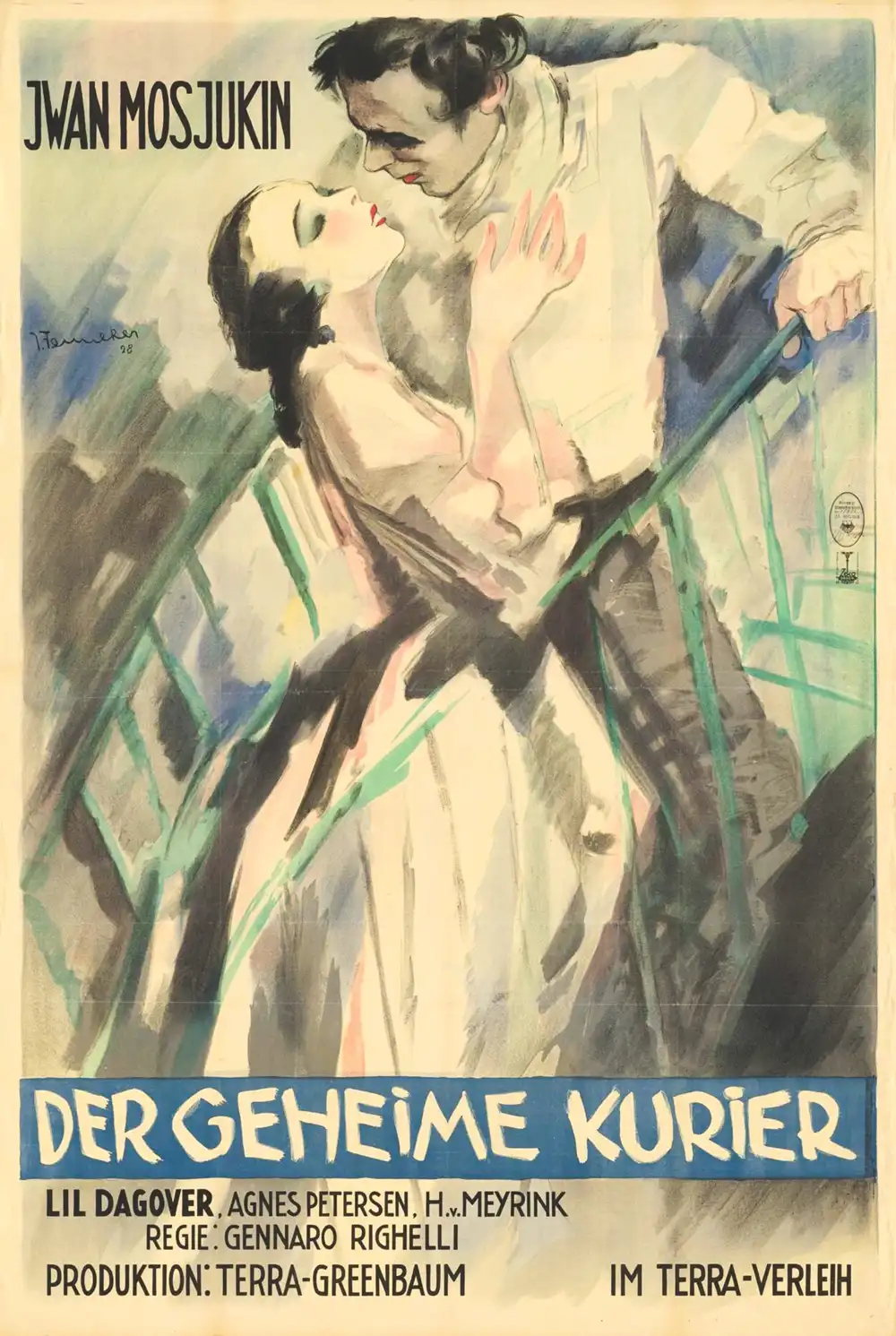
There is also a fascinating parallel to be drawn with Der fremde Vogel. Both films deal with the 'outsider' entering a closed system, though Murillo’s film internalizes this conflict. The 'stranger' here is the protagonist’s own past, an unwelcome guest in her new life. It’s a sophisticated metaphorical layer that elevates the film above the standard output of the Fox Film Corporation at the time.
The Climax: A Study in Melodramatic Restraint
The resolution of 'The War Bride's Secret' is where the film truly shines. Rather than a bombastic finale involving battlefield heroics, the climax is a quiet, devastating confrontation in a dimly lit room. The stakes are entirely personal, yet they feel monumental. It avoids the somewhat contrived plotting of Sealed Orders, opting instead for a conclusion that feels earned through character development rather than narrative convenience.
In many ways, the film is a study in failure—the failure of the individual to outrun the past, and the failure of society to provide a safety net for those who slip. It resonates with the melancholic undertones of The Failure, yet it carries a flicker of resilience in Pearson’s final close-up. It is not a happy ending in the traditional sense, but it is an honest one.
Final Thoughts on a Forgotten Gem
Why does 'The War Bride's Secret' remain relevant? In an age of digital permanence, the idea of a 'secret' past might seem quaint, yet the film’s core concerns—identity, the performance of gender, and the impact of global trauma on the domestic sphere—are timeless. Mary Murillo’s writing remains a masterclass in economy and emotional resonance. The cast, led by the incomparable Virginia Pearson, delivers a performance that should be studied by anyone interested in the evolution of screen acting.
While it may not have the name recognition of some of its contemporaries, this film is a vital piece of the silent era’s puzzle. It is a work of high lexical diversity in visual form, speaking in a language of shadows, glances, and profound silence. It stands as a testament to the power of the feature film to not just entertain, but to interrogate the very fabric of our shared human experience. For those willing to look past the grain of the film stock and the absence of spoken dialogue, there is a treasure trove of psychological insight waiting to be discovered.
Rating: A haunting 4.5 out of 5 stars for its structural integrity and emotional depth.