DbcultAccessing Vault...
Cult Review
Senior Film Conservator
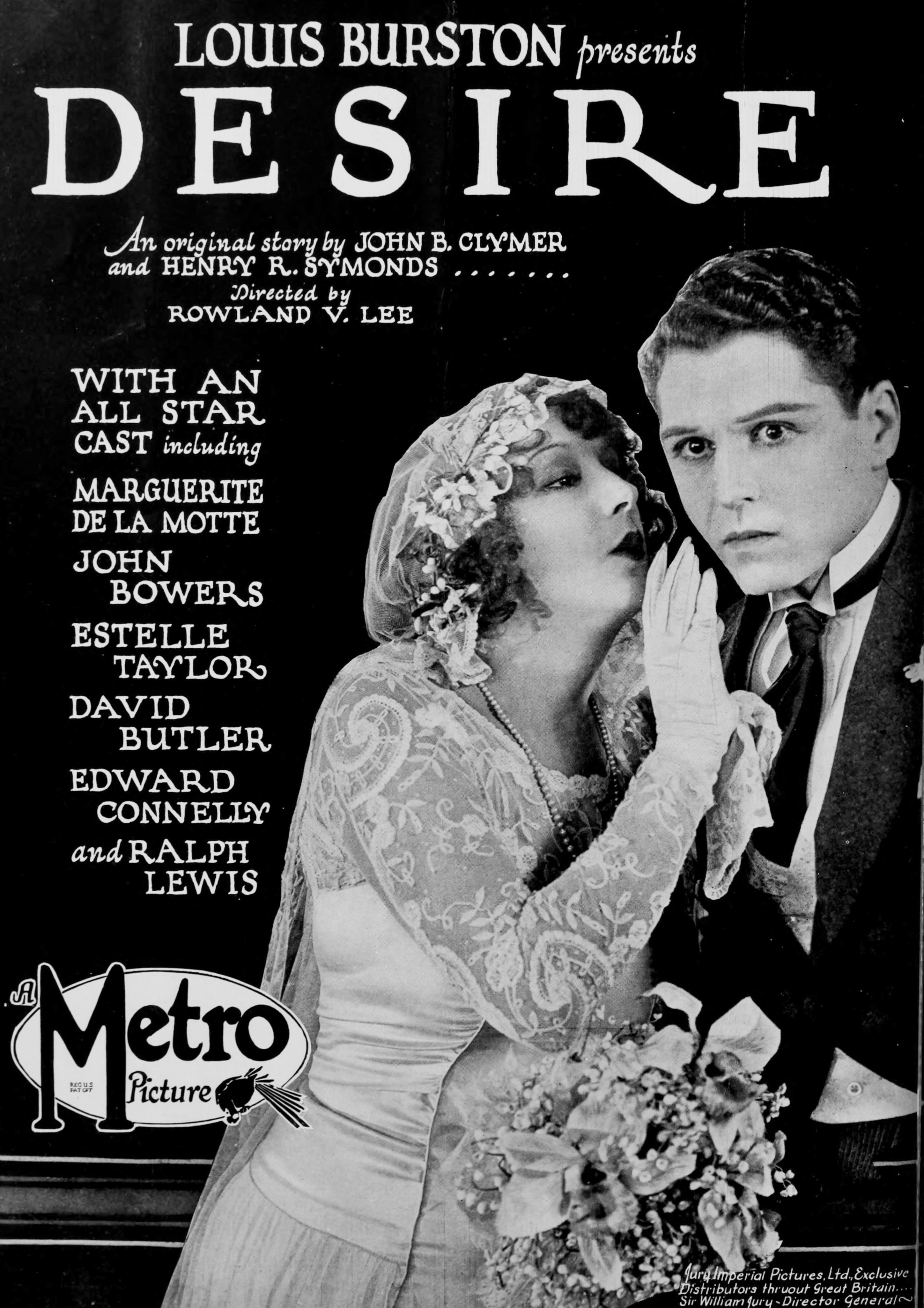
The year 1923 stood as a precipice in American cinema, a moment where the naive moralism of the previous decade began to curdle into the sophisticated cynicism of the mid-silent era. Within this volatile artistic climate, Desire (1923) emerged as a harrowing indictment of the American Dream, or more accurately, the American Caste. Directed with a surprisingly modern sense of dread by Henry Roberts Symonds and scripted by John B. Clymer, the film eschews the typical romantic escapism of its contemporaries to provide a visceral, almost clinical look at the disintegration of two lives caught in the gears of social expectation.
The opening sequences of Desire establish a world of gilded cages. Madalyn Harlan and Bob Elkins are presented not as lovers, but as components of a corporate merger between two powerful families. The cinematography captures the cold, cavernous halls of the Harlan estate, emphasizing the isolation inherent in their privilege. When the wedding is aborted, it isn't portrayed as a triumph of individual will, but as a chaotic rupture that sends both protagonists spinning into unfamiliar orbits. Unlike the more optimistic tones found in Success, where ambition is often rewarded, Desire posits that breaking away from one's station is an act of profound peril.
Madalyn’s decision to marry her chauffeur, Jerry, is the film's most radical pivot. In the context of 1920s cinema, this wasn't just a scandal; it was a subversion of the natural order. Estelle Taylor delivers a performance of jagged intensity, capturing a woman who mistakes rebellion for liberation. Her Madalyn is a creature of impulse, a stark contrast to the calculated maneuvers seen in films like The Big Town Round-Up. Here, the city doesn't offer opportunity; it offers a mirror to one's own limitations. The chemistry between Taylor and the actor playing Jerry is intentionally fraught, a mix of physical attraction and an insurmountable cultural chasm.
While Madalyn’s arc is a downward spiral, Bob Elkins’ trajectory is one of quiet, almost mournful stability. His courtship of Ruth Cassell—played with a refreshing lack of artifice—serves as the film's moral anchor. However, Symonds is careful not to make this path seem overly idyllic. There is a sense of compromise in Bob’s marriage. It is a union born of "careful consideration" rather than the fiery, destructive passion that consumes Madalyn. This pragmatic approach to romance aligns more closely with the grounded narratives of The Sheriff's Son, where duty often triumphs over desire.
The juxtaposition of these two marriages is where the film finds its greatest strength. As Bob finds a measure of peace in the middle class, Madalyn is systematically stripped of her identity. The scenes depicting her interaction with Jerry’s family are some of the most uncomfortable in silent cinema. The "lower class" is not caricatured here as it is in many films of the era; instead, it is presented as a world of harsh textures, cramped spaces, and a complete lack of the aesthetic buffers Madalyn has known her entire life. Her parents' decision to disown her is the final blow, a severance of the umbilical cord of capital that kept her afloat.
Technical proficiency in 1923 was often measured by the ability to convey complex internal states without the benefit of sound. In Desire, the lighting becomes a character in its own right. The bright, high-key lighting of the initial wedding preparations gradually gives way to heavy, expressionistic shadows as Madalyn’s marriage to Jerry sours. This visual evolution mirrors the psychological darkening of the narrative. One can see the influence of D.W. Griffith’s more somber works, such as The Avenging Conscience: or 'Thou Shalt Not Kill', in the way Symonds uses close-ups to heighten the sense of claustrophobia and impending doom.
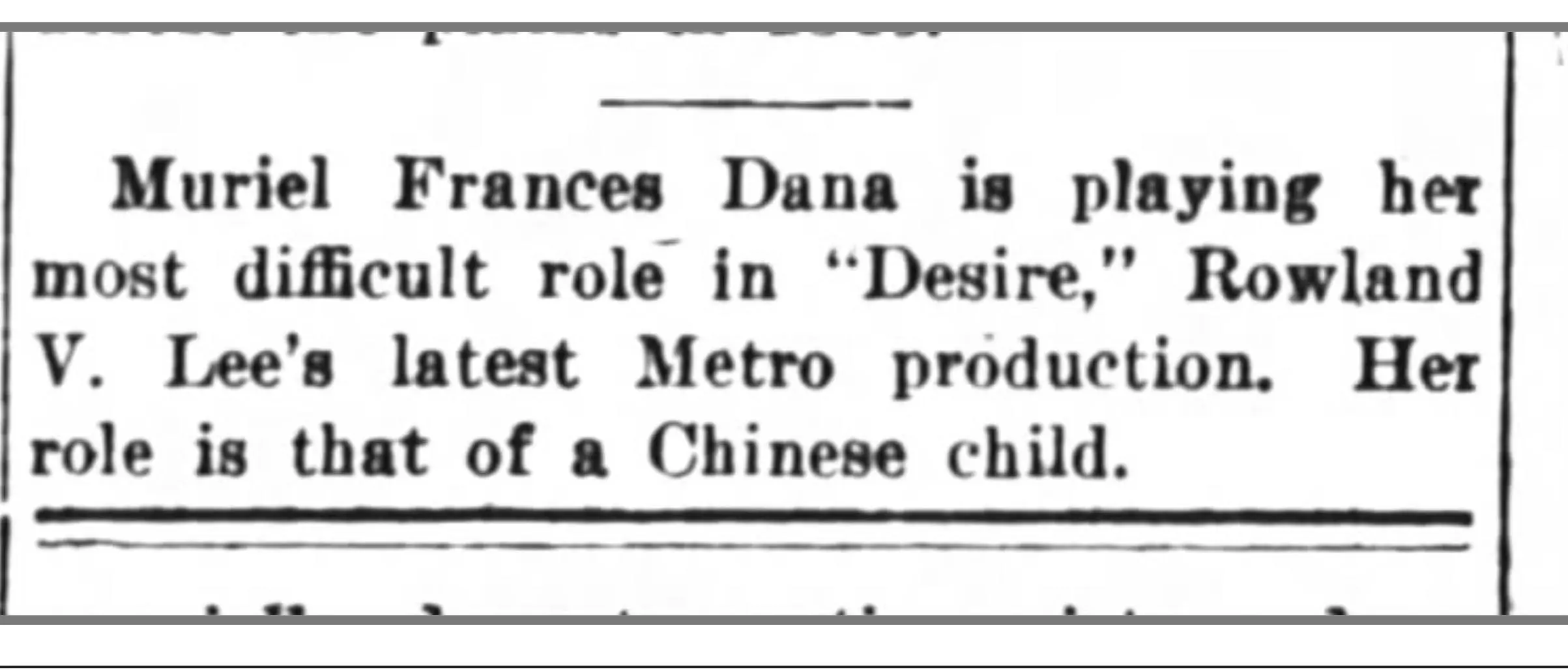
The cast is a veritable who’s-who of character actors and silent stars. Frank Currier and Ralph Lewis provide the necessary gravitas as the patriarchs of this crumbling world, while the presence of Walter Long and Noah Beery adds a layer of grit to the supporting ensemble. John Bowers, as Bob, provides a nuanced portrayal of a man who chooses the safe harbor over the storm, a performance that remains understated even by today's standards. The writers, Symonds and Clymer, deserve immense credit for a structure that feels both inevitable and shocking, avoiding the easy resolutions found in contemporaries like Sheba.
The climax of Desire is perhaps one of the most bleakly poetic endings in the silent canon. The double suicide of Madalyn and Jerry is not framed as a romantic tragedy in the vein of Romeo and Juliet. Instead, it is a surrender. It is the final acknowledgment that their union was an impossibility, a chemical reaction that could only end in an explosion. The silence of the medium amplifies the tragedy; we see the despair in Taylor’s eyes, the resignation in Jerry’s posture, and the cold indifference of the world they are leaving behind.

This ending serves as a violent rejection of the "happily ever after" trope. It suggests that once the social fabric is torn, it cannot be mended with mere affection. The film shares a certain kinship with the darker European imports of the time, such as Der lebende Leichnam, in its refusal to offer the audience an easy out. While American audiences were used to the moral lessons of America's Answer, Desire offered no such patriotic or moralistic comfort. It offered only the truth of the abyss.
To understand the impact of Desire, one must look at it alongside the other releases of the era. While The Bushranger's Bride offered adventure and Angel Child provided sentimentalism, Desire was operating in the realm of social realism. It anticipated the gritty talkies of the early 30s, pre-dating the Hays Code’s strict enforcement which would have likely neutered such a bleak conclusion. The film's preoccupation with the "lower class" family dynamics also brings to mind the Hungarian work Egy krajcár története, highlighting a global cinematic trend toward exploring the plight of the marginalized.
Even when compared to horror or suspense elements in films like Der Vampyr or much later genre exercises like You're Next, the horror in Desire is more profound because it is systemic. There are no masked killers or supernatural entities; the monster is the bank account, the family tree, and the unyielding walls of the social club. It is a film that demands to be seen not just as a relic of 1923, but as a timeless warning about the fragility of human connection when weighed against the crushing mass of societal expectation.
In the final analysis, Desire (1923) is a monumental achievement in silent storytelling. It manages to be both a sprawling social epic and an intimate character study. The performances, particularly that of Estelle Taylor, are layered with a complexity that defies the "damsel in distress" or "vamp" archetypes of the era. It is a film about the choices we make and the ones that are made for us before we are even born. Whether one views it as a cautionary tale or a nihilistic masterpiece, its power remains undiminished a century later.
For those who have followed the episodic drama of Beatrice Fairfax Episode 7: A Name for a Baby, the stakes here will feel infinitely higher. This is not a domestic dispute; it is a total war of the soul. Even when compared to the haunting atmosphere of Vdova or the rugged fatalism of The Ruse of the Rattler, Desire stands alone in its willingness to follow its characters all the way to the end of the line. It is a haunting, beautiful, and utterly devastating piece of cinema that deserves its place in the pantheon of great American tragedies.
Review by the Cinephile's Journal Editorial Board.
IMDb —
1929
Community
Log in to comment.