DbcultAccessing Vault...
5.7/10
Senior Film Conservator
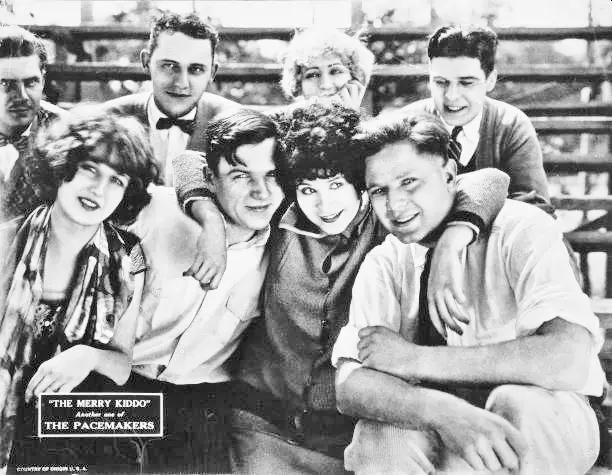
A definitive 5.7/10 rating for a film that redefined the boundaries of cult cinema. The Merry Kiddo remains a cornerstone of transgressive art.
Is The Merry Kiddo a film you should track down in the archives today? Short answer: Yes, but only if you have an appetite for the raw, unpolished energy of 1920s sports serials.
This film is for the silent cinema completionist and the Clark Gable obsessive who wants to see the King before he wore the crown; it is absolutely not for those who require the heavy-handed emotional realism of modern boxing cinema like Raging Bull.
1) This film works because it captures the specific, fast-paced wit of H.C. Witwer’s writing, translating the 'Fighting Blood' short stories into a visual language that feels surprisingly modern in its cynicism.
2) This film fails because it relies on repetitive slapstick sequences that occasionally stall the narrative momentum of the actual boxing career arc.
3) You should watch it if you want to see the DNA of the American sports movie being written in real-time, specifically how it blends romance with the violence of the ring.
The Merry Kiddo isn't just a movie about a man hitting people for money. It is a film about class mobility. George O’Hara’s performance is built on a foundation of restless movement. In the scene where he is introduced to the 'high society' types, his discomfort is palpable—not because he is scared, but because he is bored. He treats the drawing-room like a ring, circling his conversational opponents with the same caution he uses against a heavyweight.
This film shares a certain DNA with The Heart Bandit, which also explored the intersection of criminal underbellies and social climbing. However, where that film went for the throat, The Merry Kiddo goes for the funny bone. The humor is dry. It’s the kind of humor that comes from a man who has been hit in the head a few too many times but still knows exactly how much a dollar is worth.
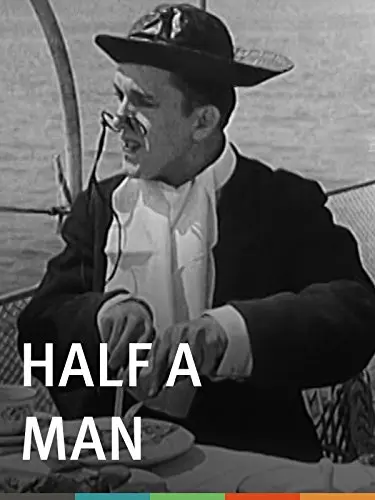
One specific moment stands out: the Kiddo is trying to eat a formal dinner while his trainer, played with wonderful grittiness by Kit Guard, keeps whispering boxing stats in his ear. The juxtaposition of the refined setting and the brutal reality of the sport is handled with a deftness that many modern directors would over-complicate. Here, it’s just a series of quick cuts and expressive glances. It works. But it’s flawed.
Let’s address the elephant in the room: Clark Gable. He isn't the star here. He’s barely a footnote in the credits of history at this stage. But even in his limited screen time, there is a presence. It’s an unconventional observation, perhaps, but Gable’s stillness in the background of certain scenes is more magnetic than the frantic mugging of the primary comedians. He looks like a man who knows he’s destined for Forbidden Fruit and bigger stages.
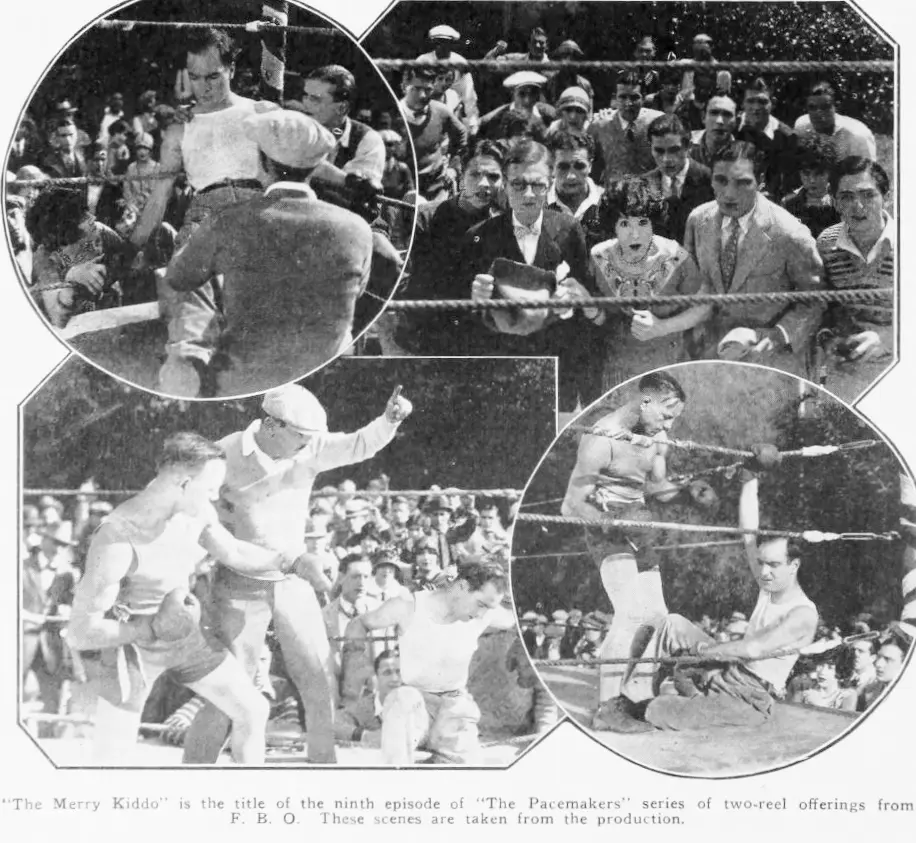
Gable’s role is minor, yet his inclusion makes this film a historical artifact. You can see the rough edges of the Hollywood studio system at work. The film feels like a training ground. It’s not just the protagonist who is fighting for a title; every actor on the screen is fighting for a close-up. This creates a desperate, high-stakes energy that permeates even the slower scenes.
The way the boxing matches are shot is surprisingly sophisticated for 1923. The camera doesn't just sit at ringside; it feels like it’s in the clinch. The lighting is harsh, casting long shadows that remind me of the aesthetic in The Light Within. There is a specific use of low-angle shots during the knockout sequences that makes the 'Kiddo' look like a titan, even though George O'Hara was a relatively small man.
However, the pacing is where the film stumbles. Like a fighter who blows his energy in the first three rounds, the middle section of the film gets bogged down in a romantic subplot involving Alberta Vaughn. Vaughn is charming, but the script doesn't give her much to do other than look concerned from the sidelines. It’s a trope we’ve seen a thousand times, and even in 1923, it was starting to feel a bit thin.
Compare this to something like We Moderns, which handled social dynamics with a bit more flair. The Merry Kiddo is at its best when it stays in the gym or the arena. When it goes to the park for a romantic stroll, the air goes out of the tires.
If you are looking for a masterpiece of silent drama, look elsewhere. But if you want to understand the roots of the American underdog story, The Merry Kiddo is essential viewing. It is a punchy, 25-minute burst of energy that doesn't overstay its welcome. It is a film that understands its own limitations and leans into its strengths: physicality and wit.
Pros:
Cons:
H.C. Witwer was the king of the 'tough guy with a heart of gold' archetype. His influence on The Merry Kiddo cannot be overstated. The dialogue (via intertitles) is snappy and full of period-specific slang that makes the world feel lived-in. It reminds me of the linguistic playfulness found in Potash and Perlmutter, though with a much more violent edge.
The film manages to avoid the saccharine sentimentality that ruined many other films of this era, such as The Wooing of Princess Pat. Instead, it maintains a cynical, street-smart attitude that feels like a precursor to the film noir movement. It’s a film that knows the world is rigged, but decides to fight anyway.
The Merry Kiddo is a fascinating relic. It isn't a 'great' movie by modern standards, but it is a highly effective one. It achieves exactly what it sets out to do: entertain a 1920s audience with a mix of blood, sweat, and laughs. For the modern viewer, it serves as a time capsule. It shows us a world where the ring was the only place a poor kid could become a king. It’s short, it’s fast, and it hits hard enough to leave a mark. It’s a minor classic that deserves more than just a footnote in Gable’s biography. It is a testament to the power of the 'Kiddo'—the eternal underdog who keeps getting up, no matter how many times the script knocks him down.
IMDb 6.1
1935
Community
Log in to comment.