DbcultAccessing Vault...
6.3/10
Senior Film Conservator
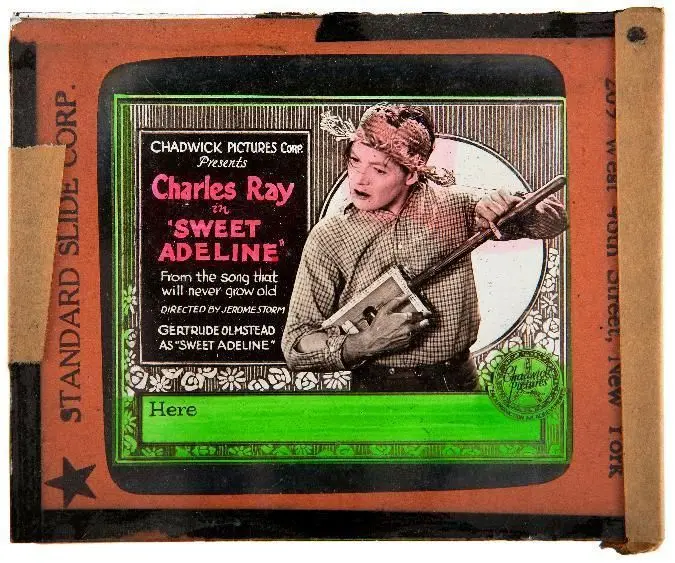
A definitive 6.3/10 rating for a film that redefined the boundaries of cult cinema. Sweet Adeline remains a cornerstone of transgressive art.
Is Sweet Adeline worth your time in the modern era of high-definition spectacle? Short answer: yes, but only if you value character-driven vulnerability over the frantic pacing of contemporary cinema. This film is a delicate relic that demands a patient viewer, specifically those who find beauty in the quiet struggle of the common man.
This film is for the romanticist who misses the era when a single song could change a life. It is absolutely not for anyone looking for the slapstick energy of a Buster Keaton short or the cynical edge of modern urban dramas. It is a film of earnest sighs and lingering glances.
Before diving into the technical depths, let's establish the core of the experience:
Sweet Adeline is a quintessential example of the 'rube' subgenre that dominated the late 1910s and early 1920s. To watch it today is to witness a cultural artifact that explores the American anxiety regarding urbanization. Unlike the more polished Her Night of Romance, this film leans into the grit of the struggle.
The performance by Charles Ray is the primary reason to hit play. He doesn't play Ben Wilson as a fool; he plays him as a man out of sync with his environment. When he first enters the city, his fumbling with his suitcase and his wide-eyed reaction to the traffic isn't played for cheap laughs. It’s played for empathy. It works. But it’s flawed.
Charles Ray was the king of the rural drama, often overshadowed by the larger-than-life personas of Fairbanks or Valentino. In Sweet Adeline, he demonstrates why he was once the highest-paid actor in Hollywood. His physicality is subtle. Watch the scene where he first auditioned at the cafe; his hands are shaking, and he keeps tugging at his collar. It’s a masterclass in social discomfort.
Compare this to his work in The Cradle of Courage. While that film dealt with the trauma of returning from war, Sweet Adeline deals with the trauma of the 'new.' The transition from the rural silence to the urban noise is handled through clever editing and Ray’s increasingly frantic movements. He is a fish out of water, and the water is getting hotter.
Gertrude Olmstead, as the titular Adeline, provides a necessary anchor. She isn't just a trophy for the hero; she represents the city's potential for kindness. Their chemistry is built on shared glances rather than grand gestures. It is a quiet, simmering romance that feels more real than the explosive dramas found in films like Enoch Arden.
The direction by Charles E. Banks (who also wrote the script) is remarkably focused. He avoids the temptation to over-complicate the visual language. The cinematography relies heavily on medium shots that keep Ben Wilson centered, emphasizing his isolation from the crowds that swirl around him.
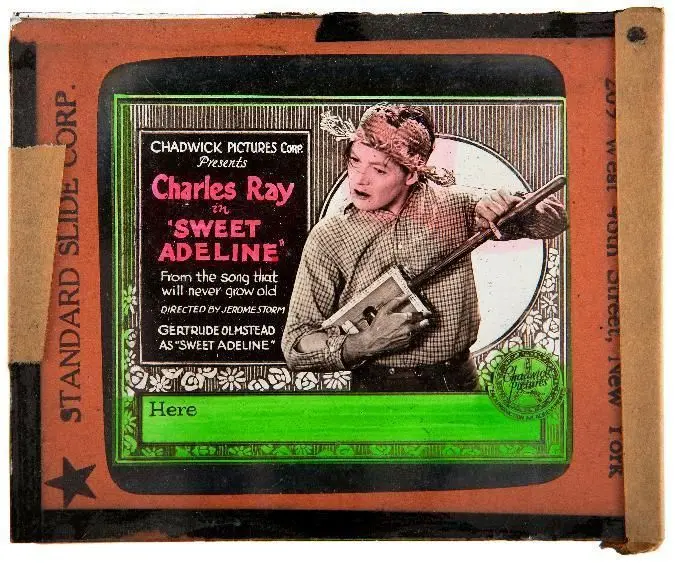
The standout sequence is undoubtedly the cafe performance. The lighting shifts from a flat, utilitarian wash to a more focused, atmospheric glow as Ben begins to sing. Even without sound, the audience understands the power of the moment. The way the light catches the smoke in the cafe creates a dreamlike quality that elevates the film from a simple melodrama to something more ethereal. It’s a stark contrast to the dark, almost noir-like shadows found in The Monster and the Girl.
The pacing is deliberate—some might say slow. However, this slowness is a feature, not a bug. It allows the viewer to feel the weight of Ben’s poverty. We see the dusty corners of his boarding house. We see the worn soles of his shoes. This attention to detail creates a lived-in world that makes his eventual success feel earned, even if the romantic subplot feels a bit too convenient.
The song 'Sweet Adeline' was a barbershop staple, a symbol of nostalgia even in the 1920s. By using this specific song, the film taps into a collective yearning for a simpler past. Ben Wilson isn't just singing a song; he’s singing a prayer for the home he left behind. This is where the film takes a stance: it argues that the only way to survive the city is to bring the heart of the country with you.
This theme of rural-to-urban migration was a common trope, seen in films like Kurfürstendamm, but Sweet Adeline strips away the European cynicism. It is stubbornly American in its optimism. Ben Wilson is a character who refuses to be corrupted by the city’s vices. He doesn't turn to crime or bitterness; he turns to art. It’s a naive perspective, certainly, but it’s one delivered with such conviction that it’s hard to dismiss.
Every film from this era has its hurdles for a modern audience. Here is the breakdown:
Pros:
Cons:
Sweet Adeline is a fascinating, if slightly uneven, piece of silent cinema. It captures a specific moment in American history when the city was both a land of opportunity and a soul-crushing monster. While it lacks the avant-garde flair of some European contemporaries, its emotional core is rock solid.
Charles Ray’s performance is a reminder that silent acting wasn't just about big gestures; it was about the tiny, human moments of doubt and joy. If you can look past the dated coincidences of the plot, you’ll find a story that still feels remarkably relevant in our own era of urban isolation and the search for connection. It’s a small film with a big heart. It’s flawed, but it’s undeniably human.
"A tender exploration of the immigrant soul in the big city, Sweet Adeline proves that sincerity is a timeless cinematic language."
IMDb 6.9
1932
Community
Log in to comment.