DbcultAccessing Vault...
6.1/10
Senior Film Conservator
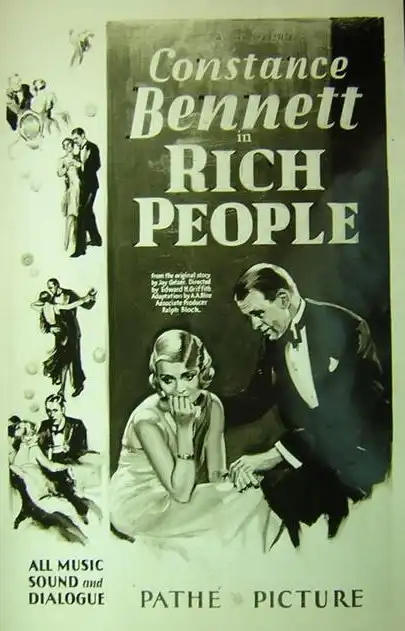
A definitive 6.1/10 rating for a film that redefined the boundaries of cult cinema. Rich People remains a cornerstone of transgressive art.
Alright, so Rich People from 1929. Is this worth watching today? Mostly yes, if you’re into old movies, especially those really early talkies where everyone was still figuring things out. You’ll probably enjoy it if you like seeing how cinema changed right when sound hit. If you’re looking for fast pacing, super natural acting, or anything resembling a modern film, you might find yourself a little bored, maybe even annoyed. 😅
Constance Bennett is in it, playing Ann Clark, a woman who’s got some cash but also a bit of a head on her shoulders, you know? She’s trying to navigate this world where everyone's got an opinion on her love life and her choices. The plot is pretty simple stuff: rich girl falls for someone, maybe the wrong someone, while another, more 'suitable' guy is hanging around.
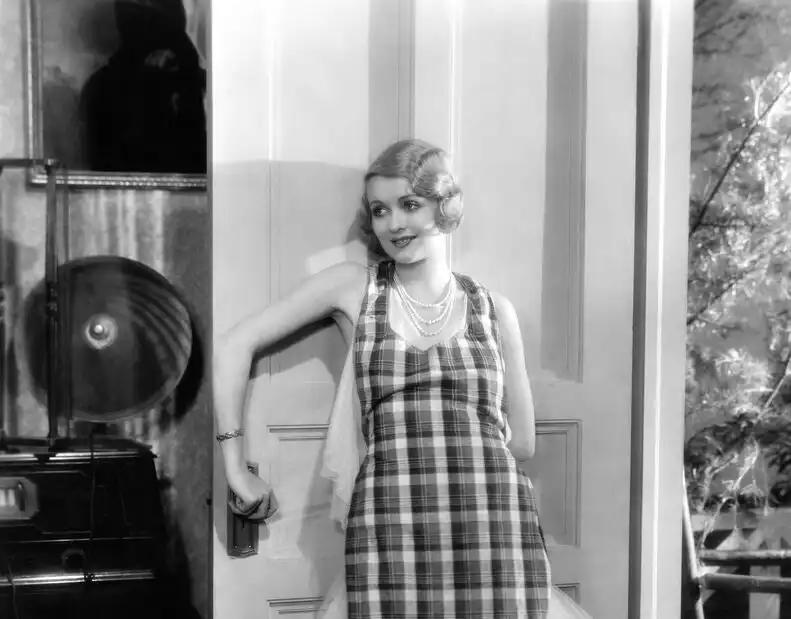
What really grabs you, though, isn't just the story. It's the sound itself. This is 1929, so the microphones were... well, they weren’t exactly subtle. You can almost feel the actors trying to hit their marks, trying to keep their voices just right so the tech could pick it up. Sometimes it feels like they’re shouting into a tin can, other times it’s a whisper you barely catch. It’s a very *specific* kind of acting you see here.
There’s this one scene where Ann is having a very serious conversation with her aunt, played by Ilka Chase. And the camera just sits there. It’s like they glued it down. The dialogue goes on, and you’re watching their faces, but their bodies hardly move. It feels a little like watching a play where the actors are glued to the stage. It’s not bad, just… different. A real artifact of the time, really.
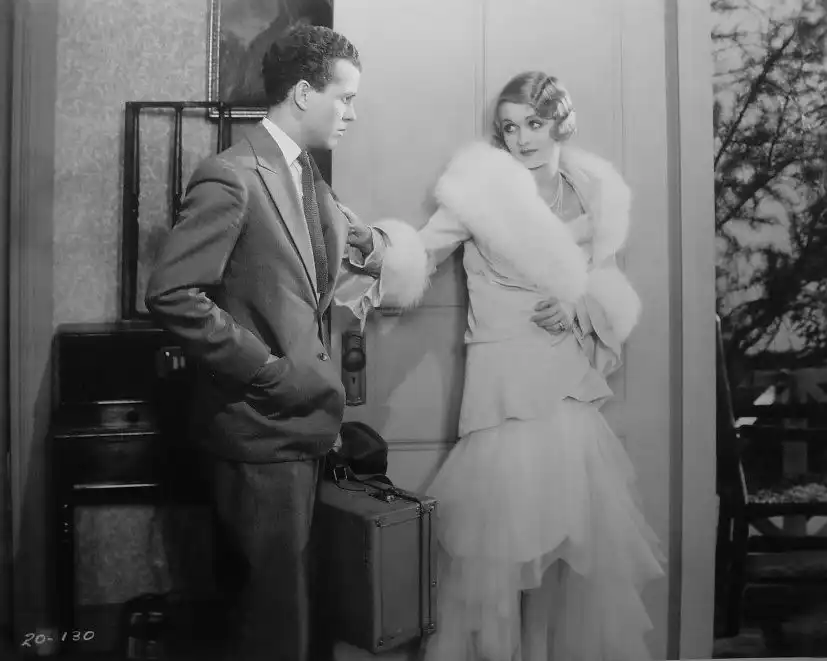
Bennett, she’s got that star quality, even then. Her eyes are so expressive. She often conveys more with a little glance or a slight tilt of her head than some of the more stiffly delivered lines manage. You can tell she’s trying to adapt, trying to bring that silent film grace into this new, chatty world.
Some of the dialogue just lands a little *flat*. There are a few moments where a character delivers a supposedly witty line, and you can almost hear the crickets. You can tell they thought it was clever on paper, but on screen, with the clunky sound, it just doesn’t zing. It’s a reminder that good dialogue isn't just about the words, it’s about the delivery and the technology letting you hear it right.
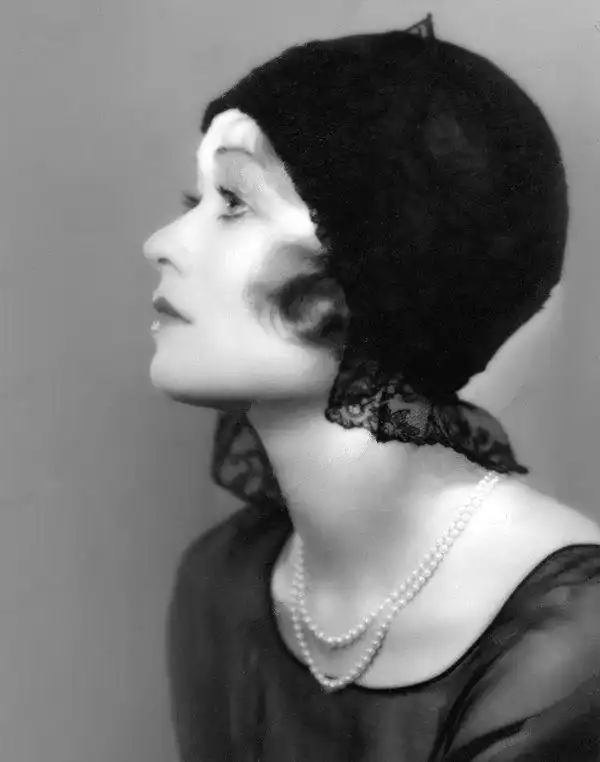
Regis Toomey is the love interest, I think? He’s earnest, maybe a little too earnest sometimes. His character feels like he’s supposed to be the sensible, good guy option. But honestly, you don’t get a ton of chemistry between them. It’s not terrible, just a bit… polite. Like they’re reading lines at each other rather than falling in love.
The pacing is something else. There are these long stretches where not a whole lot happens, or it happens very slowly. A character walks across a room, and it feels like a whole journey. Then suddenly, a big dramatic reveal will happen, and it feels a bit rushed, almost tacked on. It’s not a smooth ride. You can see the gears turning sometimes.
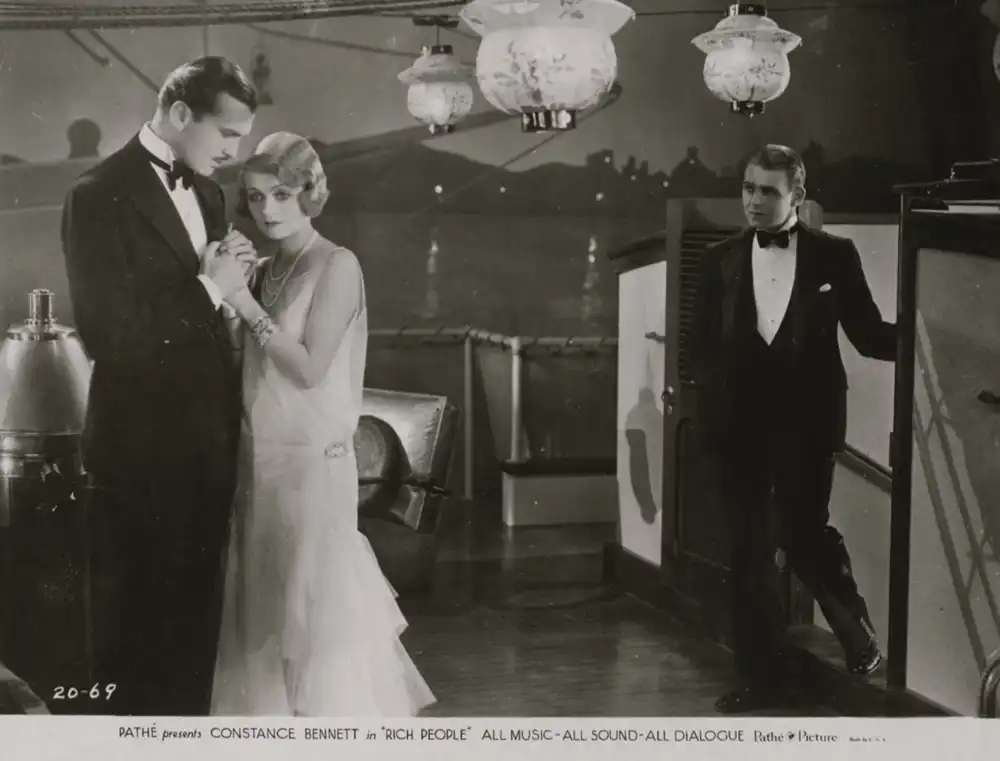
There's a party scene, and it’s pretty clear they didn’t have a huge budget for extras. It looks like maybe six people awkwardly pretending to mingle in a rather spacious, empty-feeling room. The background chatter is faint, almost like an afterthought. It just adds to that feeling of early sound cinema being a bit of a *struggle*.
One odd little thing, the way some characters pronounce words. It’s very precise, almost exaggerated, like they’re making sure every single syllable is heard. You can hear the slight lilt of the era, the way things were just… said differently. It’s kinda neat if you listen close.
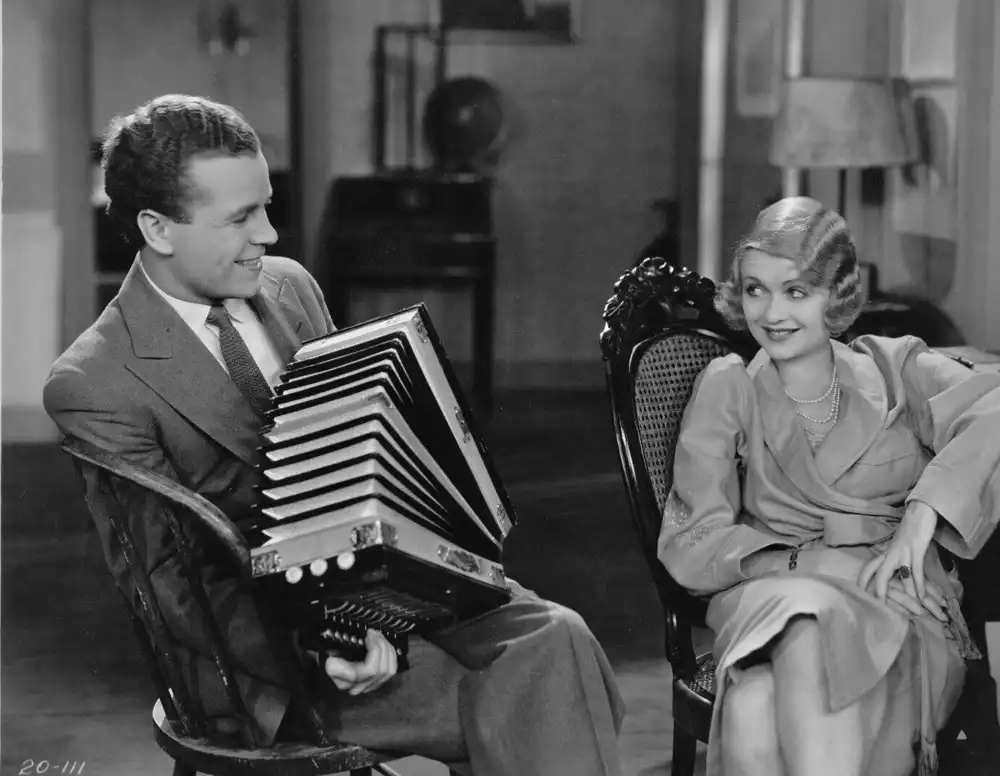
The film *does* eventually get to its point, tying up the romantic entanglements and social dilemmas. It’s a fairly predictable ending, but that’s not really the draw here. The real interest is seeing the cinematic landscape shift right before your eyes. It’s a document more than just a story.
So, yeah. For historians, for those curious about the awkward, brave first steps of sound film, Rich People is absolutely worth an afternoon. Just don't expect a pulse-pounding thriller or deep character studies. It’s a glimpse back, a slightly wobbly, but still charming, look at how movies learned to talk. And how actors, like Constance Bennett, tried to keep up. It’s a piece of history, after all. 🎬
IMDb —
1919
Community
Log in to comment.