DbcultAccessing Vault...
6.4/10
Senior Film Conservator
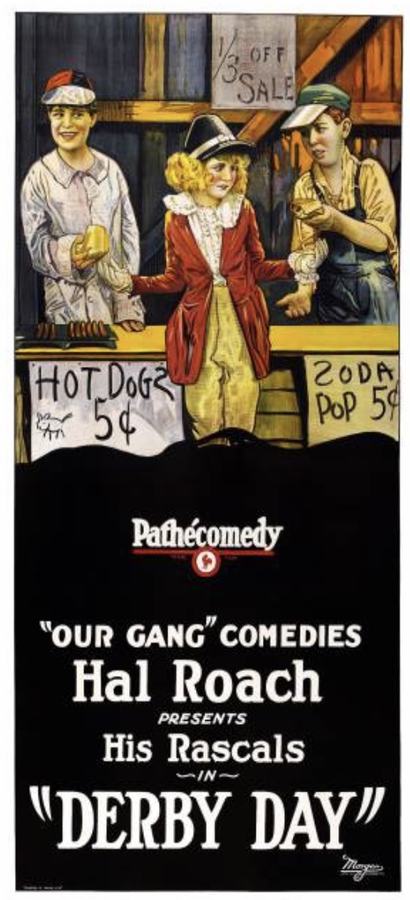
A definitive 6.4/10 rating for a film that redefined the boundaries of cult cinema. Derby Day remains a cornerstone of transgressive art.
The year 1923 stood as a pivotal juncture for the American cinematic landscape, a time when the language of visual storytelling was shedding its theatrical chrysalis and embracing the raw, kinetic energy of the camera. Within this ferment, Hal Roach’s Derby Day emerges not merely as a comedic short, but as a sociological artifact of childhood resilience. While contemporary audiences might view the 'Our Gang' series through a lens of nostalgia, a closer inspection reveals a sophisticated understanding of class dynamics and the democratization of leisure. Unlike the often-stilted moralizing found in Purity, Roach’s work here is unburdened by didacticism, opting instead for a visceral, ground-level perspective on the joys of mimicry.
The film opens with an establishing sequence at a professional racetrack, a realm of top hats, binoculars, and polished equine muscle. The cinematography here is surprisingly documentary-like, capturing the genuine fervor of the crowd. However, the true heart of the film beats in the transition to the 'gang’s' territory. Here, the aesthetic shifts from the curated elegance of the elite to the shambolic ingenuity of the backyard. The contrast is stark; it’s the difference between the high-budget spectacle of Wolves of Kultur and the scrappy, resource-driven filmmaking that defined early independent shorts.
The 'Derby' the children organize is a masterpiece of art direction. We see a world constructed from the detritus of the industrial age: crates, rope, mismatched wheels, and animals that seem just as confused as they are complicit. This isn't just slapstick; it's a subversion of adult seriousness. When Mickey Daniels or Joe Cobb navigate their makeshift chariots, they aren't just playing; they are reclaiming a world that usually excludes them. This theme of childhood autonomy is a recurring motif in Roach's filmography, often seen in works like The Infant-ry, where the logic of the playground supersedes the logic of the state.
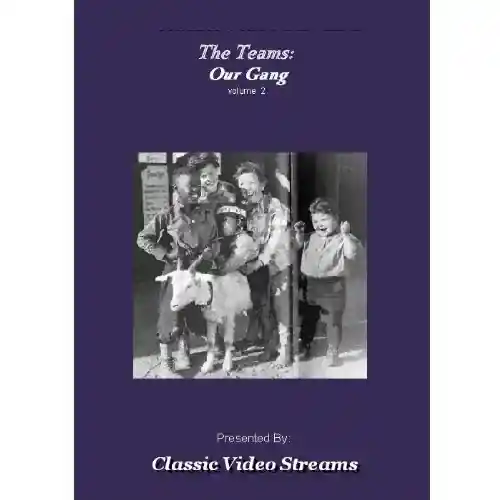
The cast of Derby Day represents perhaps the most iconic iteration of the Our Gang troupe. Allen 'Farina' Hoskins delivers a performance that, while subject to the unfortunate racial tropes of the era, transcends them through sheer charismatic presence and impeccable comic timing. Farina’s ability to anchor a scene with a single wide-eyed expression provides a necessary emotional tether amidst the surrounding chaos. Comparing this to the more dramatic, often heavy-handed performances in The Slave Auction, one appreciates the lightness and spontaneity Roach encouraged in his young actors.
Mickey Daniels, with his gap-toothed grin and frantic energy, serves as the perfect foil to the more stoic Mary Kornman. Their chemistry is the engine of the film’s narrative drive. In the silent era, where physical expression was paramount, these children were masters of the craft. They didn't possess the polished, stage-trained artifice found in Ashes of Love; instead, they offered a raw, unvarnished glimpse into the human condition. Joe Cobb, too, utilizes his physical stature not just for easy laughs, but to convey a sense of earnestness that makes the eventual race sequence surprisingly suspenseful.
Robert McGowan’s direction, paired with the sharp writing of H.M. Walker, ensures that the film never sags. The editing during the final race is particularly noteworthy. By 1923, the 'chase' sequence had become a staple of comedy, but Derby Day elevates it by incorporating multiple points of view. We see the 'jockeys,' the 'spectators,' and the sheer unpredictability of the animal participants. This level of rhythmic editing is far more advanced than the static compositions found in Zelyonyy pauk from the same period.
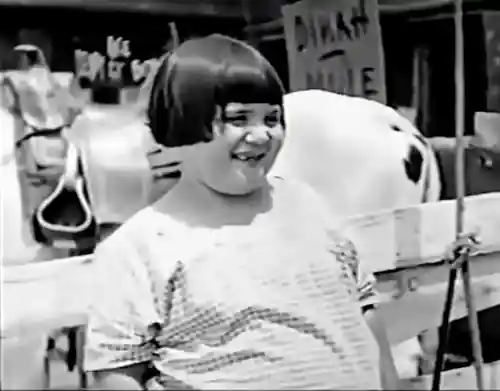
The intertitles by H.M. Walker deserve their own mention. Walker was the unsung hero of the Roach studio, providing the linguistic wit that complemented the visual gags. In Derby Day, the titles don't just explain the plot; they add a layer of sophisticated irony. They treat the children’s race with the same gravity a sportswriter would treat a championship, creating a hilarious juxtaposition. This clever use of text is something that distinguishes Roach’s output from the more broad, pantomime-heavy style of Fireman, Save My Child.
To watch Derby Day today is to look through a window into a vanished world. The locations—dusty lots, wooden fences, and the sprawling California landscape—feel tangible and lived-in. There is a sense of space and freedom that is often missing from contemporary, studio-bound productions. The film captures the essence of an era before the total urbanization of the American childhood. It shares a certain pastoral melancholy with Cupid Forecloses, though it replaces that film's sentimentality with a robust, unsentimental humor.
Furthermore, the film’s depiction of communal activity is striking. The entire neighborhood of children comes together to create this spectacle. In an age of digital isolation, the sight of twenty children collaborating on a complex, albeit ridiculous, project feels almost radical. This communal spirit is a far cry from the solitary struggles depicted in Dvoynaya zhizn or the tragic isolation of La España trágica o Tierra de sangre.
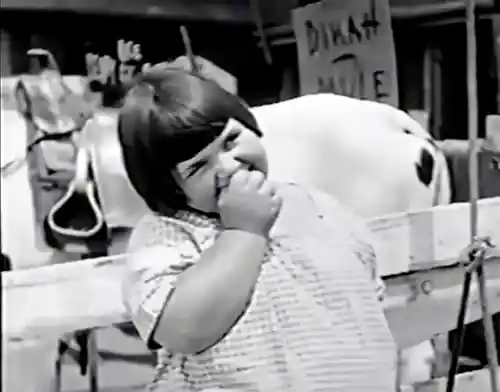
The climax of the film—the race itself—is a tour de force of animal handling and stunt work. The sheer unpredictability of using real animals adds an element of danger and spontaneity that CGI can never replicate. When a goat decides to veer off course or a dog-driven cart tips over, the reactions of the children are often genuine. This authenticity is what has allowed Derby Day to endure while other more 'serious' films of 1923, such as Zhizn i smert leytenanta Shmidta, have faded into academic obscurity.
Even when compared to other 'Our Gang' entries like Pots-and-Pans Peggy, Derby Day stands out for its structural cohesion. It begins with a clear inspiration and follows it through to a logical, if chaotic, conclusion. It doesn't rely on a series of disconnected vignettes but builds tension toward the final event. This narrative discipline is a testament to the Roach studio's maturing style.
In the final analysis, Derby Day is a triumphant celebration of the resourceful spirit. It acknowledges the harsh realities of the world—the fences that keep the poor out of the racetrack—but it refuses to be defeated by them. Instead, it suggests that with enough scrap wood, a stubborn goat, and a group of loyal friends, one can create a spectacle that rivals the grandest events of the elite. It is a film that values ingenuity over capital, and joy over decorum.
While it may lack the epic scale of Yehuda Hameshukhreret or the journalistic grit of The Active Life of Dolly of the Dailies, its impact is no less significant. It codified a style of American comedy that would influence everything from the Three Stooges to modern sitcoms. It reminds us that cinema, at its best, is a playground where the rules of reality can be suspended in favor of a well-timed gag and a heart-pounding race to the finish line. Hal Roach and his gang didn't just make a movie; they captured the lightning of youth in a bottle, and a century later, that bottle still glows with an undiminished, sea-blue intensity.
For those seeking to understand the roots of visual comedy, Derby Day is essential viewing. It avoids the pitfalls of the overly melodramatic Forbidden and instead offers something far more precious: a genuine, unforced laugh. In the grand derby of cinema history, this little short continues to lead the pack, proving that sometimes, the underdog—or in this case, the under-goat—truly does have its day.
IMDb 5.8
1930
Community
Log in to comment.