DbcultAccessing Vault...
Cult Review
Senior Film Conservator
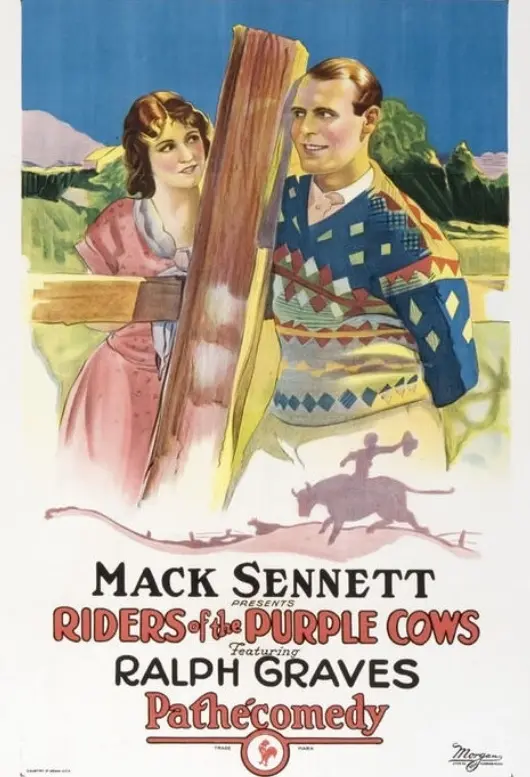
Riders of the Purple Cows is a compelling narrative that captures the nuances of small-town life in a 1920s American setting. Set against the backdrop of a ranch threatened by ruthless cowboys, the film explores the intertwining lives of Ralph, a delicate and inexperienced young man, and the daughter of the ranch owner, whose family is facing an uncertain future.
The story begins with Ralph's arrival at the ranch. He is immediately captivated by the daughter, embodying the ideal of a tenderfoot's adoration. However, his tender nature clashes with the rugged realities of life on the ranch. The film expertly contrasts Ralph's innocence with the stark and often brutal world of the cowboys, who are portrayed as both antagonists and characters with their own struggles.
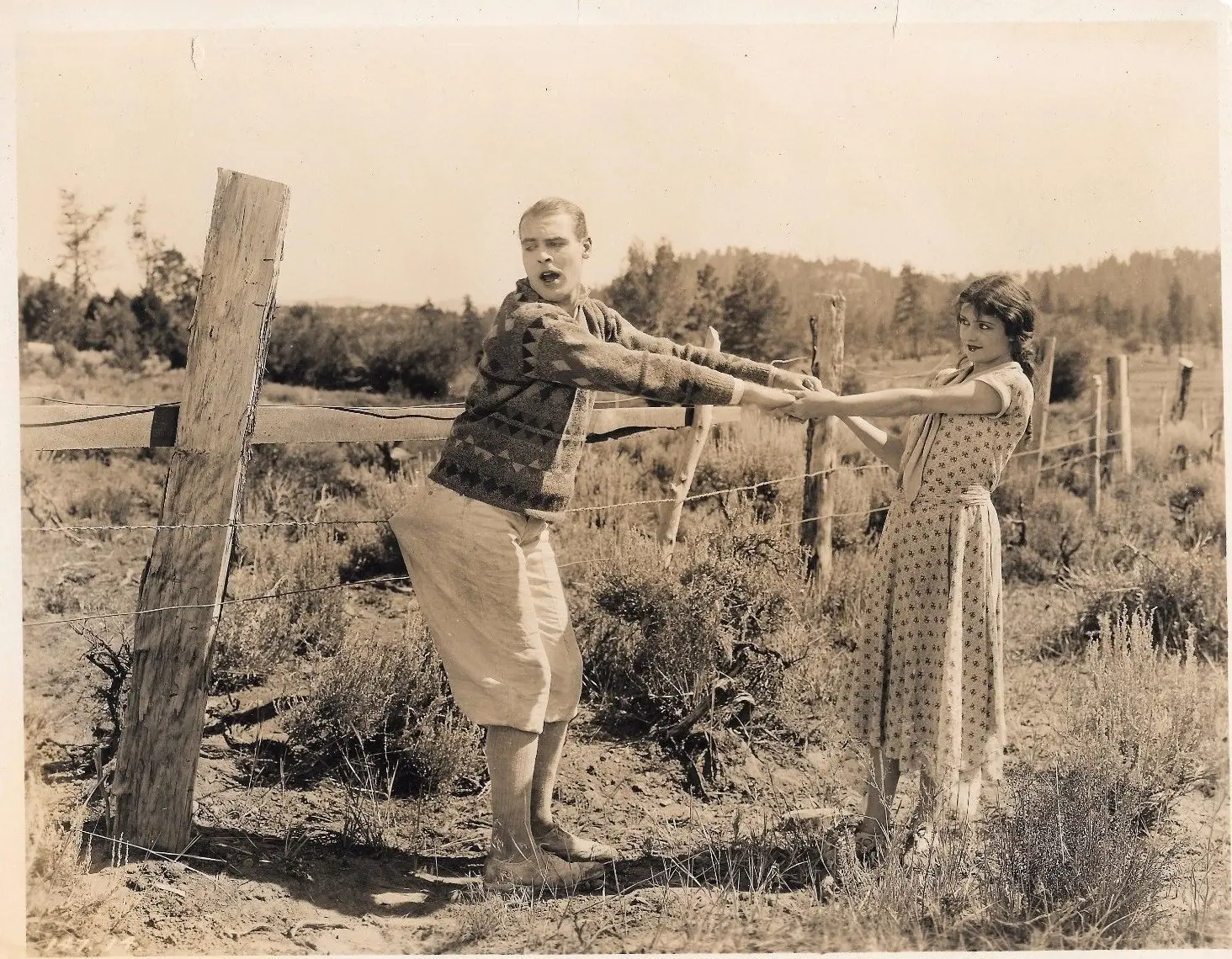
The character of Ralph, played by Ralph Graves, is a standout. His performance captures the essence of a man struggling to navigate a world far removed from his sheltered existence. The interactions between Ralph and the daughter, portrayed by Alice Day, are tender yet tinged with the tension of impending change. Their relationship is a central focus, serving as a microcosm of the larger narrative about tradition, change, and the challenges faced by the rural community.
The supporting cast, including Tiny Ward and Joe Bordeaux, adds depth to the story. Ward's portrayal of the ranch owner and Bordeaux's character as one of the cowboys effectively convey the divide between the two worlds. Their performances are essential in highlighting the complexities of the moral and social issues at play. Thelma Hill, Barney Hellum, and Larry McGrath further enrich the narrative through their nuanced portrayals of various characters.
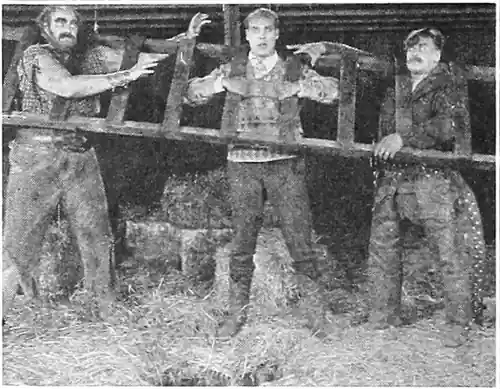
The script, written by Frank Capra, John A. Waldron, and Rob Wagner, is a masterclass in subtlety and complexity. The dialogue is both poetic and practical, effectively conveying the characters' emotions and the underlying tensions. The screenplay weaves together elements of drama and social commentary, making the film a rich tapestry of human experience.
Technically, the film is a marvel of its time. The cinematography, by James Wong Howe, captures the vast landscapes of the ranch with a sense of beauty and despair. The use of natural light and shadow effectively conveys the emotional weight of the scenes. The score, composed by Herbert Stothart, complements the visuals, enhancing the mood and pacing of the narrative.
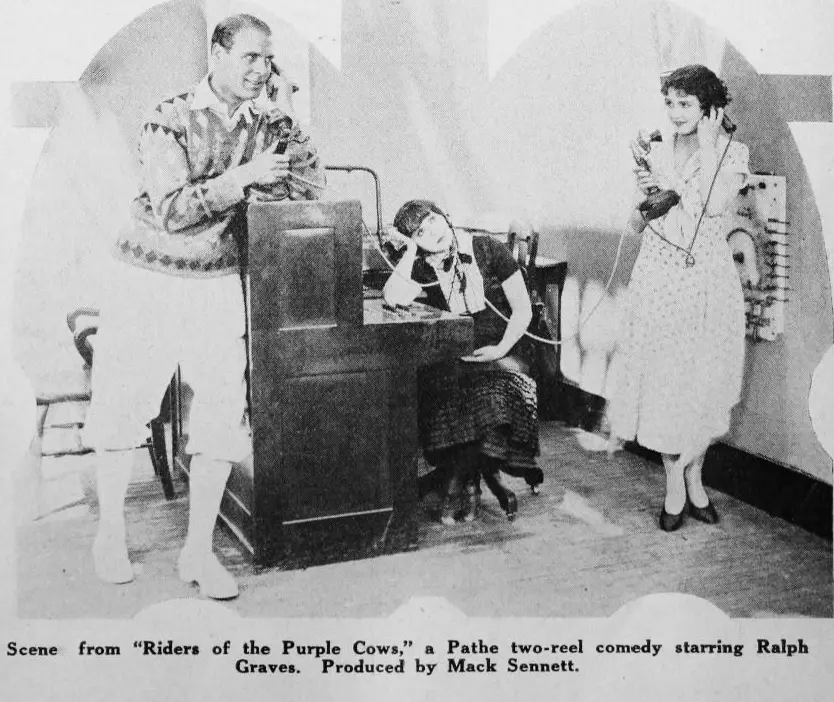
The film's exploration of themes such as the clash between tradition and progress, the impact of external forces on rural communities, and the personal growth of the characters is both insightful and moving. It raises questions about the value of individualism in the face of systemic challenges. The narrative structure is carefully crafted, with each scene building upon the last, creating a sense of inevitability and emotional depth.
When compared to other films of the era, 'Riders of the Purple Cows' stands out for its nuanced portrayal of characters and its sophisticated handling of social issues. It shares thematic similarities with films like 'The Bar Sinister,' which also delve into the complexities of rural life and the struggle against external forces. However, 'Riders of the Purple Cows' excels in its focus on character development and the emotional resonance of the narrative.
The film's place in the canon of classic American cinema is secure. It is a testament to the artistry of its creators and a poignant exploration of the human condition. For viewers seeking a deeper understanding of the challenges faced by rural communities in the early 20th century, 'Riders of the Purple Cows' offers a rich and rewarding experience. It is a film that resonates not just with its historical context but also with universal themes of love, struggle, and the search for identity.
Overall, 'Riders of the Purple Cows' is a must-watch for anyone interested in classic American cinema. It is a film that not only entertains but also challenges and inspires. The performances, the script, and the technical aspects all come together to create a powerful and moving narrative. It is a reminder of the enduring power of cinema to explore complex human experiences and to offer insights into the world around us.
IMDb 6.5
1933
Community
Log in to comment.