DbcultAccessing Vault...
Cult Review
Senior Film Conservator
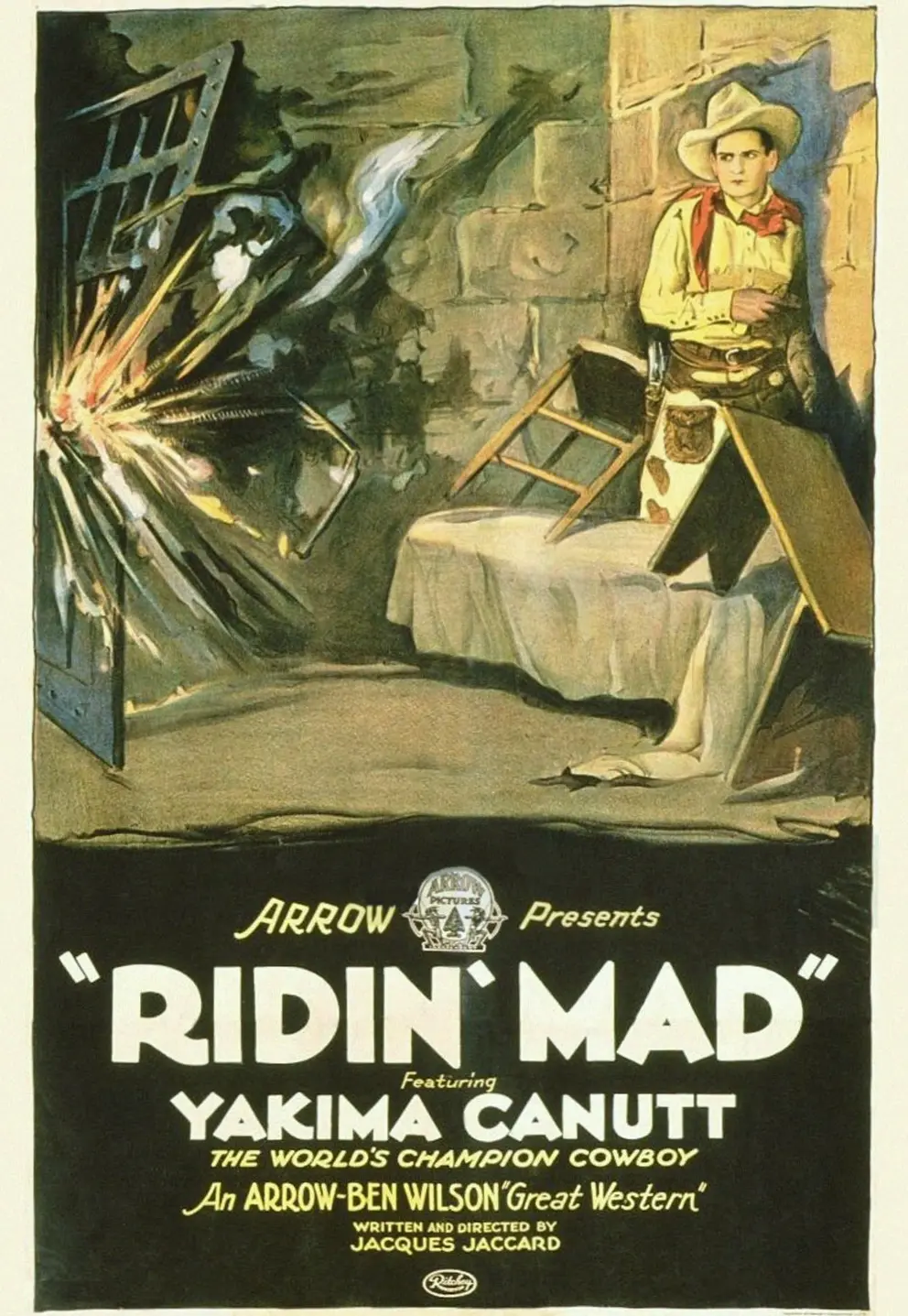
Ah, the allure of the classic Western! There’s something inherently captivating about tales spun from the dust and grit of America’s untamed frontier, where moral lines often blur and justice is a commodity hard-won. Jacques Jaccard’s 'Ridin' Mad' stands as a compelling, if often overlooked, artifact from this golden age, a cinematic journey that plunges headfirst into the tumultuous currents of self-preservation, familial loyalty, and the insidious machinations of greed. It’s a narrative tapestry woven with threads of desperate flight, misguided romance, and the relentless pursuit of truth against a backdrop of burgeoning oil speculation, a potent cocktail that ensures its enduring resonance for enthusiasts of the genre. Far from a mere genre exercise, 'Ridin' Mad' delves into the very soul of its characters, exposing their vulnerabilities and strengths with a raw honesty that transcends its era.
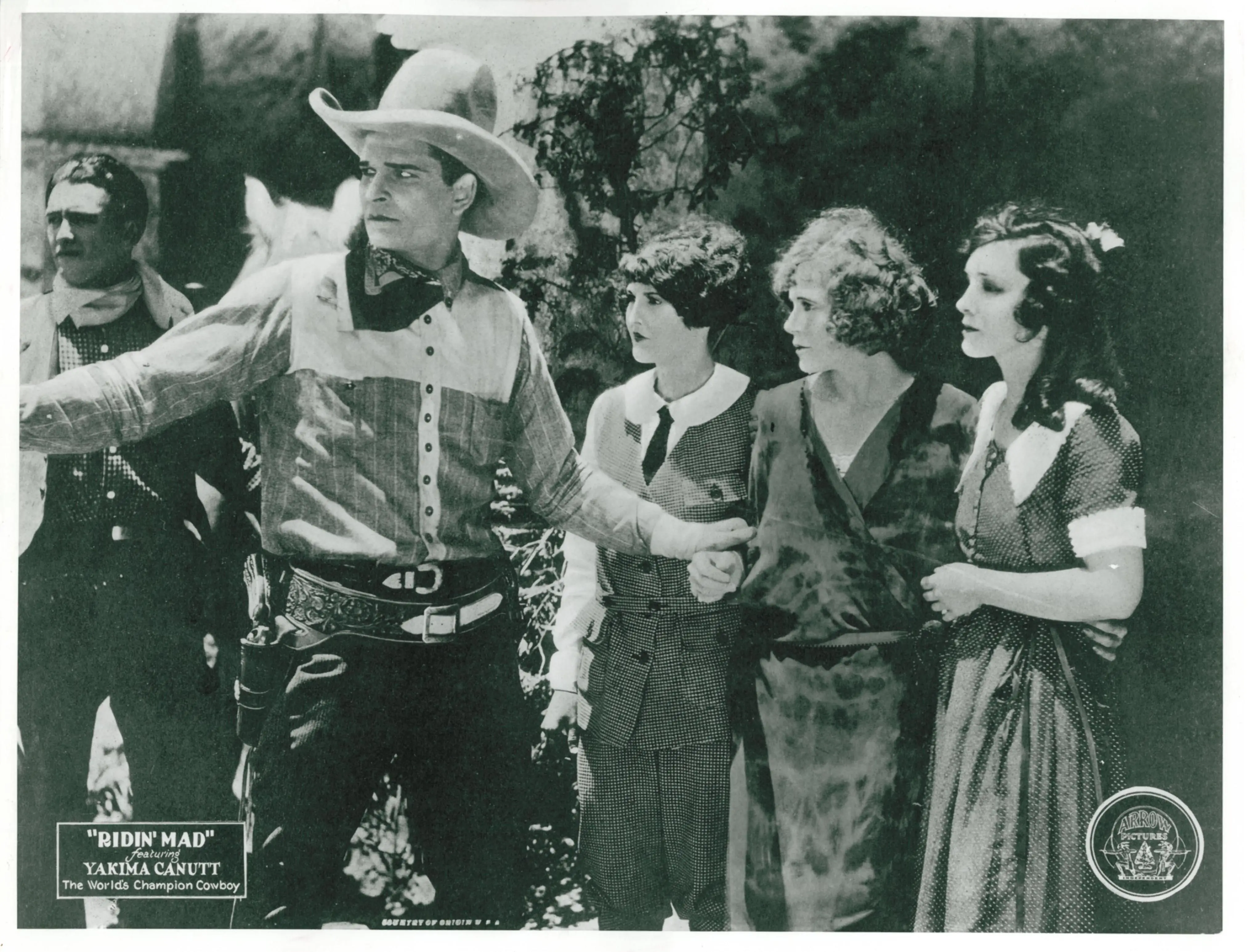
'Ridin' Mad' wastes no time in establishing its central conflict, thrusting us into the immediate aftermath of Steve Carlson's fateful encounter. The film opens not with a flourish, but with the stark reality of a man forced into an act of self-defense, an event that casts a long, ominous shadow over his future. This isn't the romanticized duel of many Westerns; it's a desperate, messy affair, leaving Steve with no recourse but to abandon his roots and ride into an uncertain exile. This initial act of violence, born of necessity rather than malice, immediately establishes Steve as a sympathetic figure, a good man caught in the unforgiving gears of circumstance. His flight isn't an admission of guilt, but a pragmatic response to a legal system often too slow or too biased to discern nuance in the wilderness.
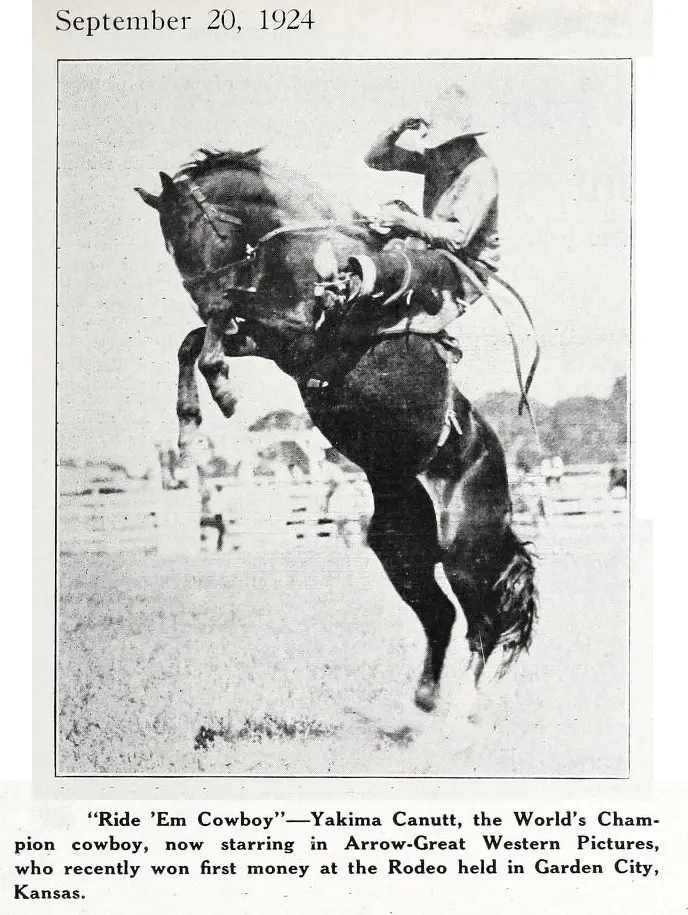
The narrative then deftly pivots, introducing us to Ruth, Steve’s unsuspecting sister, whose emotional vulnerability becomes the new battleground. Her burgeoning affection for Walker, the film's oily antagonist, is painted with a tragic brush. Walker isn't merely a cad; he's a predatory force, a smooth-talking opportunist who sees people, particularly Ruth, as mere stepping stones in his relentless quest for wealth. His ambition, fueled by the promise of black gold, blinds him to any semblance of morality, making his betrayal of Ruth all the more galling. This subplot expertly injects a layer of emotional complexity, transforming the film from a simple tale of pursuit into a multi-faceted drama about the fragility of trust and the corrosive nature of unchecked ambition. The stakes are raised considerably, as Steve's personal plight becomes intertwined with the welfare of his family, compelling him to return from his self-imposed exile.
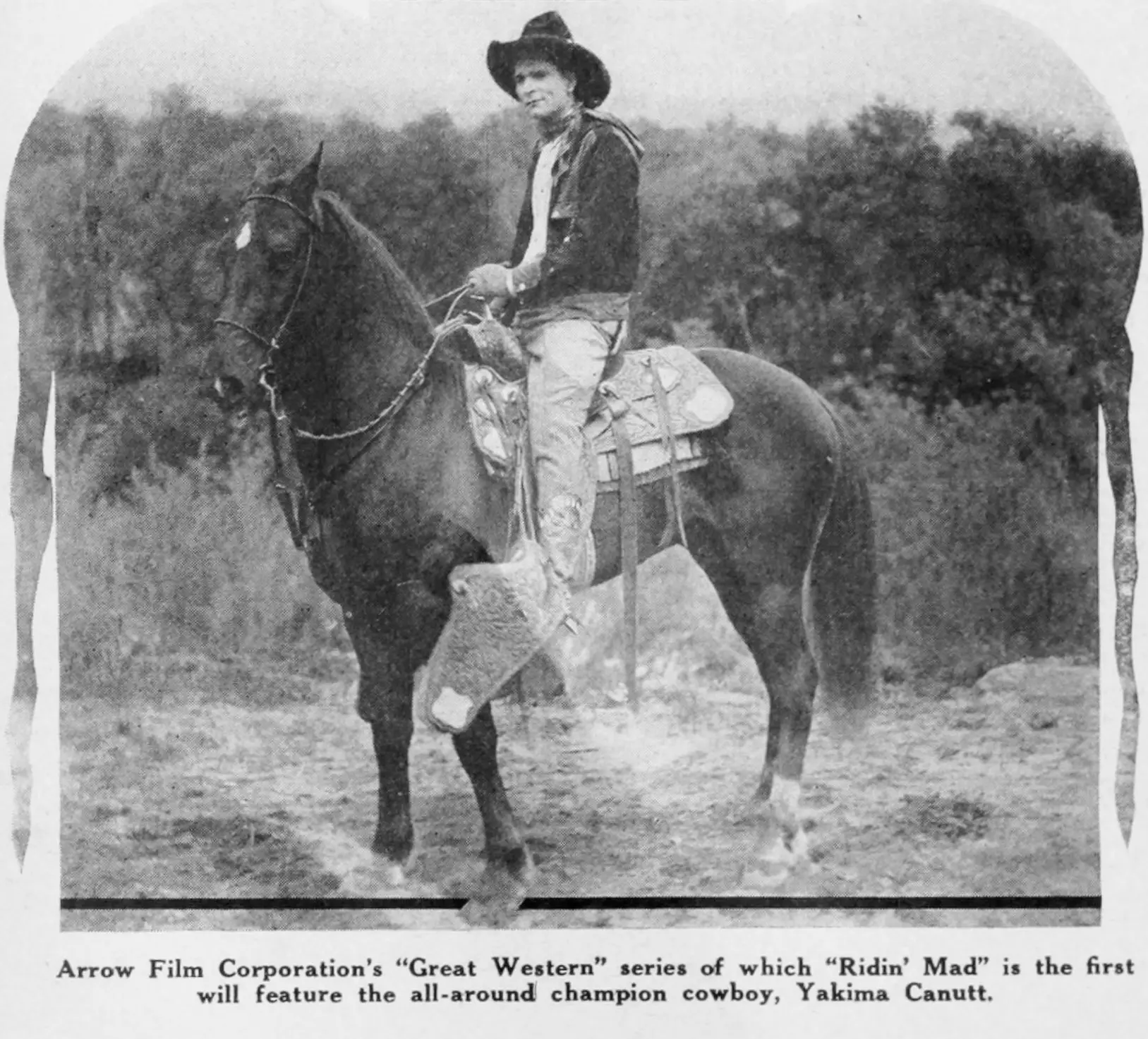
When Steve inevitably confronts Walker, the clash is brutal and swift, culminating in Steve's unjust incarceration. This moment serves as a critical turning point, highlighting the corruption that permeates the local power structures, where Walker's influence can bend the law to his will. Steve, a man already burdened by a prior killing, finds himself ensnared in a web of deceit, his reputation and freedom hanging by a thread. It is here that the film introduces its unsung hero, Marion, Steve's steadfast sweetheart. Her unwavering belief in Steve, coupled with her tenacious spirit, propels the plot forward with renewed vigor. Marion's investigation into Walker's past is not merely an act of love; it is a testament to her intelligence and courage, revealing a darker, more sinister facet of Walker's character: his complicity in her own father's death. This revelation is the linchpin, providing Steve with the leverage he desperately needs. The climactic escape and forced confession are not just thrilling action sequences; they represent Steve's reclamation of agency, a defiant roar against the injustice that has plagued him and his loved ones. It's a satisfying resolution, not just for Steve, but for the audience, who have journeyed with him through the crucible of adversity.
IMDb 6.5
1931
Community
Log in to comment.