DbcultAccessing Vault...
6.1/10
Senior Film Conservator
A definitive 6.1/10 rating for a film that redefined the boundaries of cult cinema. A Tale of Two Cities remains a cornerstone of transgressive art.
To witness the 1917 iteration of A Tale of Two Cities is to descend into a meticulously crafted world of shadow and fervor. Frank Lloyd, a director whose sensibilities often leaned toward the grand and the sweeping, managed here to capture the Dickensian dialectic with a precision that belies the technical limitations of the era. This is not merely a chronicle of two cities, but a psychological autopsy of a man seeking a reason to exist. The film eschews the light-heartedness found in contemporary works like Peck o' Pickles, opting instead for a stygian aesthetic that mirrors the internal collapse of its protagonist, Sydney Carton.
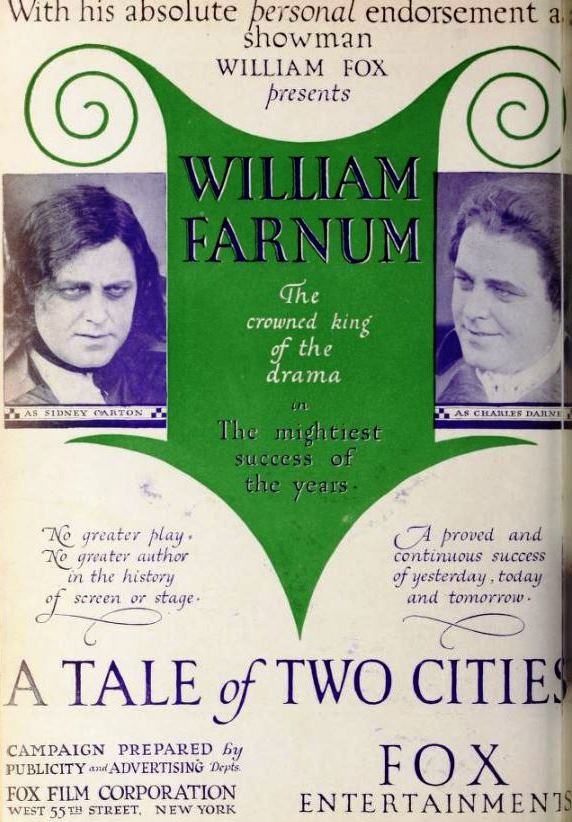
William Farnum’s portrayal of the dual roles—Sydney Carton and Charles Darnay—remains a landmark of early silent performance. While the trope of the double has been explored in films such as Fantômas: The False Magistrate, Farnum imbues each character with a distinct physicality. His Darnay is upright, perhaps a bit stiff in his aristocratic nobility, whereas his Carton is a masterclass in slumped shoulders and haunted gazes. The dissipation of Carton is not merely written in the title cards but etched into the very grain of the film, providing a stark contrast to the domestic warmth depicted in Home.
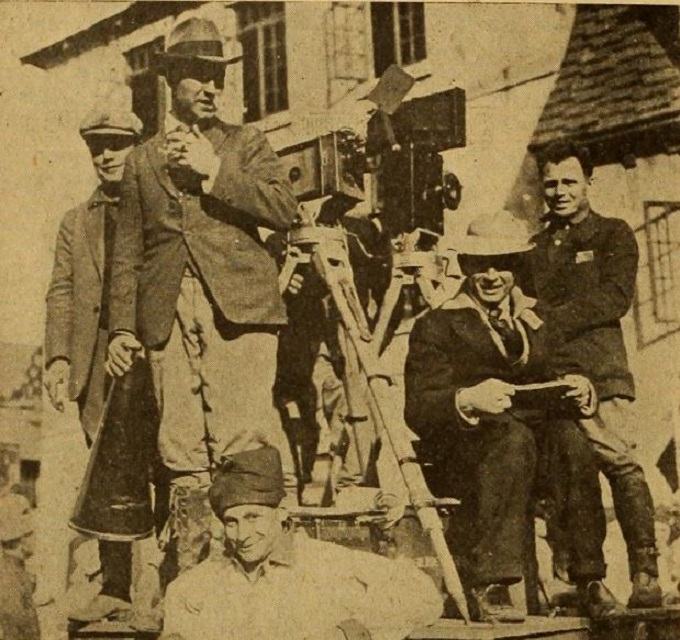
The set design and cinematography elevate this production far above the standard fare of the late 1910s. The storming of the Bastille is rendered with a chaotic energy that feels surprisingly modern. Unlike the static theatricality of The Second Mrs. Tanqueray, Lloyd’s camera feels mobile, capturing the surging tides of the Parisian mob with a sense of impending doom. The contrast between the orderly, almost stifling courtrooms of London and the blood-slicked, populist tribunals of France creates a visual rhythm that propels the narrative forward.
The lighting, particularly in the scenes within the Conciergerie, utilizes a harsh, high-contrast style that anticipates the German Expressionism of the following decade. Every shadow in the cell seems to whisper of the guillotine’s blade. This visual depth is a far cry from the flatter, more straightforward lighting found in The Shop Girl. It is in these dark corners that the film finds its heart, focusing on the quiet desperation of those caught in the gears of history.
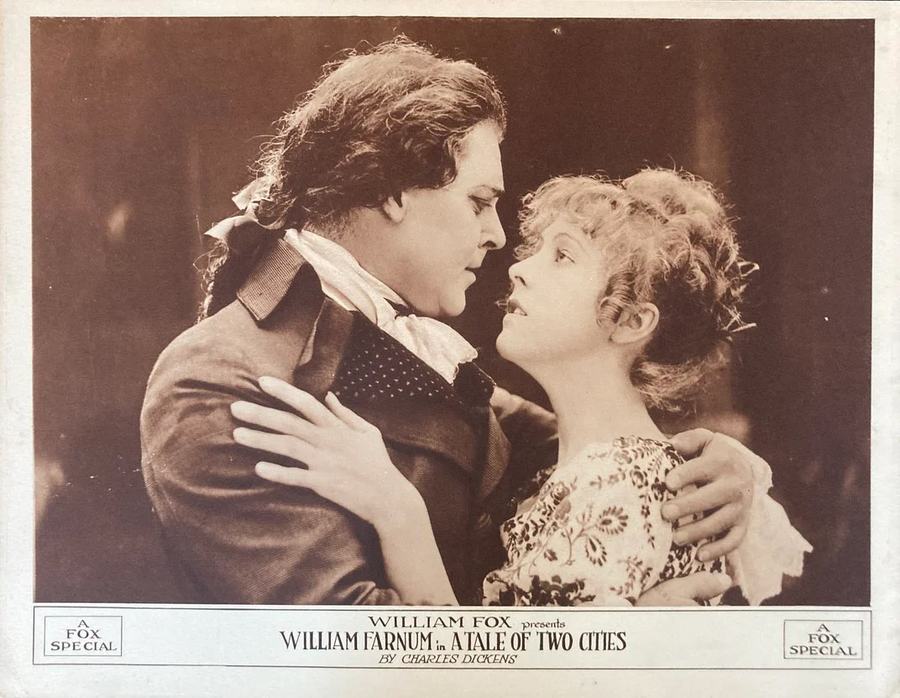
Adapting a novel as dense as Dickens’ required a deft hand at the script level. Frank Lloyd and his writing team managed to distill the sprawling epic into a coherent, emotionally resonant arc. While some secondary characters are inevitably sidelined, the core triangle of Carton, Darnay, and Lucie Manette remains intact. The inclusion of Florence Vidor and Jewel Carmen provides a soft, ethereal counterpoint to the masculine brutality of the revolution. Their presence serves as the catalyst for Carton’s metamorphosis, moving the film beyond a mere historical reenactment and into the realm of spiritual allegory.
Comparing this to Oliver Twist (1916), one can see a clear evolution in how Dickensian themes were translated to the screen. Where earlier adaptations often felt like a series of vignettes, the 1917 A Tale of Two Cities flows with a cinematic inevitability. The pacing is deliberate, allowing the dread of the Reign of Terror to accumulate until the final, breathless switch between the two look-alikes.
The ensemble cast is a treasure trove of early Hollywood talent. Margaret Dumont and Ralph Lewis deliver performances that anchor the more melodramatic elements of the plot. There is a gravity to the supporting players that prevents the film from descending into the histrionics sometimes seen in The Wild Olive. Even the minor roles, such as those played by Charles Clary and Herschel Mayall, contribute to a sense of a lived-in world, one where every character is a cog in a machine they no longer control.
The portrayal of the Defarges is particularly chilling. They embody the righteous anger of the oppressed turned into a monstrous, unthinking vengeance. This sociopolitical commentary was remarkably poignant in 1917, a year when the world was again being torn apart by global conflict and internal revolutions. The film captures that zeitgeist, reflecting the anxiety of an era through the lens of the 18th century.
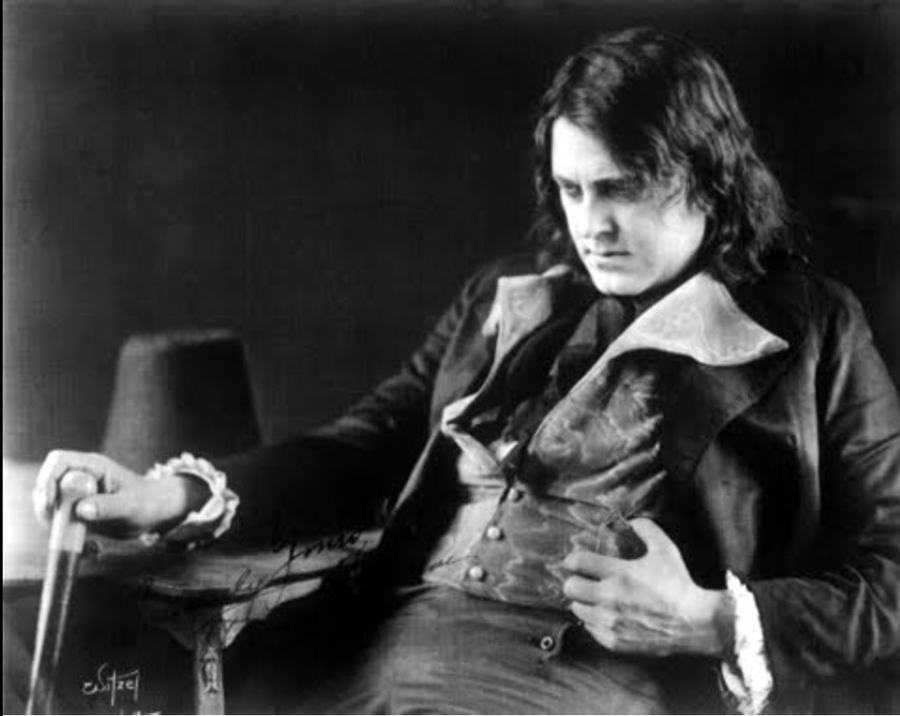
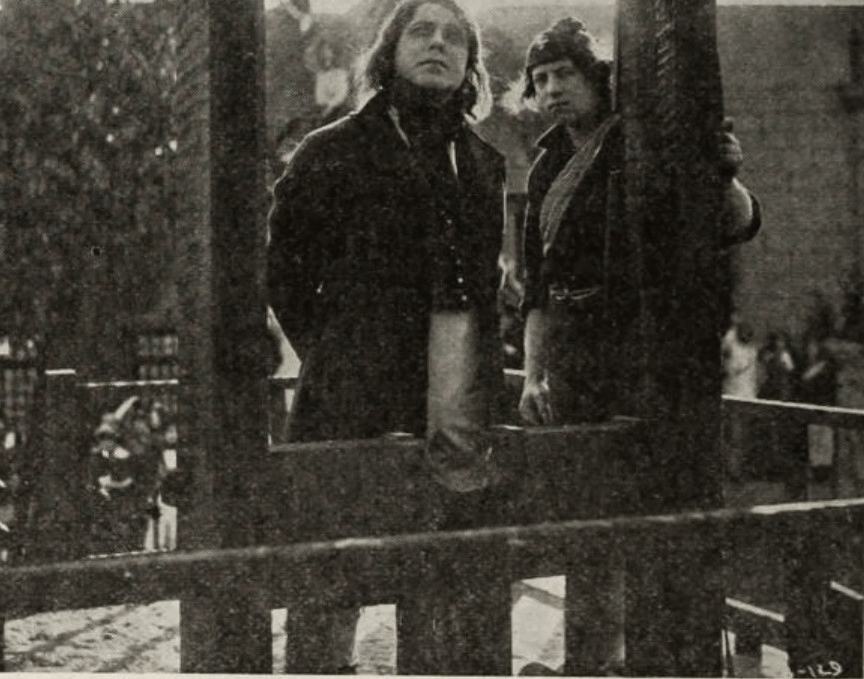
The final sequence, where Carton ascends the scaffold, remains one of the most powerful moments in silent cinema history. Without the benefit of Dickens’ famous closing monologue in audio form, the film relies entirely on Farnum’s expression and the stark imagery of the guillotine. It is a moment of profound silence that speaks louder than any dialogue could. The use of scale and perspective as the tumbril rolls through the jeering crowd creates a sense of isolation that is truly haunting.
In contrast to the more adventurous or lighthearted fare like The $5,000,000 Counterfeiting Plot, this film demands an emotional investment that is rare for its time. It does not offer easy answers or a traditional happy ending. Instead, it offers a meditation on the possibility of renewal through loss. The technical proficiency of the Fox Film Corporation at this juncture is evident in every frame, from the costume design to the large-scale crowd movements that rival the spectacles of One Hundred Years of Mormonism.
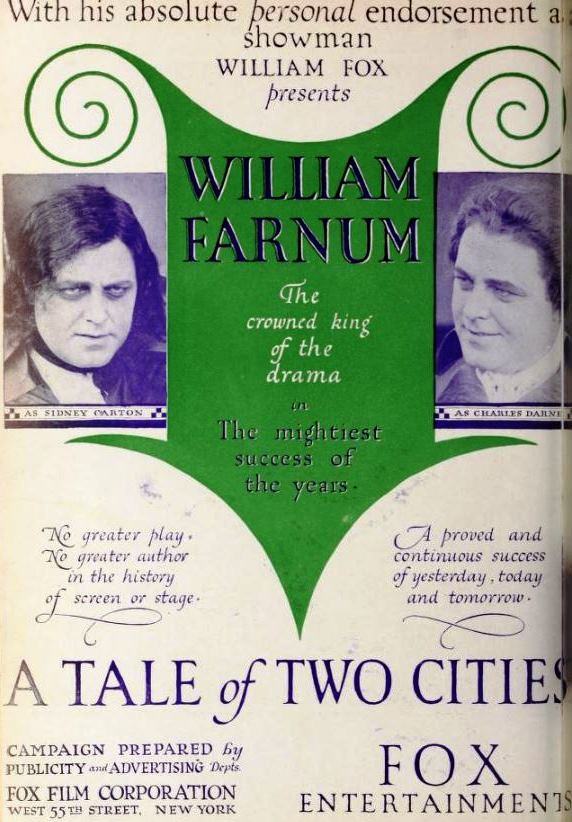
Ultimately, Frank Lloyd’s A Tale of Two Cities is a testament to the power of the visual medium to transcend the written word. It takes a literary monument and breathes life into its cold marble, reminding us that even in the midst of the most horrific social upheavals, the individual human spirit can find a path to the light. It stands as a superior example of historical drama, far outstripping the localized tensions of The Warrens of Virginia or the political maneuvering of Ministerpresidenten. This is a film of grand ideas, executed with a boldness that still resonates over a century later.
The 1917 release date is significant. As American audiences watched the screen, the real world was grappling with the Russian Revolution and the escalation of the Great War. The themes of sacrifice and the overturning of the old order were not merely academic; they were the headlines of the day. Lloyd’s film, while set in the past, was a mirror held up to the present. The meticulous attention to detail in the period costuming and the authentic feel of the French streets suggests a production budget and a level of care that was pioneering for the industry.
While some modern viewers might find the pacing of silent cinema challenging, the sheer visual storytelling on display here is a masterclass. The way Lloyd uses the camera to transition between the two cities—not just geographically, but tonally—shows a sophisticated understanding of film grammar. It is a far more cohesive experience than the somewhat episodic Seven Keys to Baldpate. The film’s ability to maintain tension throughout its runtime is a credit to the editing and the rhythmic composition of its scenes.
The legacy of this version of A Tale of Two Cities is often overshadowed by the 1935 sound version, yet it possesses a raw, elemental power that the later, more polished version lacks. There is something in the silence of the 1917 film that better captures the internal monologue of Sydney Carton. In the absence of speech, his actions carry more weight, and his final choice becomes a purely visual, and thus more universal, act of redemption. It remains a cornerstone of the Fox library and a high-water mark for the silent era’s engagement with classical literature.
For those interested in the evolution of cinematic scale, comparing this to the documentary-style Rescue of the Stefansson Arctic Expedition or the gothic tragedy of Die Tragödie auf Schloss Rottersheim reveals the breadth of the medium in 1917. Lloyd’s work sits at the intersection of intimate drama and epic spectacle, a balance that few directors have ever truly mastered. It is a film that demands to be seen not just as a historical curiosity, but as a living, breathing piece of art that continues to challenge and move its audience.
The sheer ambition of the project—to condense Dickens’ sprawling prose into a visual medium without losing its soul—is achieved with remarkable grace. The 1917 A Tale of Two Cities is more than an adaptation; it is a reinvention of the text for a new age, proving that the themes of love, death, and resurrection are indeed timeless. As the final frame fades to black, the viewer is left with the haunting image of the guillotine, a reminder of the price of progress and the enduring power of the individual to say 'no' to the darkness.
IMDb 7.3
1936
Community
Log in to comment.