DbcultAccessing Vault...
5.5/10
Senior Film Conservator
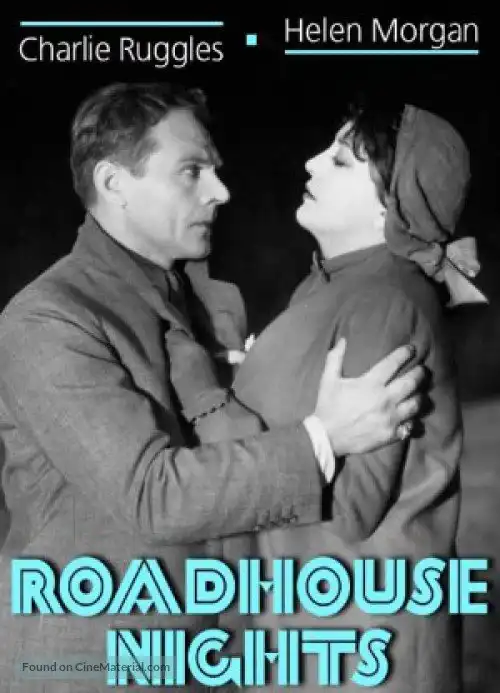
A definitive 5.5/10 rating for a film that redefined the boundaries of cult cinema. Roadhouse Nights remains a cornerstone of transgressive art.
“Roadhouse Nights” is a curious one, a real time capsule from 1930. If you're a fan of early talkies, or anyone obsessed with Dashiell Hammett's sharp dialogue, you absolutely gotta see this.
For those expecting something slick and fast-paced, maybe steer clear. It's got a certain clunky charm that isn't for everyone, but it’s part of its allure.
You can practically feel Dashiell Hammett's fingerprints all over this thing. The way characters talk, especially the cynical newsman, Charles Ruggles’ Dan Carney, feels just right.
It’s got that hard-boiled edge, even if it’s not a full-blown noir yet, more like a seed of what's to come. His script gives everyone a distinct, punchy way of speaking.
Ruggles plays Dan Carney, a reporter who drinks a lot and tries to get the scoop on a bootlegging operation. He’s got this weary, *almost charming* smirk.
But he also has a definite sleazy side when he’s trying to get info out of the singer. He's not exactly a hero, you know? Just a guy doing his messy job.
Helen Morgan, as the singer Mary, is just heartbreaking to watch. Her voice, even through the sometimes-scratchy old sound, carries so much weight.
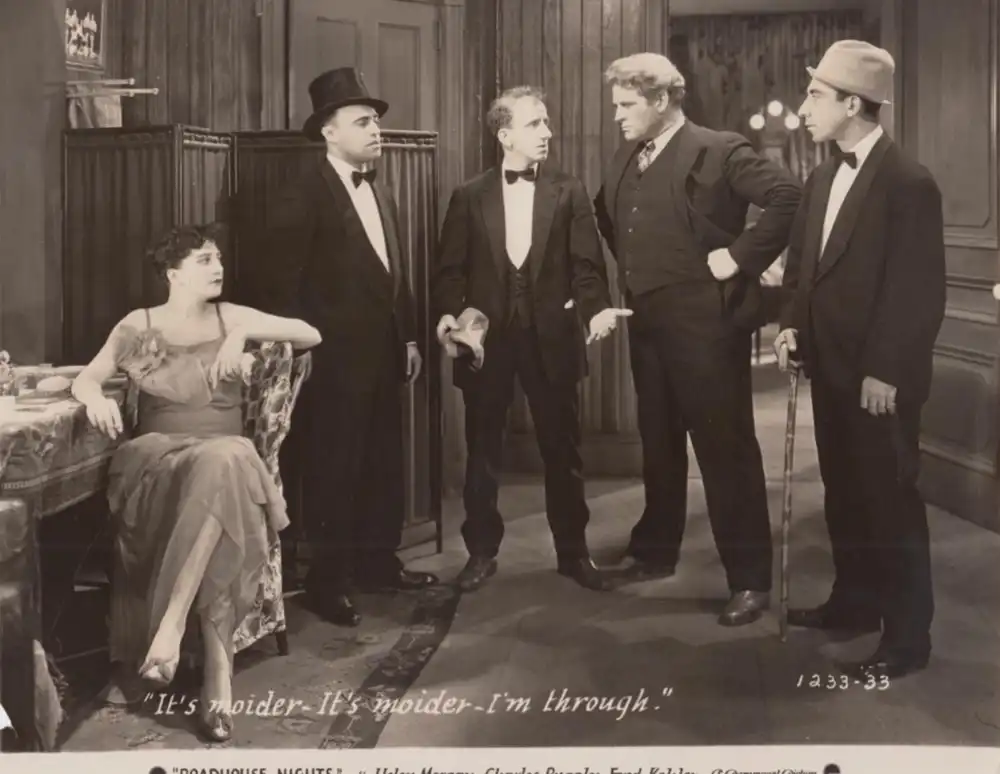
There's a sorrow in her eyes that you can't fake. She's stuck between a dangerous bootlegger, Fred Kohler's character, and Carney's nosy ambition.
Kohler’s character, the bootlegger, feels genuinely menacing without much effort. He doesn’t need a lot of big speeches; just his presence makes things tense. You believe he could snap at any moment.
The whole setup: Carney is spying on the roadhouse, trying to expose the illegal booze operation. It’s not a super complex plot, but the tension builds in these small, quiet scenes.
There’s a moment where Carney is just sitting, watching Mary sing, and you can see him almost forget his job. He gets lost in the music for a beat. That little flicker of humanity really sells it.
Oh, and Jimmy Durante is in this! He plays a club owner, a bit part, but he gets to do his thing, banging on the piano and shouting.
It’s a fun little jolt of energy, a complete tonal shift for a few minutes. His band, The Durante Orchestra, gets a number too, and it’s a lively distraction.
The sound quality, well, it's 1930. Sometimes the dialogue feels a bit stiff, like they’re trying hard not to move from the microphone.
But the atmosphere of the roadhouse, smoky and shadowy, really
IMDb 6.5
1932
Community
Log in to comment.