DbcultAccessing Vault...
6.7/10
Senior Film Conservator
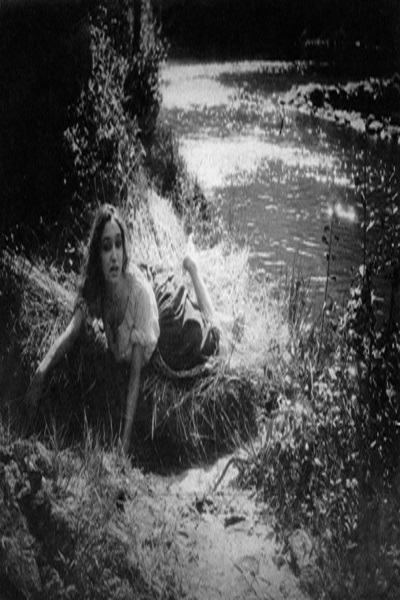
A definitive 6.7/10 rating for a film that redefined the boundaries of cult cinema. Mulheres da Beira remains a cornerstone of transgressive art.
From the opening frame, the film establishes a visual dialectic between the relentless sea and the claustrophobic interiors of the town. The cinematographer employs a muted palette, allowing the occasional flash of dark orange (#C2410C) to punctuate moments of emotional rupture. This chromatic choice mirrors Ana's internal conflict: the flame of desire against the cold ash of disillusionment.
Maria Judice da Costa delivers a performance that is both volatile and nuanced. She oscillates between the fierce defiance of a woman refusing to be owned and the fragile vulnerability of a soul adrift. In scenes where Ana confronts André (António Pinheiro), the camera lingers on her eyes, capturing a tempestuous sea of unspoken yearning. The actor’s subtle glances, underscored by a lingering score that swells in sea‑blue (#0E7490) undertones, convey more than dialogue ever could.
Rafael Marques embodies the aristocratic interloper with a genteel aloofness that feels deliberately insubstantial. His fleeting flirtations are rendered with a lightness that borders on the ethereal, reinforcing the narrative’s central thesis: love, when untethered from sincerity, becomes a mere performance. The film’s pacing deliberately slows during his scenes, allowing the audience to feel the weight of Ana’s eventual abandonment.
At its core, Mulheres da Beira is an exploration of the paradoxical freedom found within surrender. When Ana’s heart is shattered, she does not seek revenge; instead, she retreats toward the monastic life, an act that is both self‑preservation and self‑effacement. This trajectory recalls the moral reckoning found in The Count of Monte Cristo, where the protagonist’s exile becomes a crucible for inner alchemy.
The convent is bathed in a stark, almost monochrome light, broken only by the occasional flicker of candle flame rendered in yellow (#EAB308). This illumination serves as a visual metaphor for Ana’s gradual illumination—her transition from the chaotic, sun‑splashed streets to the disciplined rhythm of prayer. The director’s use of long takes within the cloister amplifies the sense of timelessness, echoing the contemplative silence of Good Night, Nurse’s final act.
While the film shares thematic DNA with Queen of the Moulin Rouge—particularly the motif of a woman navigating male desire—it diverges sharply in tone. Where the Moulin Rouge revels in flamboyant spectacle, Mulheres da Beira embraces restraint, allowing the audience to feel the weight of each unspoken word.
Moreover, the narrative’s focus on personal exile resonates with the existential melancholy of If My Country Should Call. Both protagonists confront the abyss of identity after being cast aside by societal expectations, yet Ana’s pilgrimage toward religious seclusion adds a spiritual layer absent in the more secular reckonings of her counterparts.
António Pinheiro’s portrayal of André is understated yet profoundly affecting. He embodies the archetype of the steadfast lover, his presence a steady drumbeat against Ana’s erratic tempo. The chemistry between Pinheiro and Judice da Costa is palpable, and their scenes are choreographed with a measured intimacy that feels both inevitable and tragic.
Supporting actors—Brunilde Júdice, Mário Santos, Duarte Silva—populate the world with a lived‑in authenticity, each contributing subtle textures that enrich the narrative tapestry. Their performances are not mere background; they serve as cultural signposts that ground the story within its Portuguese milieu.
The sound design is a masterclass in auditory minimalism. The perpetual murmur of waves, the creak of wooden doors, and the distant toll of church bells are woven together to create an aural landscape that mirrors Ana’s psychological state. When she steps into the convent, the soundscape shifts to a hushed, reverberant hush, punctuated only by the soft rustle of habit fabric—a sonic cue that underscores her transition from worldly desire to contemplative silence.
Lighting plays a pivotal role in delineating emotional territories. The film’s exterior shots are drenched in the cool, sea‑blue hue (#0E7490), evoking a sense of openness and exposure. In contrast, interior scenes—particularly within the convent—are illuminated by a warm, amber glow that hints at an inner fire, despite the outward austerity.
Editor Duarte Silva employs a measured tempo, allowing scenes to breathe. The deliberate pacing during Ana’s moments of solitude invites viewers to inhabit her internal void, fostering empathy without resorting to melodrama. The occasional jump‑cut, used sparingly, serves to jolt the audience, mirroring Ana’s sudden emotional spikes when confronting her past.
The screenplay, penned by Abel Botelho and Rino Lupo, is a study in restraint. Dialogue is sparse; subtext reigns supreme. Each line is weighted, and silences are laden with meaning. The script’s structure mirrors the stages of grief: denial (Ana’s dismissal of André), bargaining (her pursuit of the nobleman), depression (the abandonment), and finally acceptance (the convent).
Symbolism permeates the film. The recurring motif of a broken seashell—found on the shoreline, later placed on Ana’s altar—signifies fragmented identity seeking wholeness. The recurring yellow (#EAB308) accents in the convent’s stained glass windows symbolize a lingering ember of hope within the walls of renunciation.
Set against the backdrop of mid‑20th‑century Portugal, the film subtly references the country’s sociopolitical climate, where traditional gender roles were both enforced and contested. Ana’s defiance of André’s pure love can be read as a microcosm of a society grappling with modernity versus entrenched conservatism. The decision to retreat into a religious order, while personal, also reflects the limited avenues available to women seeking autonomy during that era.
In comparison to contemporaneous Portuguese cinema, such as Suramis tsikhe, Mulheres da Beira distinguishes itself through its intimate focus on a single female protagonist, rather than broad social commentary, thereby offering a more nuanced psychological portrait.
Upon its release, critics praised the film’s austere beauty and Judice da Costa’s compelling turn. Some reviewers, however, critiqued its deliberate pacing as overly languid. Over time, the film has garnered a cult following among cinephiles who appreciate its meditative rhythm and thematic depth. Its influence can be traced in later works that explore female agency within patriarchal constraints, such as Tell Your Wife Everything.
The film secured nominations for Best Actress (Maria Judice da Costa) and Best Cinematography at the Portuguese Golden Globes, ultimately winning the latter for its masterful use of natural light and color contrast.
In sum, Mulheres da Beira is a meticulously crafted meditation on love’s ephemerality and the search for inner sanctuary. Its visual language, anchored by a disciplined color scheme of dark orange, yellow, and sea blue, creates a haunting aesthetic that lingers long after the credits roll. The performances, particularly from Judice da Costa and Pinheiro, elevate a script that thrives on silence and subtext. While its pacing may deter viewers accustomed to rapid narrative propulsion, those willing to linger will discover a film of profound emotional resonance—a cinematic ode to the resilience of the human spirit when faced with abandonment and the promise of redemption through quiet devotion.

IMDb 6.8
1931
Community
Log in to comment.