DbcultAccessing Vault...
6.5/10
Senior Film Conservator
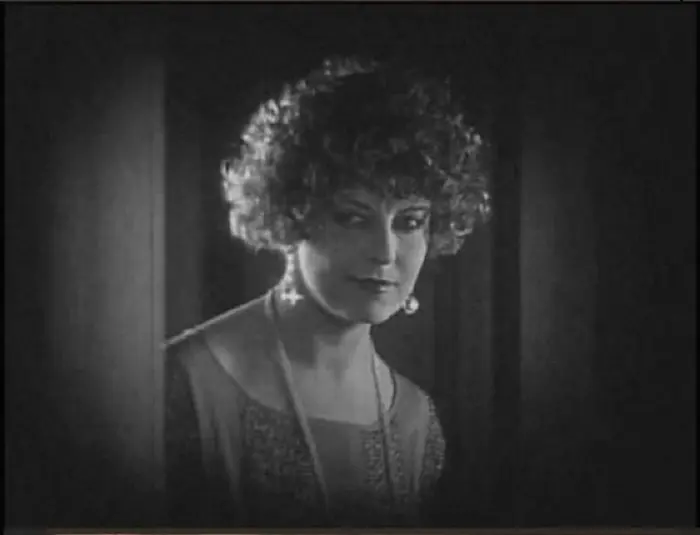
A definitive 6.5/10 rating for a film that redefined the boundaries of cult cinema. Robes of Sin remains a cornerstone of transgressive art.
The silent era, often romanticized for its grand gestures and melodramatic narratives, frequently served as a profound mirror to the social anxieties and shifting moral landscapes of its time. Among these cinematic artifacts, Robes of Sin emerges as a particularly poignant, if perhaps underappreciated, commentary on marital disaffection, the allure of forbidden pleasures, and the devastating ripple effects of revenge. It’s a film that, despite its age, resonates with a timeless quality, exploring human frailties that remain disturbingly familiar.
At its core, Robes of Sin plunges into the psychological depths of Ruth Rogens, portrayed with a compelling vulnerability by Sylvia Breamer. Ruth is not inherently malicious or even overtly rebellious; rather, she is a woman sculpted by the circumstances of her life, specifically the emotional void left by her husband, John. John Rogens, embodied by Jack Mower, is the archetypal diligent public servant – a policeman whose commitment to his badge inadvertently fosters a profound neglect of his wife’s emotional needs. His absence, both physical and spiritual, creates a fertile ground for discontent, leaving Ruth susceptible to the insidious machinations of external forces. This initial setup is crucial, immediately establishing a sympathetic framework for Ruth’s eventual missteps, portraying her less as a wanton woman and more as a desperate soul yearning for attention and validation.
The catalyst for Ruth’s descent is her neighbor, Adelaide Thomas, a character brought to life with a chilling blend of sophistication and malice by Gertrude Astor. Adelaide is no mere acquaintance; she is a woman already steeped in the clandestine world of bootlegger Cyler Bryson (Bruce Gordon), serving as his mistress. Her invitation to Ruth, ostensibly a gesture of friendship, is subtly laced with a predatory undertone, a calculated move to draw Ruth into a sphere of glamour and danger. The loaning of a gown is a masterstroke of symbolic storytelling – this garment, seemingly innocuous, becomes the first 'robe of sin,' a sartorial harbinger of the moral compromises to come. It’s a brilliant visual metaphor, suggesting that the trappings of illicit pleasure can be deceptively alluring, subtly altering one’s identity and trajectory.
Cyler Bryson, as the charismatic bootlegger, is a figure of captivating corruption. Bruce Gordon imbues him with a suave menace, making his seduction of Ruth both believable and disturbing. Cyler’s rapid shift of affections from Adelaide to Ruth is not merely a plot device; it underscores the transactional nature of his relationships and the fleeting superficiality of the world he inhabits. He offers Ruth not love, but an intoxicating cocktail of attention, expensive gifts, and a lifestyle starkly contrasting with her husband’s austere devotion to duty. This lavish expenditure on 'fancy clothes' for Ruth serves as another layer of the 'robes of sin,' each garment a testament to her deepening entanglement in Cyler’s web. The narrative here deftly explores the intoxicating power of material indulgence and how it can mask the emptiness beneath.
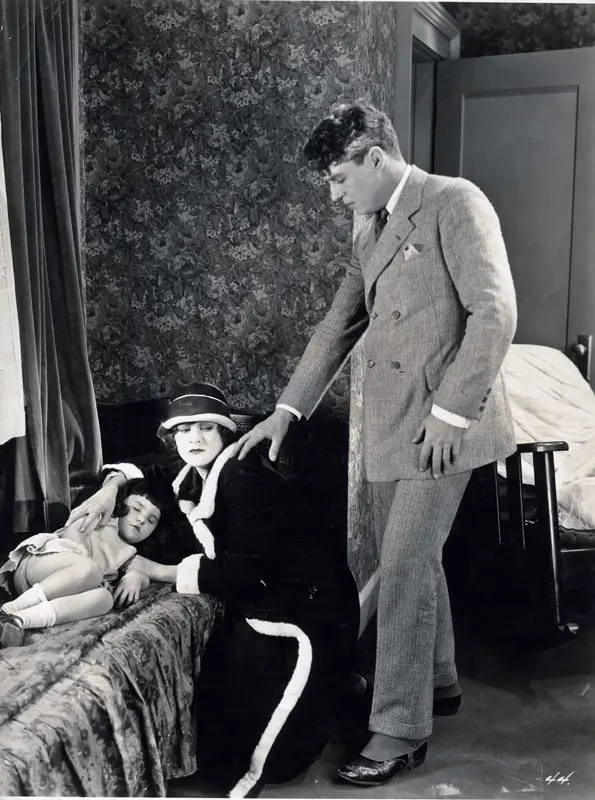
The ensuing narrative arc hinges on Adelaide’s vengeful machinations. Her jealousy, raw and unbridled, transforms her into a formidable antagonist. Rather than confronting Cyler or Ruth directly, Adelaide chooses a more insidious path: she manipulates Cyler’s unsuspecting wife, Grace (Helene Sullivan), into believing Ruth is her husband’s mistress. This act of calculated cruelty is the fulcrum upon which the entire tragedy pivots, demonstrating the destructive power of a scorned woman’s wrath. It highlights a common trope in silent cinema, where female characters, often disenfranchised in other ways, wield emotional manipulation as their most potent weapon. The film, in this regard, shares thematic threads with other dramas of the era that explored the dangerous consequences of emotional neglect and societal pressures on women, such as The Loves of Letty, where a woman's choices are often dictated by external forces and the desire for social acceptance or escape from perceived indignity.
The climax of Robes of Sin is a masterclass in silent film suspense and emotional devastation. John Rogens, ever the dedicated officer, undertakes a raid on Cyler’s bootlegging warehouse. The irony is palpable: his professional duty, the very thing that alienated him from his wife, now brings him face-to-face with the devastating consequences of that neglect. His discovery of Ruth in Cyler’s company at a roadhouse is a moment of profound heartbreak and moral reckoning. It’s a scene that encapsulates the entire film’s thesis: the intersection of personal failings and societal transgressions, where the private lives of individuals are irrevocably intertwined with the illicit underworld. The roadhouse, a symbol of forbidden revelry and clandestine meetings, becomes the stage for John’s brutal awakening, a stark contrast to the domestic life he inadvertently dismantled.
Sylvia Breamer's portrayal of Ruth is particularly noteworthy. She navigates the character's transition from a neglected wife to a woman seduced by fleeting glamour with a nuanced sensitivity. Her expressions, typical of silent film acting, convey a complex internal struggle – the initial loneliness, the fleeting joy of attention, the dawning realization of her predicament, and ultimately, the shame and despair of exposure. Jack Mower, as John, manages to convey the stoic policeman’s inner turmoil with subtle shifts in posture and gaze, making his final discovery all the more impactful. Gertrude Astor, however, steals many scenes as Adelaide, her eyes often betraying a calculating intelligence beneath a veneer of charm. She is the serpent in this garden, a truly memorable antagonist. Bruce Gordon’s Cyler is appropriately slick and unrepentant, embodying the era’s 'bad boy' allure.
The thematic richness of Robes of Sin extends beyond individual character studies. It’s a film deeply entrenched in the moral ambiguities of the Jazz Age, a period of immense social change and shifting values. The burgeoning bootlegging industry, a direct consequence of Prohibition, provided a backdrop for illicit wealth and moral decay, offering a seductive alternative to traditional societal norms. The 'robes of sin' itself can be interpreted as a metaphor for the superficial allure of this new, decadent lifestyle – a thin veneer of glamour covering a dangerous undercurrent of moral compromise and eventual ruin. This era often saw women, particularly those in conventional roles, questioning their place and seeking independence or excitement, a theme also explored in films like The Auction Block, which examined the commodification of women and their struggles for agency in a patriarchal society.
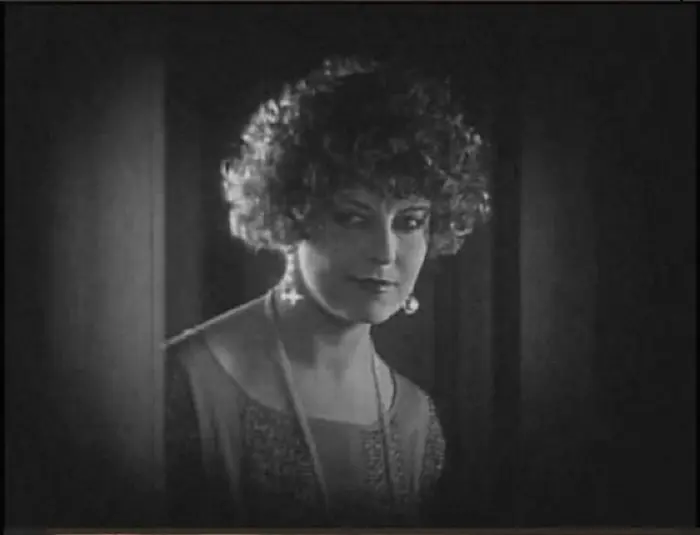
The direction, while adhering to the conventions of silent cinema, effectively builds tension and pathos. The use of intertitles is judicious, providing necessary exposition without overwhelming the visual storytelling. The cinematography, though perhaps not groundbreaking for its time, successfully captures the stark contrast between Ruth’s mundane domesticity and the vibrant, albeit dangerous, world of Cyler Bryson. The film's pacing allows for the slow burn of Ruth's temptation and Adelaide's vengeful plotting, culminating in a swift, devastating climax. There’s a palpable sense of impending doom that permeates the narrative, a growing unease that foreshadows the inevitable confrontation and exposure.
Comparatively, Robes of Sin aligns with other contemporary films that explored the consequences of moral transgression. The stark portrayal of retribution, both social and personal, brings to mind the moral calculus presented in The Price They Pay, where characters grapple with the repercussions of their choices. Similarly, the exploration of a woman's vulnerability to external influences and the societal judgment she faces echoes the struggles found in films like Cupid Camouflaged, which often depicted complex marital dynamics and the external pressures that could lead to infidelity or misunderstanding. Robes of Sin, however, distinguishes itself through its particular focus on the insidious nature of neglect as the primary driver for a woman’s susceptibility to temptation, making it a powerful commentary on the often-overlooked emotional needs within a marriage.
The film also subtly critiques the societal double standards prevalent in the era. While Cyler, the bootlegger and philanderer, operates with relative impunity for much of the film, Ruth’s transgression carries a far heavier social cost. Her exposure is not merely a personal tragedy but a public shaming, highlighting the unequal burden of morality placed upon women. This subtext adds another layer of depth to the narrative, transforming it from a simple tale of infidelity into a broader social critique.
Beyond its immediate plot, Robes of Sin offers a fascinating glimpse into the nascent film industry's ability to tackle complex human drama without spoken dialogue. The reliance on visual cues, exaggerated expressions, and evocative intertitles demanded a different kind of storytelling, one that often communicated universal emotions with remarkable clarity. The film's creative team, including writers Louis Waldeck, William B. Laub, and George Hinley, crafted a narrative that is both tightly constructed and emotionally resonant, ensuring that each character's motivations and actions contribute meaningfully to the overarching tragedy.
In conclusion, Robes of Sin is far more than a forgotten relic of the silent screen; it is a potent and enduring drama that dissects the fragility of marital bonds, the seductive power of forbidden desires, and the corrosive nature of vengeance. Sylvia Breamer’s portrayal of Ruth Rogens remains a compelling study of a woman caught between duty and desire, a testament to the emotional depth that silent cinema was capable of achieving. Its exploration of neglect, temptation, and the devastating consequences of moral compromise ensures its continued relevance, offering a stark reminder that the 'robes of sin' are often woven from threads of loneliness and desperation, leaving an indelible stain long after the glamour has faded. This film, though perhaps not as widely known as some of its contemporaries, deserves to be rediscovered for its powerful narrative and its insightful commentary on the human condition.
IMDb —
1919
Community
Log in to comment.