DbcultAccessing Vault...
Cult Review
Senior Film Conservator
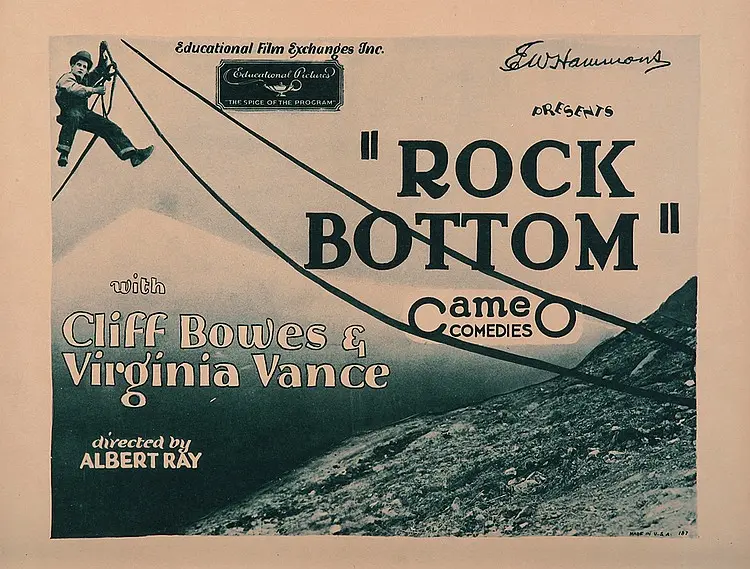
Should you invest your time in this silent-era relic today? Short answer: Yes, but only if you have a high tolerance for the primitive, unrefined chaos of 1920s slapstick.
This film is specifically for historians of the silent comedy era and those who enjoy seeing the early blueprints of the 'bumbling hero' trope. It is absolutely not for viewers who require modern pacing, high-definition clarity, or sophisticated, dialogue-driven humor.
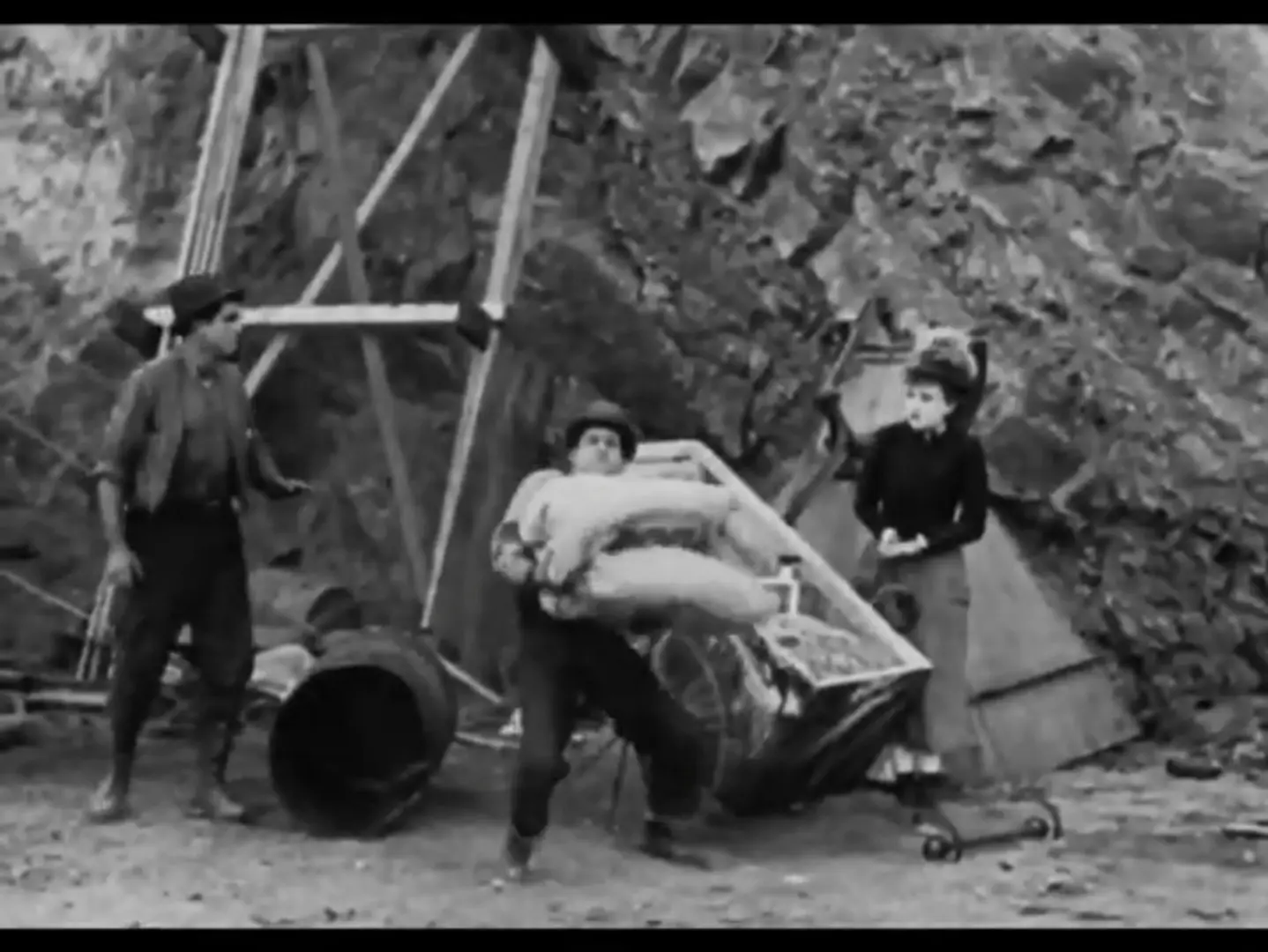
1) This film works because it captures a very specific, raw anxiety about workplace security and peer betrayal that remains surprisingly relatable, even 100 years later.
2) This film fails because its middle act is repetitive, leaning too heavily on a single gag involving a rolling desk that overstays its welcome by several minutes.
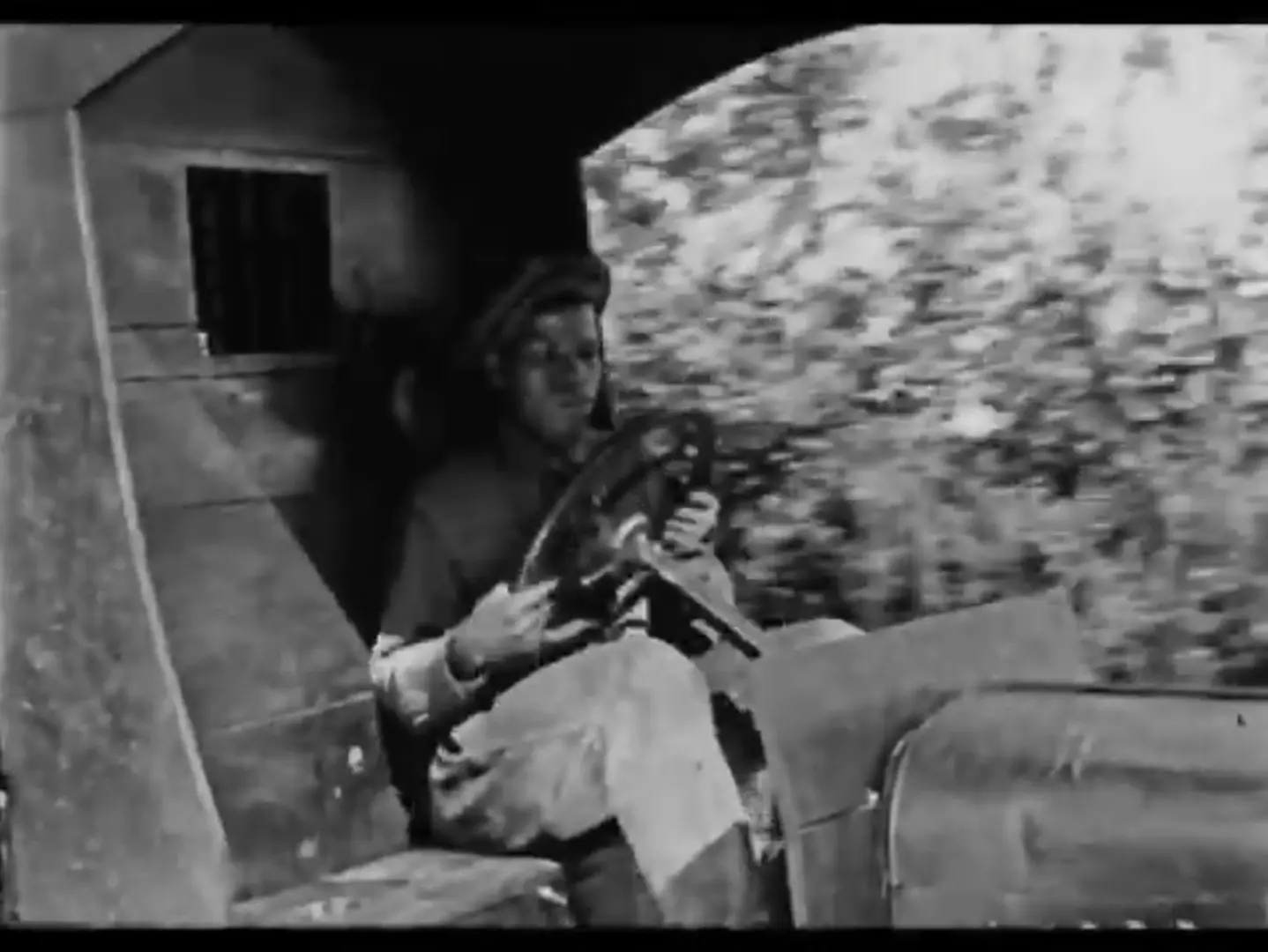
3) You should watch it if you want to see how early filmmakers like Cliff Bowes utilized physical space to create tension before the advent of complex editing techniques.
Rock Bottom isn't interested in the whimsical or the romantic. Unlike the more polished efforts found in The Poor Boob, this film leans into a darker, more cynical form of humor. The harassment of the protagonist isn't just lighthearted ribbing; it feels systematic. There is a specific scene where the coworkers use a series of pulleys to move the protagonist's chair every time he tries to sit down. It is a simple gag, but the look of genuine exhaustion on Cliff Bowes' face adds a layer of pathos that elevates the material.
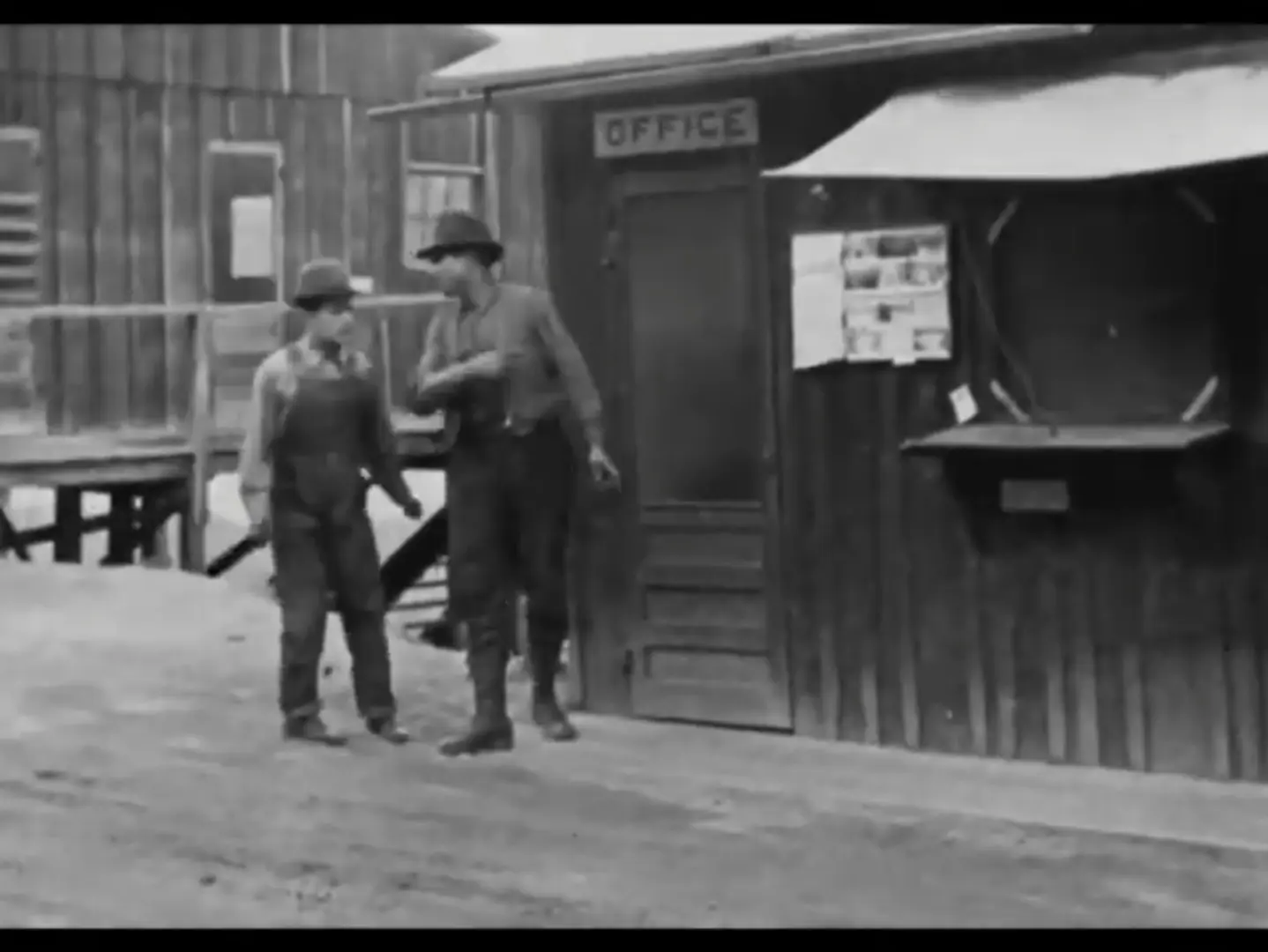
The film reflects a time when the office was a new, frightening frontier for many. The 'funny scenes' mentioned in the plot summary often stem from the protagonist's inability to master the very tools of his trade—typewriters, filing cabinets, and the heavy vault door. It is a mechanical comedy. The machines are just as much the villains as the coworkers are.
Ruth Hiatt brings a necessary softness to the production, though her role is unfortunately relegated to the 'concerned observer' for much of the runtime. However, when she does engage, particularly in the final chase sequence, her timing is impeccable. She manages to be more than just a damsel; she is the moral compass in a room full of thieves. Compared to her work in other shorts of the era, her performance here is restrained but effective.
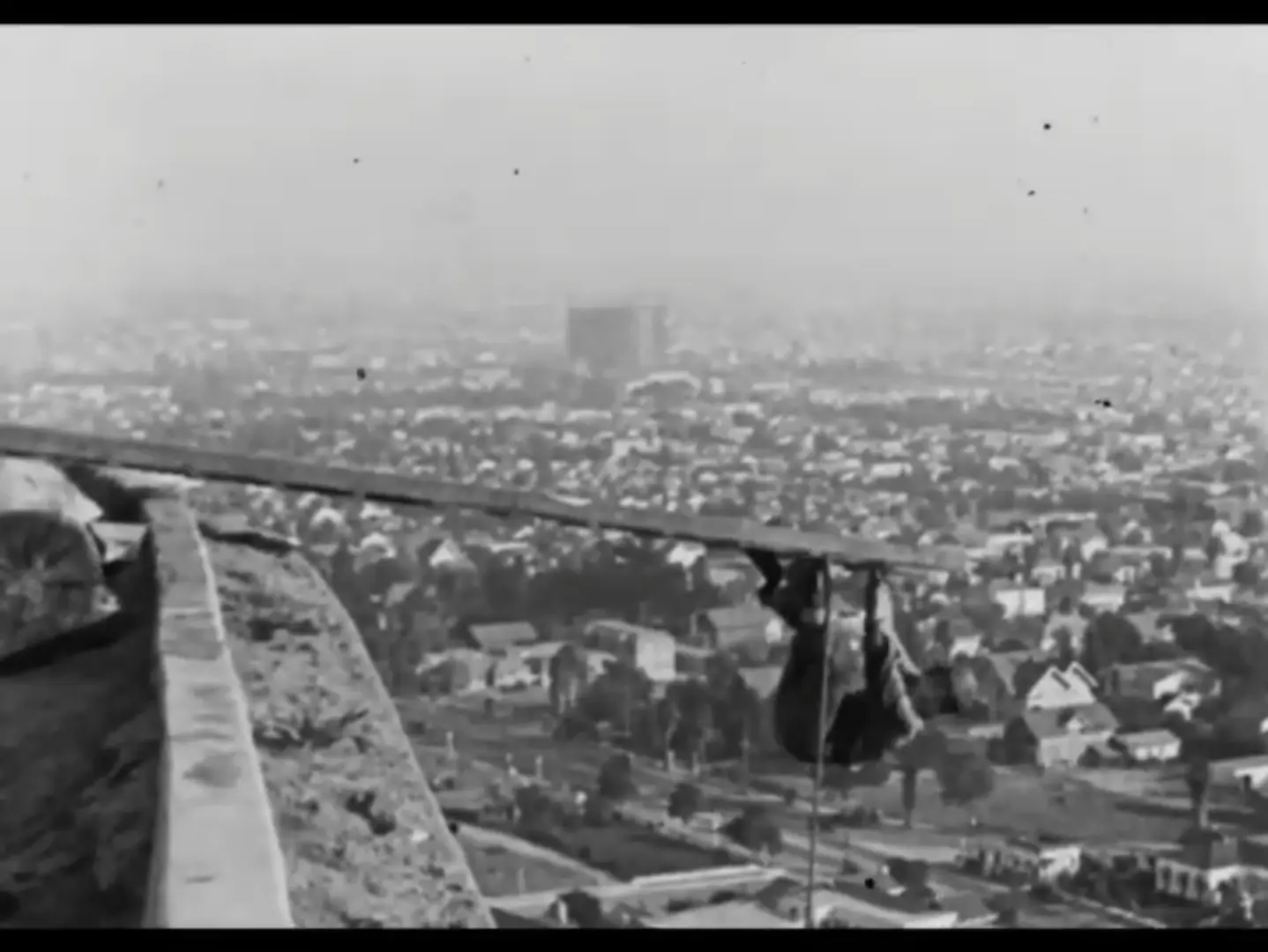
Leo Willis, as the primary antagonist, is a revelation of silent-era villainy. He doesn't need dialogue to convey his malice. A simple adjustment of his tie or a narrowed glance at the company safe tells the audience everything they need to know. He provides a grounded threat that makes the slapstick stakes feel real. When he attempts to steal the company money, the film shifts gears from a workplace comedy to a proto-noir thriller, a transition that works surprisingly well.
The heist sequence is the film's centerpiece. It is a masterclass in low-budget choreography. The way the characters move through the office—hiding behind thin partitions and sliding across freshly waxed floors—reminds one of the rhythmic precision found in The Masquerader. There is a specific moment where a bag of coins is tossed between four different people in a single shot, a feat of timing that likely took dozens of takes to perfect.
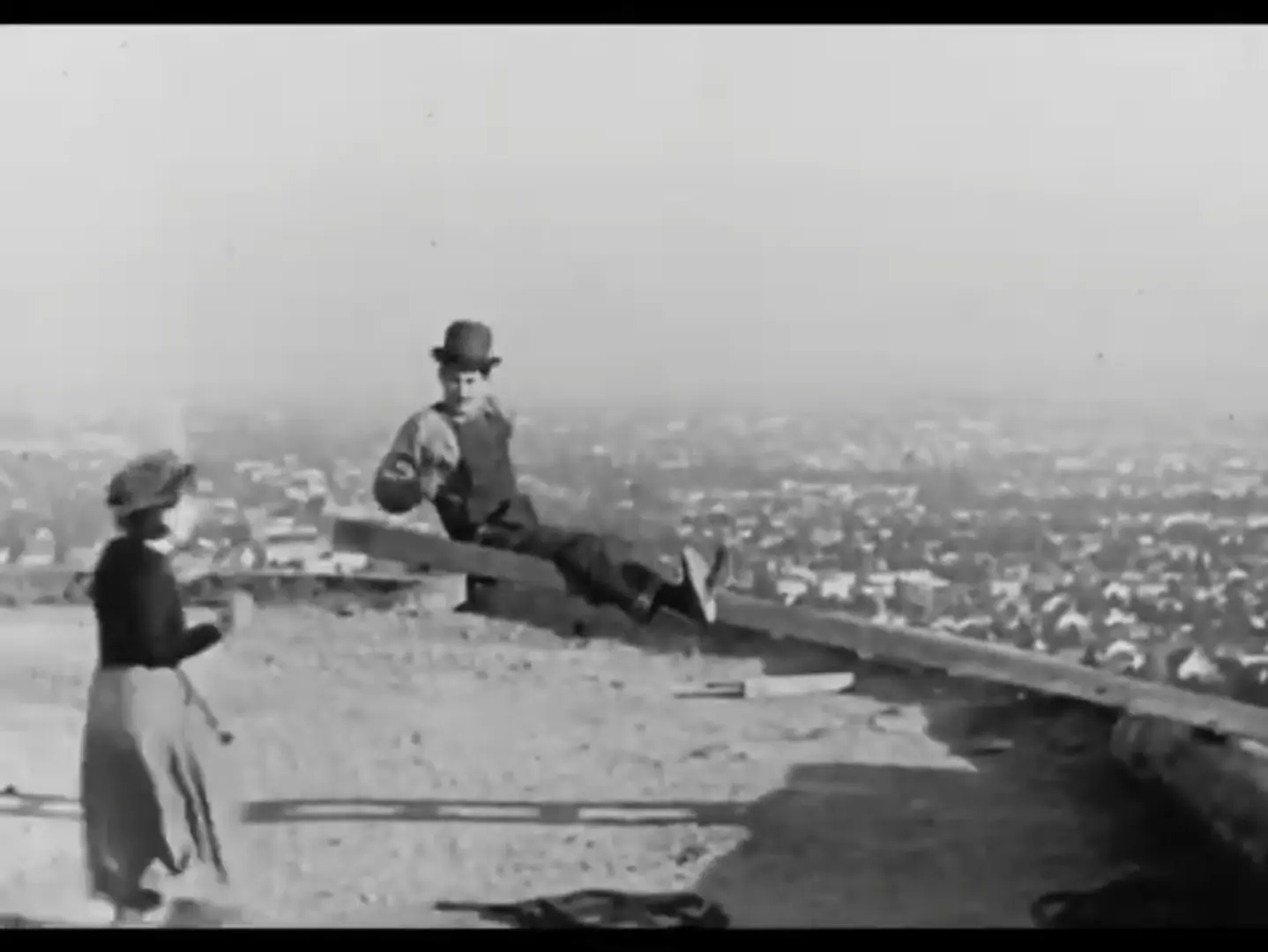
The cinematography is functional, if not revolutionary. The lighting is flat, which was standard for the 'Educational Pictures' style, but it allows every physical movement to be seen clearly. There are no shadows to hide the stunt work. This transparency is both a blessing and a curse; you can see the wires, but you can also see the genuine effort of the performers.
Yes, Rock Bottom is worth watching if you are a fan of physical comedy and silent cinema history. While it lacks the emotional depth of a Chaplin feature, it compensates with high-energy stunts and a relatable 'underdog' story. It provides a fascinating look at 1920s office culture and the evolution of the heist genre in short-form film.
Pros:
- Exceptional physical timing from the lead cast.
- A unique blend of heist tension and office comedy.
- Short runtime makes it an easy watch for a double feature with The Wig-Wag System.
- Leo Willis delivers a truly memorable silent-screen villain.
Cons:
- The plot is paper-thin and serves only as a skeleton for the gags.
- Some of the 'harassment' scenes feel uncomfortably aggressive by modern standards.
- Limited set variety leads to visual fatigue by the third act.
It is tempting to dismiss Rock Bottom as a simple product of its time. However, there is a biting truth to its depiction of the workplace. The protagonist is stuck in a cycle of abuse that only breaks when a literal crime occurs. It suggests that the only way to escape the 'bottom' is through a total disruption of the system. This is a surprisingly radical subtext for a comedy short. It lacks the polish of Manhattan, but it has a grit that many of its contemporaries lacked.
The film also serves as a reminder of the sheer physicality required of actors in this era. Cliff Bowes takes several falls that look genuinely painful. There are no stunt doubles here. When he hits the floor, he hits it hard. This commitment to the craft is what keeps the film watchable. It is visceral. It is real. It is occasionally exhausting.
"Rock Bottom proves that while technology changes, the feeling of being the office punching bag is eternal."
Rock Bottom is a jagged, energetic piece of film history. It isn't a masterpiece. It isn't even the best of its genre. But it has a pulse. The chemistry between the cast, particularly the friction between Bowes and Willis, creates enough sparks to justify its existence. It works. But it’s flawed. If you can look past the dated production values, you’ll find a comedy that still has some bite left in its century-old teeth. It is a frantic, messy, and ultimately rewarding look at what happens when a man is pushed to his limit in the most mundane of settings.

IMDb —
1918
Community
Log in to comment.